Hydraulic hoses are the lifeblood of countless industrial and mobile equipment, powering everything from construction machinery to aircraft. But with so many types available, choosing the right one can be daunting. In this comprehensive guide, we’ll break down the different types of hydraulic hoses, exploring their unique characteristics, applications, and considerations.
Understanding the nuances of hydraulic hose types is essential for ensuring optimal performance and safety. So let’s dive in and unravel the world of hydraulic hoses together.
What Are Hydraulic Hoses?
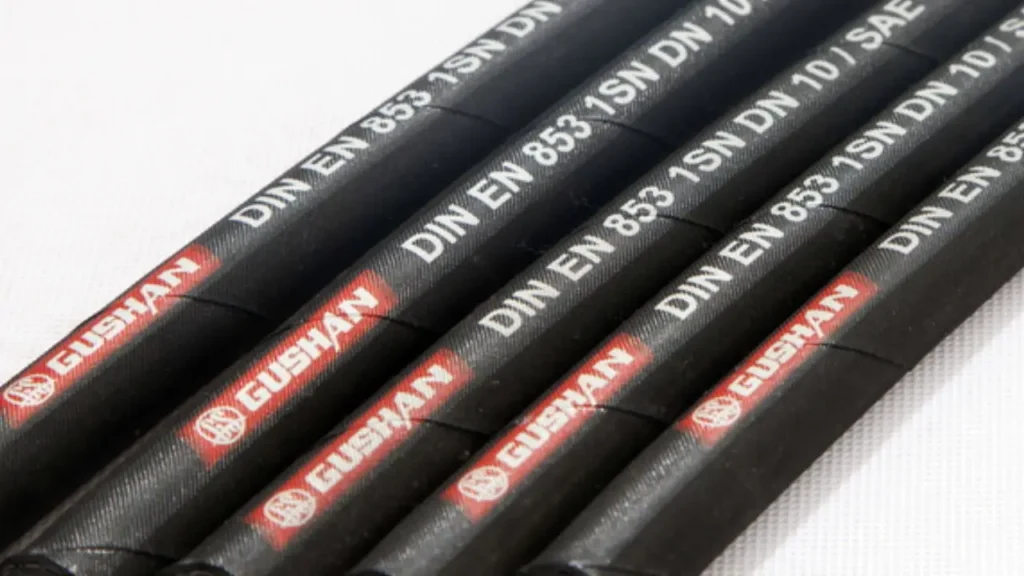
Hydraulic hoses are flexible tubes used to transfer high-pressure hydraulic fluids in various industrial and mechanical applications.
They are typically composed of three main layers:
- Inner Tube: This layer is in direct contact with the hydraulic fluid and is made of materials like rubber or thermoplastic. It is designed to be resistant to the fluid’s chemical properties and pressure.
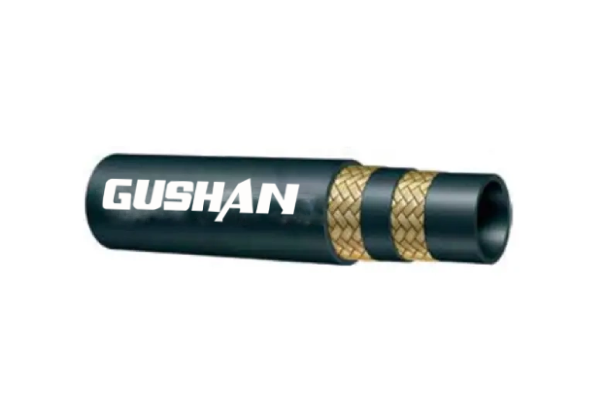
- Reinforcement Layer: This layer provides strength and durability to the hose. It can be made of braided wire, textile fibers, or spiral wire.
- Outer Cover: This layer protects the hose from abrasion, weather, and other external factors. It is often made of rubber or a synthetic material.
Hydraulic Hose Types
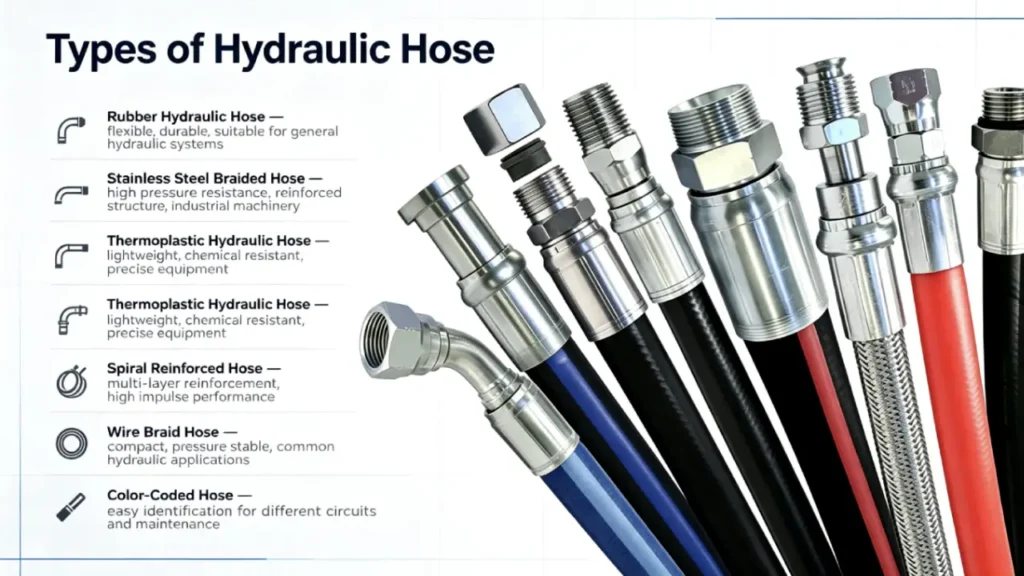
Hydraulic hoses are essential components in various industrial and mechanical applications. They are flexible tubes designed to transport high-pressure hydraulic fluids. Understanding the different types of hydraulic hoses is crucial for selecting the right one for your specific needs.
Here are the most common types of hydraulic hoses:
1. Rubber Hydraulic Hoses
Rubber hoses are the most common type due to their versatility and cost-effectiveness. They offer good flexibility and resistance to a wide range of fluids. However, they may be susceptible to degradation from exposure to extreme temperatures and certain chemicals.
Key Characteristics:
- Versatility: Suitable for a wide range of applications.
- Flexibility: Allows for easy installation and routing.
- Cost-Effective: Generally more affordable than other types.
- Temperature Limitations: May not be ideal for extreme temperature conditions.
2. Thermoplastic Hydraulic Hoses
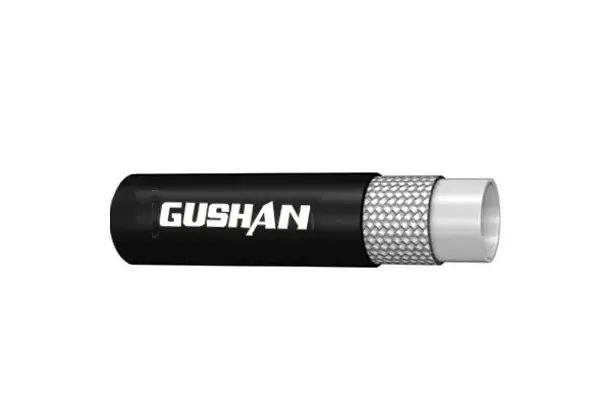
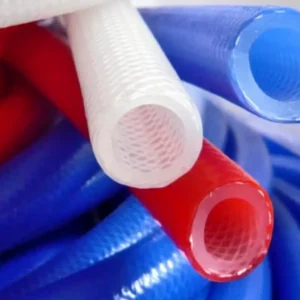
Thermoplastic hoses are becoming increasingly popular due to their superior performance and durability. They are lightweight, resistant to high temperatures and harsh chemicals, and offer excellent flexibility.
Key Characteristics:
- Lightweight: Easier to handle and install.
- High-Temperature Resistance: Suitable for applications with extreme temperature fluctuations.
- Chemical Resistance: Resistant to a wide range of chemicals and fluids.
- Excellent Flexibility: Allows for easy routing and installation.
3. Teflon Hydraulic Hoses
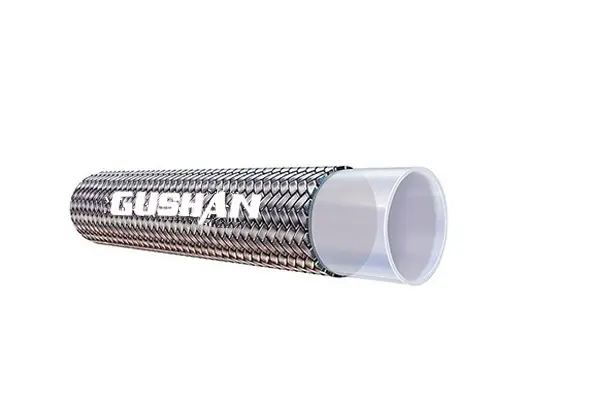
Teflon hoses are known for their exceptional chemical resistance, heat resistance, and low friction. They are ideal for applications involving aggressive fluids and high temperatures. However, they can be more expensive than other types of hoses.
Key Characteristics:
- Excellent Chemical Resistance: Resistant to a wide range of chemicals, including acids and bases.
- High-Temperature Resistance: Can withstand high temperatures without degrading.
- Low Friction: Reduces energy loss and improves fluid flow.
- Higher Cost: More expensive than other types of hoses.
4. Wire Braid Hydraulic Hoses
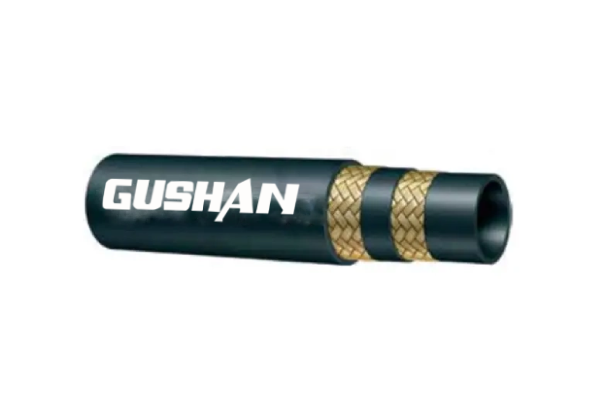
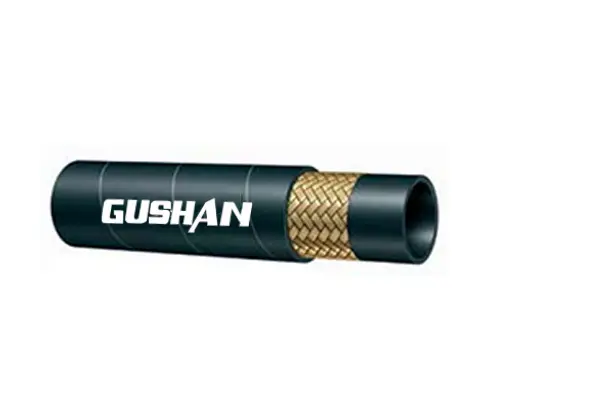
Wire braid hoses offer excellent pressure resistance and durability. They are commonly used in high-pressure applications in heavy machinery. The braided wire reinforcement provides additional strength and protection against abrasion.
Key Characteristics:
- High Pressure Resistance: Suitable for high-pressure hydraulic systems.
- Durability: Resistant to abrasion and mechanical damage.
- Excellent Flexibility: Allows for easy routing and installation.
- Higher Cost: More expensive than rubber hoses.
5. Spiral Wire Hydraulic Hoses
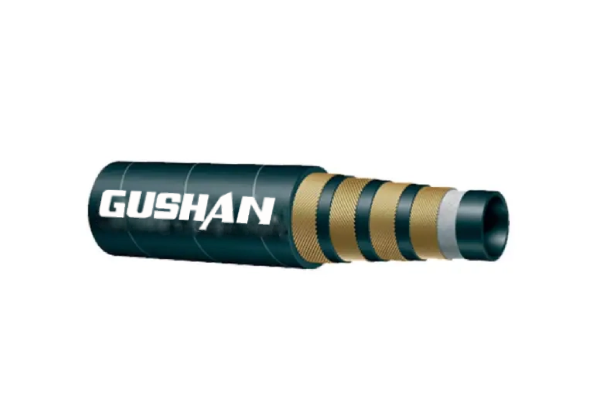
Spiral wire hoses are designed for applications that require frequent movement and vibration. The spiral wire reinforcement provides flexibility and protection against twisting and kinking.
Key Characteristics:
- Excellent Flexibility: Allows for easy movement and bending.
- Vibration Resistance: Reduces the risk of hose failure due to vibration.
- Durable: Resistant to abrasion and mechanical damage.
- Specific Applications: Best suited for applications with frequent movement.
By understanding the unique characteristics of each type of hydraulic hose, you can select the right one for your specific application. Consider factors such as pressure rating, temperature range, fluid compatibility, and application environment to make an informed decision.
Here is the chart showing you different types of hydraulic hoses and their characteristics.
| Type | Characteristics | Applications |
|---|---|---|
| Rubber Hoses | Versatile, cost-effective, good flexibility, resistant to a wide range of fluids. | General-purpose applications, construction equipment, agricultural machinery. |
| Thermoplastic Hoses | Lightweight, resistant to high temperatures and harsh chemicals, excellent flexibility. | Applications with extreme temperature fluctuations, construction equipment, and agricultural machinery. |
| Teflon Hoses | Highly resistant to chemicals, heat, and abrasion. | Aerospace, chemical processing, food processing industries. |
| Wire Braid Hoses | Excellent pressure resistance, durable, resistant to abrasion and mechanical damage. | High-pressure applications in heavy machinery, mining, and construction equipment. |
| Spiral Wire Hoses | Good flexibility, resistant to twisting and kinking, suitable for applications with frequent movement and vibration. | Mobile equipment, machinery with frequent movement. |
Hydraulic Hose Types with Different Reinforcement
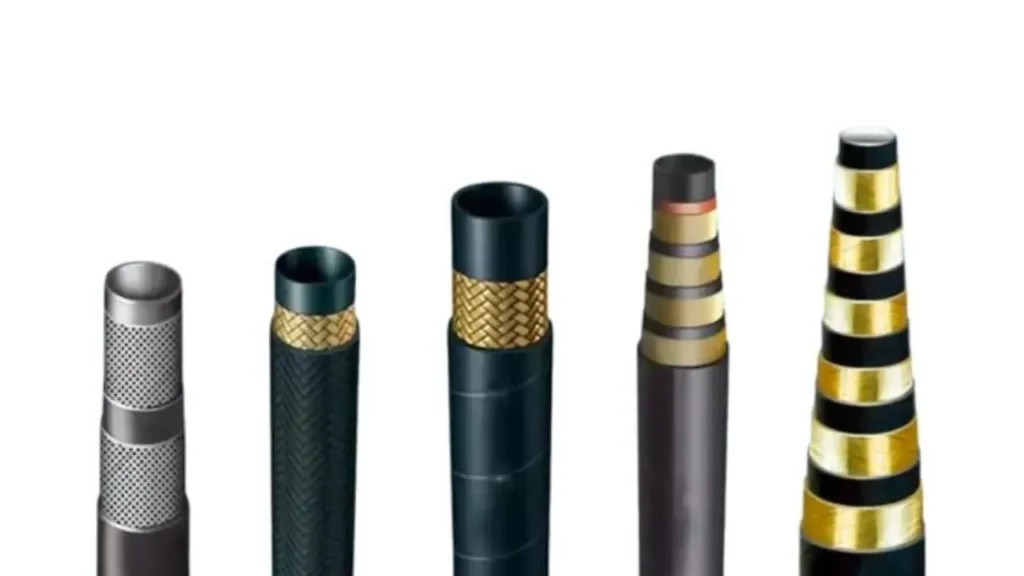
Hydraulic hoses come in various types, each designed with specific reinforcement materials to handle different pressures and environmental conditions. The type of reinforcement used in a hydraulic hose determines its strength, flexibility, and suitability for various applications.
Below are the most common hydraulic hose types based on their reinforcement.
- Braided Hydraulic Hoses: High strength and flexibility.
Braided hydraulic hoses consist of a synthetic rubber core reinforced with one or more layers of braided steel wire. These hoses offer high strength and flexibility, making them suitable for medium-pressure applications in industries such as agriculture and automotive. They are resistant to wear and pressure fluctuations, providing durability and long service life. - Spiral Hydraulic Hoses: Heavy-duty applications.
Spiral hydraulic hoses are reinforced with multiple layers of steel wire wound in a spiral configuration. This reinforcement makes them ideal for high-pressure, heavy-duty applications, such as construction and mining equipment. Spiral hoses are designed to withstand extreme pressure and provide excellent resistance to abrasion, making them perfect for rugged environments. - Textile-Reinforced Hydraulic Hoses: Lightweight and flexible.
Textile-reinforced hydraulic hoses are made with layers of textile yarn or fabric that reinforce the inner rubber layer. These hoses are lightweight and flexible, making them ideal for lower-pressure applications where flexibility and ease of handling are crucial. Textile-reinforced hoses are commonly used in automotive, machine tools, and other moderate-pressure environments. - Wire-Braid Hydraulic Hoses: Versatile and durable.
Wire-braid hydraulic hoses are reinforced with steel wire braids, offering a balance of strength and flexibility. They are commonly used in medium to high-pressure applications and are highly resistant to pressure surges, making them suitable for a wide range of industries. Wire-braid hoses are versatile and provide excellent abrasion resistance, increasing their service life. - Double-Braided Hydraulic Hoses: Maximum pressure resistance.
Double-braided hydraulic hoses feature two layers of steel wire braids, providing enhanced pressure resistance and durability. These hoses are ideal for high-pressure hydraulic systems, offering greater flexibility and superior strength. Double-braided hoses are commonly used in industries such as oil and gas, where high pressure and extreme conditions are the norm.
How to Identify Hydraulic Hose Types?
How to Identify Hydraulic Hose Types?
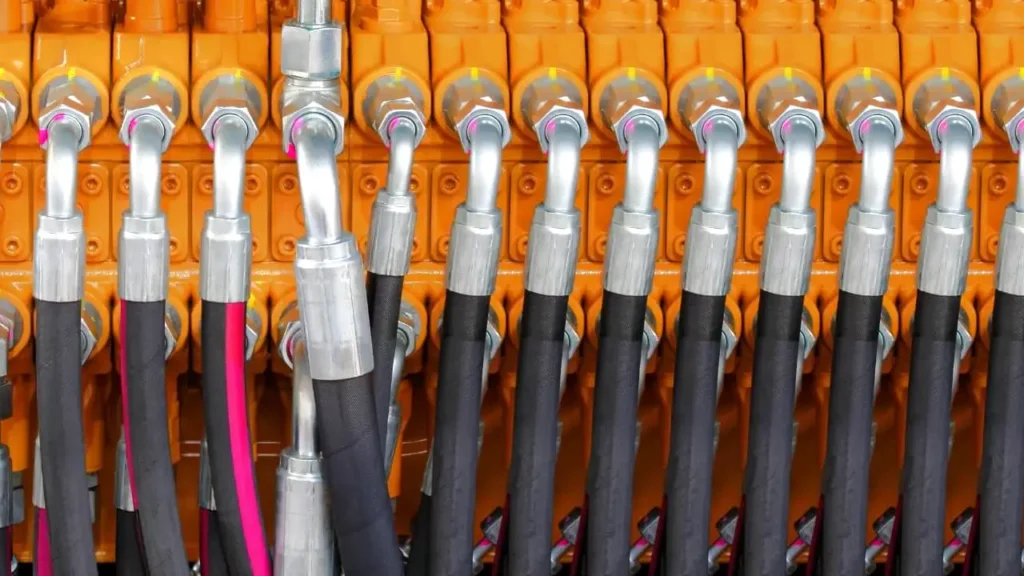
Hydraulic hose types can be identified by checking markings, construction, pressure rating, size, and application details. Each hose is designed for specific working conditions, so proper identification is essential for safety and performance.
Understanding these differences helps prevent system failures, improves efficiency, and ensures long-term reliability in hydraulic operations across industries.
Hose Markings
Hose markings are one of the fastest ways to identify hydraulic hose types. They usually include pressure rating, material type, temperature range, and manufacturing standards such as SAE or DIN. These printed codes help users quickly understand whether a hose matches system requirements and intended applications safely and accurately in operations.
Markings also help confirm compatibility with hydraulic fluids and working environments. By reading these codes correctly, technicians can avoid incorrect installations and ensure the hose meets operational demands. Proper interpretation of markings reduces risks of failure and supports long-term system stability in industrial hydraulic applications where safety is critical.
Construction Layers
Hydraulic hose construction includes inner tube, reinforcement layer, and outer cover. Each layer plays a role in pressure resistance, flexibility, and protection. By examining these layers, users can identify whether the hose is designed for low, medium, or high-pressure applications in industrial hydraulic systems effectively and safely.
The reinforcement layer, made from steel wire or textile braiding, is especially important for identification. Stronger reinforcement indicates higher pressure capacity and durability. Understanding layer structure helps users choose the right hose for demanding environments, improving safety and extending service life in hydraulic machinery and heavy-duty operations.
Pressure Rating
Pressure rating clearly defines how much force a hydraulic hose can safely handle. It is usually marked on the hose surface and helps users match hoses with system requirements. Identifying this rating prevents overloading and ensures stable, safe operation in hydraulic systems across various industrial applications and environments.
Incorrect pressure matching can lead to serious failures such as bursting or leakage. Identifying the correct rating ensures that the hose operates within safe limits. This improves system reliability, reduces downtime, and enhances overall efficiency in hydraulic machinery used in construction, manufacturing, and heavy-duty industrial operations.
Size and Application
Hydraulic hoseize identification includes measuring inner diameter, outer diameter, and length of the hose. These dimensions determine flow capacity and compatibility with fittings. Selecting the right size ensures efficient fluid transfer and prevents pressure loss in hydraulic systems used in industrial equipment and machinery applications across multiple sectors.
Hydraulic hose application types also helps identify hydraulic hose suitability. Factors such as temperature, movement, fluid type, and working environment must be considered. Matching the hose to its application improves performance, reduces wear, and extends lifespan, ensuring stable and efficient hydraulic operation in demanding industrial conditions.
Hydraulic Hose Standards
Hydraulic hose standards such as SAE, DIN, and ISO provide classification systems for identifying hose types. These standards define pressure levels, construction requirements, and testing methods. Checking standards helps ensure the hose meets global safety and performance benchmarks for industrial hydraulic systems and machinery applications.
Understanding these standards also helps compare different hose types accurately. Each standard represents specific performance capabilities, making it easier to choose the correct hose. This reduces selection errors, improves safety compliance, and ensures reliable operation in hydraulic systems across various industrial environments and applications.
How to Choose the Right Hydraulic Hoses?
Selecting the right hydraulic hose is crucial for ensuring the safety, efficiency, and longevity of your hydraulic system. Here are the key factors to consider:
1. Pressure Rating:
- Maximum Working Pressure (MWP): This is the maximum pressure the hose can withstand in continuous operation.
- Burst Pressure: This is the pressure at which the hose will fail catastrophically.
- Impulse Pressure: This is the ability of the hose to withstand pressure spikes or surges.
2. Temperature Range:
- Operating Temperature: This is the range of temperatures the hose can withstand without compromising its performance.
- Ambient Temperature: This is the temperature of the surrounding environment.
- Chemical Resistance: Ensure the hose is compatible with the specific hydraulic fluid being used.
- Fluid Compatibility Chart: Consult the manufacturer‘s fluid compatibility chart to identify suitable hoses.
- Rubber Hoses: Versatile and cost-effective, suitable for general-purpose applications.
- Thermoplastic Hoses: Lightweight, flexible, and resistant to high temperatures and harsh chemicals.
- Teflon Hoses: Highly resistant to chemicals, heat, and abrasion, ideal for demanding applications.
- Wire Braid Hoses: Offer excellent pressure resistance and durability, suitable for high-pressure applications.
- Spiral Wire Hoses: Provide good flexibility and resistance to twisting, ideal for applications with frequent movement.
5. Hose Size and Length:
- Inner Diameter (ID): Determines the flow rate of the fluid.
- Outer Diameter (OD): Determines the physical size and weight of the hose.
- Hose Length: Ensure the hose is long enough for your application, but avoid excessive length to minimize pressure drop.
6. Hose Reinforcement:
- Wire Braid: Provides excellent pressure resistance and durability.
- Textile Braid: Offers good flexibility and resistance to abrasion.
- Spiral Wire: Provides good flexibility and resistance to twisting.
7. Fittings and Couplings:
- Compatibility: Ensure the fittings and couplings are compatible with the hose and the system’s components.
- Sealing: Proper sealing is essential to prevent leaks and maintain system pressure.
8. Installation and Maintenance:
- Proper Installation: Follow the manufacturer‘s guidelines for proper installation.
- Regular Inspection: Inspect the hose for signs of wear, damage, or leaks.
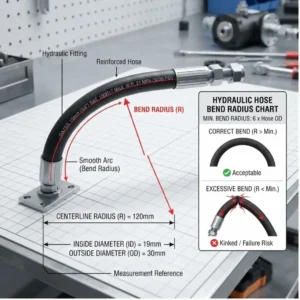
- Avoid Excessive Bending: Excessive bending can weaken the hose and lead to premature failure.
- Protect from Abrasion: Protect the hose from mechanical damage.
By carefully considering these factors, you can select the right hydraulic hose to ensure the optimal performance and safety of your hydraulic system.
Conclusion
Understanding the diverse range of hydraulic hose types is crucial for ensuring the optimal performance and longevity of your hydraulic systems. By carefully considering factors like pressure, temperature, fluid compatibility, and application environment, you can select the right hose to meet your specific needs.
Ready to find the perfect hydraulic hose for your application? Contact Gushan Rubber today to receive a customized quote. Our team of experts will work with you to identify the ideal hose solution, ensuring maximum efficiency and reliability.
Don’t compromise on the performance of your hydraulic system. Choose the right hydraulic hoses, choose us as your reliable hydraulic hose factory now.