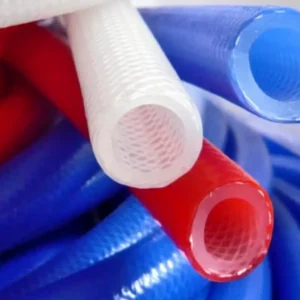
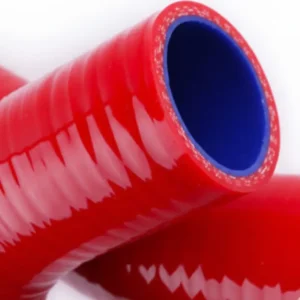
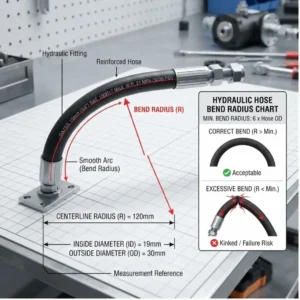
Hydraulic hoses are essential components in countless industrial, agricultural, and automotive applications. They are responsible for transporting high-pressure hydraulic fluid to various components, powering everything from heavy machinery to delicate precision tools. When it comes to hydraulic systems, selecting the right hose size is crucial for optimal performance, safety, and longevity.
In this blog post, we will delve into the world of hydraulic hose sizes, exploring factors such as hydraulic hose diameter, length, pressure ratings, and compatibility with different fluids.
What is Hydraulic Hose Sizing?
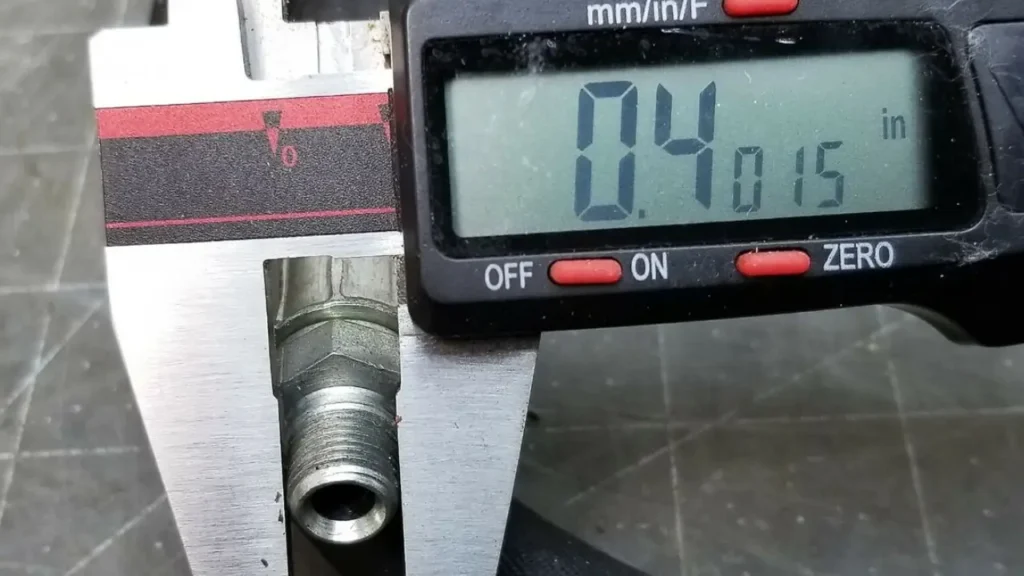
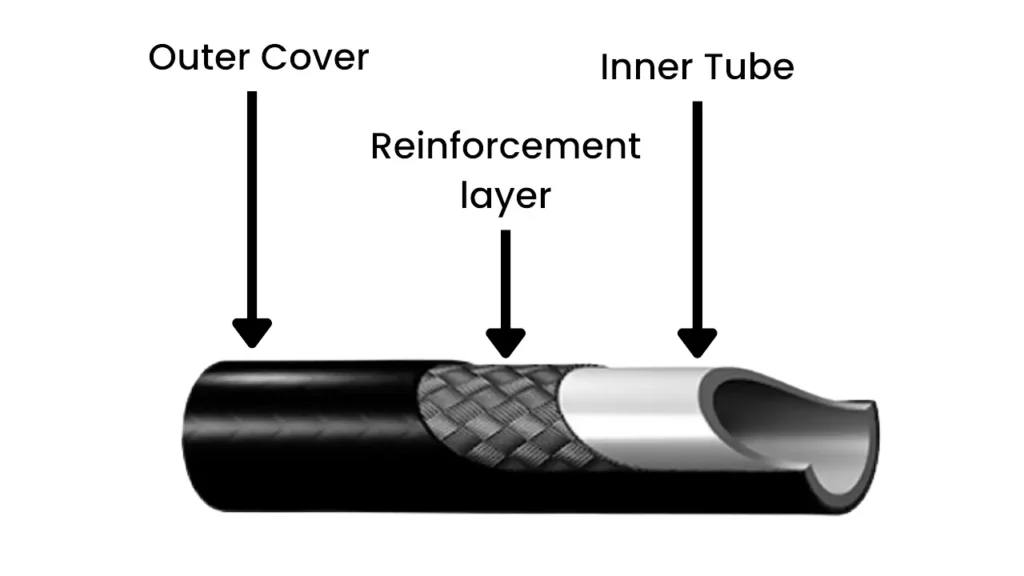
Hydraulic hose sizing refers to the process of selecting the appropriate size of hydraulic hose for a specific application. The size of a hydraulic hose is typically determined by its inner diameter (ID), which is the measurement of the empty space inside the hose.
The ID affects the flow rate of the fluid within the hose, while the outer diameter (OD) helps to determine appropriate fittings and system components.
Several factors need to be considered when sizing a hydraulic hose, including:
- Flow rate: The volume of fluid that needs to be transported through the hose per unit of time.
- Pressure rating: The maximum pressure that the hose can withstand without failing.
- Temperature range: The temperature range that the hose will be exposed to during operation.
- Fluid compatibility: The type of fluid that will be flowing through the hose and its compatibility with the hose material.
- Hose length: The distance between the two end points of the hose.
Hydraulic hose sizing is typically done using a nomograph, which is a chart that helps to determine the appropriate hose size based on the flow rate, pressure, and other factors. It is important to consult with a hydraulic hose expert or refer to manufacturer guidelines for precise recommendations.
Incorrect hose sizing can lead to several problems, including:
- Reduced system performance: If the hose is too small, it can restrict the flow of fluid, leading to reduced system performance.
- Increased pressure drop: A smaller hose can also cause a significant pressure drop, which can affect the operation of hydraulic components.
- Hose failure: If the hose is not sized correctly, it may fail prematurely, leading to leaks, spills, and potential injuries.
By properly sizing hydraulic hoses, you can ensure the optimal performance and safety of your hydraulic system.
What Causes Incorrect Hydraulic Hose Sizes?
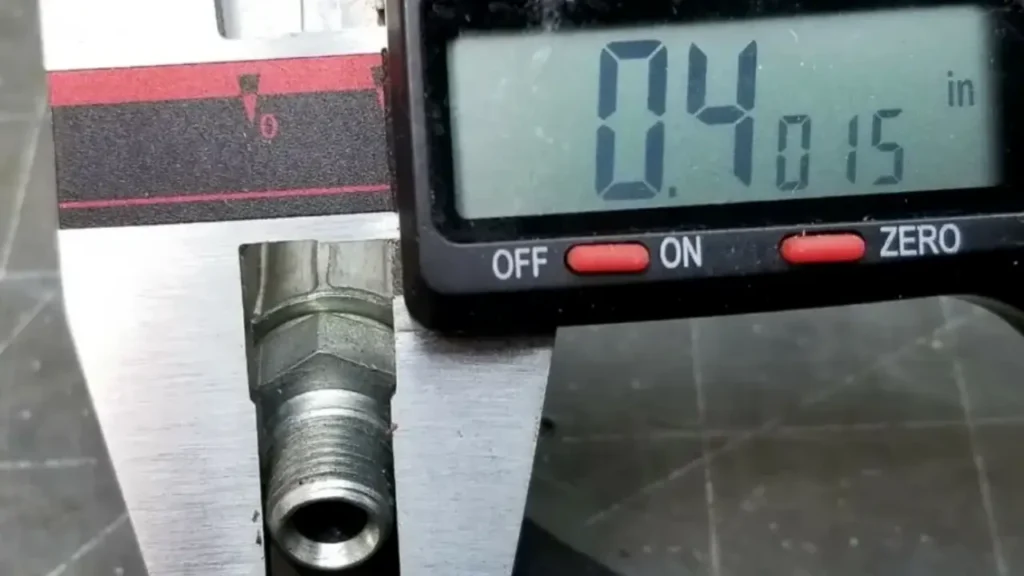
Choosing the wrong hydraulic hose size can reduce system efficiency, increase pressure loss, and create serious safety risks. Hose sizing depends on several factors, including flow rate, working pressure, connection size, hose length, and application requirements.
Understanding the common causes of incorrect sizing helps us select suitable hoses, prevent premature failures, and maintain reliable hydraulic system performance.
- Incorrect Flow Rate Calculation: Choosing a hose based on equipment size alone can lead to an unsuitable internal diameter. If the hose is too small for the required flow rate, fluid velocity increases and pressure loss becomes higher. We should calculate the actual flow requirements before selecting the appropriate hose bore size.
- Ignoring Working Pressure: A hose must safely handle the system’s maximum working pressure, including pressure spikes. Selecting a hose based only on normal operating pressure can cause premature damage or bursting. We should always compare the hose’s rated working pressure with the hydraulic system’s actual pressure requirements and safety margins.
- Using the Wrong Inner Diameter: Hose inner diameter directly affects fluid velocity, pressure drop, and heat generation. An undersized hose can restrict hydraulic flow, while an oversized hose may increase cost and reduce installation efficiency. We should select the internal diameter according to flow rate and recommended fluid velocity.
- Incorrect Fitting Size: Sometimes the hose itself has the correct diameter, but the fittings do not match the hydraulic equipment. Incorrect fitting sizes can cause leakage, installation difficulties, or flow restrictions. We should confirm thread type, connection standard, fitting size, and hose dimensions before assembling the hydraulic hose.
- Misjudging Hose Length: A hose that is too short can experience excessive tension, while an unnecessarily long hose may create pressure loss and unwanted movement. We should measure the complete routing path and allow enough length for movement, bending, and connection without creating excessive slack.
- Ignoring Temperature Conditions: Hydraulic hoses operate within specific temperature ranges. Choosing a hose without considering ambient and hydraulic-fluid temperatures can cause the material to harden, soften, crack, or deteriorate. We should check both the minimum and maximum operating temperatures when determining the correct hose specification.
- Choosing the Wrong Pressure Class: Hydraulic hoses are available in different pressure classes, such as low-, medium-, and high-pressure designs. Selecting a hose with an unsuitable pressure rating can compromise system safety. We should identify the circuit’s maximum pressure and choose a hose that provides adequate rated capacity.
- Incorrect Application Selection: Not every hydraulic hose is suitable for every application. Factors such as abrasion, chemical exposure, vibration, flexibility, and environmental conditions affect hose selection. We should consider the complete operating environment rather than choosing a hose solely by diameter or pressure rating.
- Failing to Account for Pressure Loss: Hose size affects how efficiently hydraulic fluid moves through the system. If the hose is too narrow or excessively long, friction increases and pressure drops. We should consider hose diameter, length, flow rate, and fittings together to minimize unnecessary hydraulic losses.
- Using Manufacturer Specifications Incorrectly: Different manufacturers may use different sizing standards, product series, and performance specifications. Relying on assumptions or comparing hoses only by outside diameter can result in incorrect selection. We should check the manufacturer’s technical data for bore size, pressure rating, temperature range, and compatibility.
Hydraulic Hose Size Components
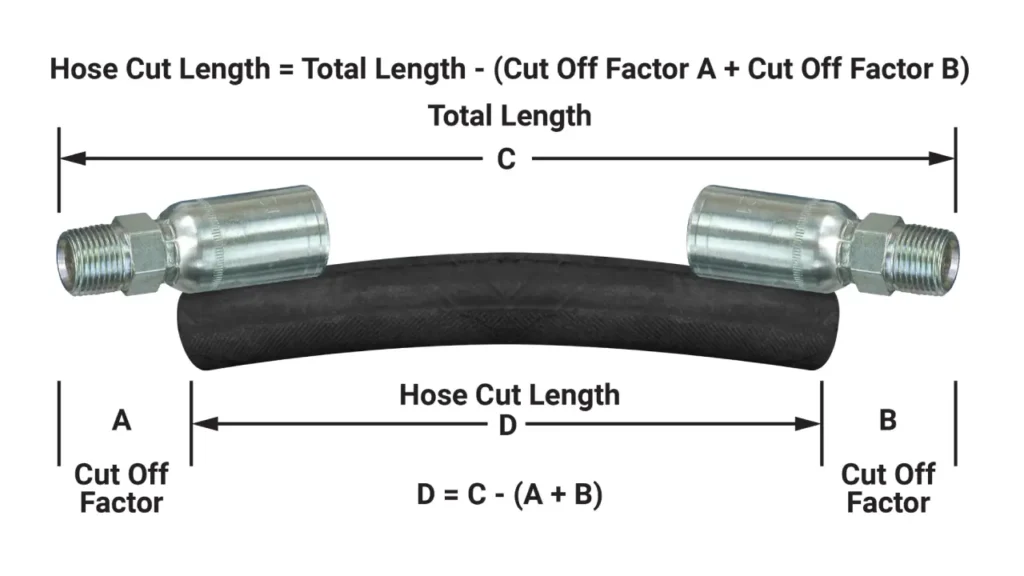
When considering the size of a hydraulic hose, two primary hydraulic hose dimensions are crucial:
1. Inner Diameter (ID)
- Fluid Flow Capacity: The inner diameter directly influences the volume of fluid that can pass through the hose per unit of time.
- Pressure Drop: A larger ID can reduce pressure drop, ensuring efficient fluid delivery to hydraulic components.
- Flow Velocity: The ID affects the velocity of the fluid, which can impact factors like erosion and turbulence.
2. Outer Diameter (OD)
- Fitting Compatibility: The outer diameter determines the size of fittings that can be used to connect the hose to other components in the hydraulic system.
- Mechanical Strength: A larger OD often indicates a stronger hose, capable of withstanding higher pressures and external forces.
- Bend Radius: The OD influences the minimum bend radius of the hose, which is important for routing the hose in confined spaces.
In addition to these two primary dimensions, other factors can also influence hose size selection:
- Pressure Rating: The maximum pressure the hose can withstand without failing.
- Temperature Range: The operating temperature range of the fluid.
- Fluid Compatibility: The type of fluid being used and its compatibility with the hose material.
- Hose Length: The required length of the hose.
- Bend Radius: The minimum radius the hose can be bent without damage.
- Environmental Factors: Exposure to UV light, ozone, chemicals, or abrasion.
By carefully considering these factors, you can select the appropriate hydraulic hose size to ensure optimal performance and longevity of your hydraulic system.
Hydraulic Hose Dash Size
Dash size is a common measurement system used to denote the diameter of hydraulic hoses, tubes, and fittings.
It represents the inside diameter (ID) in increments of 1/16th of an inch.
For example:
- -6 hose: This indicates a hose with an inside diameter of 6/16th of an inch, or 3/8 inch.
- -10 fitting: This refers to a fitting with a 10/16th inch or 5/8 inch inside diameter.
Why Hydraulic Hose Dash Size Matters
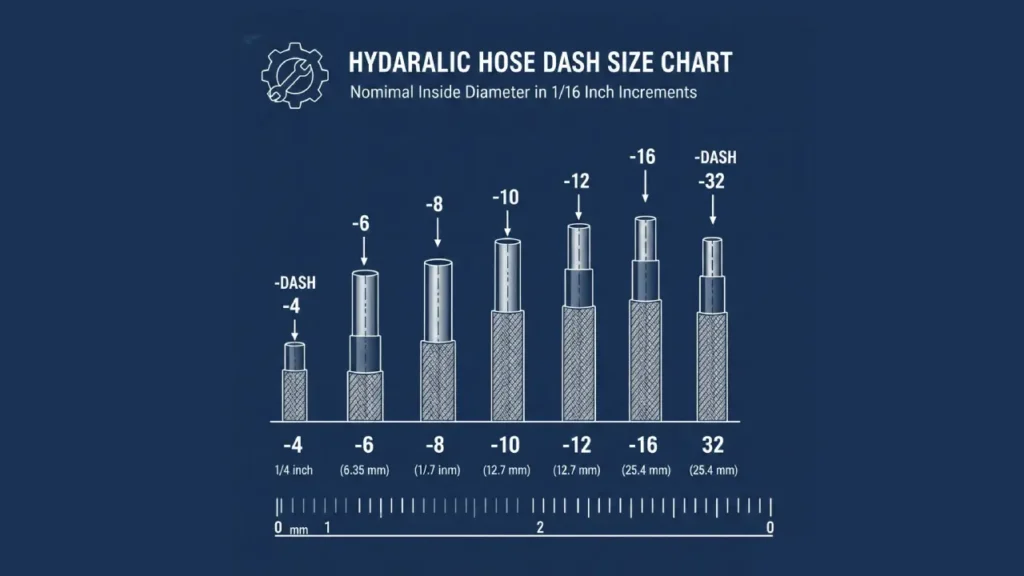
The correct dash size is crucial for several reasons:
- Flow Rate: A larger dash size allows for greater fluid flow, improving system performance.
- Pressure Rating: The dash size influences the hose’s pressure rating, ensuring it can withstand the required operating pressures.
- Fitting Compatibility: The dash size determines the appropriate fittings that can be used to connect the hose to other components.
- Hose Life: Proper sizing helps prevent excessive stress and wear on the hose, extending its lifespan.
Factors to Consider When Selecting Dash Size
- Flow Rate: The required volume of fluid to be transported per unit of time.
- Pressure: The maximum pressure the system will experience.
- Temperature: The operating temperature range of the fluid.
- Fluid Compatibility: The type of fluid being used and its compatibility with the hose material.
- Bend Radius: The minimum radius the hose can be bent without damage.
- Environmental Factors: Exposure to UV light, ozone, chemicals, or abrasion.
To ensure accurate hose sizing, consult with a hydraulics expert or refer to manufacturer‘s guidelines.
By understanding dash sizes and the factors influencing hose selection, you can optimize your hydraulic system’s performance and reliability.
How to Determine Hydraulic Hose Size?
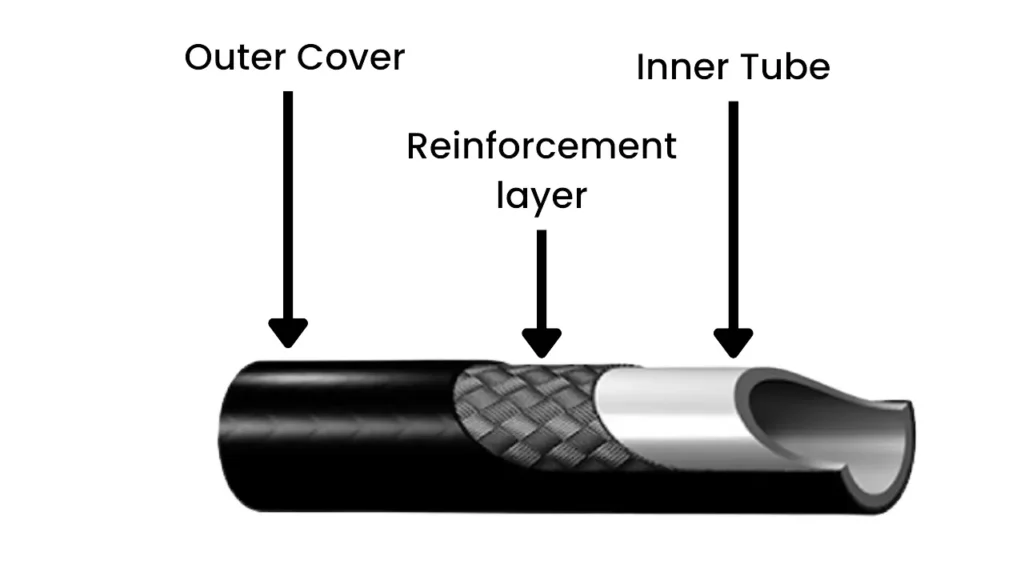
Determining the correct hydraulic hose size ensures smooth fluid transfer, stable pressure, and long service life. A well-sized hose minimizes energy loss and prevents overheating or damage. By following a step-by-step approach, you can accurately match hose dimensions to system requirements, improving performance, safety, and overall operational efficiency in demanding hydraulic applications.
Step 1: Measure Flow Rate Requirements
Tools Needed:
- Flow meter
- System specifications manual
- Calculator
Start by identifying the system’s required flow rate, typically measured in gallons per minute or liters per minute. Accurate flow data helps determine the correct hose inner diameter. If flow rate is too high for a small hose, it increases velocity, leading to heat and pressure loss.
Step 2: Calculate Proper Inner Diameter
Use flow rate data to calculate the appropriate hose inner diameter. The goal is to maintain recommended fluid velocity ranges for hydraulic systems. Oversized hoses reduce efficiency, while undersized hoses increase friction and heat. Refer to standard charts or formulas to match flow rate with suitable hose diameter.
Step 3: Check Pressure Requirements
Determine the system’s working and maximum pressure levels before selecting a hose. Hydraulic hoses must handle both continuous operating pressure and occasional pressure spikes. Choosing a hose with the correct pressure rating ensures safety and prevents failures such as leaks or bursts during demanding operating conditions.
Step 4: Consider Hose Length and Routing
Measure the required hose length carefully, accounting for equipment movement and installation paths. Excessively long hoses increase pressure drop, while short hoses may restrict flexibility. Proper hose outing avoids sharp bends, twisting, or abrasion, all of which can reduce hose lifespan and negatively impact system performance over time.
Step 5: Evaluate Temperature and Application Conditions
Assess the operating temperature and environmental conditions where the hose will be used. High temperatures can degrade materials, while low temperatures may reduce flexibility. Exposure to chemicals, sunlight, or abrasion also affects durability. Selecting a hose suited for these conditions ensures reliable performance and extended service life.
How to Measure Hydraulic Hose Size?
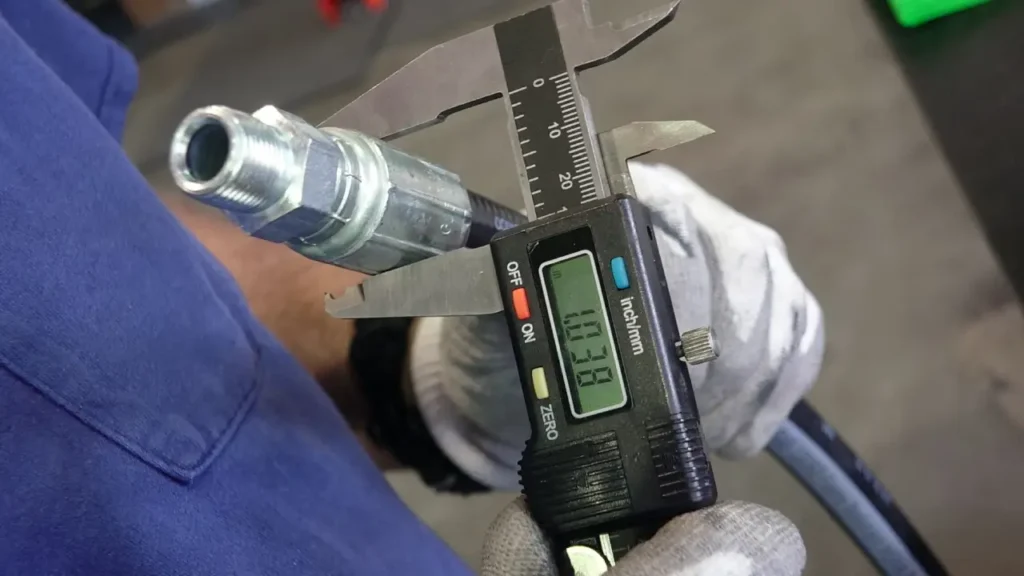
Measuring hydraulic hose size accurately is essential for proper replacement and system performance. Incorrect measurements can cause leaks, pressure issues, or installation problems. By carefully checking diameter, length, and fitting dimensions, you ensure compatibility and efficiency.
A systematic approach helps avoid costly errors and keeps hydraulic equipment operating smoothly and reliably in various working conditions.
Step 1: Identify Hose Inner Diameter
Tools Needed:
- Caliper
- Hose sizing chart
- Ruler or tape measure
Begin by measuring the hose inner diameter, which determines fluid flow capacity. Use a caliper for accuracy, or compare the hose with a sizing chart. If fittings are attached, measure the opening or reference printed size markings to confirm the correct internal diameter for proper system compatibility.
Step 2: Measure Hose Outer Diameter
Measure the outer diameter using a caliper or measuring tool to understand hose thickness and reinforcement. This step is important when checking compatibility with clamps, sleeves, or routing spaces. Outer diameter also provides insight into hose strength and construction, helping ensure it meets system durability and installation requirements.
Step 3: Determine Hose Length
Lay the hose flat and measure its total length from end to end. For assemblies with fittings, include the full length from one fitting end to the other. Accurate length ensures proper installation without excessive tension or slack, both of which can affect performance and reduce hose service life.
Step 4: Identify Fitting Size and Type
Examine the hose fittings to determine their size, thread type, and configuration. Use a thread gauge or reference guide to match specifications. Correct fitting identification ensures a secure connection, prevents leaks, and guarantees compatibility with system ports, which is essential for maintaining safe and efficient hydraulic operation.
Step 5: Check Hose Markings and Standards
Inspect the hose surface for printed markings indicating size, pressure rating, and compliance with standards. These hydraulic hose markings provide reliable information about the hose specifications. Verifying these details helps confirm your measurements and ensures the hose meets application requirements, avoiding mismatches that could compromise performance or safety.
How to Use a Nomogram to Determine Hydraulic Hose Size
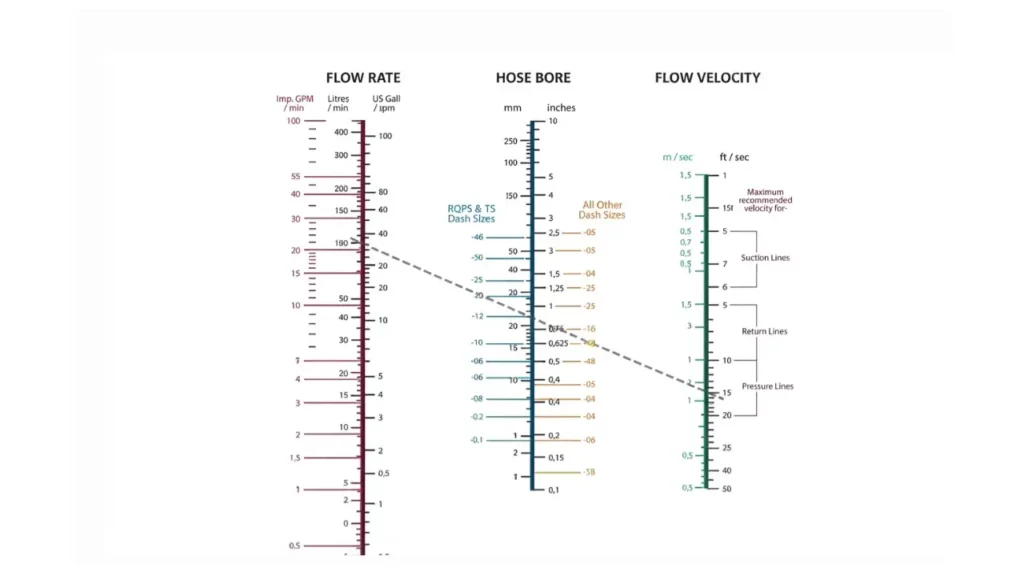
How to Use a Nomogram to Determine Hydraulic Hose Size?
A hydraulic hose nomogram is a practical chart that helps us determine the appropriate hose inside diameter based on fluid flow rate and recommended velocity.
By following the chart correctly, we can quickly estimate hose size, reduce pressure losses, improve system efficiency, and avoid selecting a hose that is either too small or unnecessarily large.
Tools Needed
- Hydraulic hose sizing nomogram
- Flow rate information
- Recommended fluid velocity
- Ruler or straightedge
- Hydraulic system specifications
- Hose sizing chart or manufacturer data
Step 1: Find the Required Flow Rate
Start by identifying the hydraulic system’s required flow rate, usually expressed in gallons per minute (GPM) or liters per minute (L/min). Check the pump or equipment specifications for accurate information. If the system has different operating conditions, use the highest expected flow rate for conservative hose sizing.
Step 2: Identify the Recommended Fluid Velocity
Determine the appropriate hydraulic fluid velocity for the application. Pressure lines, return lines, and suction lines typically require different velocity ranges. Find the recommended velocity on your nomogram or from the hose manufacturer’s specifications. Selecting an appropriate velocity helps balance pressure loss, heat generation, noise, and overall system efficiency.
Step 3: Locate the Flow Rate on the Nomogram
Find the calculated hydraulic flow rate on the flow-rate scale of the nomogram. Make sure you are using the correct units shown on the chart. Locate the corresponding value carefully, because selecting the wrong scale or unit can produce an incorrect hose diameter and negatively affect hydraulic system performance.
Step 4: Locate the Recommended Velocity
Next, locate the recommended fluid velocity on the velocity scale. Choose the value appropriate for your hydraulic circuit, such as pressure, return, or suction service. The correct velocity depends on the application and operating conditions, so avoid using one velocity recommendation for every hydraulic hose installation.
Step 5: Connect the Two Points
Using a ruler or straightedge, draw a line between the selected flow-rate point and fluid-velocity point. Extend the line across the nomogram until it intersects the hose inside-diameter scale. This intersection provides the approximate internal hose diameter needed to achieve the desired flow rate and fluid velocity.
Step 6: Read the Hose Size
Read the hose inside diameter indicated by the intersection. Hydraulic hose sizes are commonly identified using dash sizes, such as -4, -6, -8, or -10. Compare the calculated diameter with standard hose sizes available for your application, then select the closest suitable size rather than relying solely on outside diameter.
Step 7: Verify Pressure and Application Requirements
After determining the approximate hose size, verify that the selected hose can withstand the system’s maximum working pressure and temperature. Also check fluid compatibility, abrasion resistance, flexibility, bend radius, and fitting requirements. A correct nomogram calculation is only one part of choosing a safe and reliable hydraulic hose.
Step 8: Select the Final Hose Size
Choose the final hose size by comparing the nomogram result with available manufacturer specifications. If the calculated diameter falls between two standard sizes, the larger suitable hose may provide lower pressure loss. However, we should always consider pressure rating, fittings, installation space, and application requirements before making the final selection.
How to Choose Proper Hydraulic Hose Sizes?
Choosing the proper hydraulic hose size is essential for maintaining efficient fluid flow, controlling pressure loss, and preventing premature hose failure. We should consider flow rate, working pressure, fluid velocity, temperature, hose length, fittings, and application conditions.
A correctly sized hose improves hydraulic performance while supporting safer, more reliable, and longer-lasting equipment operation.
- Check the Required Flow Rate: Determine the hydraulic system’s maximum flow rate before selecting a hose. Flow rate directly affects the required internal diameter because smaller hoses increase fluid velocity and pressure loss. We should use actual operating data whenever possible rather than estimating flow based only on equipment specifications.
- Select the Correct Inner Diameter: Hose inner diameter is one of the most important sizing factors. An undersized hose can restrict flow, generate excessive heat, and increase pressure drop. We should choose an internal diameter that allows hydraulic fluid to move at an appropriate velocity without unnecessarily increasing hose size.
- Match the Working Pressure: Check the system’s maximum working pressure, including potential pressure spikes. The selected hydraulic hose must have a suitable working pressure rating for the application. We should never choose a hose based solely on diameter, because insufficient pressure capacity can result in dangerous hose damage or failure.
- Consider Fluid Velocity: Proper fluid velocity helps balance hydraulic efficiency, pressure loss, and heat generation. Pressure, return, and suction lines may require different velocity ranges. We should follow manufacturer recommendations and hydraulic design guidelines when selecting hose diameter to prevent excessive turbulence, noise, friction, and unnecessary energy consumption.
- Measure the Hose Length: Determine the actual routing distance before ordering a hydraulic hose. A hose that is too short may experience tension, while excessive length can increase pressure loss and create unnecessary movement. We should allow sufficient length for bending, equipment movement, and proper connection without creating excessive slack.
- Choose Compatible Fittings: Hose size must match the fittings and ports used in the hydraulic system. We should verify the fitting connection type, thread standard, nominal size, and sealing method. Proper matching prevents leakage, installation problems, flow restrictions, and premature damage around hose connections during equipment operation.
- Account for Temperature: Hydraulic hose materials have specific operating temperature limits. We should consider both the hydraulic fluid temperature and surrounding environmental conditions when selecting hose size and construction. Excessive temperatures can accelerate material deterioration, while unsuitable low-temperature conditions can reduce flexibility and increase the risk of cracking.
- Consider the Application Environment: The operating environment can significantly influence hose selection. Applications involving abrasion, vibration, chemicals, outdoor exposure, or tight routing may require specialized hose construction. We should evaluate these conditions alongside diameter and pressure requirements to ensure the selected hose remains reliable throughout its expected service life.
- Use a Hydraulic Hose Nomogram: A nomogram provides a convenient way to determine approximate hose diameter using flow rate and recommended fluid velocity. We can connect the appropriate values on the chart and read the required inside diameter. Afterward, verify the result against standard hose sizes and manufacturer specifications.
- Verify the Manufacturer’s Specifications: Before finalizing the hose, compare the calculated size with the manufacturer’s technical data. Confirm working pressure, temperature range, minimum bend radius, fluid compatibility, and fitting requirements. This final verification helps ensure that the selected hydraulic hose is suitable for both the hydraulic circuit and operating environment.
Conclusion:
Choosing the right hydraulic hose is crucial for optimal system performance and safety. By understanding the factors influencing hose size selection, such as pressure rating, temperature range, and fluid compatibility, you can make informed decisions.
Remember to consult with our hydraulic hose experts or refer to our hydraulic hose manufacturer guidelines for precise recommendations.
Ready to upgrade your hydraulic system? Get your perfect hydraulic hose to meet your desired sizes now! Contact us today for expert advice and fast delivery.