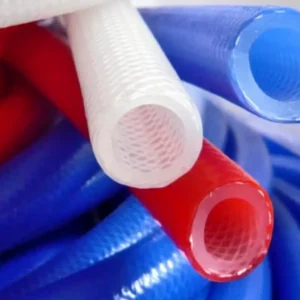
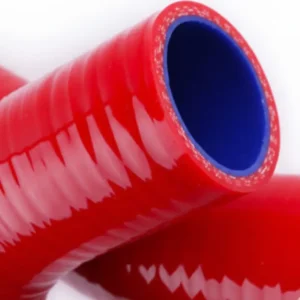
Bending a rubber hose may look simple, but using the wrong method can cause kinks, cracks, or permanent deformation. The correct approach depends on the hose material, diameter, wall thickness, and required bend radius. In this guide, we explain practical methods to bend rubber hoses while maintaining their shape and performance.
Whether you are installing a hydraulic, industrial, or general-purpose rubber hose, proper bending helps ensure reliable fluid flow and longer service life. We will cover preparation, suitable bending techniques, common mistakes, and useful tips. Understanding these steps can help you achieve smooth bends without unnecessarily damaging the hose.
Why Need to Bend Rubber Hoses?
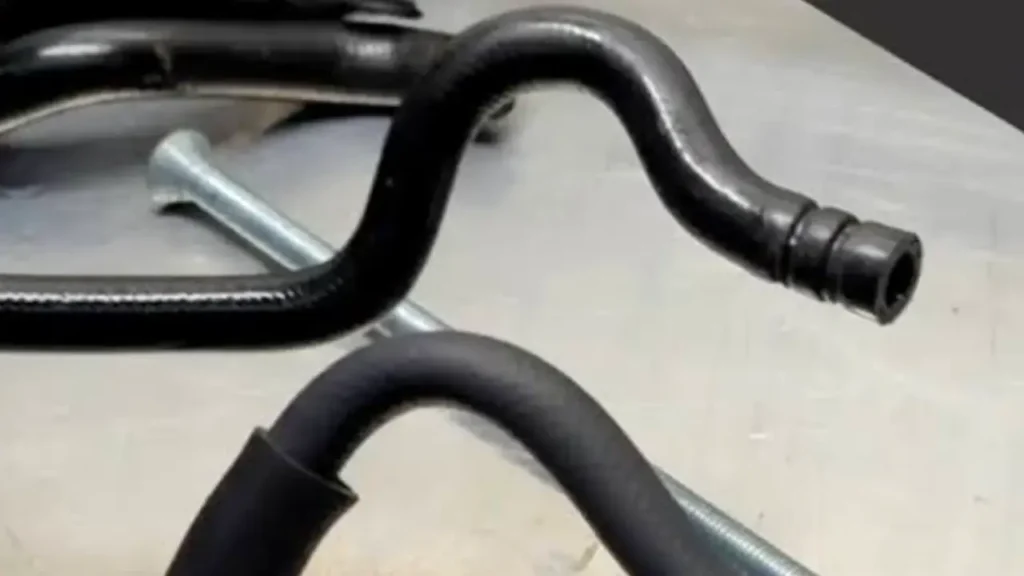
It’s often essential to bend a rubber hose to fit it around various components and obstacles within a system’s layout. Proper bending, adhering to the minimum bend radius, is crucial for both functionality and system longevity, preventing kinking that can otherwise cause major issues.
- Routing Around Obstacles Tight engine bays, factory equipment, and compact hydraulic systems require custom-shaped hoses. Bending allows for effective routing that avoids moving parts and hot surfaces, a critical safety and operational consideration.
- Connecting Misaligned Ports Hoses frequently need to bridge the gap between two ports that are not perfectly in-line with each other. A smooth, intentional bend accommodates this minor misalignment, preventing stress on the hose fittings.
- Accounting for Movement In dynamic systems, hoses must be flexible enough to absorb vibration, pressure pulses, and movement between machine parts. A proper bend provides the necessary slack, reducing mechanical strain and fatigue.
- Ensuring Efficient Flow The most important reason is to prevent kinking, which is a structural collapse that severely restricts fluid passage. Bending correctly maintains the hose’s full internal diameter, ensuring maximum and efficient flow.
How to Bend a Rubber Hose?
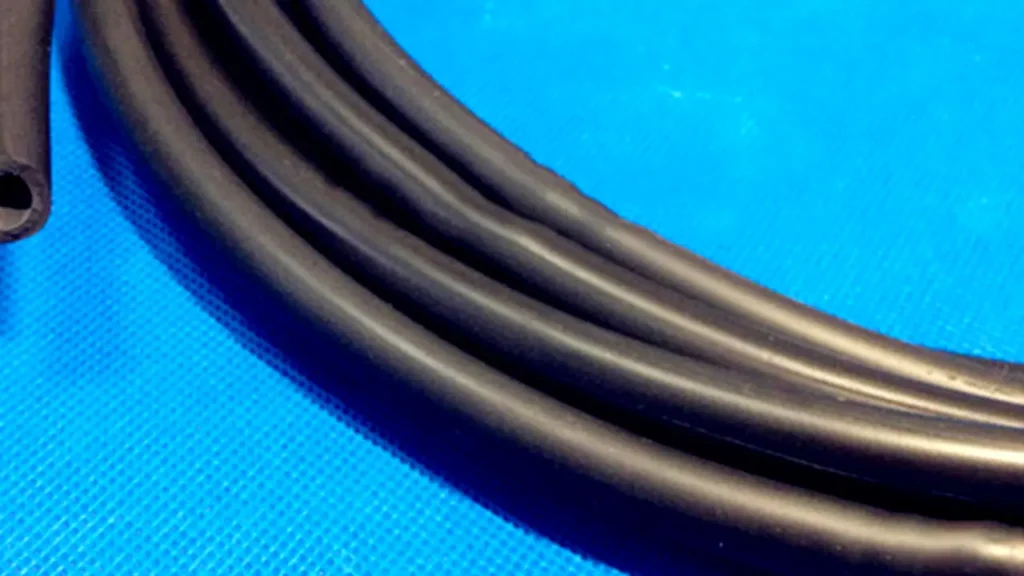
Bending a rubber hose correctly is essential to avoid kinking, which restricts flow and damages the material. We’ll show you safe methods for creating custom bends while maintaining the hose’s full internal diameter and integrity.
Step 1: Determine the Minimum Bend Radius
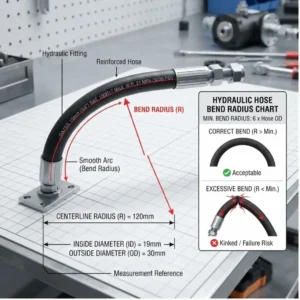
The first crucial step is to know the minimum bend radius specified by the hydraulic hose manufacturer. Bending it tighter than this limit guarantees kinking and structural failure. Use this specification to plan the hydraulic hose’s route, allowing for the widest possible curve to ensure maximum flow and hose longevity.
The minimum bend radius is the smallest curve you can create without damaging the hose’s reinforcing layers or collapsing the inner wall. Consult the hose’s product data sheet; if unavailable, err on the side of a larger, gentler curve, especially for high-pressure or thick-walled rubber hoses.
Step 2: Choose a Bend-Supporting Tool
To prevent the hose from collapsing during the bend, you need an internal or external support. Internal bending springs or tubing benders that fit snugly inside the hose are excellent for smaller diameters. These tools support the inner walls, keeping them round as the force is applied, which is key to avoiding creases.
For larger hoses, or when permanent retention is desired, external supports like heat shrink or a coil guard can be used. A coil guard wraps around the outside of the hose, concentrating the bending force evenly across the surface. This technique prevents the inner wall from pinching closed at the bend’s tightest point.
Step 3: Insert or Apply the Support
If using an internal spring, lightly lubricate it before sliding it completely into the hose, centered at the intended bend location. The spring must be slightly longer than the curve to fully support the area. This support prevents the hose walls from folding inward as tension is applied during the bend.
If using an external coil guard or heat shrink, slide it over the hose and position it precisely over the section that needs shaping. For a heat shrink, apply gentle heat now to secure it, which provides a rigid external shell for better shape control.
Step 4: Apply Gentle Heat (Optional but Recommended)
For a permanent and smoother bend, gently heating the rubber with a heat gun can make the material more pliable. Warm the area to be bent slowly and evenly, rotating the hose for consistent heat distribution. The rubber should be warm and soft to the touch, not hot or smoking, to avoid material damage.
Once the rubber is adequately warm and flexible, use your bend-supporting tool to slowly form the hose to the desired angle. The heat reduces internal stress, allowing the rubber’s molecular structure to set in the new shape once it cools. This thermal shaping helps the bend hold its position long-term.
Step 5: Form the Bend Slowly
With the support tool in place and the hose heated (if applicable), slowly and steadily bend the hose to the required angle. Do not force the bend quickly, as abrupt movement can still cause kinking. For complex shapes, a wire coat hanger or stiff copper wire can be temporarily inserted to guide the final curvature before cooling.
Use a smooth, continuous motion to create the bend, constantly checking to ensure the hose does not flatten or develop creases on the inner radius. The slow bending process allows the rubber material to stretch and compress gradually, distributing stress evenly across the entire curve.
Step 6: Set the Shape and Remove Support
To make the bend permanent, rapidly cool the hose while it is held in its new shape. You can achieve this by submerging the formed section in cold water or an ice bath. The sudden drop in temperature sets the rubber’s shape, locking in the custom curve you just created successfully.
Once the hose is completely cool and firm to the touch, carefully remove the internal bending spring by slowly pulling and twisting it out. If using an external guard, it can remain in place for added abrasion protection. Inspect the bend for any flattening before installation.
How to Bend Rubber Hose Without Kinking?
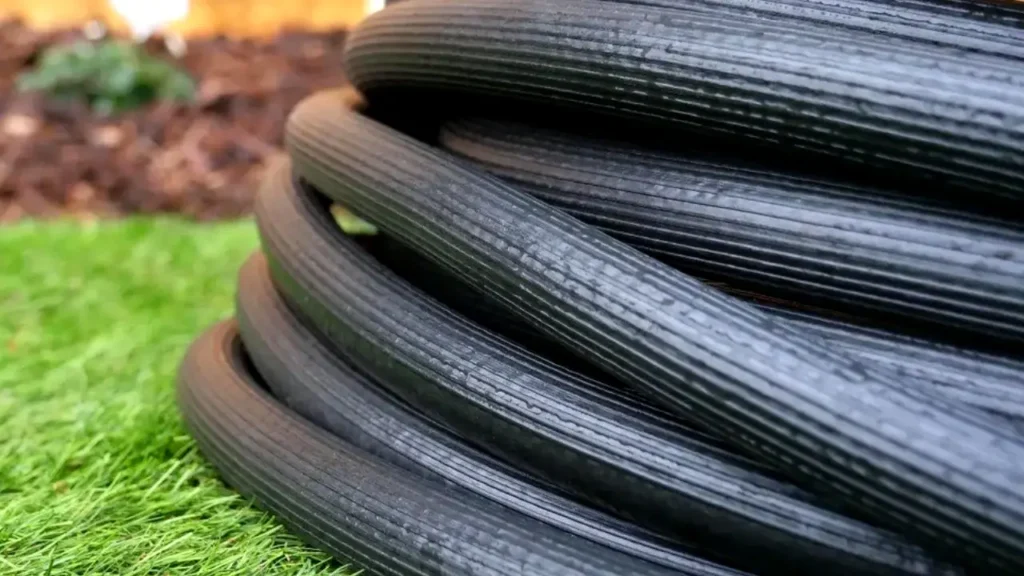
Avoiding a kink is the primary goal when bending a rubber hose, as kinks restrict flow and guarantee hose failure. Kinking occurs when the inner wall collapses. The secret to success lies in providing internal or external support to maintain the hose’s perfectly round shape during the bending process.
- Use an Internal Bending Spring. Insert a flexible bending spring (or mandrel) snugly inside the hose before applying force. This tool acts as an internal support skeleton, preventing the inner wall from pinching or collapsing at the tightest point of the curve, thus ensuring smooth fluid flow.
- Apply Gentle Heat to Increase Pliability. Carefully warming the intended bend area with a heat gun makes the rubber more flexible and easier to shape. The heat temporarily softens the material, reducing the internal stress that causes sudden kinking and allowing the bend to be set more permanently upon cooling.
- Employ a Large Bend Radius. Always check the manufacturer’s specified minimum bend radius and ensure your bend is never tighter than that value. The largest possible, gradual curve minimizes stress on the hose walls and reinforcement layers, virtually eliminating the risk of a flow-restricting kink.
- Form the Bend Slowly and Steadily. Avoid snapping the hose into a bend, as quick force promotes kinking. Apply slow, constant pressure to the hose, allowing the material to deform gradually around the support tool. This controlled method ensures the curve is smooth and maintains the hose’s integrity.
How to Make a Rubber Hose More Flexible?
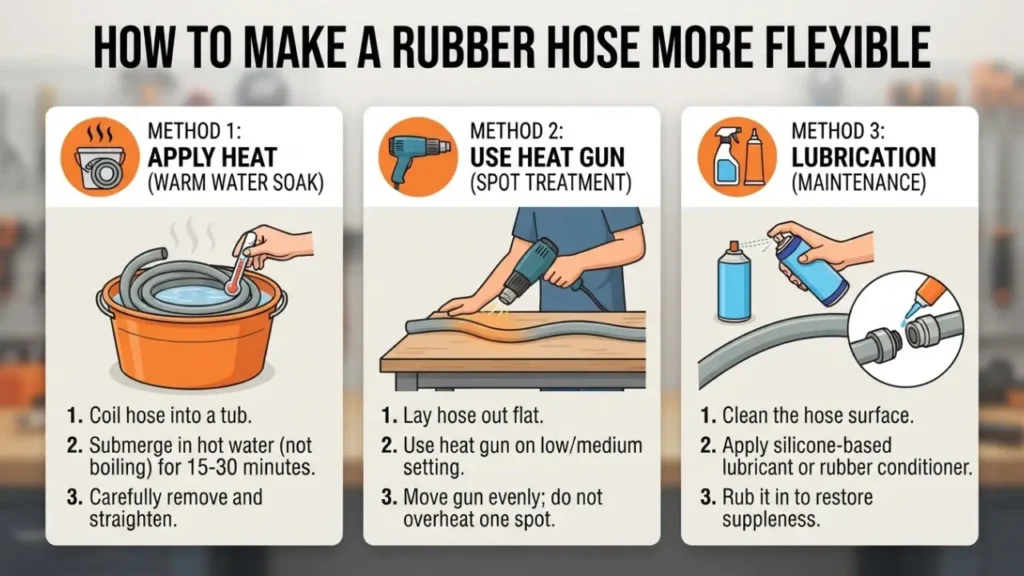
Rubber hoses can become stiff because of low temperatures, aging, material properties, or prolonged storage. We can improve flexibility by using suitable warming methods, proper storage, and the right hose construction. However, excessive heat, sharp bending, or unsuitable chemicals may damage the hose, so the method should match its material and application.
- Warm the Hose: We can gently warm a rubber hose before bending it, especially when cold temperatures make the material stiff. Placing it in a warm environment can improve flexibility gradually. We avoid excessive heat because high temperatures may weaken, deform, or damage the rubber and its reinforcement.
- Use the Correct Hose Material: We can choose a rubber hose made from a naturally flexible compound when flexibility is a priority. Different rubber materials and reinforcement structures provide different levels of flexibility. Selecting the right construction helps us achieve easier routing without forcing the hose beyond its recommended bend radius.
- Store It Properly: We recommend storing rubber hoses in a cool, dry environment away from direct sunlight, ozone sources, and excessive heat. Proper storage helps prevent premature aging and hardening. We also avoid tightly folding or sharply bending hoses during storage to help maintain their original flexibility.
- Apply Gentle Handling: We handle the hose gradually instead of forcing it into a sharp bend. We support the hose along its length and avoid twisting during installation. This approach reduces unnecessary stress on the rubber and reinforcement while helping us achieve a smoother, more controlled bend.
- Choose a Flexible Hose Design: We can select hoses specifically designed for flexible applications, considering diameter, wall construction, reinforcement, and minimum bend radius. A suitable flexible hose reduces installation effort and makes routing easier. We always check the manufacturer’s specifications before bending or modifying the hose.
When to Bend Rubber Hoses?
Knowing when to bend a rubber hose is as important as knowing how to do it. Custom bending is necessary whenever the hose’s path deviates from a straight line, but only under specific design constraints. It is always a better practice to use the largest possible curve.
- Custom Routing in Tight Spaces: When a hose must be threaded around engine components, frame members, or equipment in a compact space, a precise bend is vital. Bending allows the hose to follow the shortest, safest route without rubbing or snagging on adjacent parts.
- Bridging Component Misalignment: A controlled bend is required when connecting two fixed ports that are slightly offset or at different angles. This bend absorbs the necessary geometric difference, preventing strain on the hose ends and reducing the risk of premature fitting failure.
- Allowing for Dynamic Movement: Hoses attached to moving cylinders or vibrating equipment need a specific amount of slack, often achieved with a smooth bend. This curvature accommodates the changes in length and position under pressure, reducing stress fatigue and impulse damage.
- Optimizing System Aesthetics: In applications where a clean, professional look is desired, such as in high-performance vehicles or exposed machinery, bending helps organize the hoses. Custom bends create parallel lines, improving both the visual layout and accessibility for maintenance checks.
Why Choose Our Rubber Hoses?
Our rubber hoses are engineered for durability, flexibility, and reliable performance in a variety of industrial and commercial applications. Designed to withstand pressure, abrasion, and environmental challenges, they ensure safety and efficiency while reducing maintenance needs, making them a trusted choice for professionals.
- Durable Materials: Made from premium rubber compounds, our hoses resist wear, cracking, and environmental damage. Each layer is carefully designed to maintain strength and flexibility under heavy use, ensuring long-term reliability and minimizing replacement costs for demanding applications.
- Flexible Design: Our hoses are highly flexible, allowing easy installation and movement in tight spaces. The flexibility also reduces stress on connections, preventing leaks and enhancing overall system performance in dynamic and static environments alike.
- High Pressure Resistance: Built to handle high-pressure operations, our hoses maintain integrity under extreme conditions. They undergo rigorous testing to ensure they meet safety standards, providing peace of mind for industrial and commercial users who rely on consistent performance.
- Wide Applications: Suitable for air, water, oil, and hydraulic systems, our hoses adapt to diverse industrial needs. Their compatibility with various fittings and systems makes them a go-to solution for construction, manufacturing, automotive, and agricultural applications.
- Low Maintenance: Designed for durability and reliability, our hoses require minimal upkeep. Resistant to abrasion, chemicals, and weathering, they save time and costs by reducing the frequency of replacements and maintenance checks.
Conclusion
Bending a rubber hose correctly requires attention to its material, diameter, flexibility, and minimum bend radius. We recommend choosing a suitable bending method and avoiding excessive force or sharp bends. Proper handling helps prevent kinks, cracks, flattening, and other damage that may affect the hose during operation.
Before bending, we suggest checking the hose specifications and preparing the necessary tools. Keep the bend smooth and gradual, and make sure the hose does not twist during installation. If the hose shows signs of damage, deformation, or excessive resistance, we recommend stopping the process and checking whether another hose specification is more suitable.
If you need reliable rubber hoses for your application, we can provide different sizes, materials, and specifications to meet your requirements. We support wholesale orders for various industrial and commercial uses. Contact us to discuss your needs and get wholesale rubber hoses from our Gushan Rubber for your projects.