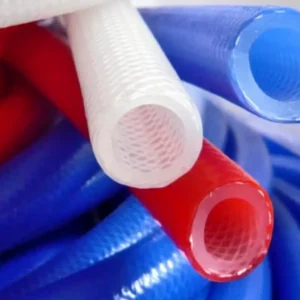
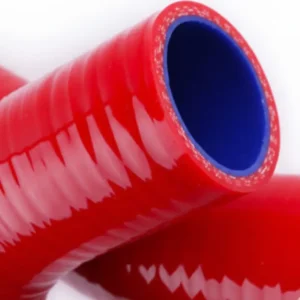
Hydraulic hoses are critical components in various machinery, transporting pressurized fluid to different parts. Ensuring these hoses remain intact and undamaged is essential for safe operation and long-term durability. One common issue is pinching, which can lead to leaks, pressure loss, and even complete hose failure.
Preventing hydraulic hoses from getting pinched requires awareness of both the environment and handling practices. Whether you’re using hoses for industrial or construction purposes, proper installation, regular maintenance, and careful routing can significantly reduce the risk of damage. In this blog, we’ll explore effective strategies to keep your hydraulic hoses safe from pinching.
What are Pinching Hydraulic Hoses?
Pinching hydraulic hoses occurs when they are compressed or bent too tightly, restricting fluid flow or damaging the hose structure.
This can lead to leaks, pressure loss, or hose rupture. Pinched hoses often result from improper installation, wear and tear, or external pressure. This damage compromises the system’s efficiency and safety, requiring immediate attention and repair.
Why Does a Hydraulic Hose Get Pinched?
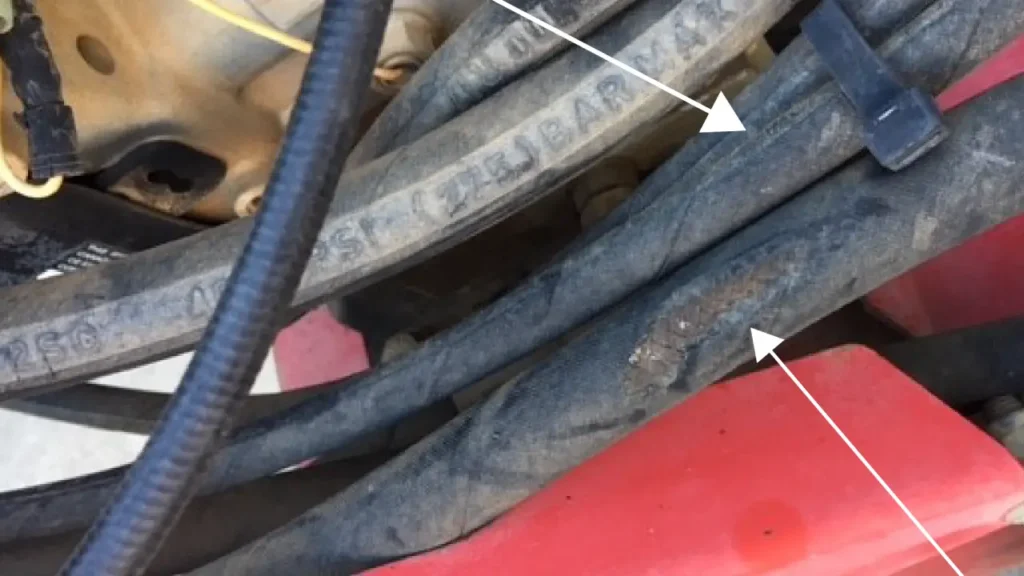
Hydraulic hoses can get pinched due to a variety of factors that occur during installation, operation, or environmental exposure. Pinching compromises the hose’s integrity and can lead to system failures.
Here are some common reasons why hydraulic hoses get pinched:
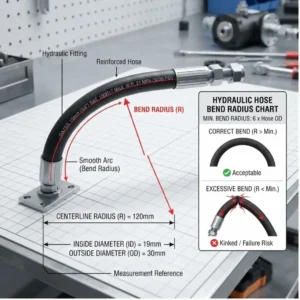
- Improper Installation: When hydraulic hoses are installed incorrectly, they may be routed too tightly or bent at sharp angles, increasing the risk of pinching, causing fluid flow restrictions, pressure loss, or even rupture. Ensuring proper hose installation with the right bend radius helps avoid this issue.
- External Pressure or Impact: External forces like heavy equipment or moving parts can put pressure on hydraulic hoses, leading to pinching. If hoses are not properly supported or shielded, they can be pinched between machinery, causing damage. Installing protective guards can reduce this risk and protect hoses from impact.
- Incorrect Hose Routing: If hoses are routed through spaces where they may come into contact with edges, surfaces, or other components, pinching can occur. Careful planning and proper spacing ensure hoses are not bent or compressed by adjacent parts, preserving their function and preventing damage.
- Wear and Tear: Over time, hydraulic hoses may experience wear due to constant movement, friction, or exposure to harsh conditions, weakening the hose or making it more susceptible to pinching. Regular inspections and timely replacements can help maintain hose integrity and prevent failure.
- Lack of Maintenance: Without routine maintenance and inspection, hoses may become misaligned or improperly adjusted, leading to pinching, especially in high-motion areas. Regular maintenance, including re-routing or replacing hoses as needed, ensures their continued safe operation and reduces the risk of pinching.
Risks of Pinched Hydraulic Hoses
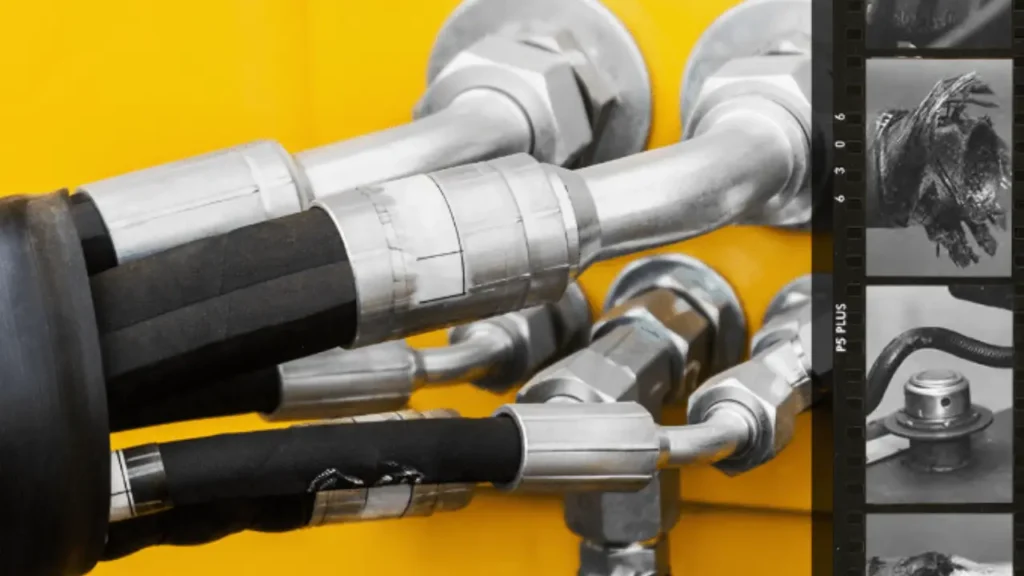
Pinched hydraulic hoses can lead to a range of serious risks, including reduced fluid flow, pressure loss, and potential system failure. Over time, pinching can weaken the hose material, leading to leaks or bursts.
These issues compromise equipment performance and safety, resulting in costly repairs and downtime.
1. Hydraulic Fluid Leaks:
- System Failure: A pinched hose can cause a leak, leading to a loss of hydraulic fluid and compromising the system’s ability to function.
- Contamination: Leaked hydraulic fluid can contaminate the work environment, posing health and safety risks.
2. Hose Damage:
- Structural Integrity: Constant pinching can weaken the hose’s structural integrity, making it more susceptible to failure.
- Reduced Lifespan: Pinching can accelerate the aging process of the hose, leading to premature failure.
3. Equipment Damage:
- Malfunction: A pinched hose can cause erratic equipment operation, leading to reduced efficiency and potential damage to other components.
- Catastrophic Failure: In severe cases, a pinched hose can burst, causing significant damage to the equipment and potentially injuring personnel.
4. Personal Injury:
- High-Pressure Fluid Injection: Pinched hoses can release high-pressure fluid with considerable force, potentially causing serious injuries.
- Electrical Shock: If hydraulic fluid comes into contact with electrical components, it can lead to electrical shock.
To mitigate these risks, it’s crucial to implement preventive measures, such as proper hose routing, regular inspections, and using protective covers or guards to prevent pinching.
How to Keep Hydraulic Hoses From Getting Pinched
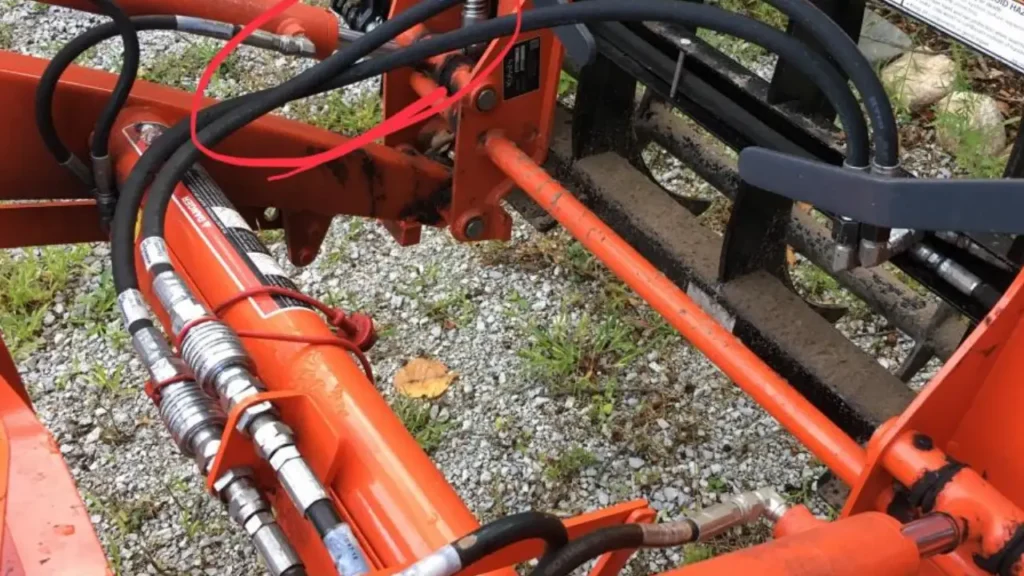
To ensure the longevity and optimal performance of your hydraulic system, it’s crucial to implement effective strategies to prevent hydraulic hose pinching.
1. Proper Hose Routing
- Avoid Sharp Bends: Excessive bending can weaken the hose’s structure, leading to premature failure. Maintain a gentle curve to minimize stress on the hose.
- Secure Routing: Use hose clamps or straps to secure the hose to the equipment, preventing it from moving and getting caught on sharp edges or other components.
- Sufficient Clearance: Ensure there is adequate clearance between the hose and other components to minimize the risk of pinching. Avoid routing hoses near moving parts or areas with high vibration.
2. Regular Hose Inspections
- Visual Inspection: Conduct regular visual inspections to identify any signs of wear, damage, cracks, or cuts on the hose.
- Fluid Leaks: Monitor for any leaks, which may indicate a potential pinch point or internal damage.
- Protective Covers: Inspect the protective covers or guards to ensure they are in good condition and properly secured. Replace any damaged or worn-out covers.
3. Protective Covers and Guards
- Custom-Made Hydraulic Hose Covers: Use custom-made covers specifically designed to protect hoses in high-risk areas, such as those exposed to extreme temperatures, chemicals, or physical impact.
- Cable Ties: Secure hoses to fixed points using cable ties to prevent movement and reduce the risk of pinching.
- Trunking: Enclose hoses in protective trunking to shield them from damage, debris, and accidental impact.
4. Temperature Management
- Heat Protection: Use heat-resistant materials or coatings to protect hoses from high temperatures. Avoid routing hoses near heat sources like engines or exhaust systems.
- Cold Weather Protection: Consider using insulated hoses or protective coverings in cold environments to prevent the hose from becoming stiff and brittle, making it more susceptible to damage.
5. Proper Hydraulic Hose Installation
- Qualified Technicians: Ensure that hydraulic hoses are installed by qualified technicians who understand the importance of proper routing and securing.
- Manufacturer‘s Guidelines: Adhere to the manufacturer‘s guidelines for installation, including bending radii, support intervals, and fitting torque specifications.
- Avoid Overtightening: Overtightening fittings can damage the hose and increase the risk of leaks.
By implementing these preventive measures and conducting regular inspections, you can significantly reduce the risk of pinched hydraulic hoses, ensuring the safety, reliability, and efficiency of your hydraulic system.
How to Choose Suitable Hydraulic Hoses?
When choosing suitable hydraulic hoses, it’s essential to consider several factors to ensure optimal performance and longevity. The right hose can significantly impact your equipment’s efficiency and safety.
Here are some key considerations to help you select the best hydraulic hoses for your needs:
- Pressure Rating: Ensure the hose is rated for the maximum pressure your system will experience. Choosing a hose with a pressure rating higher than required ensures safety and prevents premature failure, maintaining fluid flow and preventing hose bursts.
- Temperature Range: Hydraulic hoses need to perform reliably under varying temperature conditions. Consider both high and low temperature extremes to prevent material degradation or cracking in freezing conditions, ensuring optimal operation in diverse environments.
- Material Compatibility: The hose material should be compatible with the fluids it will carry. Incorrect material choice can cause the hose to degrade quickly or lead to leaks, so select a hose that matches the chemical composition and viscosity of the fluid.
- Bend Radius: Consider the minimum bend radius to avoid kinking or restricting flow capacity. Tight bends can damage the hose and restrict fluid movement, so a larger bend radius ensures smoother flow and reduces the chance of hose damage over time.
- Durability and Abrasion Resistance: For hoses used in harsh environments, look for those with abrasion-resistant layers or covers. These are designed to withstand wear from friction, UV exposure, and impacts, ensuring extended hose life and reduced maintenance costs.
Conclusion
Preventing hydraulic hose pinching is essential to maintain the efficiency and longevity of your equipment. By following proper installation techniques, ensuring clear hose routing, and performing regular inspections, you can avoid common pitfalls and keep your machinery running smoothly.
Additionally, investing in high-quality hydraulic hoses and components plays a significant role in minimizing the risk of damage. Always ensure that your hoses are compatible with your system’s pressure requirements and operating conditions to avoid unnecessary strain.
If you’re looking for reliable and durable hydraulic hoses, Gushan Rubber offers wholesale options tailored to meet your specific needs. Reach out to us today for premium hydraulic hoses designed to enhance your equipment’s performance and durability.