Releasing pressure from a hydraulic hose is an essential safety procedure in any hydraulic system. Trapped pressure can remain even after shutdown, creating serious risks during maintenance or disconnection. Understanding the correct method helps prevent accidents, equipment damage, and fluid leaks while ensuring smooth and controlled handling of hydraulic components.
Whether you are working in construction, agriculture, or industrial machinery, knowing how to safely release hydraulic pressure is a key skill. A proper process ensures system stability, protects operators, and extends equipment life. Following structured steps reduces uncertainty and makes hydraulic maintenance safer, more efficient, and more predictable in demanding work environments.
How to Release Pressure from a Hydraulic Hose?
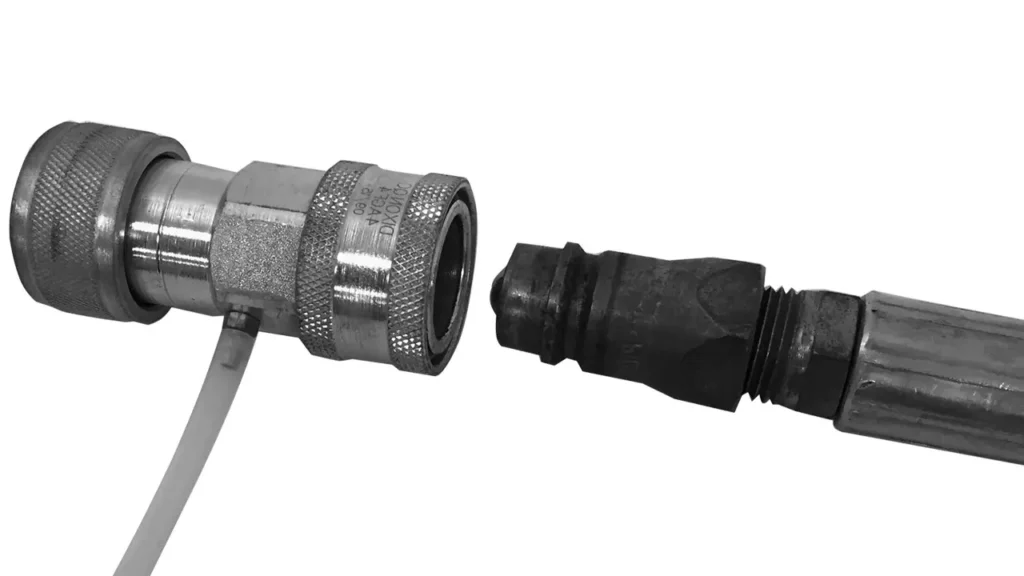
Releasing pressure from a hydraulic hose is a critical safety procedure that prevents sudden fluid discharge, equipment damage, and serious injury. Hydraulic systems can retain trapped energy even when shut off.
Following a controlled step-by-step process ensures pressure is safely discharged, allowing maintenance or disconnection to be performed without unnecessary risk or complications.
Step 1: Shut Down the Hydraulic System
Tools Needed:
- Safety gloves
- Protective eyewear
- System manual
Begin by turning off the hydraulic system completely and isolating the power source. This prevents accidental activation while you work on the hose. Make sure all moving parts have come to a full stop before proceeding. Lockout and tagout procedures should be applied whenever possible to eliminate unexpected startup risks.
Double-check that the system is fully de-energized and no auxiliary power sources remain active. Even small residual movements can indicate stored pressure or incomplete shutdown. Taking time to confirm system inactivity reduces the chance of sudden hydraulic release and ensures a safer working environment before moving to the next step.
Step 2: Locate the Pressure Release Valve
Identify the pressure release or bleed valve, which is usually positioned near the pump, control block, or hydraulic manifold. This valve is specifically designed to safely discharge trapped pressure from the system. Knowing its exact location before starting work helps avoid confusion and prevents accidental handling of incorrect components.
Refer to the equipment manual or system diagram if the valve is not immediately visible. Different machines may have varied layouts, so proper identification is essential. Understanding how the valve connects to the system ensures you can proceed confidently and avoid damaging sensitive hydraulic components during pressure release.
Step 3: Slowly Open the Release Valve
Carefully begin opening the pressure release valve in a slow and controlled manner. This allows hydraulic fluid and trapped pressure to return gradually to the reservoir. A slow release prevents sudden fluid spray, pressure shock, or system instability, which could otherwise cause injury or equipment damage.
Maintain steady control while monitoring the system’s response as pressure decreases. Avoid fully opening the valve too quickly, as this can create uncontrolled flow. The goal is to ensure a smooth reduction of internal pressure, allowing the system to stabilize safely before any further handling or disconnection takes place.
Step 4: Check Pressure Gauge Reading
Observe the system pressure gauge closely during the release process. The reading should gradually drop as pressure is discharged. This step confirms whether trapped energy is being properly relieved. Never rely on timing or assumption alone, as residual pressure may still exist even after valve operation.
Wait until the gauge shows zero or a safe baseline level before proceeding. If the reading does not drop as expected, recheck the valve and system condition. Ensuring accurate pressure confirmation is essential to prevent accidental discharge and maintain safe working conditions throughout the maintenance process.
Step 5: Disconnect Hose Safely
Once pressure is confirmed to be fully released, begin disconnecting the hydraulic hose carefully from its fittings. Use proper tools to avoid strain or sudden movement. Maintain a firm grip and controlled motion, as even small amounts of residual pressure can still cause unexpected fluid leakage.
Inspect the connection point while disconnecting to ensure no remaining pressure or fluid buildup exists. Place protective containers if needed to catch minor leakage. Proper disconnection technique reduces contamination risk, protects components, and ensures the hydraulic system is safely prepared for inspection, repair, or replacement work.
Hydraulic Hose Pressure Release Tools
Hydraulic hose pressure release tools are designed to safely and efficiently release residual pressure from hydraulic hoses and couplings. These tools are essential for preventing accidents and injuries during maintenance, repair, or disconnection of hydraulic systems.
Types of Pressure Release Tools
Manual Pressure Release Tools:
- Poppet-Style Tools: These tools are designed to engage the poppet valve in a hydraulic coupling, allowing the pressure to be released.
- Screw-Type Tools: These tools use a screw mechanism to gradually release pressure from the coupling.
- Lever-Action Tools: These tools utilize a lever to actuate a mechanism that releases the pressure.
Hydraulic Pressure Release Tools:
These hydraulic hose tools use hydraulic power to release pressure from high-pressure hydraulic systems. They are often used in industrial settings where high-pressure hoses are common.
Key Considerations When Choosing a Pressure Release Tool:
- Compatibility: Ensure the tool is compatible with the type of hydraulic coupling you are working with.
- Safety: The tool should have safety features to prevent accidental activation and protect the user from injury.
- Durability: The tool should be made of high-quality materials to withstand the rigors of use.
- Ease of Use: The tool should be easy to operate and maintain.
Always follow the hydraulic hose manufacturer‘s instructions when using a hydraulic hose pressure release tool.
By using the appropriate pressure release tool, you can safely and efficiently work on your hydraulic system, minimizing the risk of accidents and injuries.
Hydraulic Hose Quick Release Couplings
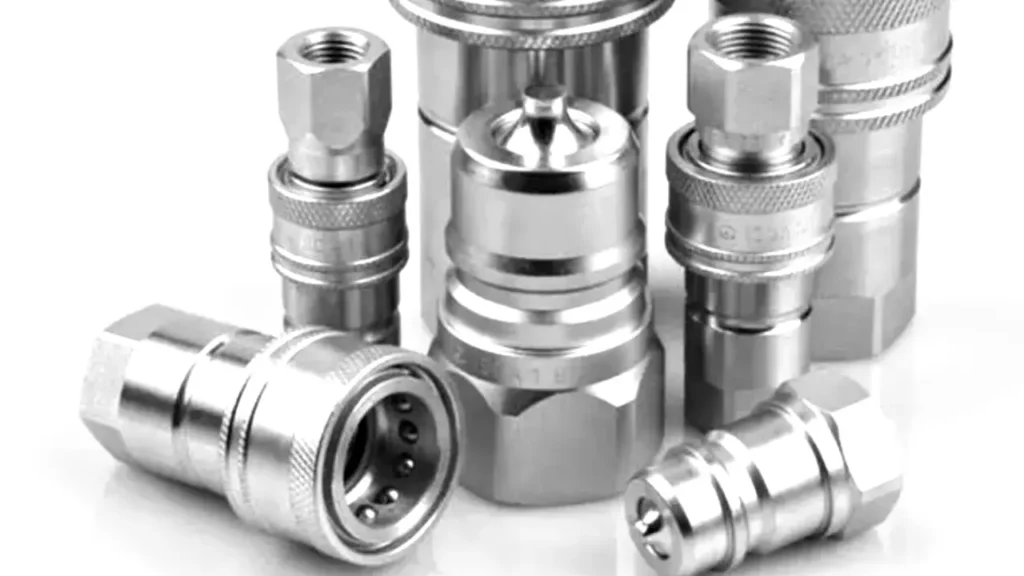
Hydraulic hose quick release couplings are essential components in many industries, enabling fast and efficient connections and disconnections of hydraulic hoses. These hydraulic hose quick couplings streamline operations, reduce downtime, and enhance safety.
How Hydraulic Hose Quick Release Couplings Work?
A typical quick release coupling consists of two main parts: the coupler and the nipple. To connect the two:
- Alignment: The coupler and nipple are aligned.
- Connection: The coupler is pushed onto the nipple, engaging a locking mechanism.
- Seal: A seal is formed between the two parts, preventing fluid leakage.
To disconnect, a simple release mechanism is activated, usually by pulling a lever or pushing a button.
Types of Quick Release Couplings
- Flat-Face Couplings: Designed for quick and easy connection and disconnection. Ideal for low-pressure applications.
- Ball Lock Couplings: Provide a secure connection, even under high pressure. Commonly used in heavy-duty applications.
- Poppet Valve Couplings: Prevent fluid leakage during disconnection, ensuring safety. Ideal for applications where fluid containment is critical.
Key Considerations for Selection
- Pressure Rating: Ensure the coupling can withstand the maximum pressure of your hydraulic system.
- Flow Rate: Choose a coupling with a sufficient flow capacity to meet your application’s requirements.
- Material Compatibility: Select a coupling made of materials compatible with your hydraulic fluid.
- Environmental Factors: Consider the operating environment, such as temperature and exposure to contaminants.
- Ease of Use: A user-friendly design can significantly improve efficiency.
- Safety Features: Look for couplings with safety features like automatic shutoff valves to prevent accidental fluid release.
Benefits of Using Quick Release Couplings
Quick release couplings are essential components in hydraulic systems, allowing fast, safe, and efficient connection and disconnection of fluid lines. They help reduce downtime, improve operational safety, and simplify maintenance tasks. Widely used in industrial, agricultural, and construction applications, these couplings enhance system flexibility while minimizing fluid loss and contamination risks during hose handling and replacement.
- Faster Connection and Disconnection: quick release couplings significantly reduce the time required to connect or disconnect hydraulic lines. this improves workflow efficiency, especially in systems requiring frequent hose changes. operators can complete maintenance or equipment switching quickly without tools, reducing downtime and keeping operations running smoothly in demanding environments.
- Improved Safety During Maintenance: these couplings minimize the risk of accidental fluid release by allowing controlled disconnection. built-in safety mechanisms prevent sudden pressure discharge, protecting operators from injury. this makes maintenance tasks safer and more predictable, especially in high-pressure hydraulic systems where safety is a critical operational requirement.
- Reduced Hydraulic Fluid Loss: quick release couplings are designed to minimize leakage during connection and disconnection. this helps conserve hydraulic fluid, reduces environmental contamination, and lowers operating costs. by preventing spillage, they also maintain system cleanliness, which is essential for long-term equipment performance and reliability in hydraulic applications.
- Enhanced System Flexibility: these couplings allow hydraulic systems to be easily reconfigured or adapted for different tasks. equipment can be switched between tools or attachments without complex procedures. this flexibility supports multi-purpose machinery use, making operations more efficient and adaptable in industries such as construction, agriculture, and manufacturing.
- Extended Equipment Lifespan: by reducing wear on hoses and fittings during frequent connections, quick release couplings help extend the lifespan of hydraulic components. less mechanical stress means fewer failures and reduced maintenance costs. this contributes to more stable system performance and long-term durability in demanding working conditions.
Conclusion
Properly releasing pressure from a hydraulic hose is not just a maintenance task but a critical safety requirement. It ensures that stored energy is safely discharged before any disassembly or repair work begins. Ignoring this process can lead to serious injuries, equipment failure, and costly downtime across hydraulic systems.
By following correct shutdown procedures, identifying release points, and verifying pressure levels, operators can significantly reduce operational risks. Consistent practice of these steps improves workplace safety and system reliability. It also helps maintain hydraulic performance, ensuring smoother operation and longer service life for hoses and connected components in all applications.
For reliable hydraulic performance, choosing hydraulic hoses is just as important as proper handling. Gushan Rubber offers durable and dependable wholesale hydraulic hoses designed for various industrial needs. With strong pressure resistance and stable performance, our products support safer systems, reduce maintenance issues, and provide long-term value for your hydraulic operations.