Measuring a hydraulic hose accurately is essential to ensure that it fits your hydraulic system perfectly. Proper measurements guarantee that the hose can handle the required fluid pressure, flow, and environmental conditions without compromising performance. Knowing how to measure the length, diameter, and fittings will ensure an efficient and reliable operation.
Inaccurate hose measurements can lead to issues such as leaks, reduced system performance, or even hose failure. By following the correct measurement steps, you can avoid costly repairs and ensure the longevity of your equipment. This guide will walk you through the essential steps to accurately measure a hydraulic hose for your specific needs.
What Hydraulic Hose Size Includes

The size of a hydraulic hose plays a crucial role in determining its efficiency and compatibility with your system. It includes multiple measurements that ensure a proper fit and safe operation. Hydraulic hose size typically includes the following key factors:
- Internal Diameter (ID): The internal diameter determines how much fluid the hose can transport, directly affecting the pressure and efficiency of the system. A correctly sized ID ensures smooth fluid flow without restrictions, maintaining system performance.
- External Diameter (OD): The external diameter is important for ensuring that the hose fits properly with fittings and connectors. It also impacts the hose’s ability to withstand external pressure and potential abrasion while fitting into tight spaces without kinks.
- Working Pressure: This refers to the maximum pressure the hose can safely withstand during operation. The working pressure must meet or exceed the system’s pressure requirements to avoid hose failure, leaks, or burst risks under high-pressure conditions.
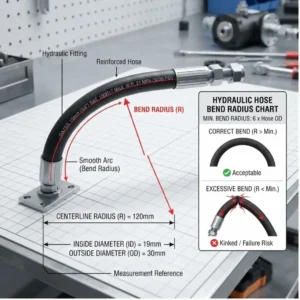
- Bend Radius: The bend radius specifies the smallest allowable curve the hose can make without affecting performance. A larger bend radius prevents damage to the hose structure, ensuring smooth fluid flow and preventing wear or kinking when routed around equipment or corners.
- Length: The length of the hose ensures it can reach from one component to another in the hydraulic system without being too long or too short. The correct length prevents unnecessary tension or slack, reducing wear and maintaining the system’s overall efficiency.
Hydraulic Hose Length Formula
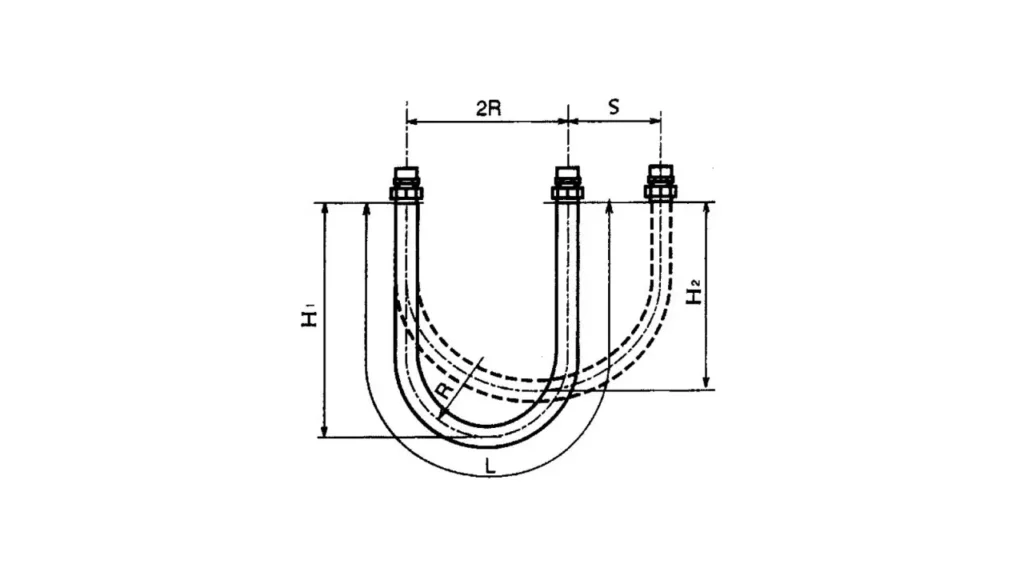
Unfortunately, there isn’t a single, universal formula to calculate the exact length of a hydraulic hose. This is because many factors influence the final hydraulic hose length, such as the hydraulic hose routing, the number and type of fittings, and the amount of flex or bend radius in the hydraulic hose.
However, you can estimate the required hose length by following these steps:
- Measure the straight-line distance: This is the shortest distance between the two connection points.
- Account for bends and curves: Add additional length for each bend or curve. The amount of additional length depends on the radius of the bend.
- Consider fitting lengths: Add the length of the fittings on both ends of the hose.
- Allow for extra length: It’s always a good practice to add some extra length to account for potential routing changes or future modifications.
While there isn’t a specific formula, many hydraulic hose manufacturers and suppliers offer tools and calculators to assist in estimating hose length. These tools often consider factors like hose type, bend radius, and fitting configurations.
It’s highly recommended to consult with our hydraulic hose specialist or engineer to accurately determine the required hydraulic hose length for your specific application. We can provide expert advice and help you select the right hose and fittings.
How to Measure Hydraulic Hose?
Measuring a hydraulic hose accurately is essential to ensure proper fit and function within a hydraulic system. Whether you’re replacing an old hose or installing a new one, precise measurements help prevent leaks, inefficiencies, and system failures.
Follow these five steps to measure the hose’s length, diameter, and fittings correctly, ensuring a secure and reliable hydraulic connection.
Step 1: Gather Necessary Tools
Tools Needed:
- Measuring tape
- Caliper
- Hose cutter
Before you start measuring the hydraulic hose, gather the necessary tools to ensure accuracy. A measuring tape will help determine the length, while a caliper is essential for measuring the internal and external diameters. A hose cutter will also be useful for trimming the hose once it’s properly measured.
Step 2: Measure the Hose Length
Using a measuring tape, measure the hose along its centerline from one fitting to the other. Be sure to account for any curves or bends in the hose, as these will affect its actual length. Start measuring from the base of the fitting, not from the tip, for more accuracy.
When measuring, it’s important to keep the hose straight and taut. Any slack or excessive bend could result in inaccurate measurements. Record the length, allowing for any fitting or connector space that may be required. This ensures you purchase the right hose length to fit the application.
Step 3: Measure the Internal Diameter
Using a caliper, measure the internal diameter of the hose. The internal diameter is crucial for determining how much fluid can flow through the hose. If the hose is too narrow, it may restrict flow, while too wide a diameter could cause inefficiency.
Place the caliper inside the hose and measure the diameter at its widest point. Ensure that you’re measuring the inside, as this is what determines fluid flow. Be sure to measure multiple points to confirm the diameter is consistent throughout the hose’s length, especially if the hose is not uniform.
Step 4: Measure the External Diameter
Next, measure the external diameter using the caliper. This is essential for selecting the correct fittings, as the external diameter determines how well the hose will fit with the connectors. Ensure the hose is in its natural, relaxed position when measuring to avoid distortion.
The external diameter also impacts the hose’s durability. A larger external diameter usually indicates a thicker, more durable hose. Measure the hose in a few different spots to ensure there are no bulges or irregularities that could affect the fit or functionality.
Step 5: Measure the Fittings
To complete the measurement, check the fittings at both ends of the hose. Measure the fitting thread size, type, and length to ensure they match the hydraulic system. This step is crucial for preventing leaks and ensuring a secure connection.
Use a caliper to measure the internal and external dimensions of the fitting. Verify the fitting type—whether it’s male or female—and check the thread pitch. Ensuring that the fittings are compatible with the hose and the system is essential for proper assembly and long-lasting performance.
Tips for Accurate Hydraulic Hose Measurement:
- Clean the Hose: Remove any dirt, grease, or debris that may interfere with the measurements.
- Use a Reliable Measuring Tool: Ensure your measuring tools are calibrated and accurate.
- Double-Check Measurements: Take multiple measurements to verify accuracy.
- Consult a Specialist: If you’re unsure about any aspect of the measurement process, consult a hydraulic specialist.
By following these steps and considering the additional tips, you can accurately measure your hydraulic hose and select the correct replacement.
Hydraulic Hose Length Calculator
In today’s fast-paced manufacturing environment, precision and efficiency are paramount. As a leading hydraulic hose manufacturer, we understand the importance of accurate production and inventory management. That’s why we’ve implemented an automatic hydraulic hose length calculator to streamline our operations and ensure optimal output.
How Our Calculator Works:
- Real-time Data: Our calculator continuously collects data from our production lines, including the start and stop times of each hose production run.
- Accurate Length Measurement: By analyzing the production speed and duration of each run, we can precisely calculate the length of hydraulic hose produced.
- Inventory Management: The calculated lengths are automatically integrated into our inventory system, providing real-time updates on stock levels.
- Quality Control: The calculator also helps us monitor production quality by identifying any deviations from standard length specifications.
Benefits of Our Automatic Hydraulic Hose Length Calculator:
- Improved Accuracy: Reduces errors in length measurement, ensuring precise production.
- Enhanced Efficiency: Streamlines production processes and minimizes downtime.
- Optimized Inventory: Accurate inventory data prevents stockouts and overstocking.
- Enhanced Quality Control: Identifies potential quality issues early on.
- Cost Savings: Reduces waste and minimizes production costs.
By leveraging advanced technology, we’re committed to delivering high-quality hydraulic hoses and exceptional customer service. Contact us today to learn more about our products and services.
Conclusion
Accurate measurement of hydraulic hoses is key to preventing future operational issues and ensuring the safety and reliability of your hydraulic systems. Whether you’re replacing an old hose or setting up a new system, taking the time to measure correctly can help prevent common problems such as leaks or flow restrictions.
At Gushan Rubber, we provide a wide range of wholesale hydraulic hoses that are manufactured to meet international standards. Our hoses are durable, efficient, and tailored to handle a variety of hydraulic applications, ensuring that your systems run smoothly and effectively.
If you’re looking for reliable hydraulic hoses, Gushan Rubber offers competitive pricing and excellent customer service. We can help you select the right hoses for your needs, providing custom options to fit any hydraulic system. Contact us today to learn more about our products and receive the best deals on wholesale hydraulic hoses.