When purchasing hydraulic hoses for industrial applications, understanding the cost factors is crucial to making an informed decision. Prices can vary widely depending on the type, material, size, and pressure rating of the hose. Knowing these factors will help you select the right hose that meets your needs and budget.
In this blog, we’ll explore the key considerations that impact the cost of hydraulic hoses. From the specific materials used to the required certifications for high-pressure systems, understanding these elements will help you make the best purchase decision, ensuring both performance and cost-efficiency for your hydraulic system.
How Much Are Hydraulic Hoses
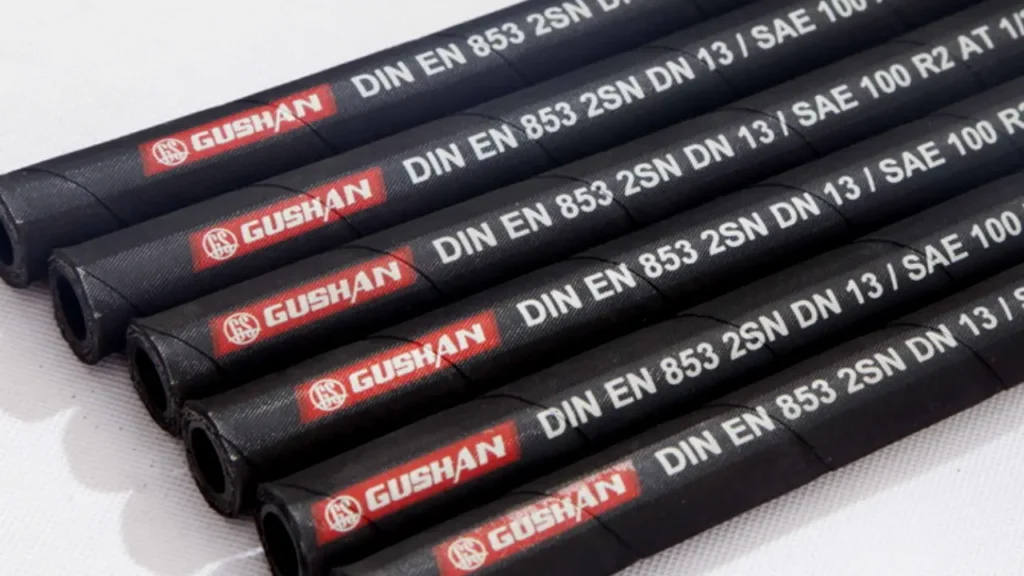
The cost of hydraulic hoses varies depending on several factors, such as the material, size, pressure rating, and the manufacturer. Understanding these elements can help you estimate the price more accurately and make a well-informed purchase.
Here are key factors that influence the price of hydraulic hoses:
- Material Type: The material used in hydraulic hoses significantly impacts their cost. Rubber hoses tend to be more affordable, while hoses made from specialized materials, like thermoplastic or steel-braided hoses, often come at a higher price. These materials offer different levels of durability and flexibility, which can affect the overall price.
- Size and Length: The diameter and length of the hydraulic hose are key factors in pricing. Larger hoses or longer lengths require more raw materials, increasing their cost. Additionally, hoses with greater diameters are capable of handling higher flow rates, which also affects the overall price depending on your system’s needs.
- Pressure Rating: Hydraulic hoses are designed to handle varying pressure levels, with higher pressure ratings generally resulting in higher costs. If your system operates under high pressure, you will need hoses built to withstand that pressure, which usually means a higher price for more durable, high-performance hoses.
- Fittings and Customization: The type of fittings and customizations required for the hose can influence its price. Customized hoses with specialized fittings or additional features, such as abrasion resistance or heat resistance, often come at a premium. Standard hoses with universal fittings are generally less expensive than custom-configured hoses.
- Manufacturer and Certification: Different manufacturers offer varying price points based on the quality of their products and the certifications they hold. Hoses certified for specific applications (e.g., high-pressure, high-temperature) or made by reputable hydraulic hose manufacturers tend to cost more due to their superior quality and compliance with industry standards.
Here are some factors influencing the hydraulic hose cost:
| Factor | Impact on Cost |
|---|---|
| Material | Rubber hoses are generally more affordable, while thermoplastic and wire braid hoses are more expensive. |
| Size and Length | Larger diameter and longer hoses typically cost more due to increased material usage and manufacturing complexity. |
| Pressure Rating | Higher pressure ratings require stronger materials and construction, leading to higher costs. |
| Temperature Range | Hoses designed for extreme temperatures require specialized materials and manufacturing processes, increasing the cost. |
| Fittings | The type and complexity of fittings can significantly impact the overall cost. Specialized fittings or custom configurations may add to the expense. |
| Brand and Quality | Reputable brands often charge a premium for their higher quality, durability, and reliability. |
| Quantity | Purchasing in bulk can often lead to discounts, especially when dealing with manufacturers or distributors. |
| Customization | Custom-made hoses with specific lengths, fittings, or materials may incur additional costs. |
By understanding these factors, you can make informed decisions when purchasing hydraulic hoses. Consider your specific application requirements, budget, and long-term needs to select the most suitable and cost-effective option.
Hydraulic Hose Cost per Foot
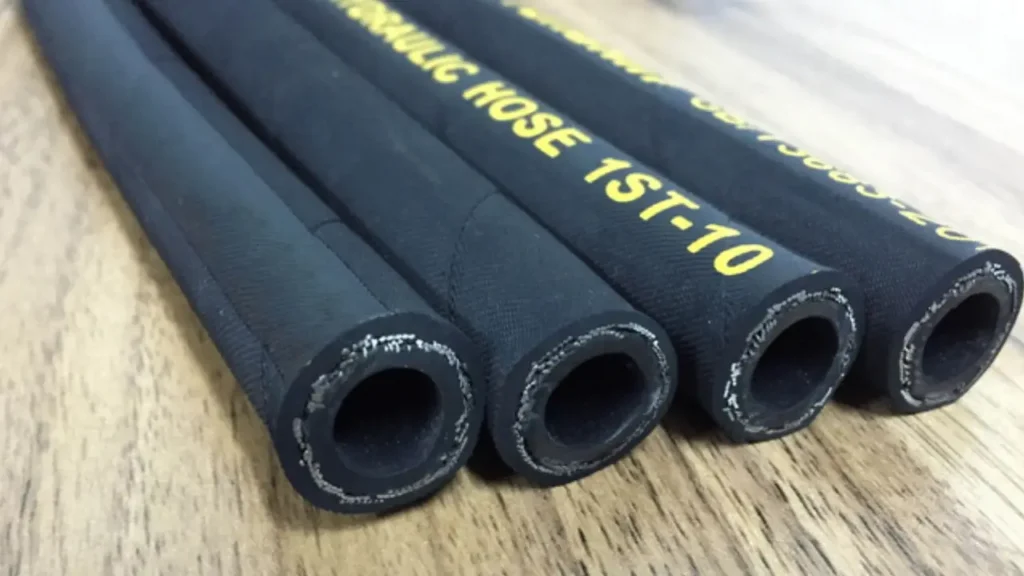
The cost of hydraulic hose per foot can vary significantly depending on several factors:
- Hose Size: Larger diameter hoses generally cost more per foot.
- Hose Material: Different materials, such as rubber or thermoplastic, have varying costs.
- Pressure Rating: Hoses with higher pressure ratings tend to be more expensive.
- Brand and Quality: Reputable brands often charge a premium for their higher quality products.
- Fittings: The type and complexity of fittings can impact the overall cost.
To get a more accurate price, it’s best to consult with a local hydraulic hose supplier or an online retailer. They can provide you with a quote based on your specific requirements.
Here’s a general idea of the cost range for different types of hydraulic hoses:
- Standard Rubber Hoses: These are typically more affordable and suitable for lower-pressure applications.
- Thermoplastic Hoses: These offer better flexibility and resistance to chemicals but can be more expensive.
- Wire Braid Hoses: These are the most durable and can handle high pressures, but they also tend to be the most expensive.
Remember: While it’s possible to find lower-cost options, it’s important to prioritize quality and safety. Investing in high-quality hydraulic hoses can help prevent costly breakdowns and ensure the long-term performance of your equipment.
Hydraulic Hose Replacement Cost
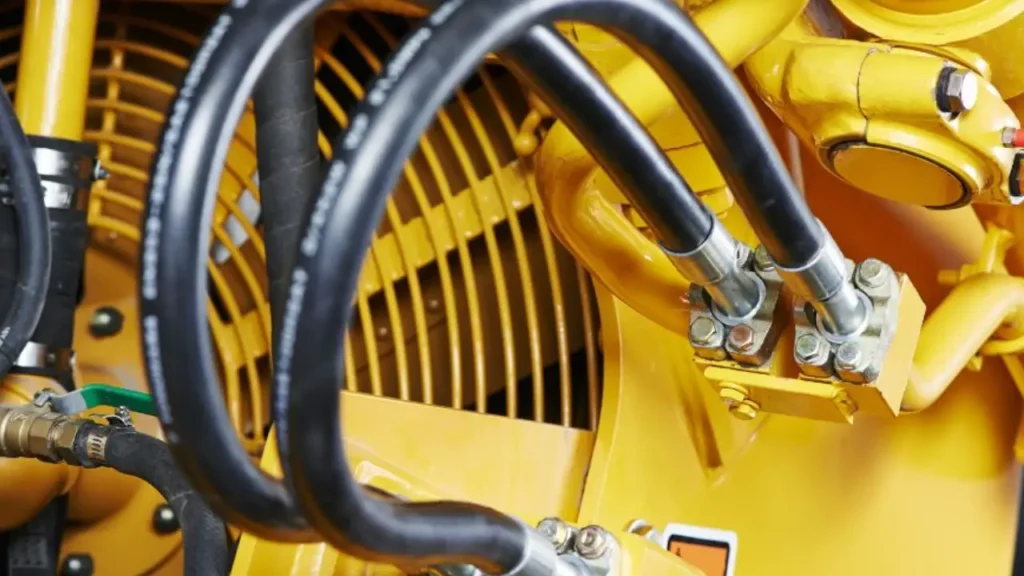
How much does it cost to replace hydraulic hoses?
The cost of replacing a hydraulic hose can vary significantly depending on several factors:
- Hose Size and Length: Larger and longer hoses will naturally cost more.
- Hose Material: Different materials, such as rubber or thermoplastic, have varying costs.
- Pressure Rating: Hoses with higher pressure ratings tend to be more expensive.
- Fittings and Adapters: Specialized fittings or complex assemblies can increase the cost.
- Labor Costs: The cost of labor to remove the old hose and install the new one can vary depending on the complexity of the job and local labor rates.
Typically, the cost of a replacement hydraulic hose can range from $20 to $200 or more. However, it’s important to note that this is a rough estimate, and the actual cost may vary depending on specific circumstances.
To get an accurate estimate for your specific needs, it’s best to consult with a local hydraulic hose supplier or a qualified mechanic. They can assess the situation, provide a precise quote, and ensure that you get the right replacement hose for your equipment.
Mobile Hydraulic Hose Repair Cost
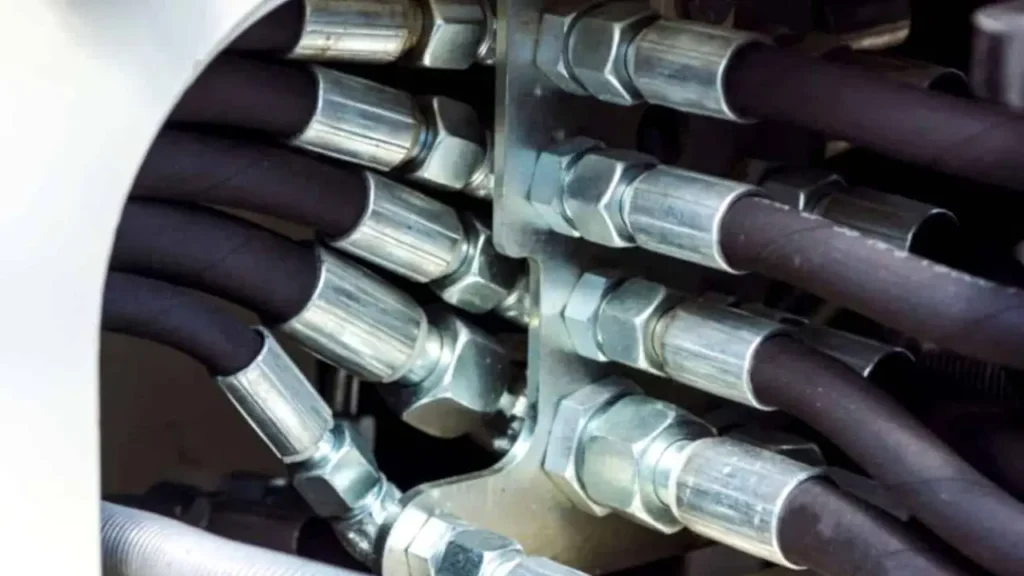
The cost of mobile hydraulic hose repair can vary depending on several factors, such as location, the complexity of the repair, the type of equipment, and the company providing the service. On average, you can expect the following price ranges:
- Service Call Fee: Typically, mobile hydraulic hose repair services charge a service call fee, which can range from $50 to $150. This fee covers the technician’s travel to your location.
- Hourly Labor Charges: Labor rates typically range from $75 to $150 per hour, depending on the region and the technician’s experience.
- Replacement Hoses and Parts: The cost of hoses and fittings can vary depending on the type of hose and fittings needed for your equipment. Hydraulic hoses can range from $5 to $15 per foot, and fittings may cost anywhere from $10 to $50 or more, depending on the size and type.
- Emergency or After-Hours Fees: If you require emergency or after-hours service, expect to pay a premium, which could be up to 1.5 to 2 times the normal rate.
- Additional Costs: In some cases, additional charges may apply if the repair requires specialized equipment or if the hose repair is particularly difficult or complex.
Here’s a simple chart summarizing hydraulic hose repair costs based on hose type, pressure rating, and typical replacement/repair factors:
| Hose Type | Average Cost per Meter | Labor Cost | Notes / Considerations |
|---|---|---|---|
| R1 / 1 Wire | $5–$10 | $20–$50 | Low to medium-pressure hoses, simple replacement, minimal downtime. |
| R2 / 2 Wire | $8–$15 | $30–$60 | Medium-pressure hoses; may require careful routing, moderate labor. |
| 4SP / 4SH | $12–$25 | $50–$100 | High-pressure hoses; labor intensive, requires pressure testing and fittings check. |
| 6 Wire / R12 | $20–$40 | $80–$150 | Ultra-high-pressure hoses; professional installation recommended, higher safety risks. |
| Tractor Hydraulic Hose | $10–$20 | $30–$70 | Field hoses; may include abrasion or weather protection, installation depends on tractor configuration. |
A typical mobile hydraulic hose repair job can cost anywhere from $150 to $500 or more, depending on the factors mentioned. The cost could be higher for larger repairs or if multiple hoses need replacement.
Conclusion
Understanding how much hydraulic hoses cost is essential for any industrial project. The price is influenced by factors like material quality, hose size, and application type. By considering these factors, you can ensure you’re purchasing the right hoses for your system, without overspending on unnecessary features or underestimating your requirements.
At Gushan Rubber, we offer a wide range of wholesale hydraulic hoses designed to meet various industrial applications. Whether you need standard or custom hoses, we provide durable, high-performance products that meet international standards, ensuring reliability and longevity in your hydraulic systems.
By choosing Gushan Rubber for your hydraulic hose needs, you gain access to competitive pricing, excellent customer service, and fast delivery. Contact us today to find out more about our wholesale hydraulic hoses and how we can help you maintain the efficiency of your hydraulic system.