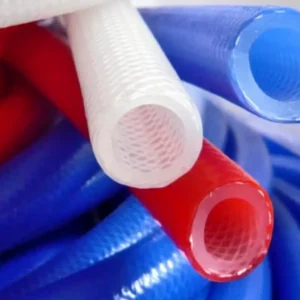
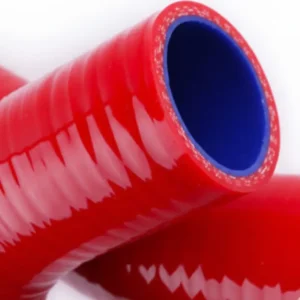
The 4SP hose working pressure is a critical factor in determining the performance and safety of hydraulic systems. This high-pressure hose is designed to withstand extreme conditions, making it essential for heavy-duty applications. Understanding how the working pressure affects both performance and safety ensures you make the right choices for your equipment.
When selecting hydraulic hoses, knowing the working pressure helps in avoiding underperformance or dangerous system failures. The right hose ensures that your equipment operates smoothly and safely, maintaining consistent pressure while preventing leaks or ruptures. Let’s dive into how the 4SP hose working pressure influences your system’s performance and safety.
What is a 4SP Hydraulic Hose?
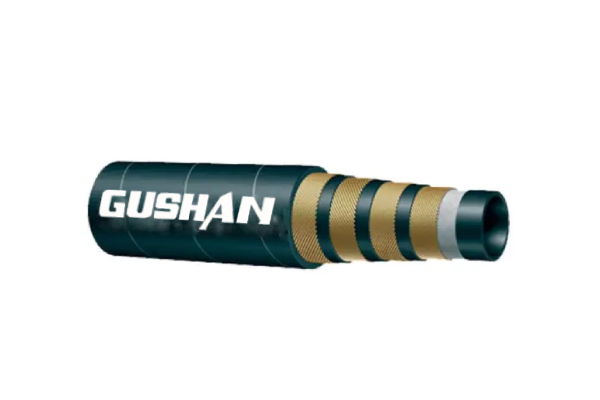
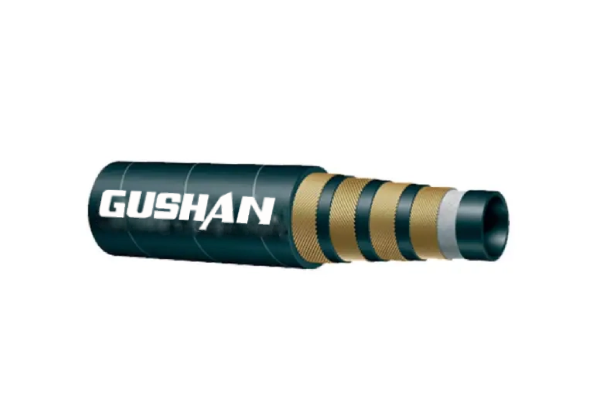
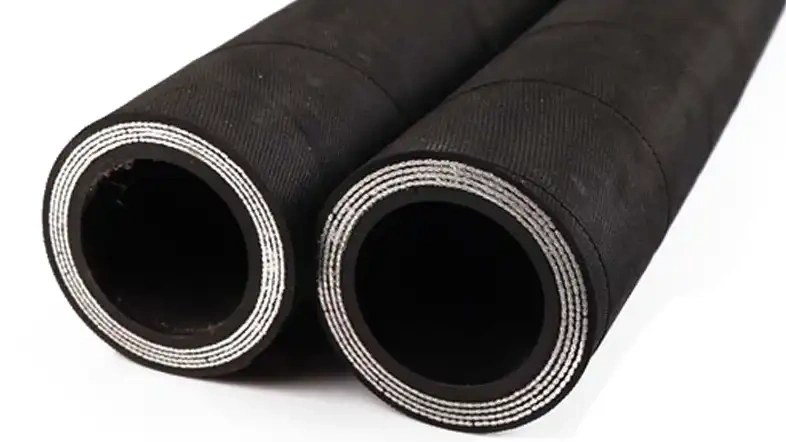
A 4SP hydraulic hose is a high-pressure hose reinforced with four layers of steel wire braid.
It is designed to handle demanding hydraulic applications that require strength, flexibility, and reliable pressure resistance. Commonly used in industrial machinery, construction equipment, and mobile hydraulics, 4SP hoses meet EN standards for performance and safety.
4SP Hydraulic Hose Structure
The 4SP hydraulic hose is specifically engineered to handle high-pressure hydraulic systems. Its multi-layer structure provides superior durability, resistance to abrasions, and enhanced flexibility. Understanding its components helps ensure that you select the right hose for demanding applications. Below are the key structural elements of the 4SP hydraulic hose.
- Inner Tube: The inner tube is typically made from synthetic rubber, designed to carry hydraulic fluids under high pressure. This tube is resistant to the chemicals and oils commonly used in hydraulic systems.
- Reinforcement Layer: The reinforcement layer is composed of multiple layers of high-tensile steel wire or braided steel, designed to provide the strength necessary to withstand high-pressure environments.
- Outer Cover: The outer cover is made from durable synthetic rubber, providing resistance to abrasion, UV rays, and chemical exposure. This layer is essential for protecting the internal components from external damage.
- Pressure Rating: The pressure rating of a 4SP hose is crucial for its performance and safety. These hoses are designed to handle working pressures up to 4,000 psi or more, depending on the specific type and construction.
Decoding 4SP Hose Working Pressure
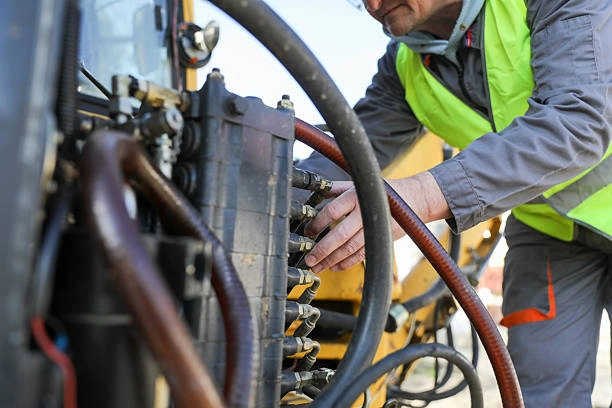
The working pressure of a 4SP hydraulic hose is essential to its performance and safety. Understanding the factors affecting its pressure rating ensures reliable operation in various high-pressure systems. Correct pressure management and hose selection help avoid catastrophic failure and ensure longevity in demanding applications.
- Material Composition: The strength and durability of the hose’s materials, such as the reinforcement layers and outer cover, significantly impact its pressure rating. Materials like steel wire and synthetic fibers help the hose resist internal pressure, while the type of rubber or thermoplastic used affects flexibility and resistance to wear under high pressure.
- Temperature: Operating temperature plays a key role in determining the hose’s pressure tolerance. High temperatures can weaken the hose material, reducing its ability to withstand pressure, while extremely low temperatures can make it brittle, leading to cracks or ruptures under pressure. Proper temperature control is crucial for maintaining hose integrity.
- Fluid Type: The type of fluid being conveyed through the hose affects the working pressure. Hydraulic fluids with higher viscosities can create more resistance, leading to increased pressure within the hose. Additionally, chemical compatibility of the fluid with the hose material is essential to avoid degradation, which can lower the pressure tolerance.
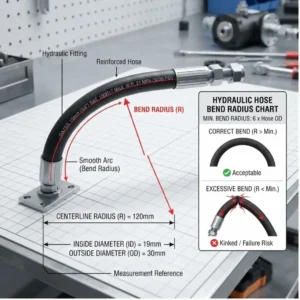
- Bend Radius: A hydraulic hose’s ability to handle pressure is also influenced by its bend radius. Excessive bending can cause internal stresses that reduce the hose’s pressure capacity. Tight bends can weaken the reinforcement layers and lead to failure, while maintaining an optimal bend radius helps preserve pressure resistance.
- External Pressure Surges: Pressure surges or hydraulic spikes can occur in systems during start-up or sudden changes in operation. These temporary increases in pressure can exceed the hose’s rated working pressure. Proper system design, including pressure relief valves, is necessary to minimize the risk of these surges impacting the hose.
- Age and Wear: Over time, hoses undergo wear and tear due to constant pressure, movement, and exposure to the elements. The accumulation of abrasions, cracks, or degradation of materials reduces the hose’s pressure tolerance. Regular inspection and timely replacement are essential to prevent failure due to aging hoses.
Why is the Correct Hydraulic Hose Working Pressure Important?
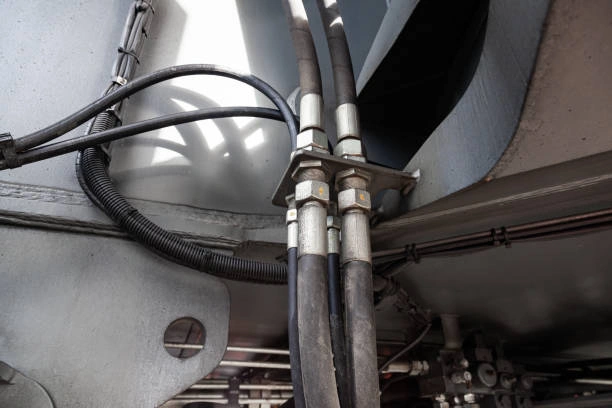
Using a hose with an incorrect pressure rating is one of the most common causes of hydraulic system failure. Ignoring the recommended 4SP hose working pressure can lead to a domino effect of dangerous and costly consequences.
It’s a risk that no operator or company should ever take, which is why we always emphasize matching the hose to the system’s requirements precisely.
- Ensuring Operator Safety: The most severe consequence of a hose failure is the risk it poses to people. When a hose bursts under high pressure, it can release a jet of fluid that is powerful enough to penetrate skin, causing severe injuries. A sudden hose rupture can also cause machinery to lose control, leading to accidents. By selecting the correct hydraulic hose working pressure, you are prioritizing the safety of your team and anyone working near the equipment.
- Maximizing System Performance: A hose that is constantly operating at or beyond its pressure limit will not perform efficiently. The hose may expand or weaken over time, leading to pressure drops that compromise the hydraulic system’s power. This results in slower, less effective machine operation.
- Preventing Costly Downtime: A burst hose means a machine is out of commission. The cost of a new hose is often minimal compared to the loss of productivity and the labor costs associated with fixing the issue. By investing in a high-quality hose with the correct pressure rating from the start, you are preventing unexpected breakdowns and saving your business money and time in the long run.
Factors Affecting 4SP Hose Performance
While 4SP hose working pressure is the headline specification, several other factors influence a hose’s lifespan and reliability. As your hose experts, we believe a holistic approach to hose maintenance and selection is key. Understanding these additional variables can significantly extend the life of your hose and ensure it operates safely and efficiently.
- Temperature: Both the temperature of the hydraulic fluid and the surrounding environment can affect hose performance. Exposing a hose to temperatures outside its specified range can cause the rubber compounds to harden or soften prematurely, leading to a loss of pressure rating and eventual failure.
- Bending Radius: Every hose has a minimum bending radius, and it’s a non-negotiable specification. Bending a hose too tightly puts immense stress on the wire reinforcement, causing it to kink or fatigue. This can lead to a localized weakening of the hose, making it susceptible to bursting at a lower pressure than its rated 4SP hose working pressure.
- Abrasion: Even the toughest hose can be damaged by constant rubbing against other machine parts or rough surfaces. Abrasion can wear through the outer cover, exposing and eventually weakening the steel wire reinforcement. We highly recommend using protective sleeving in areas where abrasion is a risk to protect your investment.
- Fluid Compatibility: It’s crucial to ensure that the hose’s inner tube material is compatible with the hydraulic fluid being used. Using an incompatible fluid can cause the inner tube to degrade, leading to contamination of the hydraulic system and a complete loss of integrity.
How We Ensure Our Hydraulic Hoses Meet Standards
Meeting hydraulic hose standards is essential for safety, reliability, and consistent performance. We follow strict production and inspection processes to ensure every hydraulic hose meets required specifications. From raw material selection to final testing, each step is controlled to deliver hoses that perform reliably in demanding hydraulic applications.
- Material Selection: We carefully select rubber compounds and steel wire that meet international standards. High-strength reinforcement and compatible rubber layers ensure pressure resistance, flexibility, and durability, forming a stable foundation for hydraulic hoses used in high-pressure environments.
- Advanced Hydraulic Hose Manufacturing: Our production process uses precise braiding and spiraling techniques to maintain uniform reinforcement. Controlled extrusion and curing ensure consistent wall thickness and strong bonding between layers, allowing hoses to withstand rated working pressure safely.
- Pressure and Impulse Testing: Each hose undergoes pressure testing to verify working and burst pressure limits. Impulse tests simulate real hydraulic conditions, confirming that hoses can handle repeated pressure cycles without fatigue or structural failure.
- Dimensional and Visual Inspection: We inspect hose diameter, length, and surface finish to ensure accuracy. Visual checks identify defects such as cracks or irregularities, ensuring only compliant hoses move forward for packaging and delivery.
- Compliance and Traceability: Our hydraulic hoses are produced according to recognized standards such as EN and SAE. Clear labeling and batch traceability allow full quality control, giving customers confidence in product consistency and long-term performance.
4SP vs 4SH Hydraulic Hoses
4SP and 4SH hydraulic hoses are both four-wire reinforced hoses designed for high-pressure applications, but they differ in construction and performance. Understanding these differences helps users select the right hose for safety, flexibility, and pressure requirements. Choosing correctly improves system reliability and extends hose service life.
- Reinforcement Structure: 4SP hoses use four steel wire braids arranged in a crisscross pattern, providing flexibility and stable pressure handling. 4SH hoses use four spiral steel wire layers, offering higher pressure resistance but reduced flexibility during installation.
- Working Pressure: 4SH hydraulic hoses generally support higher working pressure compared to 4SP hoses due to spiral reinforcement. 4SP hoses are designed for high pressure but are more suitable for applications where pressure demands are slightly lower.
- Flexibility and Bend Radius: 4SP hoses offer better flexibility and a smaller bend radius, making them easier to route in compact systems. 4SH hoses are stiffer, which suits straight-line installations where extreme pressure capacity is the priority.
- Typical Applications: 4SP hoses are commonly used in industrial machinery, mobile equipment, and agricultural systems. 4SH hoses are preferred in construction, mining, and heavy-duty equipment where higher pressure and impulse resistance are required.
- Cost and Installation: 4SP hoses are generally easier to install and may reduce labor time due to flexibility. 4SH hoses can cost more and require careful routing, but they provide added safety margins for severe hydraulic conditions.
Here are some differences between 4SP and 4SH hydraulic hoses:
| Aspect | 4SP Hydraulic Hose | 4SH Hydraulic Hose |
|---|---|---|
| Reinforcement Type | Four wire braided | Four wire spiral |
| Working Pressure | High | Very high |
| Flexibility | More flexible | Less flexible |
| Bend Radius | Smaller | Larger |
| Typical Use | Industrial, mobile, agriculture | Construction, mining, heavy-duty |
| Installation | Easier routing | Requires careful routing |
| Cost Level | Moderate | Higher |
Conclusion
Understanding 4SP hose working pressure is essential for maintaining safe and efficient hydraulic systems. Correct pressure matching reduces stress on hoses, fittings, and equipment, while improving overall system reliability. A properly selected 4SP hose helps avoid unexpected failures and costly maintenance issues in daily operations.
Working pressure also directly influences hose lifespan and performance stability. When pressure ratings align with actual operating conditions, four wire hydraulic hoses perform consistently under load, resist pressure spikes, and maintain structural integrity in industrial, construction, and mobile hydraulic environments.
To achieve dependable hydraulic performance, always source hoses from trusted manufacturers. Get four wire hydraulic hoses from our Gushan Rubber, where pressure ratings, materials, and production standards are carefully controlled to deliver safe, durable, and reliable 4SP hydraulic hose solutions.