Hydraulic hoses are an integral part of numerous industries, helping power heavy machinery, facilitate fluid transmission, and support essential operations. Without them, industries like construction, agriculture, and manufacturing would come to a halt.
This article provides a comprehensive guide on hydraulic hoses, their types, applications, maintenance, and much more.
What Is a Hydraulic Hose?
Recommended Hydraulic Hoses
-
DIN EN856 4SH
-
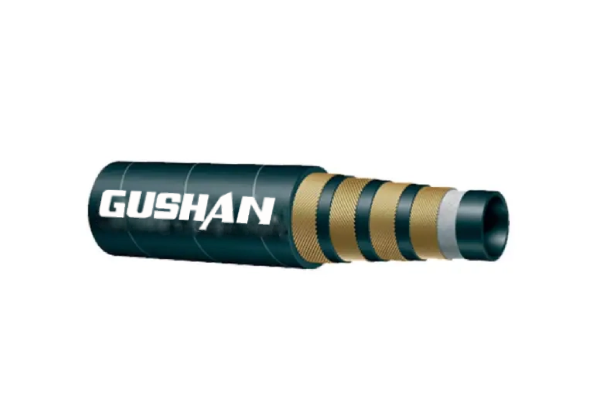
DIN EN856 4SP
-
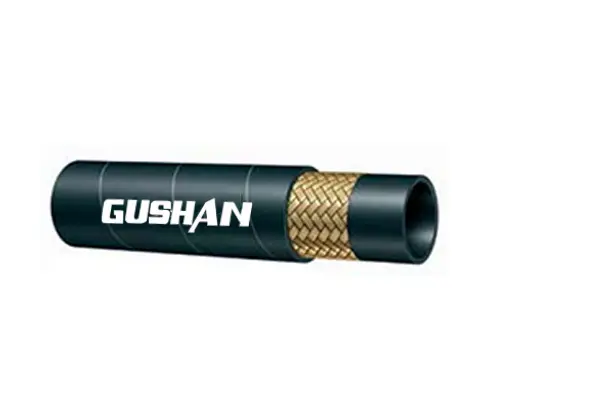
DIN EN857 1SC
-
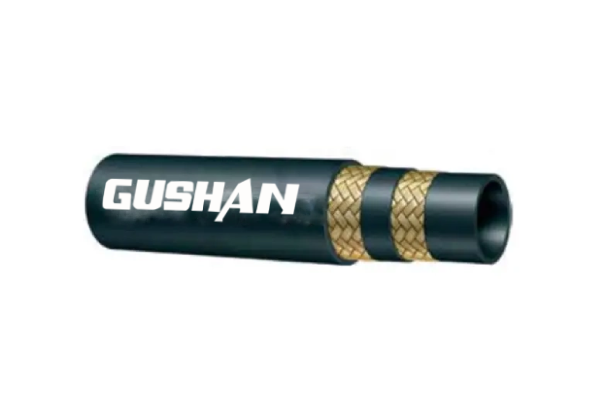
DIN EN857 2SC
-
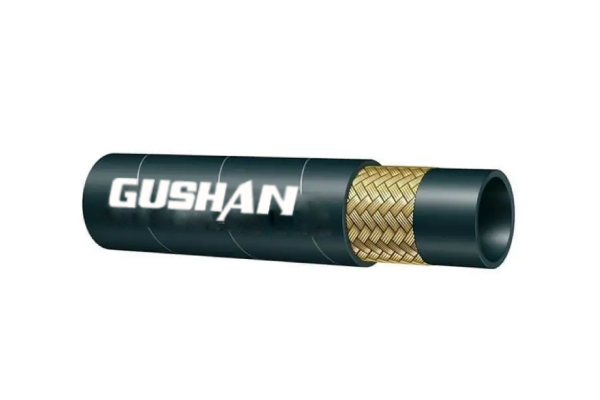
SAE 100R 1A / DIN EN853 1ST
-
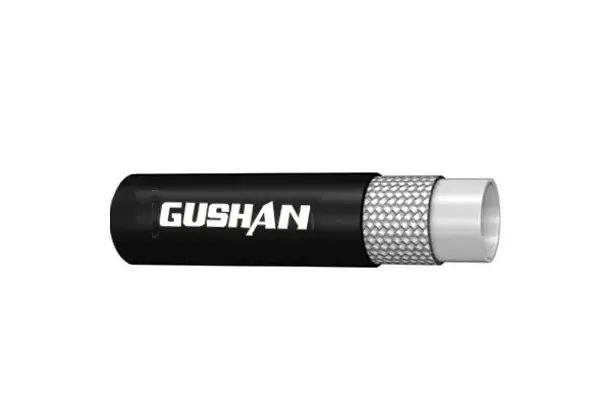
SAE 100R7
-
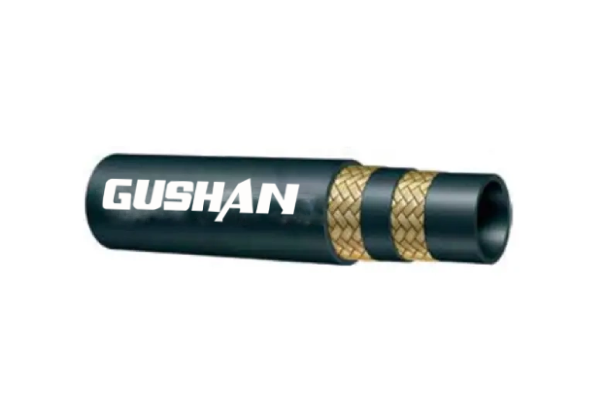
SAE 100R16
-
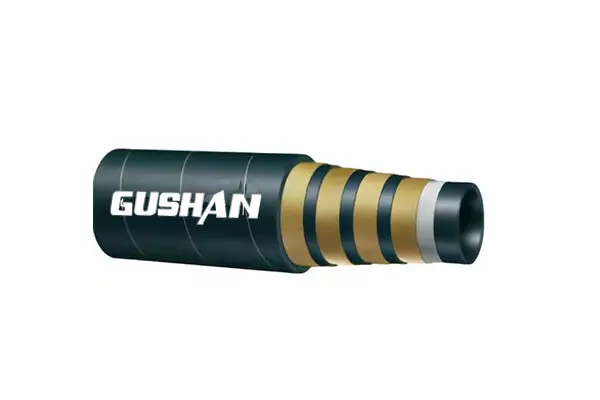
SAE 100R9
-
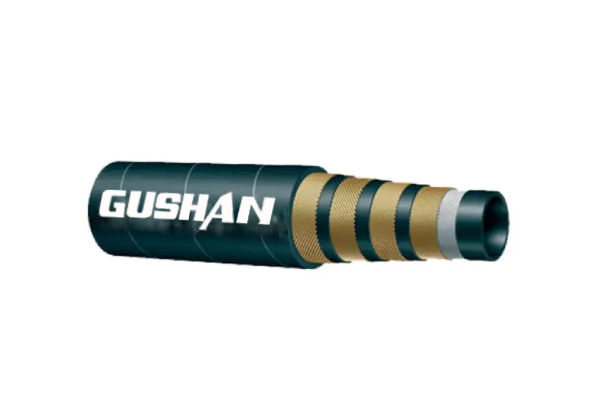
SAE 100R12
A hydraulic hose is a flexible tube designed to convey high-pressure hydraulic fluid between components in a hydraulic system.
These hydraulic hoses are crucial in various industries, including construction, agriculture, manufacturing, and automotive, where they are used to transmit power and control machinery.
Hydraulic Hose Construction

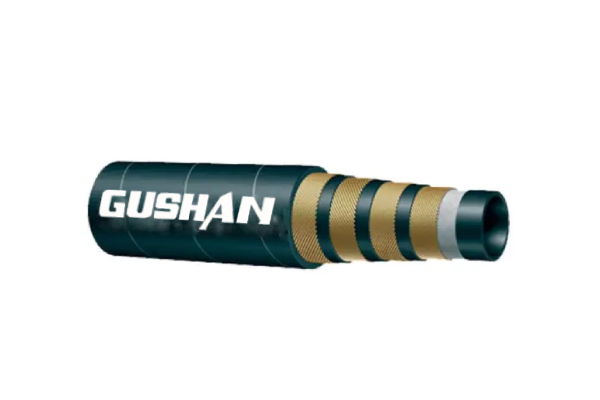
A hydraulic hose is typically composed of three main layers:
Inner Tube:
- The innermost layer that directly contacts the hydraulic fluid.
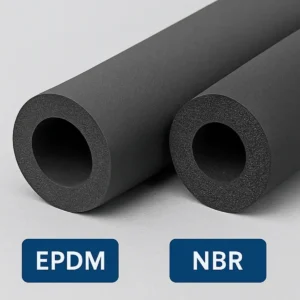
- Made of rubber or synthetic materials like NBR (Nitrile Butadiene Rubber) or EPDM (Ethylene Propylene Diene Monomer).
- Resistant to the fluid’s pressure, temperature, and chemical properties.
Reinforcement Layer:
- Provides strength and prevents the hose from expanding or bursting under pressure.
- Can be made of:
- Wire Braid: Multiple layers of braided wire for high-pressure applications.
- Textile Braid: Flexible and lightweight, often used for lower-pressure applications.
- Spiral Wire: Offers good resistance to impulse pressure.
Outer Cover:
- Protects the inner layers from abrasion, weather, and other external factors.
- Made of rubber or synthetic materials, often the same as the inner tube material.
- Provides resistance to ozone, UV radiation, and chemicals.
SAE and EN Standards for Hydraulic Hoses

SAE (Society of Automotive Engineers) and EN (European Norm) are two major organizations that set standards for hydraulic hoses. These standards ensure quality, performance, and safety in hydraulic systems.
SAE Standards:
- SAE J517: This is a comprehensive standard covering various types of hydraulic hoses, including their construction, performance requirements, and testing methods. It categorizes hoses based on their pressure rating, temperature range, and fluid compatibility.
- SAE 100R Series: This series includes specific standards for different types of hydraulic hoses, such as:
- SAE 100R1: General-purpose hydraulic hose.
- SAE 100R2: High-pressure hydraulic hose.
- SAE 100R12: Wire braid reinforced hydraulic hose.
- SAE 100R13: Textile braid reinforced hydraulic hose.
EN Standards:
- EN 857: This standard covers the requirements for hydraulic hose assemblies, including dimensions, materials, performance, and testing methods.
- EN 853: This standard specifies the requirements for hydraulic hose fittings.
Key Considerations When Choosing a Hydraulic Hose:
When selecting a hydraulic hose, consider the following factors:
- Pressure Rating: Ensure the hose can handle the maximum system pressure.
- Temperature Range: Consider both operating and ambient temperatures.
- Fluid Compatibility: Choose a hose material compatible with the fluid.
- Flexibility: Select a hose with the required bending radius.
- Abrasion Resistance: Consider the exposure to abrasive environments.
- Standards Compliance: Ensure the hose complies with relevant SAE or EN standards.
By adhering to these standards and carefully selecting the appropriate hydraulic hose, you can ensure the safety, reliability, and efficiency of your hydraulic system.
What Are Hydraulic Hoses Made Of?
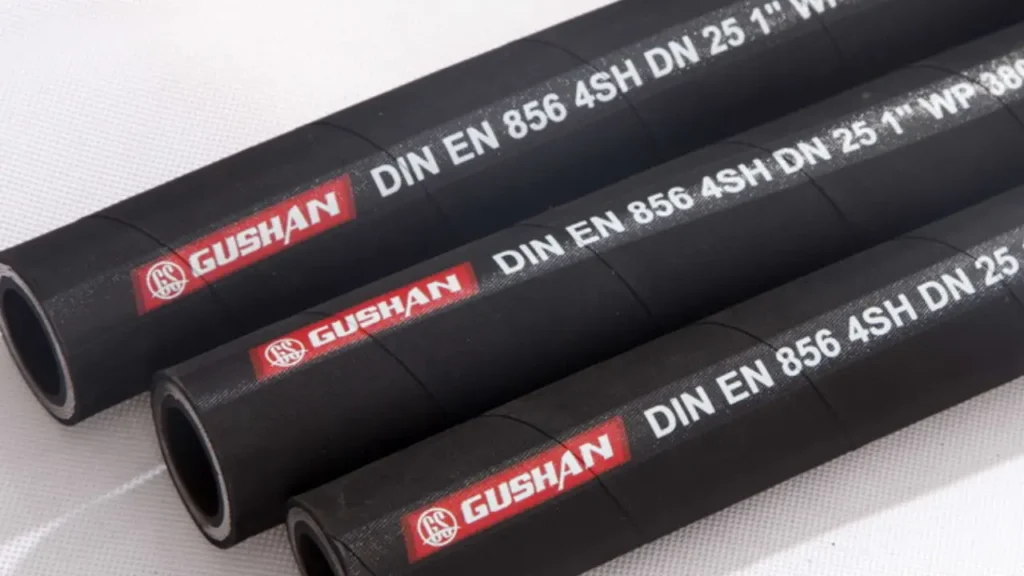
Hydraulic hoses are typically made of three main components:
- Tube: The inner layer that directly contacts the hydraulic fluid. It’s usually made of synthetic rubber like nitrile rubber (NBR) or ethylene propylene diene monomer (EPDM). These materials are resistant to the fluid’s pressure and chemical properties.
- Reinforcement: A layer of wire braid or textile fibers that provides strength and prevents the hose from expanding or bursting under high pressure.
- Cover: The outer layer that protects the reinforcement and tube from abrasion, weather, and other external factors. It’s often made of synthetic rubber like EPDM or chloroprene rubber (neoprene).
The specific materials used can vary depending on the application and the type of hydraulic fluid being used. For example, hoses used in high-pressure applications may have multiple layers of wire braid reinforcement, while hoses used in low-pressure applications may only have a single layer of textile braid.
What Are Hydraulic Hoses Used For?
What Are Hydraulic Hoses Used For
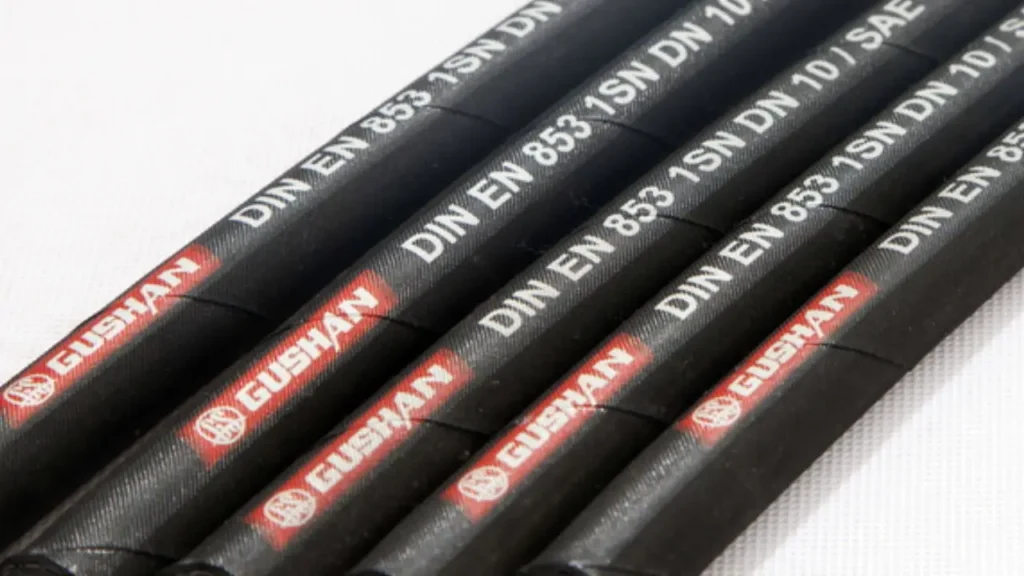
Hydraulic hoses are essential components in fluid power systems, transferring hydraulic fluid under pressure to actuate machinery and equipment. They provide flexibility, durability, and leak-free connections, ensuring reliable performance across construction, agricultural, industrial, automotive, aerospace, and marine applications where precise motion and power control are required.
Construction Equipment – Hydraulic hoses power construction machinery, enabling movement and operation of heavy equipment efficiently and safely. They connect pumps, cylinders, and motors to transmit hydraulic pressure and control machinery functions precisely.
- Cranes – Hydraulic hoses control crane lifting, lowering, and rotation by delivering fluid pressure to hydraulic cylinders and motors for smooth, precise operation.
- Excavators – Hydraulic hoses transfer pressure to boom, arm, and bucket cylinders, enabling digging, lifting, and precise material handling.
- Bulldozers – Hoses deliver hydraulic fluid to blade and ripper controls, allowing powerful, accurate earthmoving and grading operations.
- Backhoes – Hoses transmit hydraulic pressure to arm, boom, and bucket cylinders for digging, lifting, and trenching tasks efficiently.
- Forklifts – Hydraulic hoses power lifting and tilting mechanisms, enabling safe and precise material handling in warehouses and construction sites.
Agricultural Machinery – Hydraulic hoses provide precise control of implements, ensuring efficient planting, harvesting, and spraying while handling high-pressure fluid safely across agricultural equipment.
- Tractors – Hydraulic hoses power attachments, lift systems, and steering mechanisms, enabling smooth, reliable farm operations.
- Harvesters – Hydraulic hoses control cutting, threshing, and conveying mechanisms for consistent, efficient crop harvesting.
- Combine Harvesters – Hydraulic hoses deliver hydraulic fluid to critical components for separating, cleaning, and transporting grain accurately.
- Sprayers – Hoses enable pressure regulation and fluid transfer to spraying nozzles, ensuring even chemical distribution.
Industrial Machinery – Hydraulic hoses facilitate the operation of presses, machine tools, and automation equipment, transferring power efficiently and maintaining precise control over industrial processes.
- Presses – Hydraulic hoses transfer hydraulic power to press cylinders for shaping, forming, or punching materials with precision.
- Injection Molding Machines – Hydraulic hoses deliver fluid pressure to clamping and injection units for consistent plastic molding.
- Machine Tools – Hydraulic hoses actuate slides, clamps, and rotary tables for accurate machining operations.
- Material Handling Equipment – Hoses transmit pressure to conveyors, lifts, and hoists, enabling smooth and safe material transport.
Automotive – Hydraulic hoses are used in vehicle systems to transfer power safely and precisely, supporting steering, braking, and suspension functions.
- Power Steering Systems – Hydraulic hoses carry hydraulic fluid to assist steering, improving vehicle control and reducing driver effort.
- Brake Systems – Hydraulic hoses transfer fluid from master cylinders to brakes, enabling reliable stopping power and safety.
- Suspension Systems – Hydraulic hoses deliver pressure to hydraulic dampers, maintaining smooth ride quality and vehicle stability.
Aerospace – Hydraulic hoses are critical in aircraft, transmitting fluid power for landing gear and flight control systems, ensuring reliable, precise operations.
- Aircraft Landing Gear – Hydraulic hoses supply hydraulic pressure to extend and retract landing gear safely and smoothly.
- Flight Control Systems – Hydraulic hoses transfer fluid to control surfaces, ensuring precise maneuverability and safe flight operations.
Marine – Hydraulic hoses enable safe and efficient operation of steering, lifting, and winching equipment on ships and boats.
- Ship Steering Systems – Hoses transmit hydraulic fluid to rudder actuators, enabling precise vessel control.
- Winches – Hydraulic hoses power hydraulic winches for lifting cargo, anchors, or equipment safely.
- Cranes – Hydraulic hoses provide pressure to marine cranes, allowing smooth loading and unloading of heavy materials.
What Are the Types of Hydraulic Hoses
What Are the Types of Hydraulic Hoses
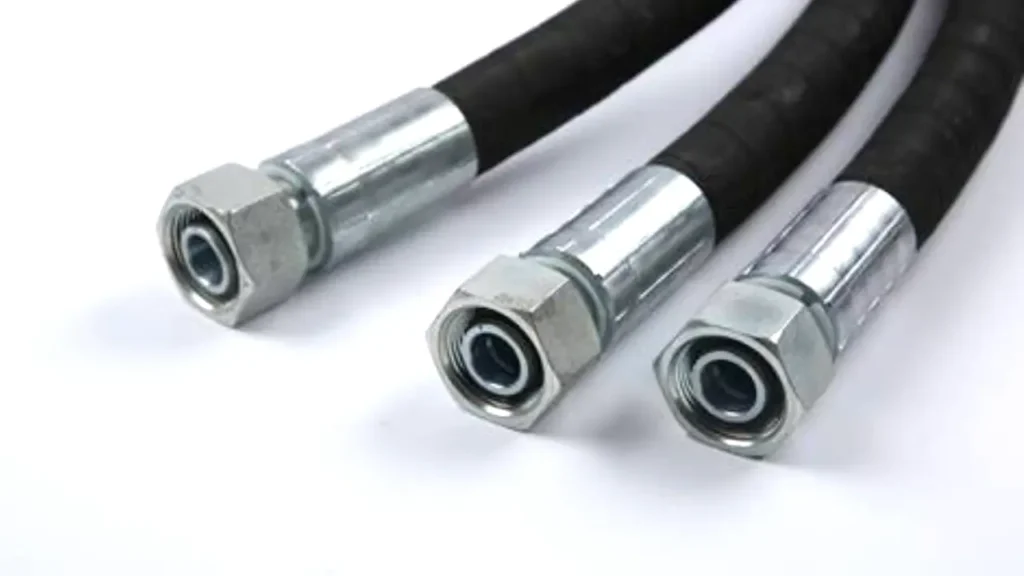
Hydraulic hoses come in various types designed to handle different pressures, fluids, and applications. Choosing the correct type ensures safety, durability, and optimal performance. Hose selection depends on factors like pressure rating, flexibility, temperature range, and compatibility with hydraulic fluids in industrial, automotive, construction, and mobile applications.
- SAE 100R1 Hydraulic Hose – Single-wire braided hydraulic hoses designed for medium-pressure applications. They provide flexibility, durability, and resistance to abrasion, making them suitable for agricultural, industrial, and mobile hydraulic systems requiring reliable fluid transfer.
- SAE 100R2 Hydraulic Hose – Double-wire braided hoses built for higher-pressure applications. Their reinforced design supports heavy-duty machinery and equipment, maintaining leak-free operation under demanding hydraulic conditions and high-pressure industrial, construction, and mobile environments.
- SAE 100R5 Hydraulic Hose – Textile-reinforced hoses suitable for low-pressure applications. Lightweight and flexible, these hoses handle petroleum-based or water-based fluids, making them ideal for light-duty industrial and agricultural hydraulic systems.
- SAE 100R6 Hydraulic Hose – Single-wire braid hoses for low to medium-pressure operations. They are flexible, durable, and compatible with petroleum-based fluids, widely used in construction equipment, industrial machinery, and mobile hydraulic systems.
- Thermoplastic Hydraulic Hoses – Made from durable thermoplastic materials with textile or wire reinforcement. These hoses resist abrasion, kinking, and corrosion, offering flexibility, leak-free performance, and suitability for industrial, automotive, and mobile hydraulic applications.
- Nylon Braided Hydraulic Hoses – Hoses reinforced with braided nylon, providing excellent flexibility and chemical resistance. Ideal for pneumatic, hydraulic, and fluid transfer systems where lightweight, durable hoses are required for precise operation and leak prevention.
- PTFE (Teflon) Hydraulic Hoses – PTFE hoses resist high temperatures, chemicals, and pressure. They are suitable for corrosive fluid transfer, aerospace, and high-performance hydraulic systems where reliability, durability, and chemical compatibility are critical.
- Steel Wire Braided Hydraulic Hoses – Heavy-duty hoses with one or more steel wire braids. Designed for high-pressure industrial, construction, and mobile applications, these hoses provide maximum strength, durability, and leak-free performance in demanding environments.
How to Choose the Right Kind of Hydraulic Hose?
Selecting the right hydraulic hose is critical for safe, efficient, and long-lasting operation of hydraulic systems. The proper hose ensures leak-free fluid transfer, handles the required pressure, and withstands temperature, abrasion, and chemical exposure. Choosing incorrectly can lead to failures, costly downtime, and safety hazards.
- Consider Pressure Rating – Choose a hydraulic hose rated for your system’s maximum operating pressure. Using a hose with insufficient pressure capacity can lead to bursts or leaks, while a higher-rated hose ensures safety and long-term reliability under varying operating conditions.
- Check Temperature Range – Select a hose that can withstand the operating and environmental temperatures of your application. Hoses exposed to extreme heat or cold must maintain flexibility, durability, and fluid integrity to prevent failure and ensure consistent performance.
- Verify Fluid Compatibility – Ensure the hose material is compatible with the hydraulic fluid used, such as oil, water, or synthetic fluids. Incompatible materials can degrade the hose, cause leaks, and reduce the lifespan of the hydraulic system.
- Assess Flexibility and Bend Radius – Consider how the hose will be routed and the required flexibility. A hose that is too stiff or has a small bend radius can kink, restricting fluid flow and causing premature wear or damage.
- Consider Reinforcement Type – Hydraulic hoses come with textile, single-wire, or multi-wire reinforcement. Choose the type that matches pressure requirements, flexibility needs, and durability expectations, ensuring leak-free operation and reliable performance for industrial, mobile, or automotive applications.
- Evaluate Environmental Conditions – Consider exposure to abrasion, chemicals, UV, or mechanical stress. Hoses with protective covers, coatings, or specialized materials extend service life and maintain safety and reliability in harsh working conditions.
Ways to Lengthen Hydraulic Hose Lifespan
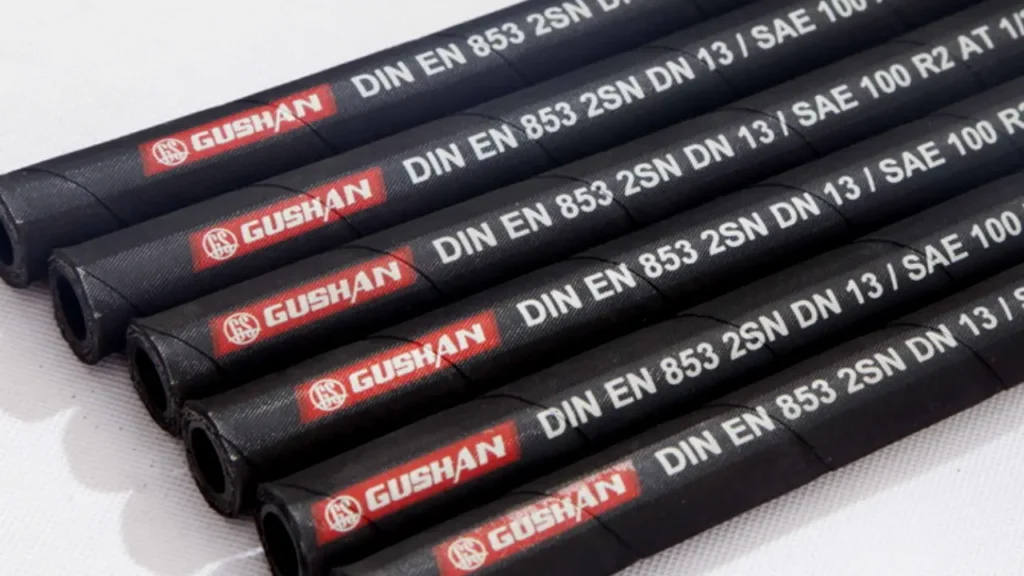
Hydraulic hoses are essential components in many industries, but they can be prone to wear and tear, especially in demanding environments. Here are some tips to extend the lifespan of your hydraulic hoses:
1. Regular Inspection:
- Visual Inspection: Regularly check for signs of wear, such as cuts, cracks, abrasions, or fluid leaks.
- Pressure Testing: Periodically test hoses for pressure leaks to identify potential issues early on.
2. Proper Installation:
- Avoid Kinking: Ensure hoses are routed properly to prevent kinking, which can weaken the hose and lead to failure.
- Correct Fittings: Use the correct fittings and tighten them to the manufacturer‘s specifications to avoid leaks.
- Proper Routing: Route hoses away from heat sources, sharp edges, and excessive vibration.
3. Optimal Operating Conditions:
- Pressure and Temperature: Operate hoses within their rated pressure and temperature ranges to avoid premature aging.
- Fluid Compatibility: Ensure the fluid used is compatible with the hose material to prevent degradation.
4. Protection from External Factors:
- Abrasion Guards: Use protective guards or sleeves to shield hoses from abrasion and physical damage.
- Weather Protection: Protect hoses from exposure to extreme weather conditions, such as UV radiation and moisture.
5. Proper Storage:
- Clean and Dry: Store hoses in a clean, dry environment, away from direct sunlight and heat sources.
- Avoid Sharp Bends: Avoid coiling hoses tightly, as this can damage the internal structure.
6. Timely Replacement:
- Replace Worn Hoses: Replace any hose showing signs of significant wear or damage to prevent unexpected failures.
By following these guidelines, you can significantly extend the lifespan of your hydraulic hoses, reduce downtime, and improve overall system reliability.
Would you like to learn more about specific types of hydraulic hoses or their applications?
How to Install Hydraulic Hoses?

Installing hydraulic hoses correctly is essential for safe, efficient, and leak-free operation of hydraulic systems. Proper installation ensures reliable fluid flow, prevents hose damage, and maintains system pressure. Following step-by-step procedures with the right tools guarantees long-lasting performance in industrial, construction, agricultural, and mobile hydraulic applications.
Tools Needed
- Safety gloves and goggles
- Clean rags or cloth
- Hydraulic wrenches
- Hose clamps or brackets
- Measuring tape
- Hydraulic fluid
Step 1: Measure and Prepare the Hydraulic Hose
Measure the required length of hydraulic hose for your system carefully. Accurate measurement ensures proper fit, prevents kinks, and maintains efficient fluid flow. Mark the cutting point clearly and prepare the hose ends for clean connections, ensuring leak-free installation.
Double-check the system requirements and fittings before cutting. Proper preparation minimizes errors, reduces hose waste, and ensures the hydraulic hose will function safely and efficiently under operating pressure.
Step 2: Secure the Hydraulic Hose
Stabilize the hydraulic hose using clamps, tape, or a vise before connecting. Securing the hose prevents twisting or movement, allowing precise installation and reducing the risk of damage to the hose braid or tubing.
Properly secured hoses also improve operator safety. Stabilization ensures the hose maintains alignment with fittings and system ports, allowing for a smooth and reliable connection.
Step 3: Clean Hose Ends and Ports
Wipe all hydraulic hose ends and system ports with a clean rag to remove debris, dirt, or contaminants. Clean connections prevent contamination in the hydraulic system, ensuring leak-free operation and protecting pumps, valves, and cylinders.
Inspection and cleaning also help identify damaged fittings or hose ends. Maintaining clean surfaces ensures a proper seal, extending the hydraulic hose’s service life and system reliability.
Step 4: Connect the Hydraulic Hose
Insert the hydraulic hose into the corresponding system port and secure it with the correct fittings. Ensure the hose is fully seated, aligned, and free from twists or kinks to maintain proper fluid flow.
Tighten fittings according to manufacturer specifications. Proper connection ensures leak-free operation, reduces stress on the hose, and maintains consistent system pressure for safe and efficient performance.
Step 5: Route and Secure the Hydraulic Hose
Route hydraulic hoses to avoid sharp bends, pinch points, or high-vibration areas. Use clamps, brackets, or hose guides to keep hoses in place and prevent rubbing against other surfaces.
Correct routing prevents premature wear, kinks, and accidental disconnections. Well-secured hoses maintain fluid flow efficiency, reduce maintenance needs, and ensure long-term safe operation.
Step 6: Test the Hydraulic Hose
After installation, slowly operate the system under low pressure and check the hydraulic hose and fittings for leaks or abnormal movement. Testing ensures the hose is properly connected and ready for full operation.
Observe the hydraulic hose under normal working conditions. Detecting issues early prevents damage, ensures system reliability, and confirms the hydraulic hose will perform safely and efficiently during long-term use.
Where to Get Hydraulic Hoses Made
Guashrubber is your one-stop shop for high-quality hydraulic hoses in Osaka, Japan! We specialize in designing, manufacturing, and distributing custom hydraulic hoses for a wide range of industries.
Our team of experts uses top-grade materials to craft long-lasting and reliable hoses that meet your specific needs. Each hose undergoes rigorous testing to ensure it delivers exceptional durability, flexibility, and performance.
Why Choose Guashrubber?
- Local Expertise: We are based in Osaka, Japan, and understand the unique requirements of our customers.
- Customizable Solutions: We design and manufacture hoses to your exact specifications, ensuring a perfect fit for your application.
- Top-Tier Materials: We use only the highest quality materials to guarantee the longevity and dependability of our hoses.
- Rigorous Testing: Each hose undergoes comprehensive testing to meet the strictest performance standards.
Partner with Guashrubber for Your Hydraulic Hose Needs
At Guashrubber, we are committed to providing exceptional customer service and top-notch hydraulic hose solutions. Let’s work together to find the perfect hoses for your application and ensure your equipment operates smoothly and efficiently.
Contact us today to discuss your hydraulic hose requirements!
Common Hydraulic Hose Issues
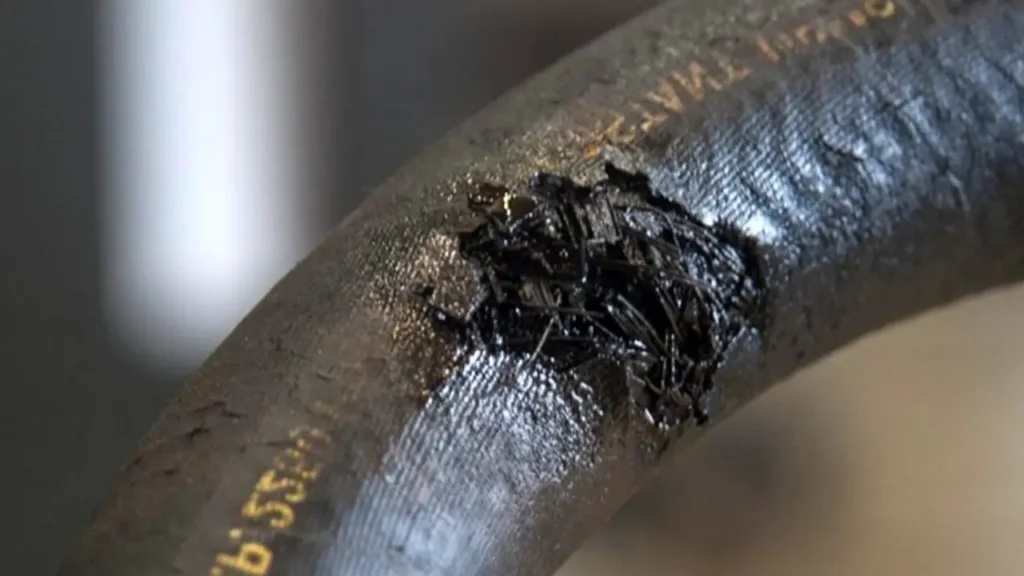
Hydraulic hoses are critical for fluid power systems, but they can encounter problems that affect performance and safety. Common issues include leaks, abrasion, kinks, twisting, and pressure failures. Identifying and addressing these problems early helps prevent system downtime, costly repairs, and safety hazards, ensuring reliable, long-lasting hydraulic system operation.
| Issue | Description | Cause | Solution |
|---|---|---|---|
| Leaks | Hydraulic fluid escapes from hose or fittings | Loose fittings, worn seals, or damaged hose | Tighten fittings, replace seals or hose |
| Abrasion | Outer hose layer wears down | Friction against surfaces or improper routing | Use protective sleeves, reroute hose |
| Kinks | Hose bends sharply, restricting flow | Too tight bend radius or improper installation | Reroute hose, ensure minimum bend radius |
| Twisting | Hose rotates along its length | Improper installation or twisting during operation | Reinstall correctly, secure hoses with clamps |
| Pressure Failure | Hose bursts or collapses under pressure | Exceeding pressure rating or weak reinforcement | Replace with correctly rated hose, monitor system pressure |
| Fluid Contamination | Dirt or debris enters system | Open fittings, damaged hose, or poor maintenance | Clean system, replace hose, use proper fittings |
| Heat Damage | Hose degrades due to high temperatures | Excessive operating or environmental heat | Use heat-resistant hoses, add protective covers |
Where Can I Buy Hydraulic Hose?
Finding reliable hydraulic hoses is essential for safe and efficient operation of fluid power systems. Choosing trusted suppliers ensures high-quality hoses that meet pressure ratings, chemical compatibility, and durability standards.
Purchasing from reputable manufacturers minimizes downtime, prevents leaks, and guarantees long-lasting performance in industrial, mobile, and automotive hydraulic applications.
- Authorized Distributors – Authorized distributors provide hydraulic hoses directly from manufacturers, ensuring genuine products, correct specifications, and quality assurance. They often offer expert advice, technical support, and prompt delivery to maintain system reliability and reduce downtime.
- Manufacturer Websites – Buying directly from hydraulic hose manufacturers ensures access to the latest products, full specifications, and customization options. Manufacturers provide guidance on hose selection, fittings, and pressure ratings, guaranteeing compatibility and safety for your hydraulic system.
- Wholesale Suppliers – Wholesale suppliers offer bulk hydraulic hoses at competitive prices. Purchasing from a trusted wholesaler ensures consistent quality, cost savings, and reliable supply for industrial, agricultural, or construction applications where multiple hoses are required.
- Industrial Equipment Stores – Reputable industrial stores stock a variety of hydraulic hoses and accessories. These stores provide guidance for proper selection, often carry common sizes in stock, and ensure you receive hoses that meet industry standards.
- Online Marketplaces with Verified Sellers – Online platforms allow you to compare hydraulic hoses from certified manufacturers and suppliers. Choosing verified sellers ensures product authenticity, detailed specifications, and the ability to request quotes or customization options for your system.
You can quote reliable hydraulic hoses directly from our manufacturers at Gushan Rubber, ensuring genuine products, competitive pricing, and technical support for safe, durable, and leak-free hydraulic system operation.
Conclusion
Hydraulic hoses are the lifeblood of countless industries, powering everything from construction equipment to aerospace systems. By understanding their components, types, and applications, you can make informed decisions to ensure the optimal performance and longevity of your hydraulic systems.
Ready to elevate your operations with premium hydraulic hoses?
Contact us today to explore our extensive range of high-quality hydraulic hoses. Our expert team is dedicated to providing tailored solutions to meet your specific needs. From standard to specialized applications, we have the perfect hose for you.
Benefit from our wholesale pricing and exceptional customer service.
Don’t compromise on quality. Choose Gushan Rubber, your trusted partner for hydraulic hose excellence.