R5 Hydraulic Hose
We offer R5 hydraulic hoses designed for high-performance applications. Built with a strong synthetic rubber construction, they provide excellent resistance to oil, heat, and abrasion. Perfect for medium pressure hydraulic systems, our R5 hoses ensure durability and reliability, making them ideal for industrial machinery and heavy equipment operations.
Get Your Desired R5 Hydraulic Hose
Get your desired R5 hydraulic hose from us! Crafted for durability and high performance, our hoses are built to withstand high pressure and tough conditions. Perfect for industrial and construction applications, they offer excellent resistance to abrasion, pressure, and weather, ensuring reliable fluid transfer and long-lasting efficiency in demanding environments.
All R5 Hydraulic Hoses
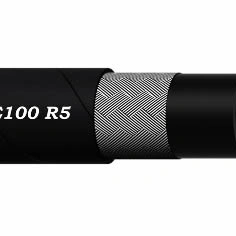
SAE 100 R5 Hydraulic Hose
We supply R5 hydraulic hose designed for medium-pressure hydraulic systems and return lines. Built with a textile braided reinforcement and durable cover, it delivers flexibility and reliable oil resistance. Our R5 hydraulic hoses are suitable for mobile equipment, agricultural machinery, and industrial applications requiring stable performance and long service life.
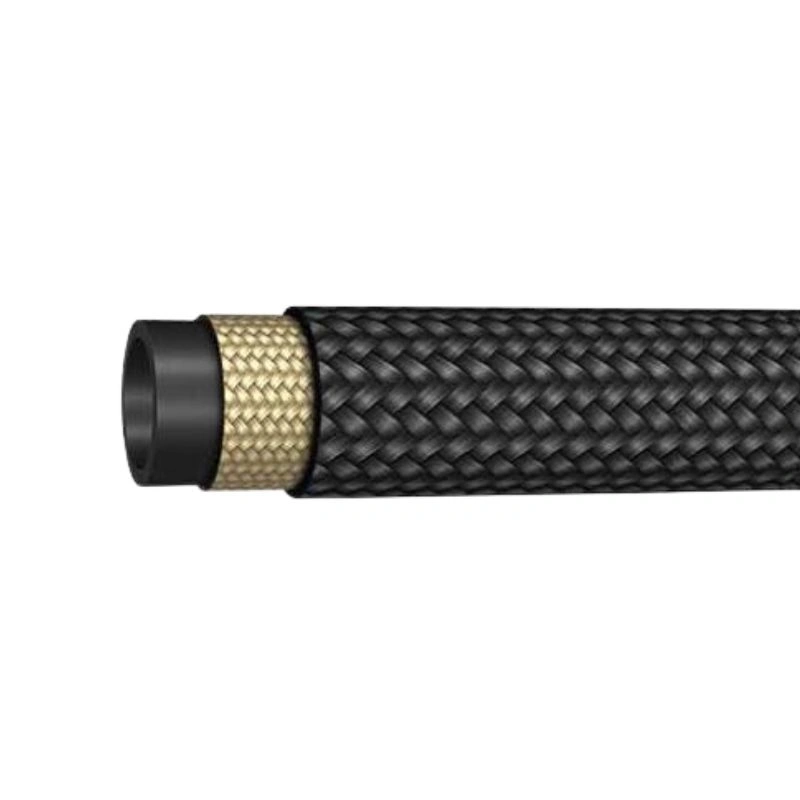
Single Wire Braid R5 Hydraulic Hose
We offer the single wire braid R5 hydraulic hose, designed for high-pressure applications. Our hoses provide excellent flexibility, durability, and resistance to abrasion, ensuring reliable fluid transfer in demanding environments. Ideal for various industrial uses, we ensure that our hoses meet the highest standards of performance and longevity.
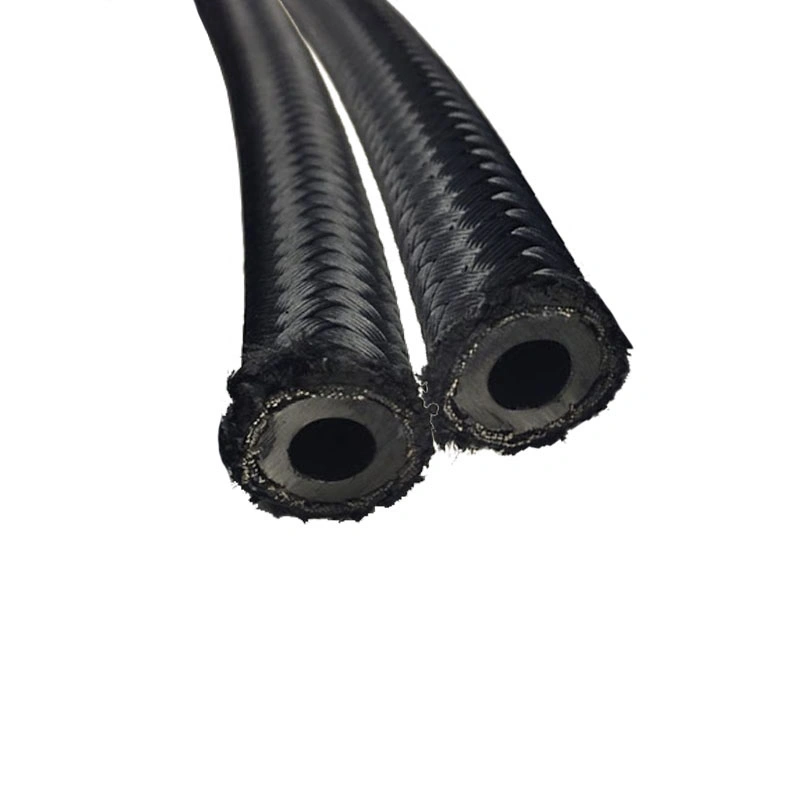
High-Temperature R5 Hydraulic Hose
We supply high-temperature R5 hydraulic hose designed for elevated operating environments and medium-pressure hydraulic systems. Built with a textile braided reinforcement and heat-resistant tube, it performs reliably under continuous temperature exposure. Our R5 hoses are ideal for air, oil, and hydraulic fluid transfer in industrial, agricultural, and mobile equipment applications worldwide.
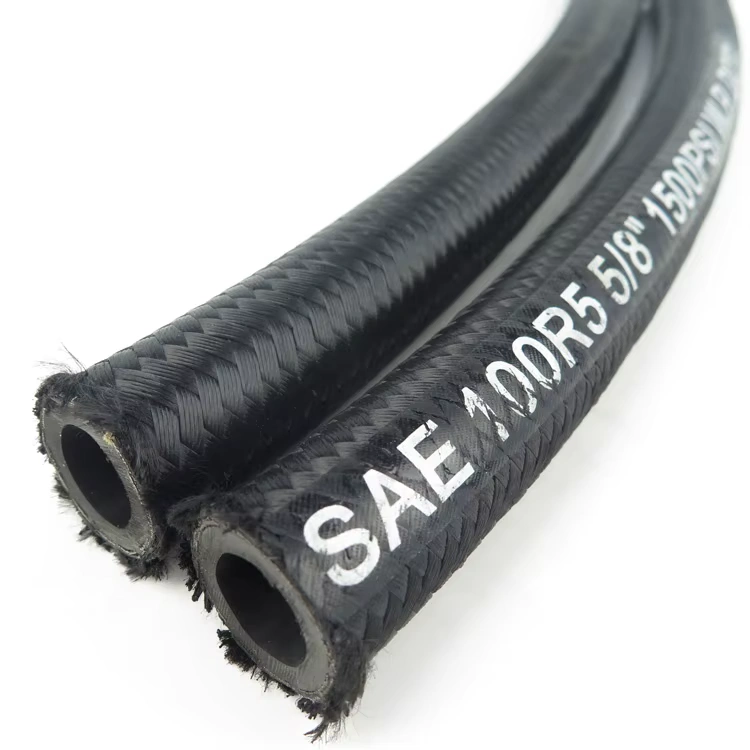
Low Permeation R5 Hydraulic Hose
We supply low permeation R5 hydraulic hose designed for efficient fluid transfer and reduced oil vapor loss in medium-pressure hydraulic systems. Built with textile reinforcement and a durable cover, it offers flexibility, stable performance, and compliance with stringent emission standards, making it ideal for mobile equipment and industrial machinery applications.
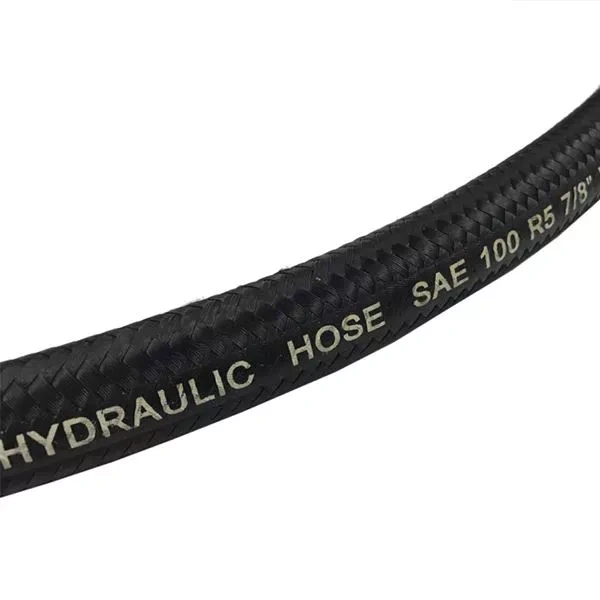
OEM R5 Hydraulic Hose
We supply OEM R5 hydraulic hose designed for low-pressure hydraulic systems and return lines. Manufactured with textile braid reinforcement and oil-resistant inner tubes, our hoses offer flexibility, durability, and stable performance. We support custom branding, sizes, and packaging to meet your market requirements and ensure consistent quality for global distribution partners.
Fuel Resistant Textile Braided 100R5 Hydraulic Hose
We supply fuel resistant textile braided SAE 100R5 hydraulic hoses designed for medium-pressure hydraulic systems and fuel transfer applications. Built with a durable inner tube and strong textile reinforcement, our hoses offer excellent flexibility, oil resistance, and reliable performance in automotive, industrial, and mobile equipment environments requiring dependable fluid conveyance.
Custom R5 Hydraulic Hose Wholesale
Hose Size and Length
We customize inner diameter, outer diameter, and overall length according to your system requirements. Whether you need standard sizes or special dimensions, we ensure accurate tolerances and consistent production. Precise sizing helps optimize flow performance, reduce pressure loss, and improve installation efficiency in various hydraulic layouts.
Working Pressure and Reinforcement Structure
We adjust textile braid layers and construction design to meet your required working pressure and safety factor. By optimizing reinforcement density and structure, we ensure stable pressure performance. This allows your hydraulic hose to handle impulse loads and dynamic operations effectively.
Cover Material and Surface Finish
We offer different outer cover compounds to enhance abrasion resistance, weather resistance, and oil resistance. Depending on your working environment, we can provide smooth or wrapped finishes. This ensures your R5 hydraulic hoses perform reliably in outdoor, high-wear, or harsh industrial conditions.
Branding and Marking Options
We provide customized hose printing, including your logo, specifications, pressure ratings, and part numbers. Clear and durable markings improve traceability and brand visibility. We ensure the printing remains legible even under abrasion and long-term use, supporting your market positioning and product identification needs.
What does "R5" mean in R5 Hydraulic Hoses?
“R5” in R5 hydraulic hoses refers to a specific SAE (Society of Automotive Engineers) standard, SAE 100R5, which defines medium-pressure hydraulic hoses reinforced with a textile braid.
This designation indicates that the hose is suitable for fuel, oil, and water-based fluids, providing a balance of flexibility, strength, and durability for applications like mobile equipment, fuel lines, and industrial hydraulic systems.
Can R5 Hydraulic Hoses be used for high-pressure applications?
R5 hydraulic hoses are primarily designed for medium-pressure applications, offering excellent flexibility and fuel resistance. While they are durable and reliable for automotive, industrial, and mobile hydraulic systems, their textile braided reinforcement limits their maximum working pressure.
Understanding pressure requirements is crucial to ensure safety, performance, and long-term hose reliability in demanding environments.
Pressure Limitations – We emphasize that R5 hoses are not intended for high-pressure systems above their rated limit. Using them beyond design pressure can cause hose failure, leaks, or bursts. Correct pressure selection ensures system safety, protects equipment, and avoids costly downtime caused by hose damage.
Alternative Solutions for High Pressure – We recommend using wire-reinforced hoses, such as SAE 100R1 or R2 series, for high-pressure applications. These hoses provide spiral or braided wire reinforcement capable of handling significantly higher pressures while maintaining structural integrity and safe operation under demanding conditions.
Safety Considerations – We advise monitoring pressure surges, temperature, and fluid compatibility when using R5 hoses. Even in medium-pressure systems, exceeding limits can compromise performance. Selecting the proper hose type based on system requirements ensures both operator safety and equipment longevity.
System Optimization – We help customers evaluate hydraulic system needs to determine whether R5 hoses are appropriate or if higher-pressure alternatives are necessary. Proper selection improves fluid efficiency, reduces energy loss, and ensures the hose performs reliably throughout its expected service life.
What types of fluids can R5 Hydraulic Hoses transfer?
R5 hydraulic hoses are versatile hoses designed for medium-pressure systems and fuel-resistant applications. Their textile braided reinforcement and compatible inner tube allow them to safely transfer a variety of fluids.
Choosing the right hose for your fluid type ensures system efficiency, long service life, and reliable performance in automotive, industrial, and mobile equipment applications.
Petroleum-Based Fluids – We ensure R5 hoses can transfer oils, diesel, and gasoline safely. The inner tube material resists swelling, softening, and degradation caused by hydrocarbon fluids. This makes them ideal for fuel lines, engine compartments, and other petroleum-handling hydraulic systems.
Water-Based Fluids – We design R5 hoses to handle water-glycol solutions or other aqueous hydraulic fluids. The hose maintains structural integrity without absorbing water or corroding, ensuring consistent flow, pressure performance, and long-term reliability in water-based hydraulic systems.
Lubricants and Oils – We recommend R5 hoses for transferring hydraulic oils, lubricants, and compatible mineral oils. Their smooth inner tube ensures minimal friction, reducing wear and energy loss while maintaining fluid cleanliness and system efficiency across various machinery applications.
Air and Non-Corrosive Gases – We can also use R5 hoses for low-pressure air and inert gases in certain systems. While not designed for high-pressure gas applications, they provide flexibility, fuel resistance, and safe handling for pneumatic or auxiliary fluid transfer systems.
What is the typical temperature range for R5 Hydraulic Hoses?
R5 hydraulic hoses are engineered to operate reliably under a range of temperatures commonly encountered in medium-pressure hydraulic and fuel systems. Typically, they can handle temperatures from -40°C to +100°C (-40°F to +212°F), depending on the hose’s inner tube and cover material.
This range allows them to maintain flexibility and structural integrity in cold outdoor environments as well as in high-temperature engine or industrial areas.
Extreme conditions, such as prolonged exposure to temperatures above 100°C or below -40°C, can accelerate hose wear, cause cracking, or reduce pressure performance. We design our R5 hoses with heat- and cold-resistant materials to ensure stable operation, making them suitable for automotive, construction, and industrial hydraulic systems where reliable temperature tolerance is essential.
How do R5 Hydraulic Hoses differ from R1 or R2 hoses?
R5 hydraulic hoses, R1, and R2 hoses serve different pressure ranges and reinforcement structures in hydraulic systems. While R5 hoses use textile braid reinforcement for medium-pressure, fuel-resistant applications,
R1 and R2 hydraulic hoses are wire-reinforced for higher pressure. Understanding these differences helps select the correct hose for system safety, efficiency, and longevity.
Reinforcement Type – We highlight that R5 hoses use textile braid layers, providing flexibility and fuel resistance. In contrast, R1 hoses feature single-wire braid reinforcement, and R2 hoses use double-wire braid. Wire reinforcement allows R1 and R2 hoses to handle higher pressures and impulse loads safely.
Pressure Rating – We explain that R5 hoses are medium-pressure rated, typically below 25 MPa, while R1 hoses handle higher pressures around 21–35 MPa, and R2 hoses manage even higher pressures, up to 42 MPa. Selecting the right hose ensures safe operation and prevents bursts or leaks.
Fluid Compatibility – We note that R5 hoses are optimized for fuel, oil, and water-based fluids, whereas R1 and R2 hoses are mainly designed for hydraulic oils and mineral-based fluids. Choosing the appropriate hose based on fluid type prevents chemical degradation and maintains system efficiency.
Flexibility and Bend Radius – We emphasize that R5 hoses offer greater flexibility due to textile reinforcement, making installation easier in tight spaces. R1 and R2 hoses, being wire-reinforced, are stiffer with larger minimum bend radii, suitable for systems where high pressure outweighs flexibility requirements.
Quote R5 Hydraulic Hose Wholesale
Quote R5 hydraulic hose wholesale from us for high performance at competitive prices. Our hoses are designed for high-pressure applications, offering excellent flexibility, durability, and resistance to wear. Perfect for industrial and construction uses, we ensure reliable fluid transfer and long-lasting efficiency, tailored to meet your specific needs.