Hydraulic hose pressure testing is a crucial process for ensuring the safety and efficiency of hydraulic systems. It helps identify potential leaks, weak spots, or faulty components that could lead to system failure. This ultimate guide will walk you through the methods and tools needed to properly conduct pressure tests on hydraulic hoses.
Understanding the right techniques and safety precautions is essential to performing effective pressure testing. Whether you’re working in construction, manufacturing, or any other industry that relies on hydraulic systems, knowing how to test your hoses ensures their longevity and reliability, helping prevent unexpected downtime and costly repairs.
What Is Hydraulic Hose Pressure Testing
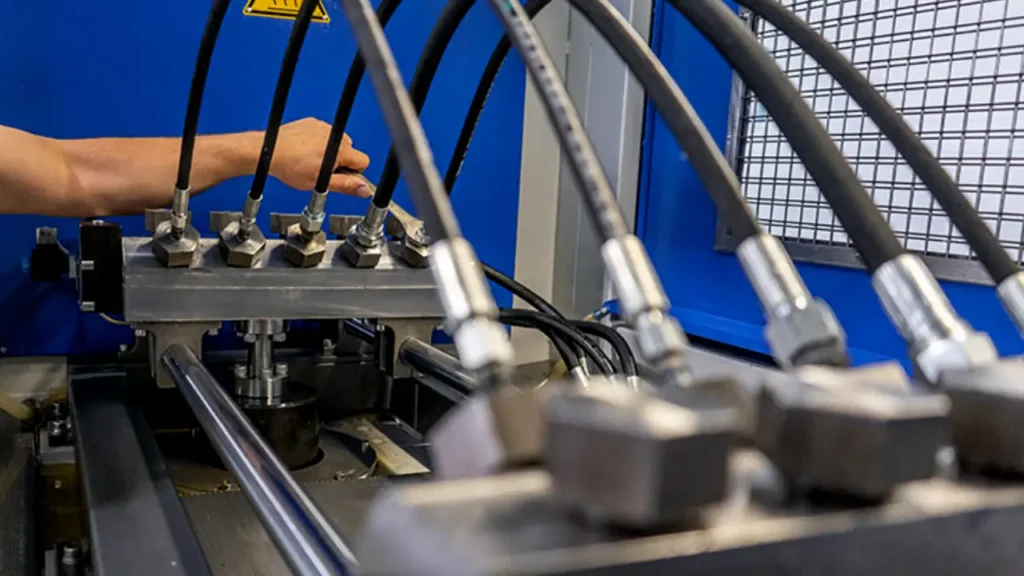
Hydraulic hose pressure testing is a crucial procedure designed to evaluate the integrity and performance of hydraulic hoses under simulated operating pressures. This process involves subjecting the hoses to controlled pressure levels, often exceeding their rated working pressure, to identify any potential weaknesses, leaks, or failures. The testing ensures that the hoses can safely and reliably handle the pressures they will encounter in real-world applications.
The purpose of hydraulic hose pressure testing is to verify that the hoses meet industry standards and manufacturer specifications. This testing is essential for preventing catastrophic failures, which can lead to equipment damage, fluid leaks, and safety hazards. By rigorously testing hoses, manufacturers and users can ensure that hydraulic systems operate safely and efficiently.
Hydraulic Hose Pressure Testing Standards
Hydraulic hose pressure testing standards are crucial for ensuring the safety and reliability of hydraulic systems. These standards provide guidelines for conducting pressure tests, defining the parameters, procedures, and acceptance criteria.
Adherence to these standards guarantees that hydraulic hoses can withstand the pressures they’ll encounter in real-world applications, minimizing the risk of failures and leaks. Organizations like the Society of Automotive Engineers (SAE) and the International Organization for Standardization (ISO) publish these standards.
Here are some key aspects covered by hydraulic hose pressure testing standards:
- Proof Pressure Testing: Verifies the hose’s ability to withstand a pressure significantly higher than its working pressure without permanent deformation.
- Burst Pressure Testing: Determines the maximum pressure the hose can withstand before rupturing.
- Impulse Pressure Testing: Assesses the hose’s resistance to repeated pressure fluctuations, simulating cyclic loading.
- Leakage Testing: Checks for any leaks under pressure, ensuring the hose’s integrity.
- Temperature Testing: Evaluates the hose’s performance under extreme temperature conditions.
- Dimensional Stability: Checks for changes in hose dimensions after pressure testing.
- Materials and Construction Requirements: Specifies the quality and type of materials and construction methods for the hose.
Hydraulic Hose High Pressure and Low Pressure
Hydraulic hoses are designed to withstand varying levels of pressure, making them crucial for different applications. Understanding the differences between high-pressure and low-pressure hoses is essential for selecting the right hose for your system.
Here’s each type of hydraulic hose pressure, including their typical uses and pressure ratings.
High Pressure Range
High-pressure hydraulic hoses are designed to handle intense pressure levels, making them ideal for demanding industrial environments. These hoses can withstand pressures ranging from 3,000 psi to over 10,000 psi, depending on the application.
- Applications: Used in construction, manufacturing, and mining, where high pressure is required for hydraulic systems to perform effectively.
- Pressure Ratings: Typically rated between 3,000 and 10,000 psi, with reinforced layers for added strength.
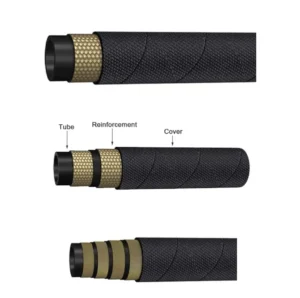
- Materials: Often made with multiple layers of steel wire or braided fibers for durability and resistance to pressure surges.
Low Pressure Range
Low-pressure hydraulic hoses are intended for applications where pressure demands are lower. These hoses typically handle pressures of up to 1,500 psi, ideal for lighter-duty machinery or systems that don’t require high-pressure capabilities.
- Applications: Suitable for agricultural equipment, lawn and garden machinery, or other light industrial systems.
- Pressure Ratings: Usually rated for up to 1,500 psi, often with a single layer of reinforcement.
- Materials: Made from synthetic rubber and braided fibers for flexibility and ease of handling.
Hydraulic Hose Pressure Rating
| Hose Type | Pressure Rating | Typical Applications | Material |
|---|---|---|---|
| High Pressure | 3,000 to 10,000 psi | Construction, Mining | Steel wire, braided |
| Low Pressure | Up to 1,500 psi | Agricultural, Lawn Equipment | Synthetic rubber, braided fibers |
Hydraulic Hose Pressure Test Procedure
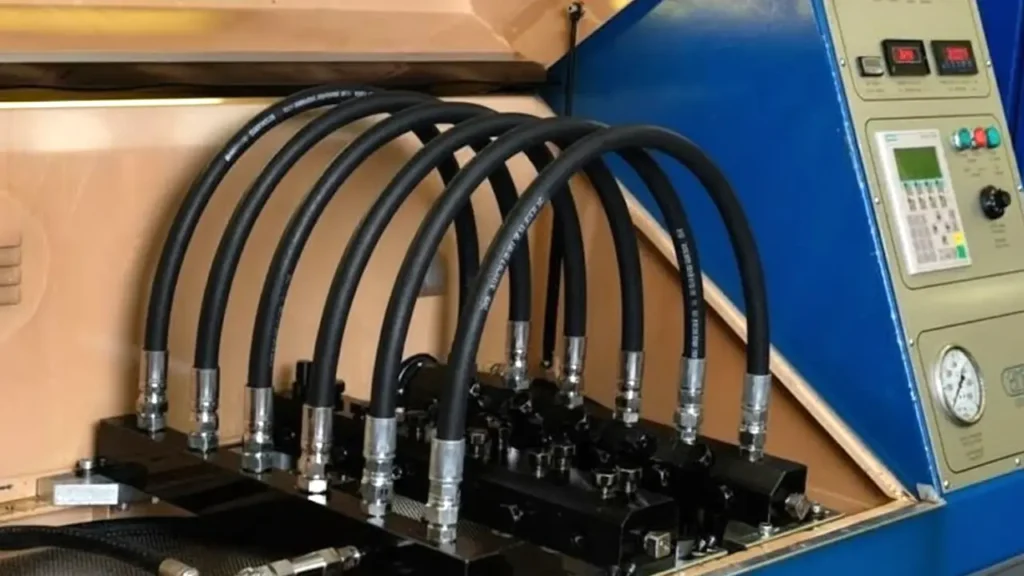
Hydraulic hose pressure testing is essential for verifying the integrity and safety of hydraulic systems. Following a structured procedure ensures accurate results and minimizes the risk of failures. This guide outlines the steps on how to test hydraulic hose pressure:
Tools Needed for Hydraulic Hose Pressure Testing:
- Hydraulic pressure test bench
- Pressure gauges (calibrated)
- Adapters and fittings (compatible with hose and test bench)
- Hydraulic fluid (appropriate for hose and test conditions)
- Safety shields or enclosures
- Measuring tools (calipers, tape measure)
- Leak detection solution (soapy water or specialized fluid)
- Safety equipment (eye protection, gloves, etc.)
Step 1: Preparing the Hose and Test Setup
The initial step involves preparing the hydraulic hose for testing. This includes visually inspecting the hose for any damage, such as cuts, abrasions, or kinks. Ensure the hose is clean and free from debris. Connect the hose to the hydraulic pressure test bench using appropriate adapters and fittings. Verify all connections are secure to prevent leaks during testing.
Next, set up the hydraulic pressure test bench. This involves filling the system with the appropriate hydraulic fluid and calibrating the pressure gauges. Position safety shields or enclosures around the test area to contain any potential hose ruptures or fluid sprays. Ensure all safety equipment is in place and functioning correctly.
Accurate preparation is critical for obtaining reliable test results. Any flaw in the setup may cause an inaccurate reading or a dangerous failure.
Step 2: Conducting the Pressure Test
Once the hose and test setup are prepared, the pressure test can begin. Slowly increase the pressure in the hose to the specified test pressure, as defined by industry standards or manufacturer specifications. Hold the pressure for a predetermined duration, typically several minutes, to allow for thorough evaluation. Monitor the pressure gauges for any pressure drops, indicating leaks or hose expansion.
While the hose is under pressure, visually inspect it for any signs of leakage, bulging, or deformation. Use a leak detection solution, such as soapy water or a specialized fluid, to identify any leaks at the fittings or along the hose length. Record the pressure readings and any observations during the test.
Careful monitoring of the pressure is very important. Any sudden drop in pressure, or a change in the shape of the hose could mean a failure.
Step 3: Analyzing and Reporting Test Results
After completing the pressure test, carefully analyze the results. Compare the recorded pressure readings and observations to the acceptance criteria specified by industry standards or manufacturer specifications. Document any leaks, deformations, or failures observed during the test.
Prepare a comprehensive test report that includes details about the hose, test setup, procedure, and results. This report should include pressure readings, observations, and any deviations from the acceptance criteria. The test report is crucial for evaluating the hose’s performance and determining its suitability for its intended application.
Accurate reporting is crucial for proper record keeping, and to ensure that the hose tested, meets the standards required.
Why Hydraulic Hose Pressure Testing is Critical for Equipment Longevity
Hydraulic hose pressure testing plays a vital role in maintaining the longevity of equipment. By regularly checking the pressure tolerance and integrity of hoses, potential issues can be identified early, reducing costly repairs and downtime.
Below are the key reasons why this testing is critical:
- Prevents catastrophic hose failures: Pressure testing identifies weaknesses that could lead to unexpected bursts, preventing damage to machinery. Early detection allows for timely repairs or replacements, ensuring safer operations.
- Ensures system efficiency: Regular pressure checks guarantee that the hydraulic system operates at optimal efficiency. Even slight pressure drops can impact performance, leading to higher energy consumption and wear on components.
- Reduces maintenance costs: By identifying small issues before they escalate, pressure testing helps minimize expensive repairs. Catching problems early saves both time and money in the long term, extending the lifespan of the equipment.
- Improves safety standards: Pressure testing is a safety measure that protects operators and equipment from accidents caused by hydraulic hose failures. It ensures that all components meet industry safety regulations and standards.
- Minimizes downtime: Regular pressure testing can prevent unplanned downtime caused by hose failure, allowing for better planning of maintenance schedules and ensuring smoother, continuous operations.
Hydraulic Hose Pressure Testing Equipment
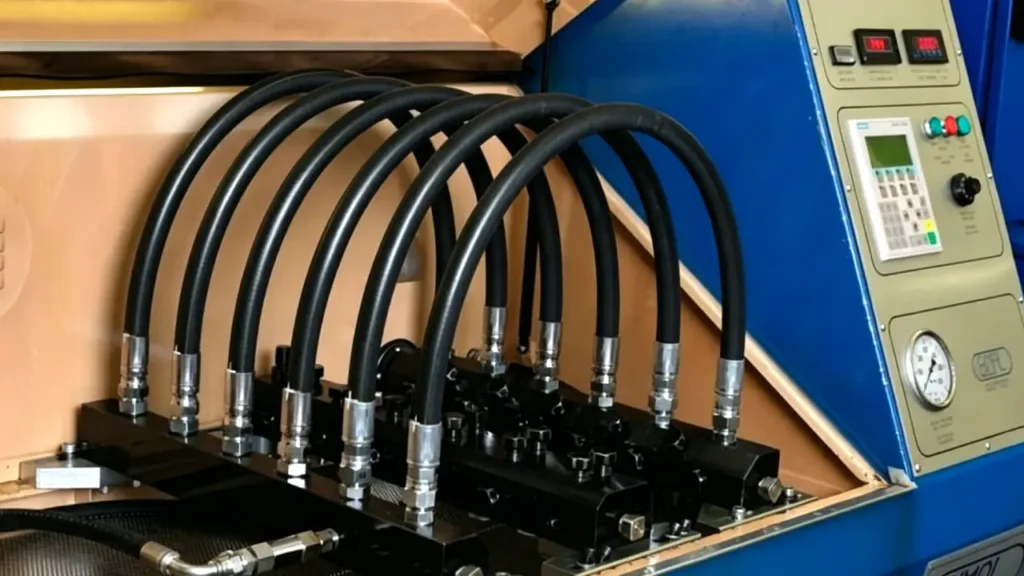
Hydraulic hose pressure testing equipment ensures your hoses perform safely under high pressure conditions, preventing leaks and failures. Proper testing protects machinery, reduces downtime, and maintains workplace safety.
Reliable equipment allows technicians to simulate real-world pressures and identify weak points before installation, extending hose life and improving overall system efficiency.
- Safety Assurance: Testing equipment verifies hose integrity under extreme pressures, preventing dangerous blowouts and system failures. Simulating operational conditions, it ensures hoses meet safety standards, protecting both operators and machinery. This step is critical in industries relying on high-pressure hydraulic systems.
- Performance Verification: Equipment measures a hose’s ability to withstand repeated pressure cycles without deforming or leaking. This helps detect manufacturing defects early and ensures consistent performance across all hoses, reducing maintenance costs and avoiding unexpected downtime.
- Efficiency Improvement: Regular testing identifies hoses that may underperform or fail prematurely. By addressing issues proactively, you maintain optimal hydraulic system efficiency, ensuring smooth operations, reducing energy losses, and extending the lifespan of connected components.
- Compliance with Standards: Advanced pressure testing devices help meet industry regulations and quality standards. They provide documented proof that hoses comply with pressure ratings, supporting audits, certifications, and customer confidence in your hydraulic products.
Hydraulic Hose Working Pressure and Burst Pressure

Hydraulic hose working pressure and burst pressure are two critical specifications that define a hose’s performance and safety limits.
This is the maximum pressure a hydraulic hose is designed to handle continuously during normal operation. It’s the pressure at which the hose can reliably function without failure or significant degradation over its intended lifespan. Operating a hose above its working pressure can lead to premature wear, leaks, or catastrophic ruptures.
This is the maximum pressure a hydraulic hose can withstand before it bursts or fails catastrophically. It’s a significantly higher pressure than the working pressure, providing a safety margin.
Importantly, as you mentioned, it is a common industry standard that the burst pressure is often designed to be at least four times the working pressure. This safety factor is essential to account for pressure spikes, surges, and other unexpected events in a hydraulic system.
Here’s why this distinction is important:
- Safety: The 4:1 safety factor helps prevent accidents and equipment damage.
- Reliability: Operating within the working pressure ensures a long and reliable hose lifespan.
- Performance: Choosing the right hose with appropriate working and burst pressures is critical for optimal system performance.
Therefore, when selecting a hydraulic hose, it’s essential to consider both the working pressure and the burst pressure, ensuring they meet the specific requirements of the application.
Hydraulic Hose Testing Standards

Hydraulic hoses are essential in fluid power systems, and testing ensures safety, reliability, and compliance with industry standards. Regular testing prevents leaks, bursts, and system failures while maintaining consistent performance. Knowing hydraulic hose testing standards helps engineers, manufacturers, and maintenance teams ensure optimal operation.
- SAE Standards – SAE (Society of Automotive Engineers) defines testing for hydraulic hoses, including pressure ratings, burst tests, and environmental resistance, ensuring hoses perform safely under high-pressure conditions while meeting rigorous industry expectations for durability, reliability, and consistent performance in demanding industrial applications.
- ISO Standards – ISO 1436 and related standards provide global testing benchmarks for hose dimensions, pressure, and performance. Adhering to ISO standards guarantees hoses can be used internationally, delivering consistent operational safety, high reliability, and long-term durability across various hydraulic systems and industrial environments.
- Pressure Testing – Pressure tests, including proof and burst tests, evaluate a hose’s ability to handle maximum operating pressures without failure. This ensures system reliability, prevents leaks or ruptures, and helps avoid costly downtime, protecting equipment and personnel in critical hydraulic applications.
- Environmental and Flexibility Tests – Hoses undergo testing for temperature extremes, chemical exposure, abrasion, and repeated bending cycles. These tests ensure hoses maintain integrity under harsh conditions, extending their service life, ensuring reliable performance, and maintaining safety in demanding industrial and mobile hydraulic systems.
- Certification and Documentation – Manufacturers provide certified test reports documenting compliance with all relevant standards, including performance results. This documentation is essential for quality assurance, regulatory adherence, and customer confidence, proving that hydraulic hoses meet required specifications for safe and reliable operation.
Conclusion
Hydraulic hose pressure testing is a vital aspect of maintenance that helps ensure the safety and functionality of your hydraulic systems. Regular testing can help detect any weaknesses or damage early, preventing catastrophic failures and extending the lifespan of your equipment. Make sure to follow the right procedures and always prioritize safety during testing.
When it comes to sourcing hydraulic hoses, Gushan Rubber is your trusted partner. We offer a wide selection of durable hoses suitable for various applications, ensuring reliability under pressure. Our hoses are engineered to withstand extreme conditions and are built for long-term performance, making them a top choice for industries around the world.
For wholesale hydraulic hoses that deliver exceptional performance and value, look no further than Gushan Rubber. With our reliable products and customer-first service, we help businesses keep their hydraulic systems running smoothly. Contact us today to explore our range of hoses and get the best deals for your operations.