Hydraulic hoses are critical components in many industries, from construction and manufacturing to agriculture and transportation.
Ensuring their integrity is paramount to the safety and efficiency of hydraulic systems. Regular and thorough testing of hydraulic hoses is essential to identify potential issues before they lead to catastrophic failures.
This guide provides a comprehensive overview of hydraulic hose testing procedures, covering various methods and techniques.
Hydraulic Hose Testing
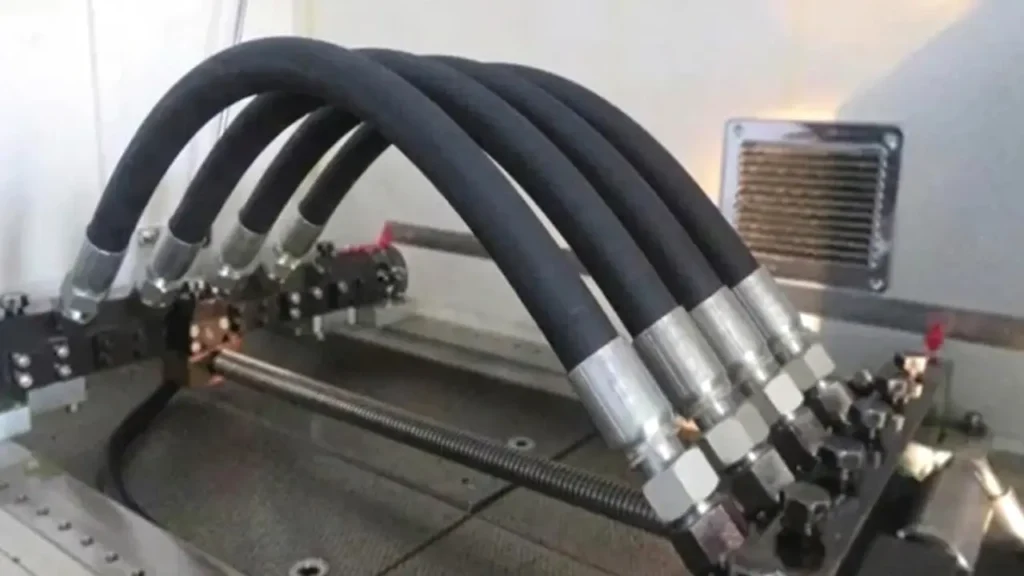
Hydraulic hose testing is a critical process to ensure the safety and reliability of hydraulic systems. By regularly testing hydraulic hoses, you can identify potential issues early on and prevent costly breakdowns and accidents.
Types of Hydraulic Hose Testing
Hydraulic hose testing is essential to ensure the reliability, safety, and performance of hoses used in high-pressure systems. Different types of testing are performed to assess various factors such as pressure tolerance, durability, and leak resistance. Here, we cover the most common testing methods used for hydraulic hoses.
1. Hydraulic Hose Pressure Testing
Hydraulic hose pressure testing is the most common form of hydraulic hose testing, designed to check if the hose can withstand the maximum working pressure. During this test, hydraulic hoses are subjected to internal pressure higher than their rated capacity to ensure they don’t burst or leak. The test helps identify weaknesses in the hose material, fittings, or connections.
Hydraulic hose pressure testing is crucial for ensuring that the hydraulic system can operate safely under demanding conditions. It simulates the stresses a hose will face in real-world applications and verifies that the hose can handle pressure fluctuations without failure. Regular hydraulic hose pressure testing ensures the hose remains reliable throughout its lifespan, preventing accidents and system malfunctions.
2. Hydraulic Hose Burst Testing
Hydraulic hose burst testing evaluates the maximum pressure a hydraulic hose can handle before it fails or bursts. In this test, the hydraulic hose is subjected to increasing internal pressure until it fails, allowing manufacturers to determine its maximum burst strength. This testing is used to identify hydraulic hoses that could fail in extreme conditions.
This hydraulic hose testing method helps determine the safety margin of a hydraulic hose beyond its specified working pressure. Manufacturers often use hydraulic hose burst testing to ensure that the hose can handle emergencies or unexpected pressure spikes. Burst testing ensures that even in critical conditions, the hydraulic hose won’t result in dangerous leaks or catastrophic failures, providing extra protection.
3. Hydraulic Hose Impulse Testing
Hydraulic hose impulse testing is designed to evaluate the durability of hydraulic hoses under repeated pressure cycles. This test subjects the hydraulic hose to repeated pressure variations, simulating long-term use and fatigue. The test identifies how well the hydraulic hose withstands pressure fluctuations over time, which is crucial for hoses used in dynamic environments.
Hydraulic hoses that pass impulse testing are proven to withstand the constant pressure cycles they will encounter in real-world applications, such as in mobile equipment or machinery. This hydraulic hose testing helps ensure that hydraulic hoses will maintain their integrity and performance throughout their service life, even when exposed to repeated stress and environmental changes.
4. Hydraulic Hose Leak Testing
Hydraulic hose leak testing involves inspecting hydraulic hoses for any signs of leaks under pressure. This hydraulic hose testing is crucial for determining the integrity of the hose and its fittings. Any leak, even minor, can compromise the safety and efficiency of the hydraulic system. Leak testing ensures that the hydraulic hose maintains a proper seal during operation.
During hydraulic hose leak testing, the hydraulic system is pressurized while the hydraulic hose is carefully monitored for leaks or seepage. Detecting and addressing leaks early prevents costly damage and ensures that the hydraulic system operates efficiently without fluid loss. This hydraulic hose testing is particularly vital for high-pressure systems where even the smallest leak can cause significant issues.
5. Hydraulic Hose Abrasion Testing
Hydraulic hose abrasion testing evaluates how well a hydraulic hose can resist wear and tear from external factors such as friction or rough surfaces. This hydraulic hose testing involves rubbing the hose against a rough surface under specific conditions to simulate wear from the environment. It helps identify how long the hydraulic hose can last in harsh conditions.
Hydraulic hoses subjected to abrasion testing are assessed for how their outer layers handle exposure to abrasive materials, such as dirt, rocks, or metal. This type of hydraulic hose testing is essential for hoses used in rugged environments like construction sites or mining operations, where the hydraulic hose is exposed to constant physical contact and abrasion from rough surfaces.
| Test Type | Purpose | Key Benefit |
|---|---|---|
| Hydraulic Hose Pressure Testing | Assesses the hydraulic hose’s ability to withstand high pressure | Ensures the hydraulic hose can handle maximum operating pressure |
| Hydraulic Hose Burst Testing | Evaluates the hydraulic hose’s maximum pressure before failure | Determines the safety margin in extreme conditions |
| Hydraulic Hose Impulse Testing | Tests hydraulic hose durability under repeated pressure cycles | Ensures long-term reliability in dynamic applications |
| Hydraulic Hose Leak Testing | Identifies leaks in the hydraulic hose and fittings | Prevents fluid loss and ensures system efficiency |
| Hydraulic Hose Abrasion Testing | Evaluates the hydraulic hose’s resistance to wear and tear | Ensures durability in harsh, abrasive environments |
Importance of Hydraulic Hose Testing
Hydraulic hose testing is crucial for ensuring the reliability, safety, and performance of hoses in high-pressure systems. By conducting proper tests, potential failures can be detected early, ensuring that hydraulic systems operate efficiently and safely. Routine testing also helps extend the lifespan of hoses and reduces the risk of downtime.
- Prevents Catastrophic Failures: Identifies weaknesses before failure.
Hydraulic hose testing allows manufacturers and operators to identify any weaknesses, such as cracks or weak fittings, before they cause catastrophic failures. Early detection helps avoid unexpected breakdowns, which can lead to costly repairs and hazardous situations. This proactive approach enhances safety and operational continuity. - Ensures Safety and Compliance: Meets industry safety standards.
Regular hydraulic hose testing ensures that hoses meet stringent safety regulations and industry standards. It helps prevent dangerous situations, such as hose bursts or leaks, which could lead to accidents. Compliance with safety protocols not only protects workers but also prevents damage to equipment and the environment. - Improves System Efficiency: Reduces downtime and improves performance.
By regularly testing hydraulic hoses, operators can identify and address issues that could affect system performance. This ensures that hydraulic systems operate smoothly without unnecessary downtime. Proper testing can also optimize the efficiency of the hydraulic system, leading to better performance and reduced maintenance costs over time. - Extends Hose Lifespan: Detects wear and tear early.
Routine hydraulic hose testing helps detect signs of wear, such as abrasion, swelling, or cracks, before they become critical issues. Early detection allows for timely replacement or repair, extending the hose’s lifespan and preventing unexpected failures. This contributes to the overall longevity of the hydraulic system. - Cost-Effective Maintenance: Reduces repair costs over time.
Hydraulic hose testing allows for preventative maintenance, which can significantly reduce repair costs in the long run. By identifying potential issues early, operators can avoid more expensive repairs and replacements that may arise from undetected damage. Proper maintenance through testing ensures that hoses remain in optimal condition and operational costs are minimized.
Hydraulic Hose Pressure Testing
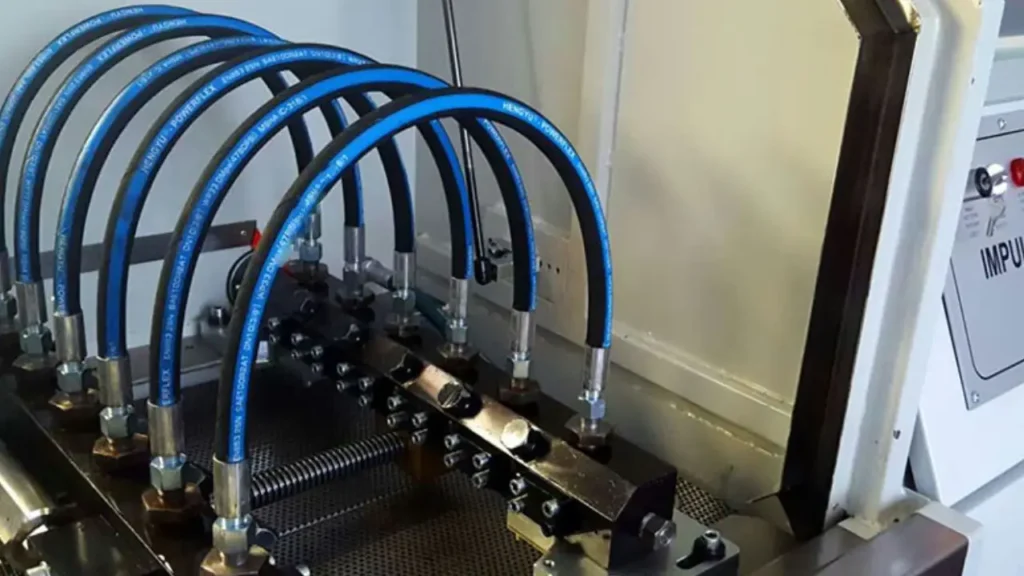
Hydraulic hose pressure testing is a critical procedure to ensure the integrity and safety of hydraulic systems. By subjecting hoses to controlled pressure, potential weaknesses and defects can be identified before they lead to catastrophic hydraulic hose failures.
Why is Pressure Testing Important?
- Early Detection of Faults: Pressure testing can reveal hidden flaws, such as cracks, leaks, or weakened areas, that may not be visible during a visual inspection.
- Verification of Pressure Rating: It ensures that the hose can withstand the maximum operating pressure of the hydraulic system.
- Preventive Maintenance: Regular pressure testing can help identify potential issues before they escalate into major problems.
Types of Pressure Testing:
- Hydrostatic Test: Involves filling the hose with a liquid, typically water, and applying pressure. This method can detect leaks and other defects.
- Pneumatic Test: Uses compressed air to pressurize the hose. This method is often used for hoses that will be filled with air or gas.
Factors to Consider During Pressure Testing:
- Pressure Rating: The test pressure should exceed the hose’s working pressure to identify potential weaknesses.
- Test Duration: The duration of the test should be sufficient to allow for thorough inspection.
- Environmental Factors: Temperature and humidity can affect the hose’s performance, so consider these factors when conducting the test.
Safety Precautions:
- Personal Protective Equipment (PPE): Wear appropriate PPE, including safety glasses, gloves, and protective clothing.
- Controlled Environment: Conduct the test in a controlled environment, away from potential hazards.
- Emergency Procedures: Have a plan in place to handle unexpected situations, such as a sudden hose failure.
By conducting regular pressure testing and following safety guidelines, you can significantly reduce the risk of hydraulic hose failures and ensure the safety and reliability of your hydraulic systems.
Hydraulic Hose Impulse Testing
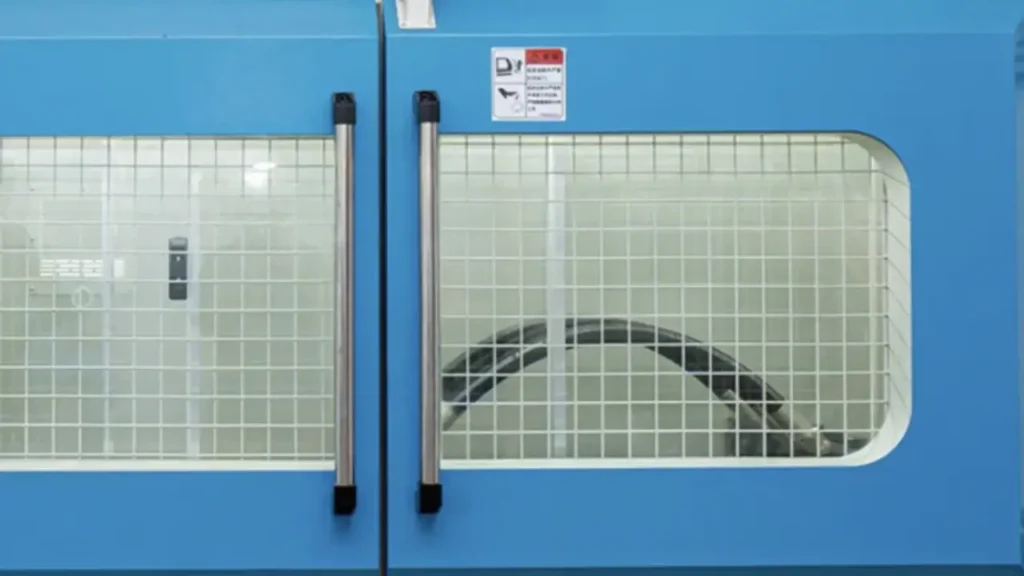
Hydraulic hose impulse testing is a rigorous process that evaluates the durability and reliability of hydraulic hoses under dynamic pressure conditions. It involves subjecting the hose to repeated cycles of pressure, simulating the real-world operating conditions of a hydraulic system.
Why is Impulse Testing Important?
- Predicts Service Life: Impulse testing helps determine the lifespan of a hydraulic hose by assessing its ability to withstand repeated pressure cycles.
- Identifies Weaknesses: It can reveal potential weaknesses in the hose’s construction, such as material fatigue or manufacturing defects.
- Ensures Safety: By identifying potential failure points, impulse testing helps prevent catastrophic failures that could lead to injuries or property damage.
- Optimizes Design: Manufacturers can use the results of impulse testing to improve hose design and material selection.
The Impulse Testing Process
- Test Setup: The hose is mounted on a testing machine and subjected to a specific pressure profile.
- Pressure Cycling: The hose is repeatedly pressurized and depressurized to simulate real-world operating conditions.
- Monitoring and Inspection: The hose is closely monitored for signs of damage, such as cracks, leaks, or bulges.
- Failure Analysis: If the hose fails during the test, a detailed analysis is conducted to determine the root cause of the failure.
By understanding the importance of hydraulic hose impulse testing and implementing rigorous testing procedures, manufacturers can ensure the reliability and safety of their products.
Hydraulic Hose Aging Testing
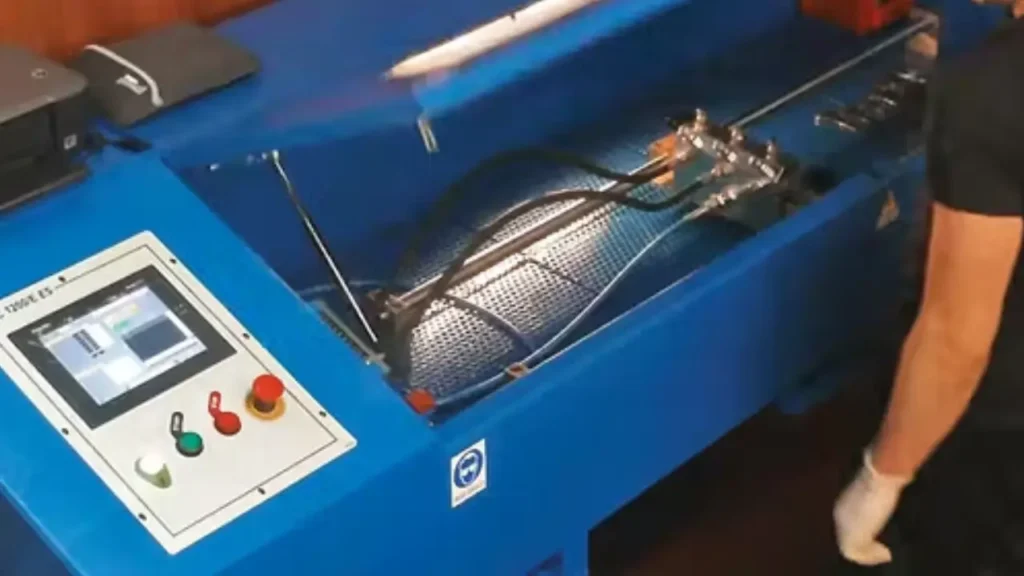
Hydraulic hose aging testing is a critical process to assess the long-term durability and performance of hydraulic hoses. By simulating accelerated aging conditions, manufacturers and users can evaluate the potential degradation of hose materials and identify potential failure points.
Common Aging Testing Methods
Heat Aging Test:
- Process: Exposing the hose to elevated temperatures for a specified period.
- Purpose: To simulate the effects of long-term exposure to high temperatures, which can lead to material degradation, cracking, and loss of flexibility.
Ozone Aging Test:
- Process: Exposing the hose to ozone gas, which can cause oxidative degradation of the rubber compounds.
- Purpose: To assess the hose’s resistance to ozone cracking, a common form of degradation in rubber products.
UV Aging Test:
- Process: Exposing the hose to ultraviolet radiation, simulating the effects of sunlight.
- Purpose: To evaluate the hose’s resistance to UV degradation, which can lead to color fading, cracking, and loss of mechanical properties.
Flex Fatigue Test:
- Process: Repeatedly flexing the hose to simulate real-world bending and flexing cycles.
- Purpose: To assess the hose’s resistance to fatigue failure, which can occur due to repeated flexing and bending.
Fluid Compatibility Test:
- Process: Immersing the hose in the specific fluid to be used in the application.
- Purpose: To evaluate the hose’s resistance to chemical attack and swelling.
By conducting these tests, manufacturers can ensure that their hydraulic hoses meet the required performance standards and are suitable for their intended applications. Additionally, users can assess the condition of their hoses and replace them before they reach the end of their service life, reducing the risk of catastrophic failures.
Hydraulic Hose Test Certificate
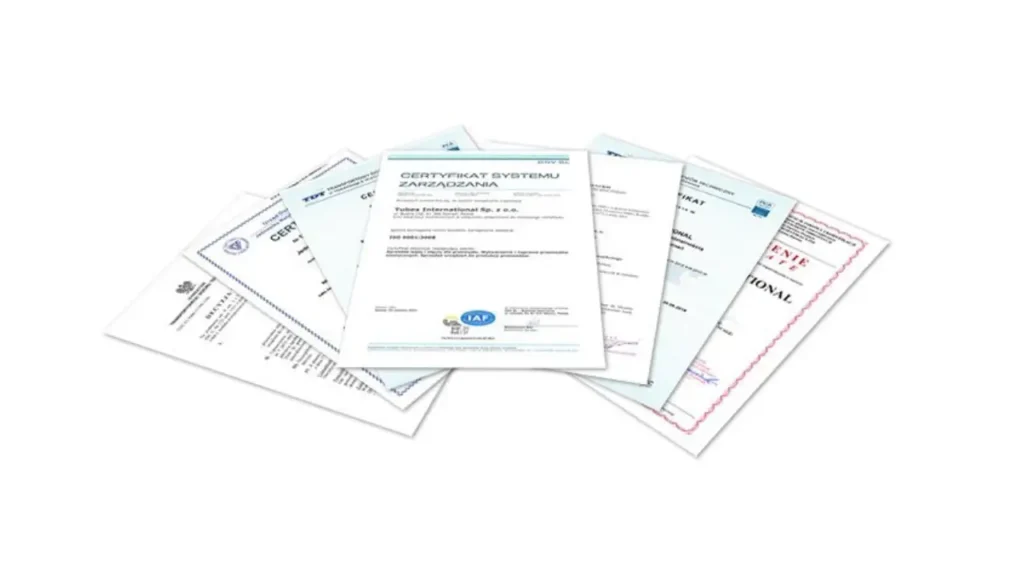
A hydraulic hose test certificate is a crucial document that verifies the integrity and performance of hydraulic hoses. It typically includes the following information:
Hose Specifications:
- Size (ID, OD)
- Material
- Pressure rating
- Temperature range
- Fluid compatibility
Test Parameters:
- Test pressure
- Test duration
- Test temperature
- Test method (hydrostatic or pneumatic)
Test Results:
- Whether the hydraulic hose passed or failed the test
- Any defects or anomalies observed during the test
Certification Authority: The name and accreditation of the organization that conducted the test
Test Date and Location: The date and location of the test
Signature and Stamp: The signature and stamp of the authorized personnel who conducted the test
Importance of Hydraulic Hose Test Certificates:
- Safety Assurance: Ensures that the hose is safe for use and can withstand the intended operating conditions.
- Compliance: Demonstrates compliance with industry standards and regulations.
- Quality Control: Verifies the quality and performance of the hose.
- Warranty Claims: Provides evidence for warranty claims in case of premature failure.
When to Request a Hydraulic Hose Test Certificate:
- New Hose Purchases: To verify the quality and performance of newly purchased hoses.
- Periodic Inspections: To assess the condition of hoses in service and identify potential issues.
- After Repairs: To confirm the integrity of repaired hoses.
- Insurance Requirements: Some insurance policies may require proof of hose testing.
By requesting and reviewing hydraulic hose test certificates, you can ensure the safety and reliability of your hydraulic systems.
Conclusion
Regular hydraulic hose testing is essential for maintaining the safety and reliability of your hydraulic systems. By following the guidelines outlined in this guide, you can identify potential issues early on and prevent costly breakdowns.
Ready to upgrade your hydraulic systems with high-quality hoses?
Contact us today to explore our wide range of hydraulic hoses and fittings. Our expert team can help you select the right products for your specific application and provide expert advice on installation and maintenance.