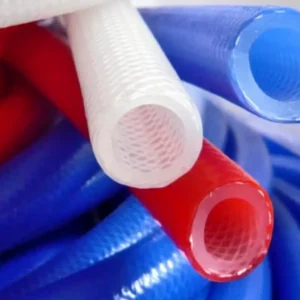
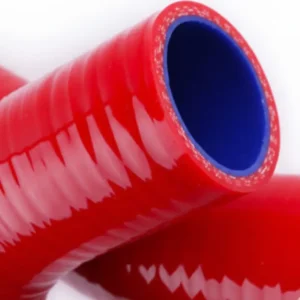
Hydraulic hoses are essential components in many industries, from construction and agriculture to manufacturing and mining. Proper storage of these hoses is crucial to ensure their longevity and optimal performance. Improper storage can lead to premature deterioration, leaks, and potential safety hazards.
In this blog post, we will delve into the best practices for storing hydraulic hoses. We will discuss factors to consider, storage tips, and common mistakes to avoid. By following these guidelines, you can significantly extend the lifespan of your hydraulic hoses and reduce maintenance costs.
Why Hydraulic Hose Storage is Important?
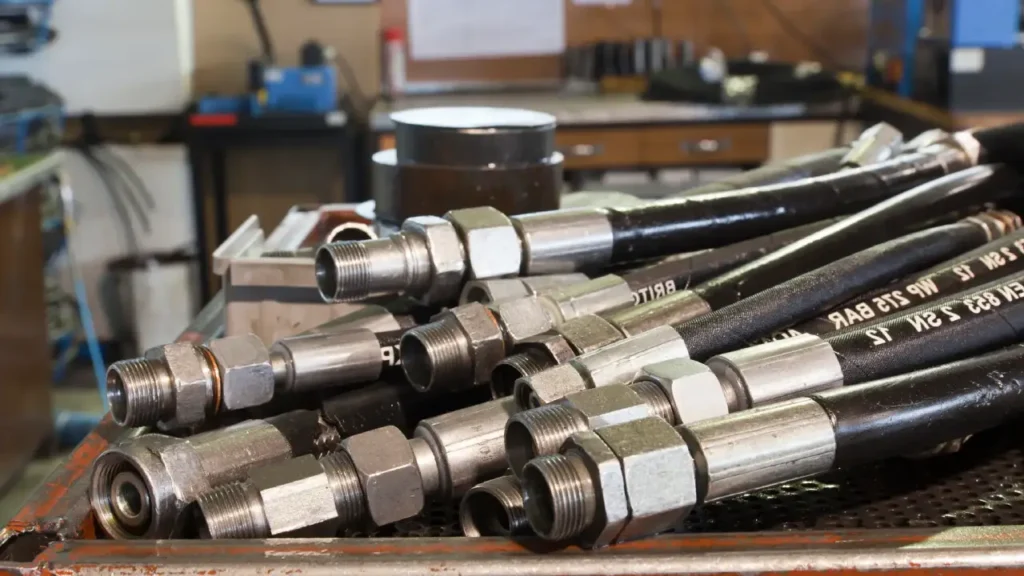
Proper storage of hydraulic hoses is crucial to maintain their performance and extend service life. Incorrect storage can lead to cracks, leaks, and reduced efficiency, costing time and money in repairs or replacements.
Organized storage also ensures hoses are ready for safe use.
- Prevents Damage: Storing hoses properly avoids kinks, abrasions, and exposure to harsh elements. This reduces the risk of leaks and sudden failures, keeping your hydraulic system safe and efficient while lowering maintenance costs over time.
- Extends Hose Lifespan: Correct storage minimizes stress on hose materials, preventing premature aging and degradation. By controlling temperature, humidity, and placement, you ensure hoses maintain flexibility and strength for years, maximizing return on investment.
- Improves Safety: Hydraulic hoses left in disorganized piles or near hazards can create trip risks or sudden bursts. Safe storage practices protect personnel and equipment from accidents and unexpected hydraulic fluid leaks that could be dangerous.
- Maintains Performance: Hydraulic hoses stored in optimal conditions retain pressure resistance and flow capacity. Avoiding twists, sharp bends, or sunlight exposure ensures the hose functions as designed, maintaining system efficiency and reliability under demanding conditions.
- Reduces Maintenance Costs: By preventing damage and wear, proper storage cuts down on frequent replacements and repairs. This proactive approach saves both labor and material costs, allowing maintenance budgets to be used more effectively elsewhere.
- Supports Inventory Management: Organized hydraulic hose storage helps track inventory, identify worn hoses, and ensure replacements are available. Proper labeling and shelving prevent overstocking or shortages, streamlining operations and keeping projects on schedule.
- Complies With Standards: Many industries have guidelines for the care and storage of hydraulic hoses. Following recommended practices ensures regulatory compliance, reduces liability risks, and demonstrates commitment to quality and safety standards in operations.
How to Store Hydraulic Hoses?
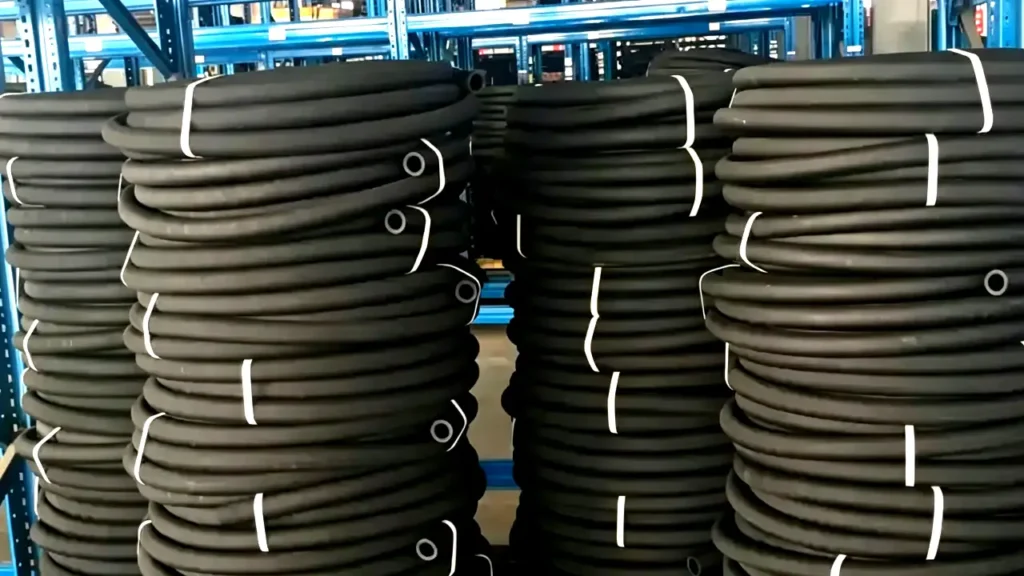
Proper storage of hydraulic hoses is essential to keep them in optimal condition and extend their lifespan. Storing hoses correctly prevents damage, maintains performance, and ensures safety in the workplace. Factors like temperature, humidity, and organization play a vital role.
By following the right techniques, you can reduce maintenance costs, avoid unexpected failures, and ensure that hoses are always ready for reliable operation.
Store Hydraulic Hoses in a Cool, Dry Place
Keeping hydraulic hoses in a cool, dry environment protects them from heat and moisture, which can cause cracking, softening, or premature aging. Avoiding direct sunlight and humid areas helps maintain the hose material’s integrity, ensuring long-term performance.
Proper ventilation is also essential in these storage areas. Air circulation prevents condensation buildup on hoses, which can lead to internal corrosion or mildew growth. A stable environment reduces the need for frequent inspections and replacements.
Hang Hydraulic Hoses on Racks or Hooks
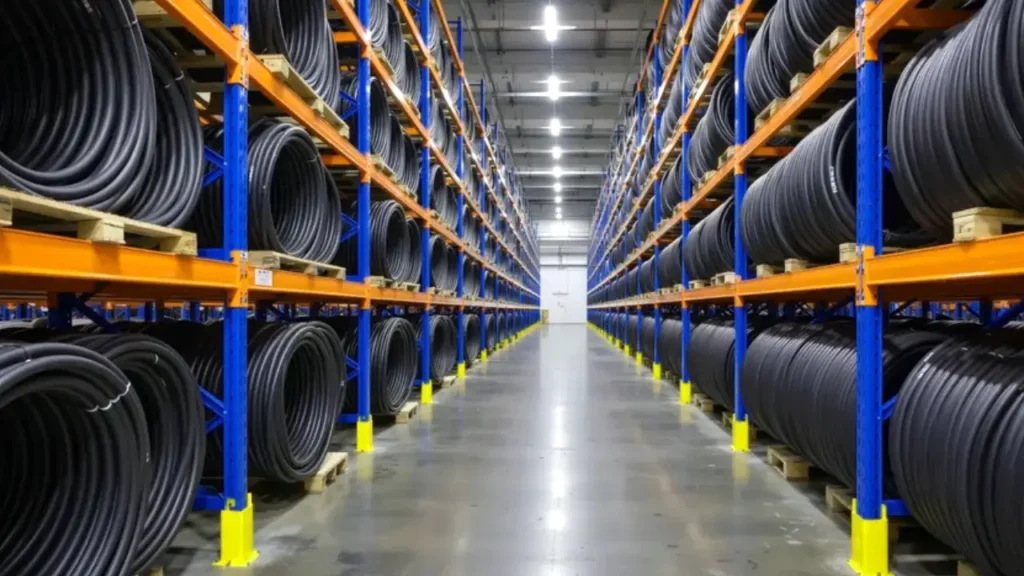
Hanging hoses on racks or hooks prevents kinks, twists, and pressure points that can occur when hoses are piled on the floor. This method maintains the hose’s flexibility and shape while keeping the storage area organized.
Ensure that hooks or racks are smooth and wide enough to support the hose without causing indentations. Proper spacing allows for easy access and reduces the risk of tangling, making it simpler to retrieve hoses when needed.
Coil Hoses Properly
Coiling hydraulic hoses into gentle loops that follow their natural curve reduces stress on the material and prevents internal damage. Avoid tight coils, which can create permanent bends or weaken the hose structure over time.
Use consistent coil sizes for easy stacking and storage. Label each coil if multiple hose types are stored together. This makes inventory management more efficient and ensures that hoses remain in optimal condition.
Store Hoses Off the Ground
Keeping hoses off the floor protects them from dirt, chemicals, and potential physical damage from foot traffic or equipment. Elevated storage also helps prevent moisture absorption from wet surfaces, which can degrade the hose material.
Use pallets, shelves, or dedicated racks to raise hoses above the ground. This method also improves workplace safety by reducing trip hazards and maintaining a clean, organized storage area that is easier to manage.
Avoid Contact With Chemicals and Oils
Hydraulic hoses can degrade when exposed to incompatible chemicals, oils, or solvents. Storing hoses away from these substances prevents swelling, cracking, or chemical reactions that compromise hose integrity.
Check nearby storage areas for potential chemical exposure and ensure hoses are kept in clean, isolated sections. Using protective covers or bins adds an extra layer of defense against accidental spills or contamination.
Rotate Stock Regularly
Using a first-in, first-out (FIFO) approach ensures that older hoses are used before newer ones. This prevents hoses from sitting unused for long periods, which can lead to material degradation even in ideal storage conditions.
Label hoses with purchase or installation dates and track usage carefully. Regularly inspecting stored hoses helps identify aging or damaged hoses early, reducing the risk of system failures and unexpected downtime.
Hydraulic Hose Storage Environment Conditions
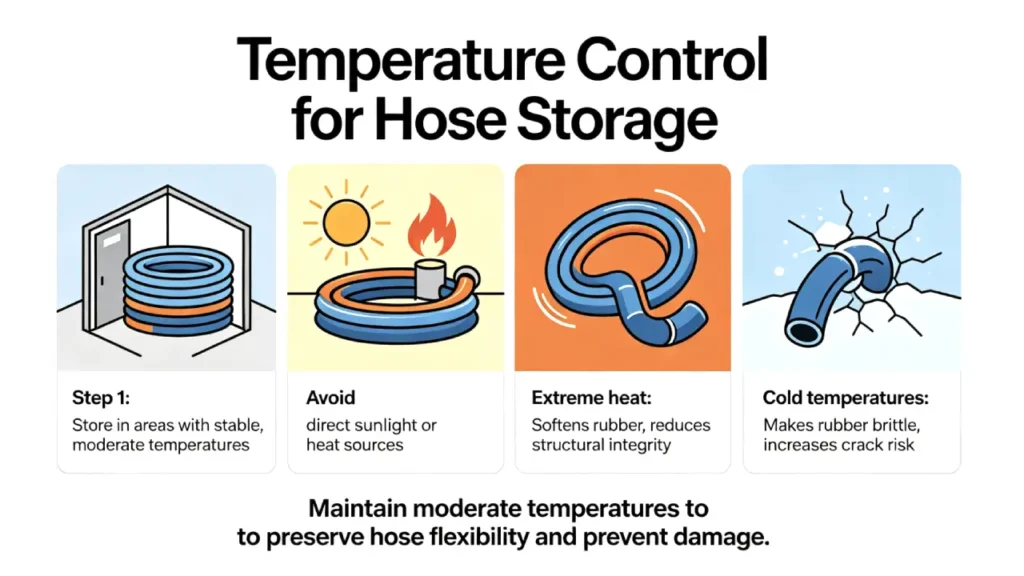
Hydraulic hoses need the right storage environment to maintain performance and longevity. Improper conditions can cause cracks, leaks, or premature wear. Ensuring a controlled storage space helps protect hoses from heat, moisture, chemicals, and physical damage, keeping them ready for safe and efficient use when needed.
- Temperature control: Store hoses in areas with stable, moderate temperatures, avoiding direct sunlight or heat sources. Extreme heat can soften the rubber, while cold can make it brittle, reducing flexibility and increasing the risk of cracks.
- Humidity and moisture: Keep hoses dry and away from excessive humidity. Moisture can promote mold, corrosion on fittings, and degradation of rubber compounds. Proper ventilation and moisture barriers prevent these issues and maintain hose integrity.
- Chemical exposure: Avoid storing hoses near solvents, oils, or other chemicals that can react with rubber materials. Even small spills or vapors can weaken hoses over time. Designate chemical-free zones for hose storage to ensure safety and durability.
- Physical protection: Hoses should be coiled properly and stored on racks or shelves, not on the floor. Avoid bending, crushing, or stacking heavy objects on hoses, as this can damage the internal structure, leading to leaks or ruptures.
Hydraulic Hose Storage Methods
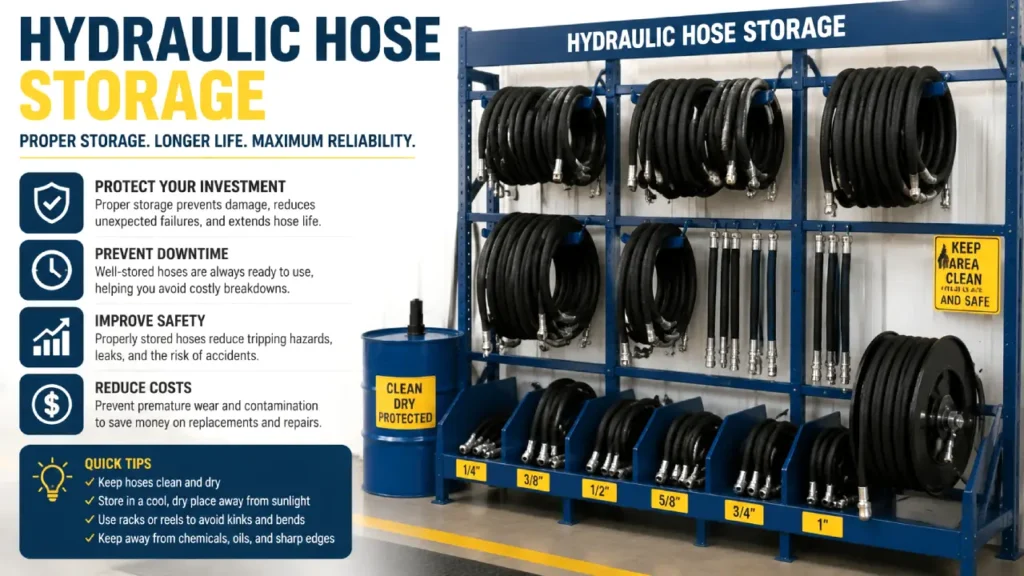
Proper storage of hydraulic hoses is essential to maintain their integrity and extend their lifespan. Here are some effective storage methods:
Coiling Methods
- Figure-Eight Coil: This method involves coiling the hose in a figure-eight pattern, ensuring that the coils are loose and evenly spaced. This helps prevent kinking and stress on the hose.
- Spiral Coil: A spiral coil involves winding the hose in a loose spiral, similar to a garden hose. This method is suitable for longer hoses and can help maintain their shape.
Hydraulic Hose Reel Storage Rack

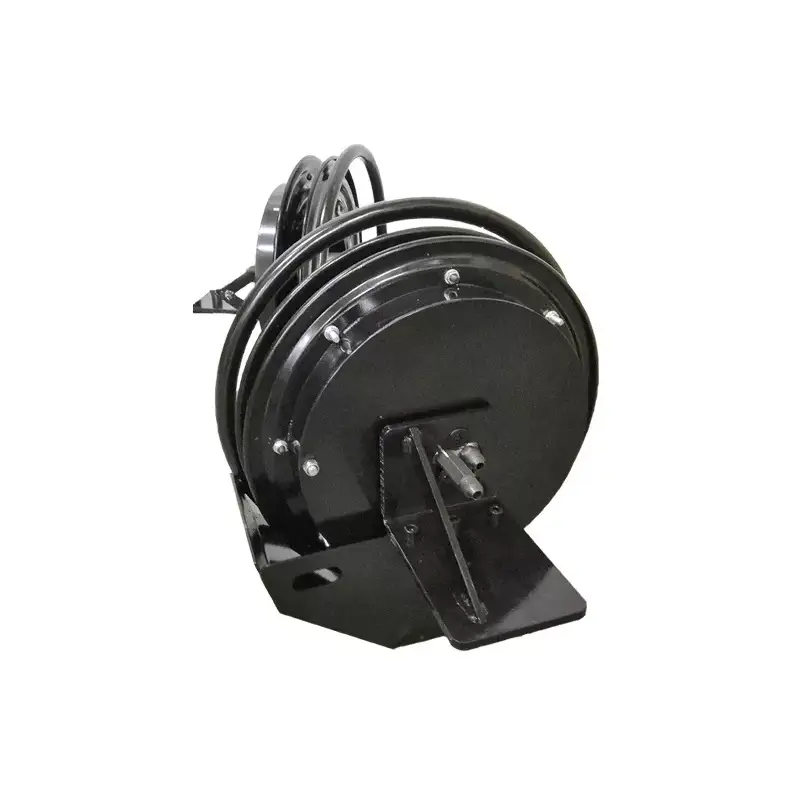

- Horizontal Racks: These racks are designed to hold hoses horizontally, often in a tiered configuration. They are ideal for storing multiple hoses of different lengths and diameters.
- Vertical Racks: Vertical racks allow for efficient storage of hoses in a compact space. They can be wall-mounted or freestanding and often feature hooks or slots to hold the hoses securely.
Additional Considerations
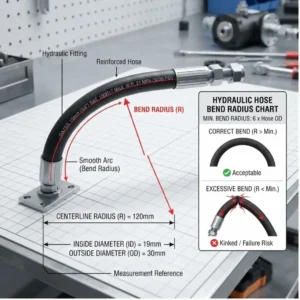
- Avoid Sharp Bends: Excessive bending can damage the hose’s internal structure and weaken its walls.
- Protect from Sunlight: Direct sunlight can degrade the hose material, so store hoses in a shaded area or use UV-resistant covers.
- Keep Away from Heat Sources: High temperatures can accelerate aging and deterioration of the hose.
- Clean Before Storage: Remove dirt, debris, and contaminants that can damage the hose.
- Inspect Regularly: Check hoses for signs of wear, cracks, or leaks before and after storage.
Hydraulic Hose Storage Bins
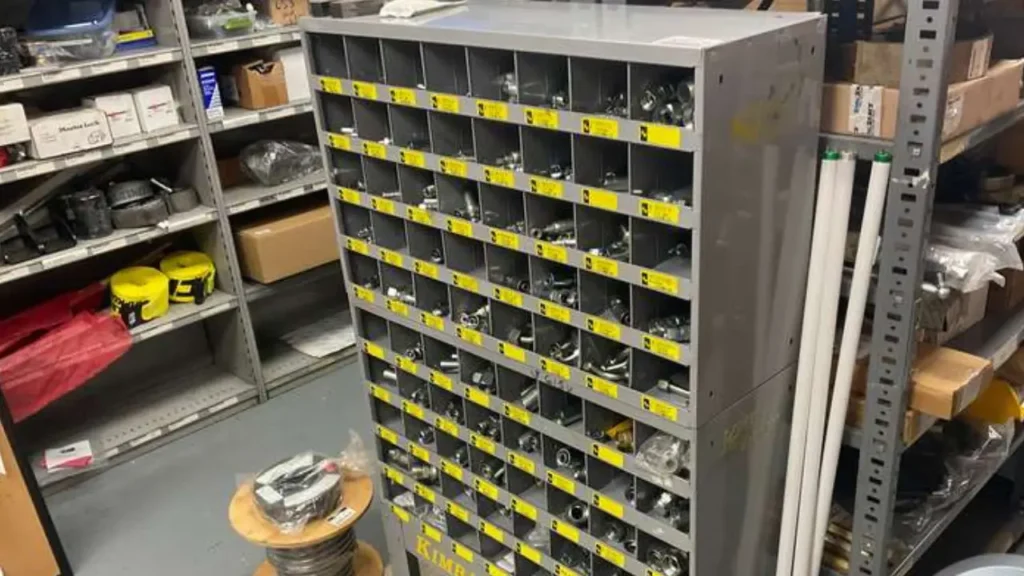
We manufacture and supply hydraulic hose storage bins that revolutionize the way businesses manage their inventory. These specialized bins are essential for organizing various hose types, fittings, and connectors, ensuring everything is readily accessible.
Our focus is on delivering durable, expertly designed storage solutions that enhance efficiency and safety in your workspace.
Key Features of Our Hydraulic Hose Storage Bins
- Optimized Organization and Space Utilization: We provide storage solutions meticulously designed to maximize your floor space while keeping every hose size and component neatly separated. This superior organization minimizes search time, boosting productivity across your operations. Our robust designs ensure longevity and consistent performance in demanding industrial settings.
- Enhanced Inventory Management and Accessibility: Our bins facilitate easy visual inventory checks and quick access to needed parts. This streamlined system reduces the likelihood of ordering errors and ensures faster retrieval of the correct hydraulic components. We offer bins built for tough environments, guaranteeing a longer lifespan for your storage infrastructure.
- Protection for Sensitive Hydraulic Components: We offer bins that provide critical protection against environmental damage, dust, and potential physical impact that can degrade hose materials. Proper storage is vital for maintaining the integrity and reliability of your hydraulic hoses and expensive fittings, preventing premature wear or failure.
- Customizable and Scalable Storage Options: We supply a versatile range of bin configurations and sizes that can be tailored to meet your unique inventory requirements. Whether you need a small setup or a large modular system, we ensure a scalable solution that grows alongside your business needs and product lines.
Choosing the Right Storage Method:
The best storage method depends on various factors, including:
- Hydraulic Hose Type: Different types of hoses may require specific storage conditions.
- Hydraulic Hose Length and Diameter: Longer and larger hoses may require specialized storage solutions.
- Storage Space: The available storage space will influence the choice of storage method.
- Frequency of Use: How often the hoses are used will impact the optimal storage method.
By following these guidelines and selecting the appropriate storage method, you can ensure the longevity and performance of your hydraulic hoses.
Additional Hose Storage Tips:
- Clean Before Storage: Clean hoses thoroughly to remove dirt, debris, and contaminants that can accelerate deterioration.
- Avoid Chemical Exposure: Keep hoses away from chemicals that can corrode or degrade the material.
- Inspect Regularly: Periodically inspect hoses for signs of wear, damage, or leaks.
- First-In, First-Out: Implement a first-in, first-out system to ensure that older hoses are used first.
- Labeling: Label hoses with relevant information, such as size, type, and date of manufacture, to aid in inventory management and identification.
By following these guidelines, you can significantly extend the life of your hydraulic hoses and minimize the risk of costly failures and safety hazards.
Hydraulic Hose Storage System
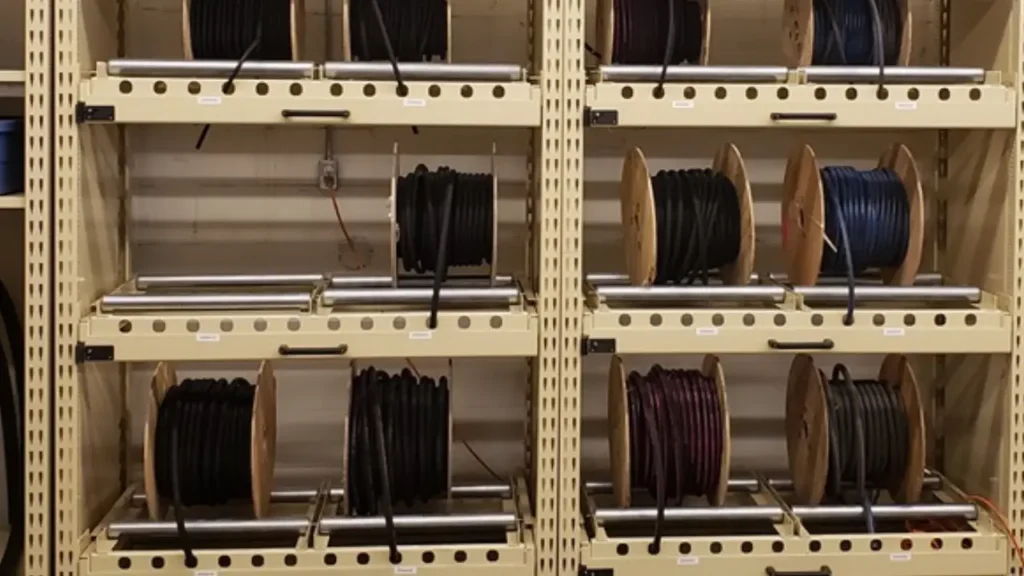
Hydraulic hoses need the right storage environment to maintain performance and longevity. Improper conditions can cause cracks, leaks, or premature wear. Ensuring a controlled storage space helps protect hoses from heat, moisture, chemicals, and physical damage, keeping them ready for safe and efficient use when needed.
- Temperature control: Store hoses in areas with stable, moderate temperatures, avoiding direct sunlight or heat sources. Extreme heat can soften the rubber, while cold can make it brittle, reducing flexibility and increasing the risk of cracks.
- Humidity and moisture: Keep hoses dry and away from excessive humidity. Moisture can promote mold, corrosion on fittings, and degradation of rubber compounds. Proper ventilation and moisture barriers prevent these issues and maintain hose integrity.
- Chemical exposure: Avoid storing hoses near solvents, oils, or other chemicals that can react with rubber materials. Even small spills or vapors can weaken hoses over time. Designate chemical-free zones for hose storage to ensure safety and durability.
- Physical protection: Hoses should be coiled properly and stored on racks or shelves, not on the floor. Avoid bending, crushing, or stacking heavy objects on hoses, as this can damage the internal structure, leading to leaks or ruptures.
Why Choose Our Hydraulic Hoses?
Our hydraulic hoses are designed for durability, reliability, and peak performance under demanding conditions. We focus on premium hose materials, precision hydraulic hose manufacturing, and rigorous testing to ensure each hose meets industry standards. Choosing our hydraulic hoses means reducing downtime, improving system efficiency, and ensuring safety across all applications.
- High-Quality Materials: We use premium rubber and reinforcement layers to withstand pressure, heat, and abrasion. Each hose maintains flexibility and strength, providing long-term durability while reducing the risk of leaks or ruptures, ensuring safe and reliable operation in industrial environments.
- Rigorous Testing: Every hose undergoes strict quality checks, including pressure, temperature, and endurance tests. This ensures consistent performance and prevents failures during critical operations. Reliable testing builds confidence in the hose’s safety and longevity.
- Custom Solutions: We offer hoses in various sizes, lengths, and fittings to suit specific applications. Customization ensures optimal performance for unique hydraulic systems, minimizing installation challenges and maximizing efficiency for industrial, automotive, and heavy machinery needs.
- Enhanced Safety: Our hoses are engineered to meet safety standards, reducing the risk of leaks, bursts, or accidents. Safe hoses protect personnel, equipment, and the environment, contributing to a secure workplace while maintaining system integrity.
- Longer Service Life: Designed to resist wear, pressure spikes, and environmental damage, our hoses last longer than conventional options. An extended lifespan reduces replacement frequency, lowers maintenance costs, and ensures that hydraulic systems operate efficiently without unexpected interruptions.
Conclusion
Proper storage of hydraulic hoses is essential to prolong their lifespan and ensure optimal performance. By following the guidelines, you can significantly reduce the risk of damage, leaks, and costly replacements. Remember to prioritize factors like temperature control, UV protection, cleanliness, and organized storage to maintain the quality and reliability of your hydraulic hoses.
Ready to upgrade your hydraulic hose inventory? Gushan Rubber offers a wide range of wholesale hydraulic hoses to meet your specific needs, and we have practical hydraulic hose storage ideas. From durable materials to precise specifications, our hoses are designed to withstand demanding applications.
Contact us today to explore our extensive selection and receive expert advice on choosing the right hoses for your business.