A hydraulic hose layline is a printed or engraved marking on the outer surface of the hose, providing vital information such as the manufacturer, product specifications, and usage guidelines. Understanding these markings is essential for selecting the right hose and ensuring it operates safely under specific conditions.
In this blog, we’ll break down what hydraulic hose laylines are, how to read them, and why they matter. Whether you’re an engineer, mechanic, or simply managing equipment, knowing how to interpret these markings helps maintain operational efficiency and prevent potential system failures due to incorrect hose selection.
What Is Hydraulic Hose Layline?
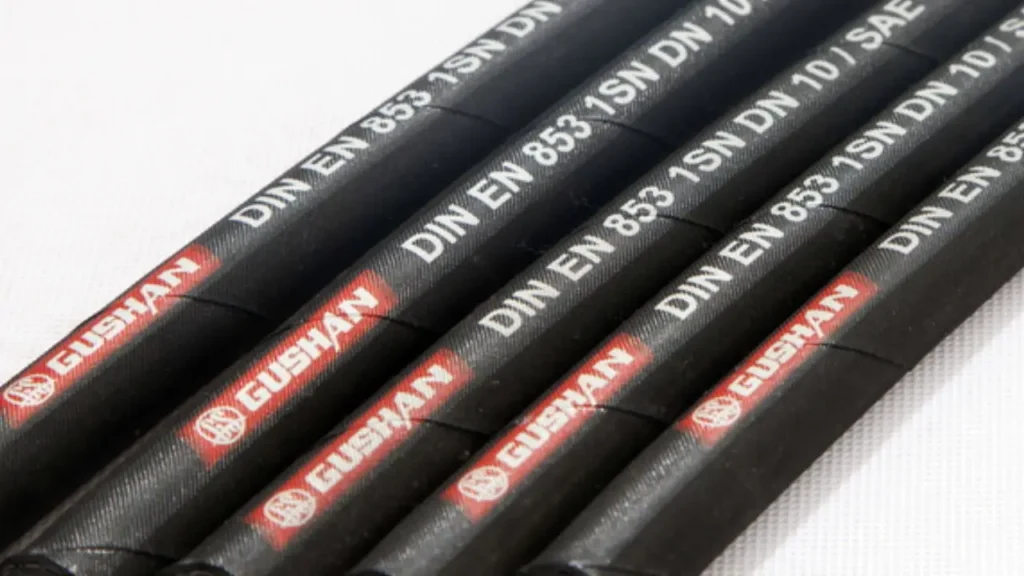
A hydraulic hose layline is a series of markings or tags found on a hydraulic hose that provide essential information about its characteristics and performance capabilities. This information is crucial for selecting the right hose for your specific application and ensuring its safe and efficient operation.
Key information typically found on a layline includes:
- Manufacturer’s name or logo: Identifies the company that produced the hose.
- Specification standards: Indicates the industry standards or specifications the hose adheres to, such as SAE, EN, or ISO.
- Pressure rating: Specifies the maximum working pressure the hose can withstand.
- Temperature range: Defines the operating temperature limits of the hose.
- Date of manufacture: Shows when the hose was produced.
- Identification number or code: A unique identifier for the hose.
- Usage instructions or warnings: Provides guidance on proper handling, installation, and maintenance.
Understanding and interpreting the layline information is essential for:
- Selecting the right hose: Ensuring compatibility with your hydraulic system’s pressure, temperature, and fluid type requirements.
- Safe operation: Avoiding potential hazards like hose failure or leaks by adhering to the specified pressure and temperature limits.
- Efficient maintenance: Tracking the age and condition of hoses for timely replacement.
By paying attention to the layline information, you can make informed decisions about your hydraulic hose selection and maintenance, contributing to the overall reliability and safety of your hydraulic system.
Why is Hydraulic Hose Layline Important?
The hydraulic hose layline is essential for identifying key specifications and ensuring the hose meets the required operational standards. Understanding the layline helps prevent the use of incorrect hoses, which can lead to system failures or safety risks. Here’s why the hydraulic hose layline is important:
- Identifies Hose Specifications: The layline provides vital information such as hose pressure rating, temperature range, and fluid compatibility, ensuring the hose meets the operational requirements of your system and preventing potential damage from using an incompatible hose.
- Ensures Proper Installation: The markings on the layline help guide technicians during installation, ensuring hoses are used in the correct orientation and installed properly, preventing kinks, damage, or inefficient fluid flow that can impact system performance.
- Promotes Safety and Compliance: Hydraulic hose laylines often include information about compliance with industry standards and safety certifications, allowing users to confirm the hose meets regulatory safety requirements, reducing the risk of accidents or failures.
- Facilitates Maintenance and Replacement: The layline serves as a reference for identifying the hose’s type, age, and condition, making it easier for maintenance teams to monitor hose performance, plan for replacements, and order the right components for repairs.
- Prevents Costly Downtime: Using the wrong hydraulic hose can result in leaks, system failure, and expensive repairs. Understanding the layline helps ensure the correct hose is used, avoiding costly downtime and ensuring optimal system operation.
How To Read A Hydraulic Hose Layline?
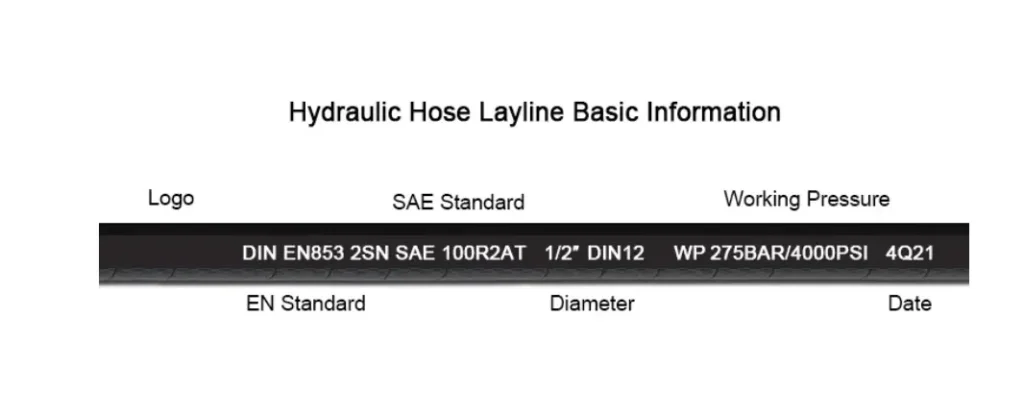
Reading the hydraulic hose layline is crucial for ensuring that the hose meets the necessary specifications for your system’s performance and safety. The layline provides essential information such as pressure ratings, material type, temperature limits, and fluid compatibility.
Properly understanding these hydraulic hose markings helps in selecting the right hose for the job, reducing risks and ensuring operational efficiency.
Step 1: Locate the Layline
The hydraulic hose layline is typically located on the outer surface of the hose, often in a spiral or straight line pattern. To begin reading, look for a continuous marking running along the length of the hose. This may be engraved or printed, depending on the hose’s construction.
Once the layline is located, examine the markings carefully. The text may appear small, so a magnifying glass can help to read it clearly. Take note of any abbreviations, numbers, or symbols, as these indicate important specifications such as pressure rating, temperature range, and fluid compatibility.
Step 2: Identify the Manufacturer and Hose Type
The first section of the layline typically includes the hydraulic hose manufacturer‘s name and the hydraulic hose type, which identifies the hose’s construction and material. This information is crucial for ensuring the hose is appropriate for your system’s needs. Make sure it aligns with your operational requirements.
Next, look for any additional details about the hose’s construction, such as whether it is a single or double-braided hose, and its flexibility. These markings provide insights into the hose’s strength, flexibility, and resistance to environmental factors like pressure and temperature. Ensure these match your system specifications.
Step 3: Check Pressure and Temperature Ratings
The pressure rating and temperature range are key pieces of information often included in the layline. These ratings will indicate the maximum pressure the hose can safely handle and the temperature limits under which it can operate. This information ensures the hose can withstand your system’s operational conditions.
Verify that the pressure and temperature ratings on the hose match the requirements of your system. Using a hose that can’t handle the necessary pressure or temperature can lead to hose failure, causing leaks, system breakdowns, or safety hazards. Always double-check these specifications before use.
Step 4: Understand Fluid Compatibility and Certifications
Hydraulic hose laylines also often provide information about fluid compatibility, ensuring that the hose is designed to handle the specific fluids used in your system. Look for symbols or abbreviations indicating what types of hydraulic fluids or chemicals the hose can safely carry.
Finally, many hydraulic hoses include compliance certifications or industry standards on the layline. These certifications ensure the hose meets regulatory and safety standards. Make sure the hose you are using is certified for your industry to guarantee its safety, durability, and compliance with necessary regulations.
What Hydraulic Hose Layline Includes?
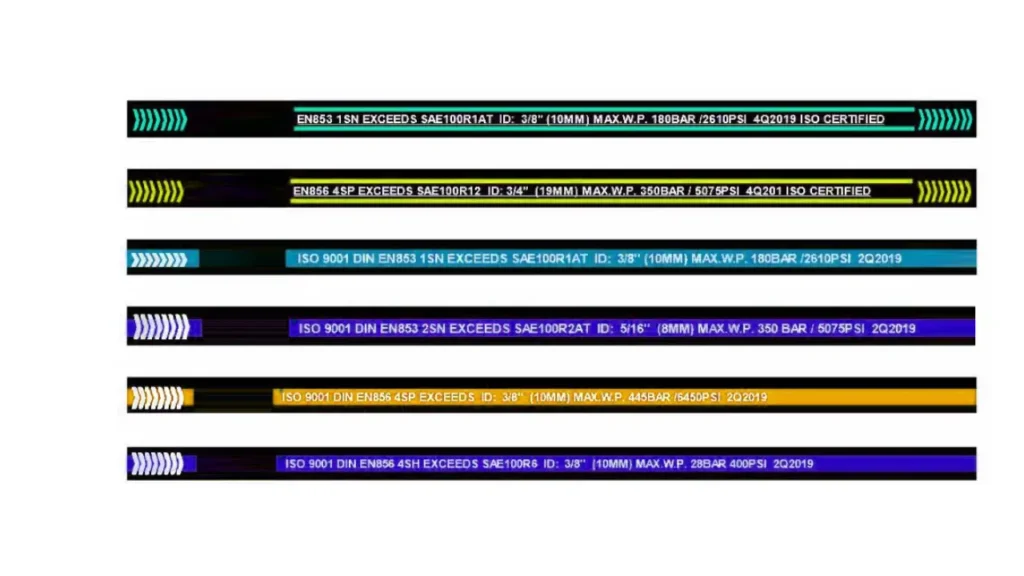
Hydraulic hose laylines provide essential information that ensures proper identification, installation, and maintenance of hoses in various applications. These markings help users understand critical details such as the hose’s specifications, pressure limits, and manufacturer details.
By reading the layline, you can determine the hose’s compatibility with specific systems, its safe operating pressure, and the right maintenance intervals, ensuring longevity and optimal performance in hydraulic systems.
- Brand and Manufacturer Information: The hydraulic hose manufacturer’s name or logo ensures traceability and authenticity of the hose, helping identify the source and guaranteeing quality control.
- Hose Type and Specifications: Indicates the hose’s design and pressure rating, ensuring compatibility with specific systems and applications.
- Pressure Ratings: Shows the hose’s maximum pressure rating, ensuring it is used within safe operational limits for optimal performance.
- Date of Manufacture: The manufacturing date assists with maintenance scheduling, helping assess wear and tear for safety and durability.
- Size and Length: Specifies the hose’s inner diameter and length, ensuring it fits within system specifications for effective operation.
How to Choose Suitable Hydraulic Hoses?
Recommended Hydraulic Hoses
-
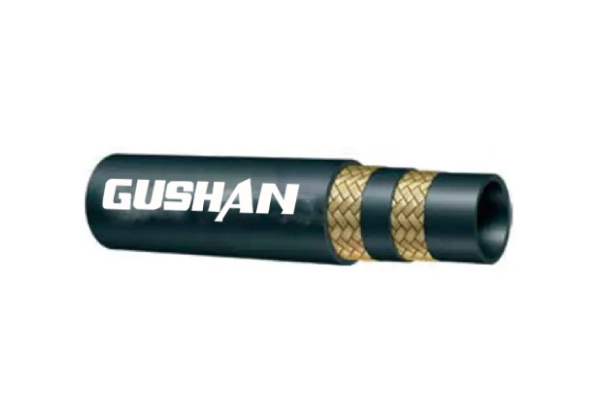
SAE 100R 2A / DIN EN853 2ST
-
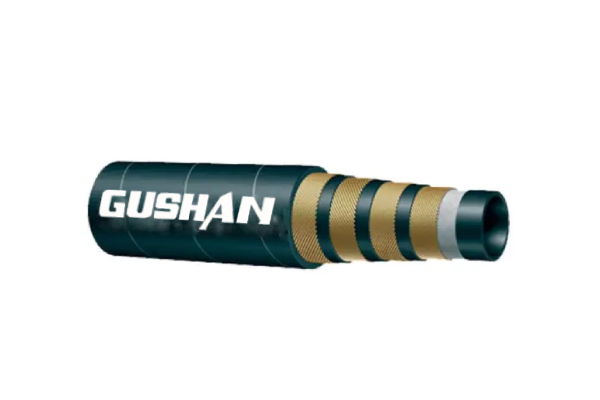
DIN EN856 4SH
-
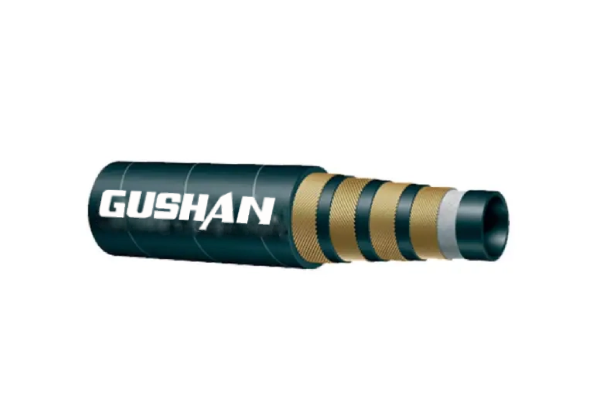
DIN EN856 4SP
-
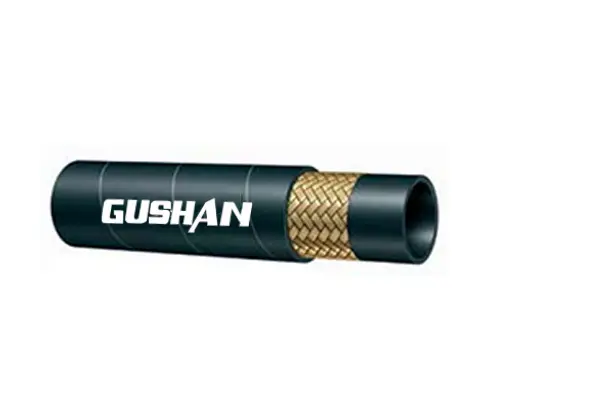
DIN EN857 1SC
-
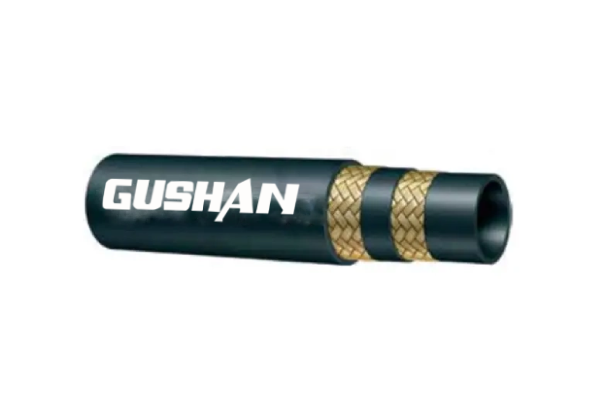
DIN EN857 2SC
-
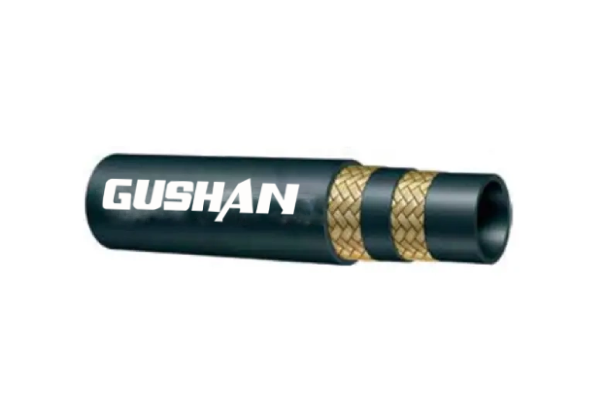
SAE 100R16
-
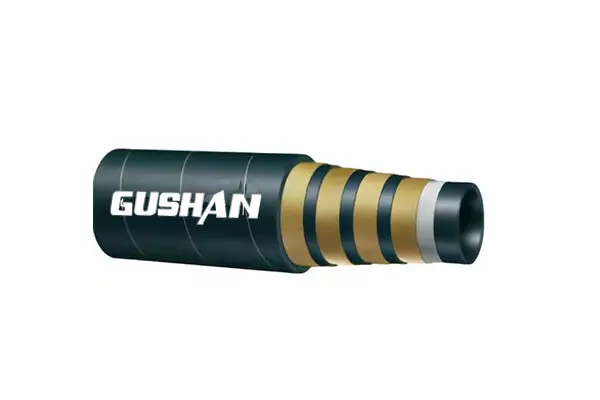
SAE 100R9
-
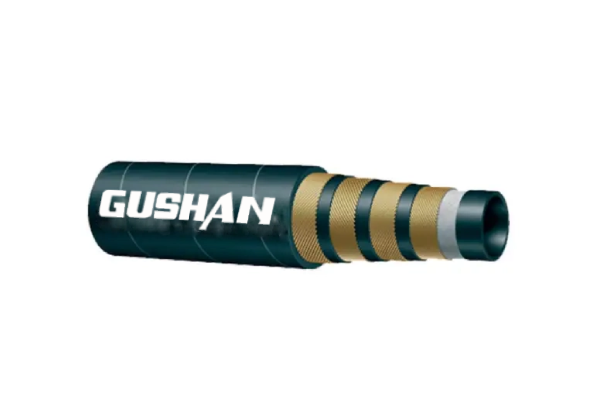
SAE 100R13
-
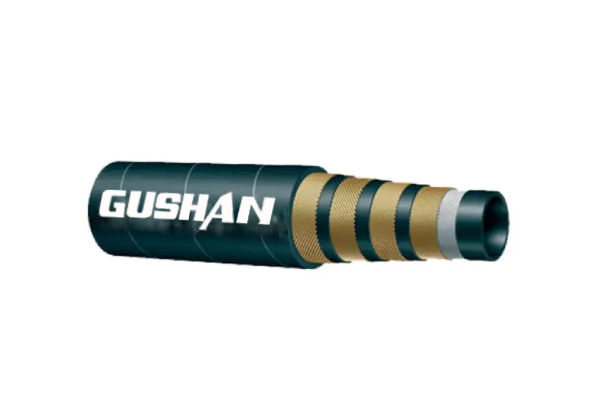
SAE 100R12
Choosing the right hydraulic hose is critical for maintaining system performance and preventing downtime. The right hose ensures efficient fluid flow, handles pressure, and withstands environmental factors.
Here are the key factors to consider when selecting the most suitable hydraulic hose for your system:
- Pressure Rating: Always choose a hose with a pressure rating higher than your system’s maximum pressure to ensure safety. A hose with a sufficient pressure tolerance prevents ruptures and leaks, enhancing system reliability. Consider both working pressure and burst pressure to ensure the hose can handle system stress.
- Temperature Range: Make sure the hose is rated for the temperature extremes your system will experience, whether high heat or freezing conditions. A hose that is too low in temperature rating may become brittle, while high temperatures can weaken it, resulting in failure. Choose hoses designed for your environment.
- Material Compatibility: Select hoses made from materials compatible with the hydraulic fluids used in your system. Certain hoses may degrade quickly when exposed to specific oils, chemicals, or fuels. Ensure the hose material can resist chemical corrosion, swelling, or cracking to extend its lifespan and prevent leaks.
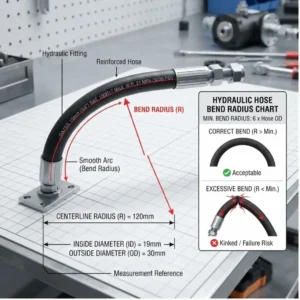
- Bend Radius: Consider the minimum bend radius of the hose, which indicates how tightly the hose can be bent without causing kinks or damage. Tight bends can lead to internal hose damage, reducing efficiency or causing failure. Ensure the hose can bend without restricting fluid flow or affecting system performance.
- Abrasion Resistance: Choose hoses with good abrasion resistance if they will be exposed to wear or rough environments. External factors like friction, sharp edges, or UV exposure can damage the hose, leading to leaks and premature failure. A hose with a durable outer layer will enhance longevity and reduce maintenance costs.
Conclusion
Hydraulic hose laylines are crucial for identifying hose specifications, ensuring correct installation, and maintaining system safety. By reading these markings, you can select hoses that meet the exact pressure, temperature, and chemical requirements of your system. Always verify layline information before installation to avoid operational issues.
Additionally, understanding how to read laylines ensures you’re using hoses that match the required standards, which can help prevent damage or failure. Proper hose selection reduces downtime, minimizes repair costs, and extends the life of your equipment. Always check for relevant certifications and hose ratings.
For durable hydraulic hoses, Gushan Rubber offers wholesale options that meet your specific needs. Contact us today for hoses designed to ensure safe, efficient, and reliable operation in any system.