Hydraulic hoses are essential components in various industries, from construction and agriculture to manufacturing and automotive. They play a crucial role in transmitting hydraulic fluid under pressure, powering machinery and equipment. When selecting a hydraulic hose, one of the key factors to consider is the number of wire braids.
In this blog post, we will delve into the differences between 1-wire and 2-wire hydraulic hoses, helping you make informed decisions for your specific applications.
What Is Wire Hydraulic Hose
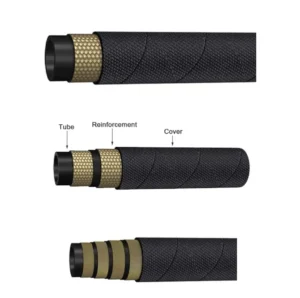
A wire hydraulic hose is a type of flexible hose reinforced with one or more layers of braided steel wire. This reinforcement significantly enhances the hose’s strength, durability, and pressure resistance, making it suitable for a wide range of hydraulic applications.
Key Features of 1 Wire Hydraulic Hoses:
- High-Pressure Capability: The steel wire reinforcement allows these hoses to handle high-pressure hydraulic fluids.
- Durability: The wire braid protects the hose from abrasion, cuts, and other external damage.
- Flexibility: Despite their strength, wire hydraulic hoses are designed to be flexible, allowing for easy routing and installation.
- Resistance to Temperature Extremes: Wire hydraulic hoses can withstand both high and low temperatures, making them suitable for various environments.
- Chemical Resistance: The materials used in wire hydraulic hoses are often resistant to a variety of chemicals and oils.
What is a 1 Wire Hydraulic Hoses?
Recommed One Wire Hydraulic Hoses
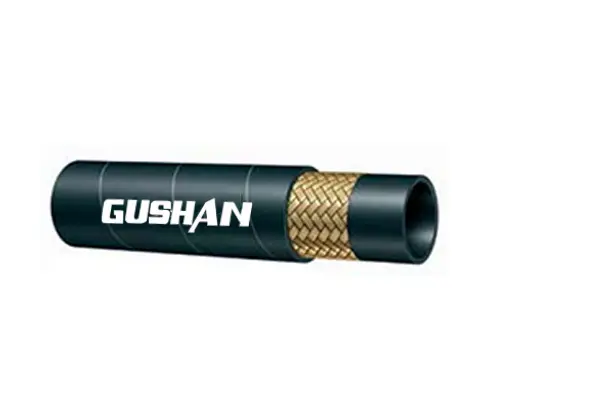
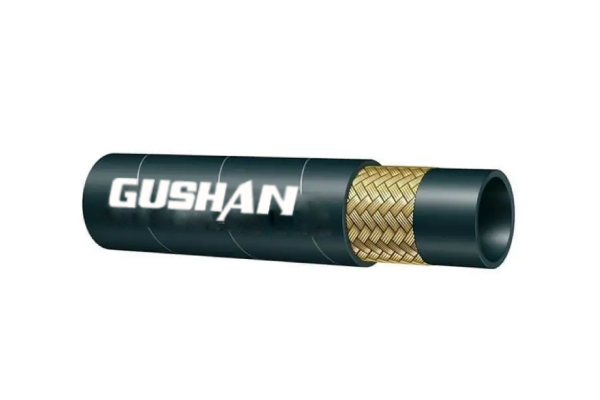
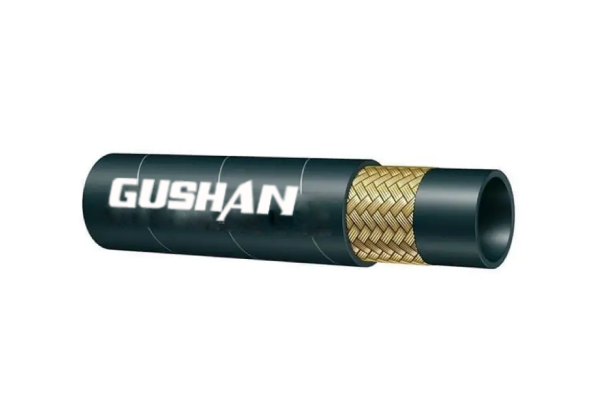
A 1-wire hydraulic hose is a flexible hose reinforced with one layer of braided steel wire. It is commonly used to transport hydraulic oil and other fluids under moderate to high pressure. Compared with 2-wire hoses, 1-wire hoses are generally lighter and more flexible, making them suitable for hydraulic systems that require easier routing and installation.
Pros of 1-Wire Hydraulic Hoses
- Good Flexibility: We use 1-wire hydraulic hoses when a system requires flexible routing around machinery. Their single wire reinforcement allows the hose to bend more easily than many multi-wire designs, making installation simpler in tight spaces and reducing the effort needed to position the hose correctly.
- Lightweight Construction: A single layer of steel wire keeps the overall hose weight relatively low. We find this useful for mobile equipment and applications where hose weight matters. Lighter hoses are also easier for workers to handle, install, reposition, and replace during routine maintenance.
- Easy Installation: The flexible construction makes 1-wire hydraulic hoses easier to route through equipment and connect to hydraulic components. We can install them with less difficulty, particularly where hoses need to follow curved paths. This can help save installation time and simplify maintenance work.
- Cost-Effective Option: 1-wire hydraulic hoses can provide reliable hydraulic performance without the additional reinforcement of 2-wire designs. We often choose them for applications where their pressure capacity is sufficient. This can make them a practical and economical option for suitable hydraulic systems.
- Suitable for Many Applications: We use 1-wire hydraulic hoses across various hydraulic equipment, including agricultural machinery, construction equipment, material-handling systems, and industrial machinery. Their combination of flexibility, moderate pressure capability, and manageable weight makes them suitable for many general-purpose hydraulic applications.
What is a 2 Wire Hydraulic Hose?
Recommed Two Wire Hydraulic Hoses
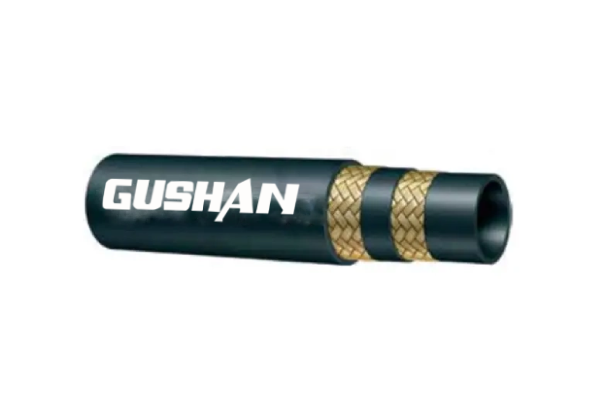
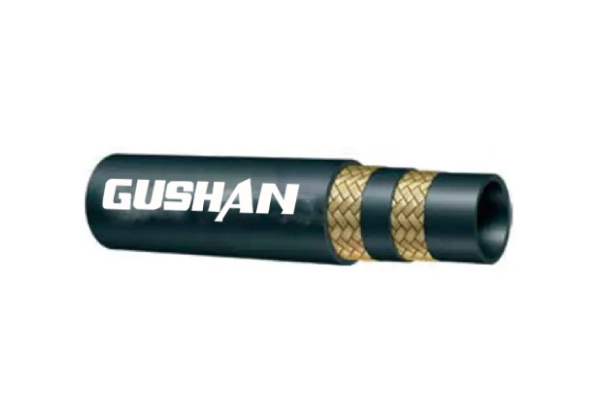
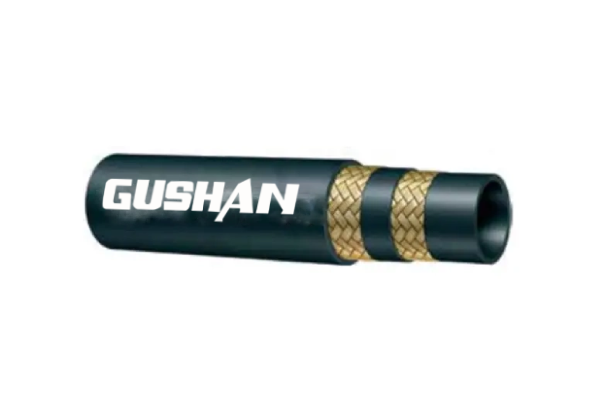
A 2-wire hydraulic hose is a high-pressure hose reinforced with two layers of braided steel wire. This construction gives the hose greater strength and pressure resistance than many single-wire hoses. We commonly use 2-wire hydraulic hoses in demanding hydraulic systems where durability, flexibility, and reliable performance are important under high-pressure operating conditions.
Pros of 2-Wire Hydraulic Hoses
- Higher pressure resistance: The two layers of steel wire reinforcement allow us to handle higher working pressures than many single-wire hydraulic hoses. This makes 2-wire hoses suitable for demanding hydraulic equipment, including construction machinery, industrial systems, agricultural equipment, and other applications where reliable high-pressure fluid transfer is required.
- Better durability: We choose 2-wire hydraulic hoses when the system requires strong resistance to pressure, vibration, and mechanical stress. The reinforced structure helps the hose withstand demanding working environments and repeated operation, reducing the risk of premature damage and helping extend overall hose service life.
- Good flexibility: Although 2-wire hoses have stronger reinforcement, they still provide useful flexibility for hydraulic system installation. We can route them around machinery and equipment more easily than some heavier multi-wire hoses, provided we follow the recommended minimum bend radius and installation requirements.
- Wide range of applications: We use 2-wire hydraulic hoses across many industries because they offer a practical balance between pressure capacity, flexibility, and durability. Common applications include excavators, loaders, agricultural machinery, material-handling equipment, industrial hydraulic systems, and mobile hydraulic equipment.
- Reliable performance under demanding conditions: The double steel-wire reinforcement provides additional structural support when hydraulic pressure changes rapidly or equipment experiences vibration. We use these hoses for applications that require consistent performance and dependable pressure handling, helping hydraulic systems operate safely and efficiently during regular use.
Types of Wire Hydraulic Hoses
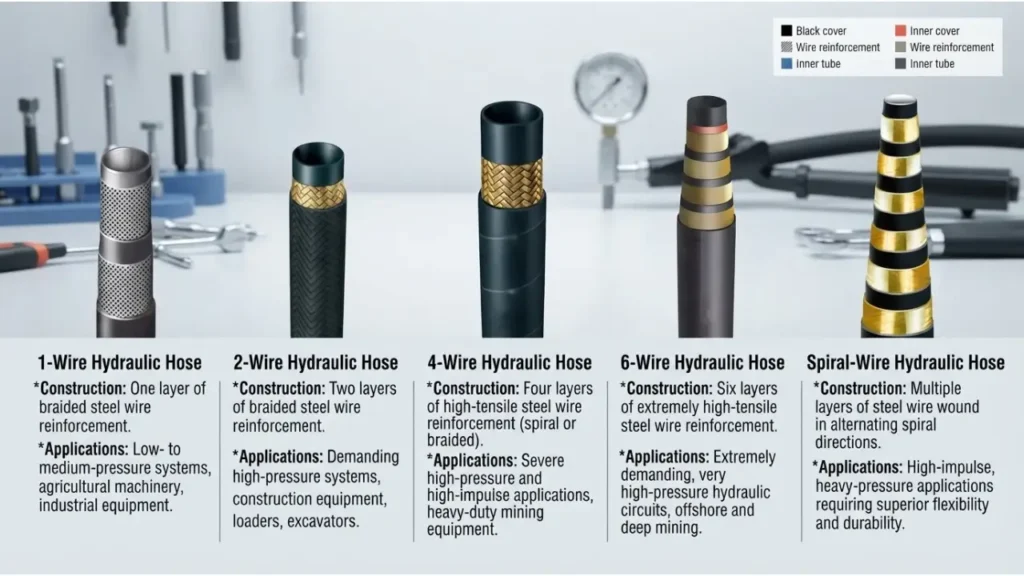
Wire hydraulic hoses use steel-wire reinforcement to provide strength, pressure resistance, and durability. Different wire constructions are designed for different working pressures, flexibility requirements, and applications. We can choose from single-wire, double-wire, spiral-wire, and other reinforced hose types based on the hydraulic system, equipment requirements, and operating environment.
- 1-Wire Hydraulic Hose: A 1-wire hydraulic hose uses one layer of braided steel wire reinforcement. We commonly choose it for low- to medium-pressure hydraulic applications where good flexibility and easy routing are important. It works well in agricultural machinery, industrial equipment, and general hydraulic systems with moderate pressure requirements.
- 2-Wire Hydraulic Hose: A 2-wire hydraulic hose contains two layers of braided steel wire, providing greater pressure resistance and durability than a single-wire design. We use this type for demanding hydraulic applications, including construction equipment, loaders, excavators, and industrial machinery that require reliable high-pressure performance.
- 4-Wire Hydraulic Hose: A 4-wire hydraulic hose features four layers of spiral or braided steel-wire reinforcement, depending on the hose standard and construction. We use these heavy-duty hoses for high-pressure hydraulic systems where exceptional strength, durability, and resistance to pressure surges are required during demanding equipment operation.
- 6-Wire Hydraulic Hose: A 6-wire hydraulic hose provides an even higher level of reinforcement for extremely demanding hydraulic applications. We select this type when equipment operates under very high pressures and severe conditions. Common applications include heavy construction machinery, mining equipment, and other high-pressure industrial hydraulic systems.
- Spiral-Wire Hydraulic Hose: Spiral-wire hydraulic hoses use multiple layers of steel wire wound in alternating directions around the inner tube. We use them for high-pressure and high-impulse applications because their construction provides excellent resistance to pressure surges, mechanical stress, and repeated hydraulic cycles.
Wire Hydraulic Hose Comparison Chart
| Hose Type | Wire Reinforcement | Pressure Capacity | Flexibility | Common Applications |
|---|---|---|---|---|
| 1-Wire | 1 braided wire layer | Low to medium | High | Agriculture, general hydraulics |
| 2-Wire | 2 braided wire layers | Medium to high | Good | Construction, industrial equipment |
| 4-Wire | 4 reinforcement layers | High | Moderate | Heavy machinery, high-pressure systems |
| 6-Wire | 6 reinforcement layers | Very high | Lower | Mining, severe-duty equipment |
| Spiral-Wire | Multiple spiral layers | Very high | Moderate | High-pressure, high-impulse systems |
Wire Hydraulic Hose Applications
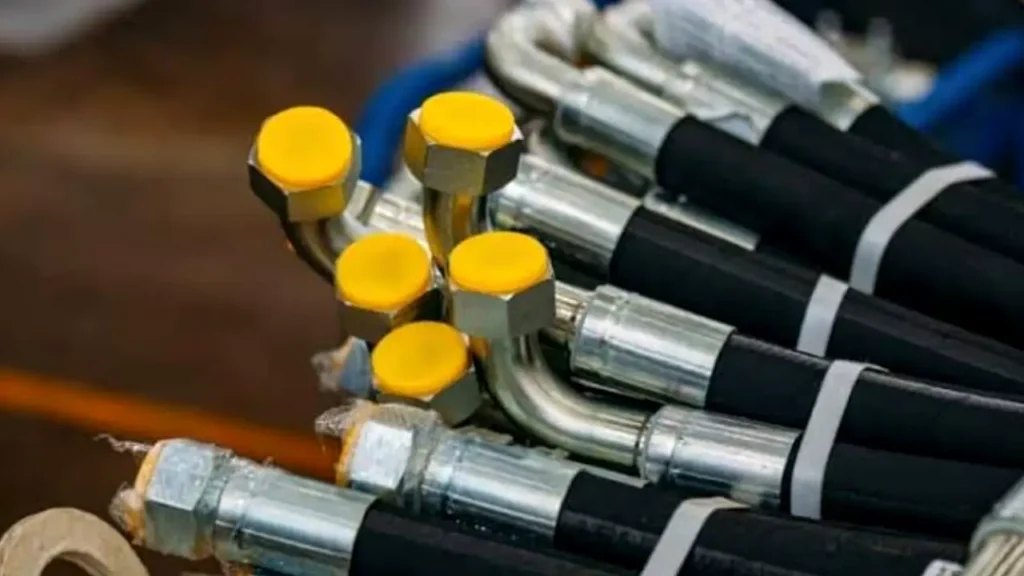
Wire hydraulic hoses are widely used in equipment that requires reliable hydraulic fluid transfer under pressure. Their steel-wire reinforcement provides strength, durability, and resistance to pressure surges. We use different wire hose constructions according to working pressure, flexibility, temperature, and operating conditions, making them suitable for construction, agriculture, manufacturing, mining, transportation, and other industries.
- Construction Equipment: We use wire hydraulic hoses in excavators, loaders, cranes, bulldozers, and other construction machinery. These hoses handle high-pressure hydraulic fluid while withstanding vibration, movement, and mechanical stress. Their durable reinforcement helps maintain reliable hydraulic performance during demanding construction operations and frequent equipment movement.
- Agricultural Machinery: Wire hydraulic hoses are commonly used in tractors, harvesters, sprayers, and other agricultural equipment. We choose suitable hose constructions to handle hydraulic pressure while providing enough flexibility for moving components. Their durability helps agricultural machinery operate reliably during long working hours and changing field conditions.
- Industrial Machinery: We use wire hydraulic hoses in industrial presses, injection molding machines, material-handling systems, and production equipment. These hoses provide dependable hydraulic fluid transfer and can withstand continuous operating pressure. Selecting the correct reinforcement helps us maintain system performance while reducing the risk of premature hose failure.
- Mining Equipment: Mining machinery operates under severe conditions involving high pressure, vibration, dust, and mechanical impact. We use heavily reinforced wire hydraulic hoses in drilling machines, loaders, excavators, and other mining equipment. Their strong construction helps withstand demanding operating environments and supports reliable hydraulic system performance.
- Material Handling Equipment: Forklifts, lifting platforms, hydraulic lifts, and other material-handling equipment rely on hydraulic systems for controlled movement. We use wire hydraulic hoses to transfer pressurized fluid between components. Their strength and flexibility help support repeated lifting cycles while maintaining dependable connections throughout daily operations.
- Mobile Hydraulic Systems: We use wire hydraulic hoses in mobile equipment where components frequently move and hydraulic lines experience vibration. Applications include forestry machinery, utility vehicles, road equipment, and specialized vehicles. The right hose construction provides the necessary balance of pressure resistance, flexibility, and durability for mobile hydraulic systems.
1 Wire vs 2 Wire Hydraulic Hoses
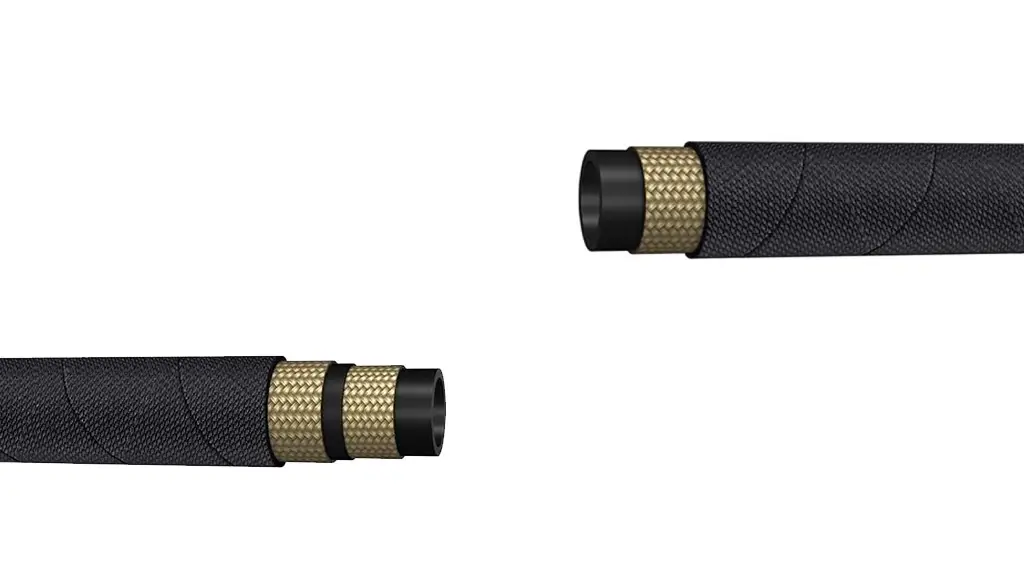
Hydraulic hoses are essential components in various industries, from construction and agriculture to manufacturing. The choice between 1-wire and 2-wire hydraulic hoses depends on the specific application and the required performance characteristics.
1-Wire Hydraulic Hoses
1-wire hydraulic hoses are reinforced with a single layer of steel wire braid. This construction offers a balance of flexibility and strength. They are suitable for lower-pressure applications and are often used in general-purpose hydraulic systems.
Key Characteristics:
- Flexibility: More flexible than 2-wire hoses.
- Pressure Rating: Lower pressure rating compared to 2-wire hoses.
- Cost: Generally more cost-effective.
2-Wire Hydraulic Hoses
2-wire hydraulic hoses are reinforced with two layers of steel wire braid. This construction provides superior strength and durability, making them ideal for high-pressure applications.
Key Characteristics:
- Strength: Higher pressure rating than 1-wire hoses.
- Durability: More resistant to wear and tear.
- Cost: Generally more expensive than 1-wire hoses.
| Feature | 1-Wire Hydraulic Hose | 2-Wire Hydraulic Hose |
|---|---|---|
| Wire Braid Layers | 1 | 2 |
| Flexibility | Higher | Lower |
| Pressure Rating | Lower | Higher |
| Durability | Lower | Higher |
| Cost | Lower | Higher |
Choosing the Right Hose:
To select the appropriate hose for your application, consider the following factors:
- Pressure Requirements: Ensure the hose can handle the maximum operating pressure.
- Temperature Range: The hose should be able to withstand the temperature extremes of the environment.
- Chemical Compatibility: The hose material should be compatible with the hydraulic fluid.
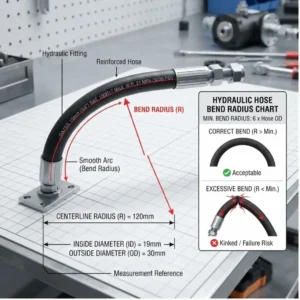
- Flexibility: Consider the required bending radius and installation space.
- Durability: The hose should be able to withstand wear and tear, vibration, and other stresses.
- Cost: Balance the initial cost with the long-term performance and durability.
By carefully evaluating these factors, you can choose the optimal hydraulic hose for your application and ensure the reliable operation of your hydraulic system.
2-Wire vs 4-Wire Hydraulic Hose
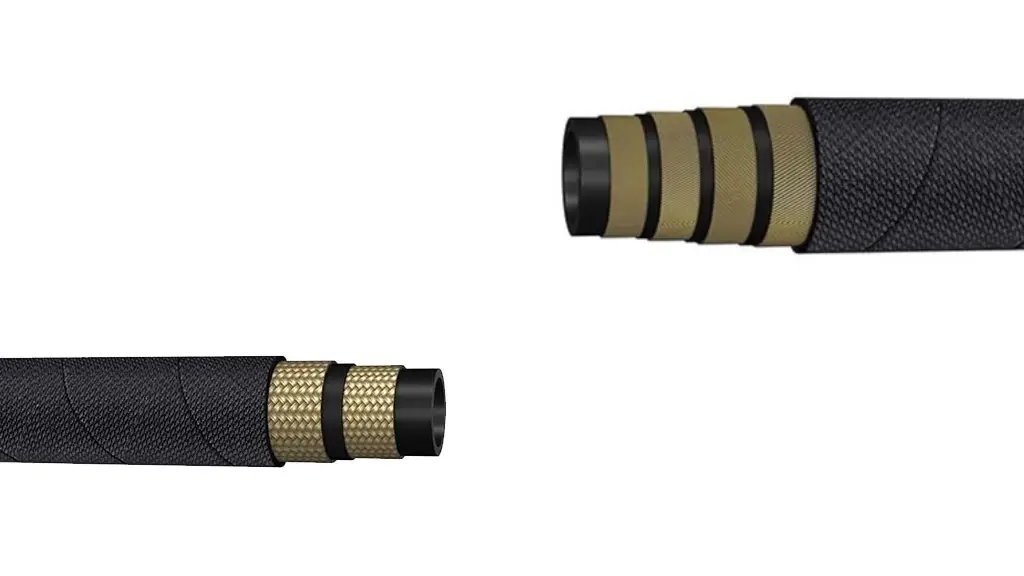
When selecting a hydraulic hose, the number of wire braids plays a crucial role in determining its performance and suitability for specific applications. Let’s delve into the key differences between 2-wire and 4-wire hydraulic hoses.
2-Wire Hydraulic Hose
- Construction: Reinforced with two layers of braided steel wire.
- Flexibility: Offers good flexibility, making it easier to route in tight spaces.
- Pressure Rating: Typically rated for lower to medium-pressure applications.
- Durability: Provides adequate durability for general-purpose hydraulic systems.
- Cost: Generally more cost-effective.
4-Wire Hydraulic Hose
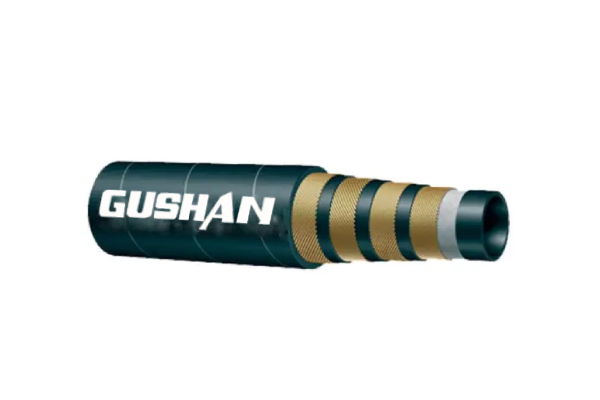
- Construction: Reinforced with four layers of braided steel wire.
- Flexibility: Less flexible compared to 2-wire hoses, but still offers sufficient flexibility for most applications.
- Pressure Rating: Designed for high-pressure applications, often exceeding 5,000 PSI.
- Durability: Offers superior durability and resistance to wear and tear, making it ideal for harsh environments.
- Cost: Generally more expensive than 2-wire hoses.
| Feature | 2-Wire Hydraulic Hose | 4-Wire Hydraulic Hose |
|---|---|---|
| Wire Braids | 2 | 4 |
| Flexibility | High | Medium |
| Pressure Rating | Lower to Medium | High |
| Durability | Moderate | High |
| Cost | Lower | Higher |
Choosing the Right Hose
To select the appropriate hose, consider the following factors:
- Operating Pressure: If your application requires high pressure, a 4-wire hose is recommended. For lower-pressure applications, a 2-wire hose may suffice.
- Environmental Conditions: In harsh environments with extreme temperatures, chemicals, or mechanical stress, a 4-wire hose offers superior durability.
- Flexibility Requirements: If flexibility is a primary concern, a 2-wire hose is the better choice.
- Cost Considerations: 2-wire hoses are generally more cost-effective, while 4-wire hoses offer higher performance at a premium price.
By carefully evaluating these factors, you can choose the optimal hydraulic hose for your specific needs, ensuring reliable and efficient performance in your hydraulic system.
Conclusion
Understanding the difference between 1-wire and 2-wire hoses is crucial for optimizing your hydraulic system. While 1-wire hoses offer greater flexibility and lower cost for medium-pressure tasks, 2-wire hoses provide the necessary strength and impulse resistance for demanding, high-pressure environments. We stress that matching the hose to the required pressure is vital for system longevity.
Your choice of wire reinforcement directly impacts the hose’s lifespan and the safety of the entire operation. We ensure that our hoses, regardless of their wire count, meet strict industrial standards for performance and reliability. We provide solutions that guarantee operational efficiency and reduce the risk of premature failure and costly downtime.
If your operations require durable, pressure-resistant fluid conveyance, look no further. We supply a comprehensive selection of wholesale wire hydraulic hoses for every application. Contact us today to secure a reliable source for your 1-wire and 2-wire hydraulic hoses, ensuring your systems perform flawlessly.