LPG (Liquefied Petroleum Gas) is a common, versatile fuel used for heating, cooking, and powering appliances. While the gas itself is crucial, the LPG hose connecting it is equally vital for safety and performance. This essential guide will explore what an LPG hose is, its different types, and why choosing the right one is non-negotiable for a secure gas connection.
Understanding the correct use and maintenance of your LPG hose is fundamental to preventing leaks and accidents. From identifying the proper regulatory markings to recognizing signs of wear and tear, we’ll equip you with the knowledge to maintain a safe and reliable gas supply. A high-quality hose ensures your system operates efficiently and securely.
What Is An LPG Hose?
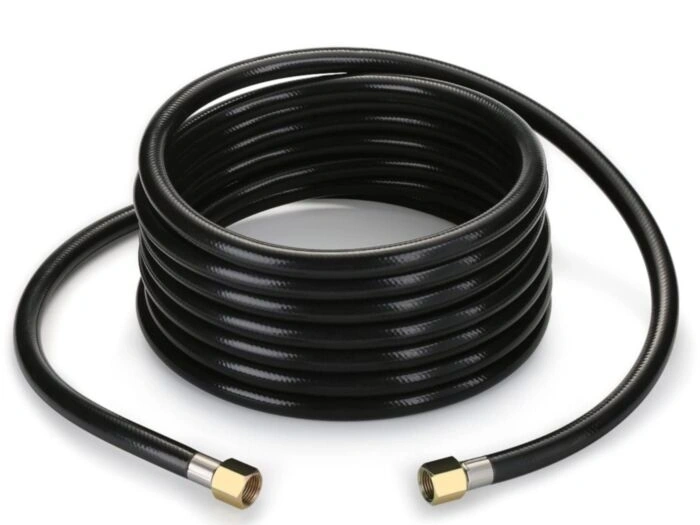
An LPG hose is a specialized, flexible conduit designed to safely transfer liquefied petroleum gas (LPG) between a gas supply and an appliance. Unlike a standard rubber hose, it must be specifically engineered to resist the corrosive effects of LPG, while also withstanding high pressure and temperature extremes.
These hoses are critical for safety, as a failure can lead to gas leaks, fires, or explosions. They are commonly used in a variety of applications, from connecting a gas grill to a propane tank to supplying fuel to industrial burners and heating systems. A proper, certified LPG hose is essential for ensuring a safe and reliable gas connection.
The Different Types of LPG Hoses
When you’re shopping for an LPG hose, you’ll notice there are a few different types. Choosing the right one for your specific application is the first and most important step toward ensuring safety.
Rubber Hoses
This is the workhorse of the LPG world and the most common type you’ll encounter for both residential and commercial applications. These hoses are typically constructed from a high-quality synthetic rubber compound that provides excellent flexibility and durability. To handle the pressurized nature of LPG, they are almost always reinforced with a braided internal layer, often made from textiles like fiber or a stronger material like steel wire.
This reinforcement gives the hose its structural integrity, preventing it from expanding or bursting under pressure. Their robust nature makes them an ideal choice for connecting household appliances like gas stoves and water heaters, offering a reliable and long-lasting connection when properly maintained.
PVC Hoses
For applications with lower pressure requirements, PVC (polyvinyl chloride) hoses are a more economical option. These hoses are generally lighter and more flexible than rubber hoses and are suitable for small portable gas appliances.
PVC hoses are not as durable or resistant to high pressures as rubber hoses. They can become brittle over time, especially when exposed to UV rays or extreme temperatures.
When considering a PVC hose, it’s important to carefully examine its pressure rating and ensure it meets or exceeds the requirements of your specific equipment to avoid any safety risks.
Stainless Steel Braided Hoses
For the ultimate in durability and safety, stainless steel braided hoses are the premium choice. These hoses feature a robust, multi-layer construction. At their core is a rubber or PVC inner tube, which provides the seal against the gas. This inner tube is then sheathed in a tightly woven layer of stainless steel wire mesh. This external braiding serves a dual purpose: it dramatically increases the hose’s burst pressure rating, making it suitable for high-pressure systems, and it provides an exceptional level of physical protection.
The steel mesh shields the delicate inner hose from damage caused by abrasion, accidental cuts, or even rodent bites, which can be a significant concern in certain environments. For critical installations or areas where physical damage is a possibility, a stainless steel braided hose provides invaluable peace of mind.
LPG Hoses with Different Diameters
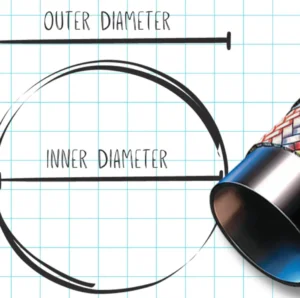
The diameter of an LPG hose is a critical factor you can’t afford to ignore. The inner diameter (ID) determines the gas flow rate. Using the correct diameter isn’t just about ensuring your appliance works properly—it’s also about energy efficiency and safety.
Always check your appliance’s manual to find the exact hose size it requires. Using a hose that is too small can lead to insufficient gas supply, affecting performance, while one that is too large might result in a loose connection and a higher risk of leaks.
The Importance of Color-Coded LPG Hoses
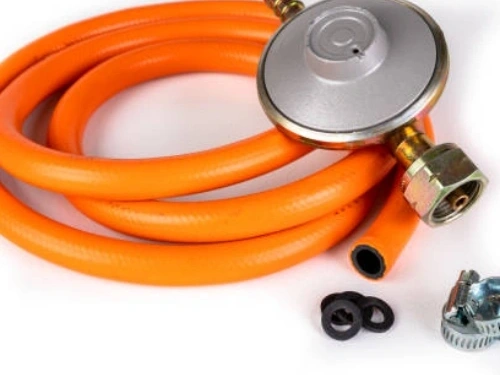
Have you ever noticed that LPG hoses come in different colors? These colors aren’t just for aesthetics; they often indicate the hose’s intended use and the type of gas it’s designed for. Understanding these color codes can help you avoid a dangerous mix-up.
Color and Use Quick Guide
- Orange: This is the most common color for LPG hoses, especially for home and commercial use. It signifies that the hose meets specific standards for carrying liquefied petroleum gas.
- Black: Black hoses are also used for LPG but often feature thicker walls or stronger reinforcement, making them suitable for high-pressure or more demanding environments.
- Yellow or Blue: These colors are often used for other types of gas, such as natural gas or oxygen. Never use these hoses for LPG, as their materials and pressure ratings are not designed for it.
Before purchasing any hose, check the product label for specific details instead of relying solely on its color.
How to Choose the Right LPG Hoses
Selecting the correct LPG hose is a critical safety factor, directly impacting the reliable and secure operation of your gas appliances. The choice is not just about length; it involves matching specific technical requirements to your operating environment. Key factors like pressure, temperature, and material compatibility must be considered before any purchase.
Choosing the right hose requires attention to certified standards and application needs. Here are the essential criteria for making an informed and safe selection:
- Pressure Rating and Class: Choose a hose with a Working Pressure greater than your system’s maximum pressure. Hoses are classified (e.g., Class 2 or 3) for different pressure ranges, so ensure it matches your appliance’s needs, whether it’s low or high-pressure use.
- Material Compatibility: The hose material, typically high-quality synthetic rubber or thermoplastic, must be compatible with LPG. Look for a cover that is abrasion, UV, and weather-resistant, which is essential for ensuring a longer lifespan, especially in outdoor installations.
- Safety Standards and Markings: Always select hoses that are certified by local or international safety standards (e.g., BS EN 16436-1). Check for the correct markings, including the manufacturer’s name, pressure rating, and the date of manufacture, to guarantee compliance and quality assurance.
- Correct Size and Length: The hose’s Inside Diameter (ID) must match the flow rate requirements of your appliance to ensure proper gas delivery. Select the shortest practical length to minimize coiling and kinking, which can stress the material and lead to premature failure.
The Advantages of LPG Hoses
Using a proper LPG hose offers numerous benefits, which is why they are a vital part of any gas system.
- Flexibility: The hose’s flexible nature allows gas appliances to be placed in various locations without the restrictions of rigid piping.
- Ease of Installation: Compared to hard pipes, hoses are much quicker and easier to install, reducing both cost and time.
- Vibration Absorption: Hoses can absorb vibrations from operating appliances, protecting the connections from damage and extending the life of the equipment.
- Portability: For appliances like gas grills or mobile stoves, a hose allows for easy movement and use in different areas.
How to Maintain Your LPG Hose
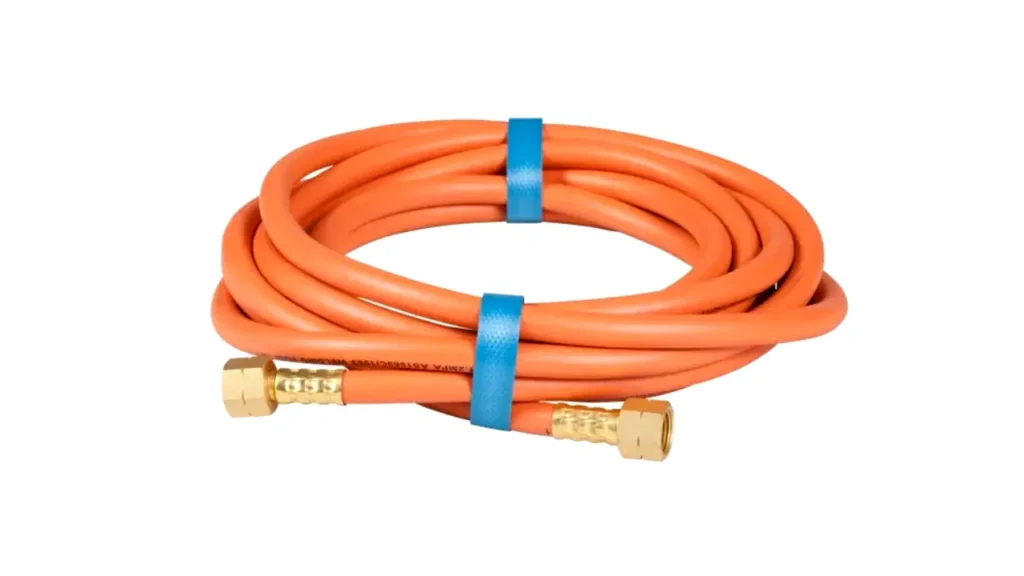
Even the highest-quality LPG hose requires regular inspection and maintenance. A proactive maintenance routine can significantly extend its lifespan and ensure your ongoing safety.
- Regular Checks: Inspect your hose at least once a month. Apply soapy water to the hose and connections; if you see bubbles, you have a leak.
- Look for Signs of Wear: Check for cracks, hardening, or discoloration. If the hose feels stiff or shows any visible damage, replace it immediately.
- Avoid Bending and Stretching: Ensure the hose isn’t twisted, stretched, or pinched under heavy objects, as this can accelerate damage.
- Keep it Away from Heat: Prevent the hose from touching hot surfaces like a stove flame or a heated pot, as high temperatures will degrade the material.
- Routine Replacement: Even without visible damage, it is highly recommended to replace your LPG hose every 1-2 years. It’s a small investment for a massive safety return.
What hose to use for LPG?
When working with LPG, it’s essential to use a hose specifically engineered and certified for gas transfer. These hoses feature a robust, multi-layer construction that is built to resist the corrosive effects of propane and other gases while safely handling high pressure. Always look for a hose that meets local safety standards and is clearly marked with the proper certifications. The common orange color often seen on residential LPG hoses is an additional sign of their intended use.
Is LPG the same as propane?
The terms are often used interchangeably, but they are not exactly the same. LPG (Liquefied Petroleum Gas) is a general term that refers to a group of hydrocarbon gases, including both propane and butane. In many countries, the LPG supplied for common use, such as for grills and heaters, is primarily propane. So, while all propane is a form of LPG, it is not correct to say that all LPG is pure propane.
How often should LPG hoses be changed?
We should plan to replace LPG hoses every 5 to 10 years, even if they appear to be in good condition. The material can degrade internally over time due to exposure to gas, heat, and UV light. It is crucial to visually inspect the hose regularly for any signs of physical damage, such as cracks, stiffness, or blistering. If any issues are discovered, the hose must be replaced immediately. A simple leak check with soapy water can also help us confirm the hose’s integrity.
Conclusion
Choosing the right LPG hose is a critical safety decision, not just a purchase. We’ve covered everything from recognizing certified hoses to understanding installation best practices and ongoing maintenance. By adhering to the standards outlined, you ensure a secure connection for all your gas appliances, minimizing risk and maximizing efficiency. Safety is paramount when dealing with pressurized gas systems.
Remember to inspect your hoses regularly for cracks, swelling, or abrasions and always replace them according to the manufacturer’s guidelines, even if they appear fine. A compromised hose is a significant hazard. For maximum peace of mind and certified quality that meets stringent safety standards, choose reliable suppliers. Don’t compromise quality for cost when safety is at stake.
For businesses needing wholesale LPG hoses that guarantee durability and compliance, we recommend Gushan Rubber. Our commitment to excellence provides you with high-quality, certified hoses designed for safe, long-term use in various applications. Secure your supply chain and your customers’ safety by partnering with a trusted industry leader. Contact Gushan Rubber today!