Hydraulic hoses are the lifeblood of countless industrial and mobile applications, transmitting vital fluids under immense pressure. The performance and longevity of these systems hinge heavily on the materials used in hose construction.
This blog post will delve into the diverse world of hydraulic hose materials, exploring their unique properties, applications, and considerations for optimal selection.
What Are Hydraulic Hoses Made Of
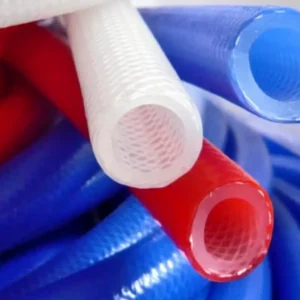
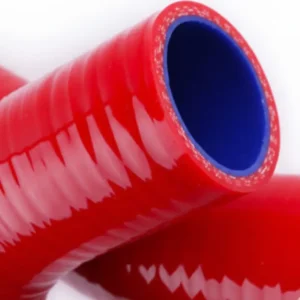
Hydraulic hoses are typically constructed from several layers of different materials, giving them the strength and durability needed to withstand high pressures and harsh environments.1 Here’s a breakdown of the common materials used:
Inner Tube:
- Synthetic Rubber: Most common, offering good resistance to hydraulic fluids and abrasion.
- Thermoplastic: Used in some applications, known for its flexibility and resistance to low temperatures.
- Teflon (PTFE): Excellent chemical resistance but can be more expensive.
Reinforcement Layer:
- Steel Wire: Provides high strength for handling extreme pressures. Can be braided or spirally wound.
- Synthetic Fibers: Offer flexibility and resistance to abrasion, often used in conjunction with steel wire.
Outer Cover:
- Synthetic Rubber: Protects the inner layers from abrasion, ozone, and other environmental factors.
- Polyurethane: Highly resistant to abrasion and impact, often used in demanding applications.
The specific materials used will vary depending on the intended application of the hose, factors like pressure, temperature, the type of fluid being conveyed, and the operating environment all play a crucial role in material selection.
Hydraulic Hose Material Properties
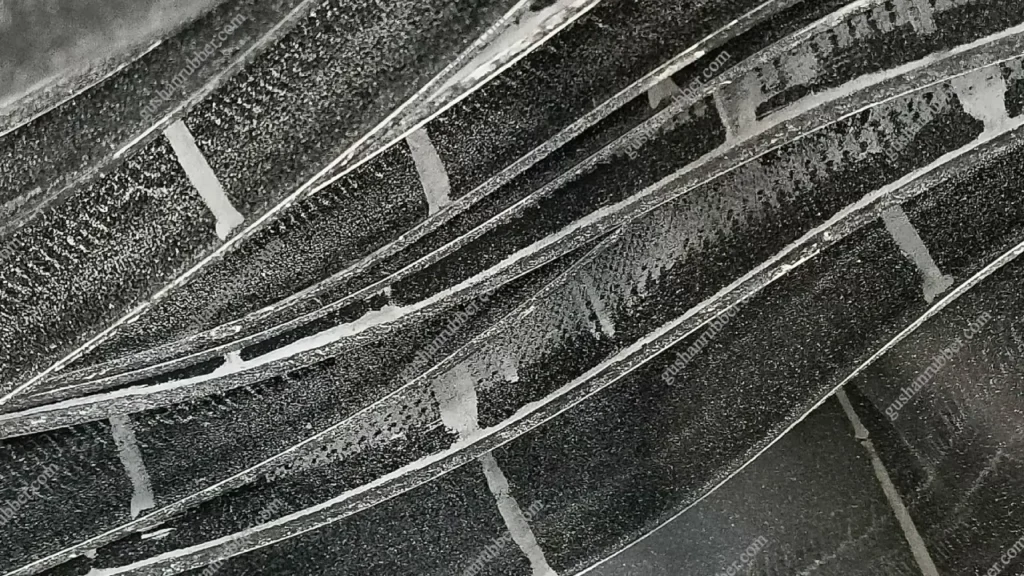
The choice of materials for hydraulic hoses is critical as they directly impact the hose’s performance, lifespan, and safety within a hydraulic system. Here’s a deeper look into the key properties and considerations:
1. Inner Tube:
Resistance to Hydraulic Fluids: The primary concern. The inner tube must be compatible with the specific hydraulic fluid used (e.g., mineral oil, synthetic fluids, water-glycol mixtures). Incompatibility can lead to:
- Fluid Degradation: The hose material can degrade the fluid, affecting its viscosity and performance.
- Hose Degradation: The fluid can attack the hose material, causing swelling, cracking, or even dissolving it.
Temperature Resistance:
- High Temperatures: Can cause the hose to harden, crack, or even melt.
- Low Temperatures: Can lead to stiffening and reduced flexibility, potentially hindering fluid flow.
Abrasion Resistance: Protects against wear and tear from internal flow turbulence or particulate matter in the fluid.
2. Reinforcement Layer:
Pressure Resistance: The primary function. Steel wire provides exceptional strength to withstand high pressures.
- Braided: Offers flexibility and resistance to pulsation.
- Spirally Wound: Provides higher burst pressure but may have limitations in bending radii.
- Flexibility: Allows for ease of installation and movement within the system.
- Fatigue Resistance: Withstands repeated pressure cycles without weakening or failing.
3. Outer Cover:
- Abrasion Resistance: Protects the inner layers from external damage (e.g., rubbing against machinery, contact with sharp objects).
- Weather Resistance: Resists ozone, UV radiation, and other environmental factors that can degrade the hose.
- Chemical Resistance: Protects against exposure to chemicals, solvents, and other substances that might be present in the operating environment.
- Fire Resistance: In certain applications, fire-resistant materials are crucial for safety.
Key Considerations:
- Compatibility with the Fluid: As mentioned earlier, this is paramount.
- Operating Pressure and Temperature Range: The hose must be able to withstand the maximum and minimum pressures and temperatures expected during operation.
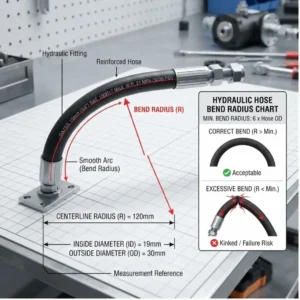
- Bending Radius: The minimum bend radius should be considered to avoid kinking or damage to the hose.
- Application: The specific application (e.g., mobile equipment, industrial machinery, marine) will dictate the necessary material properties and performance requirements.
By carefully considering these factors, engineers and technicians can select the appropriate hydraulic hose materials to ensure optimal system performance, reliability, and safety.
How to Choose the Best Hydraulic Hose Material?
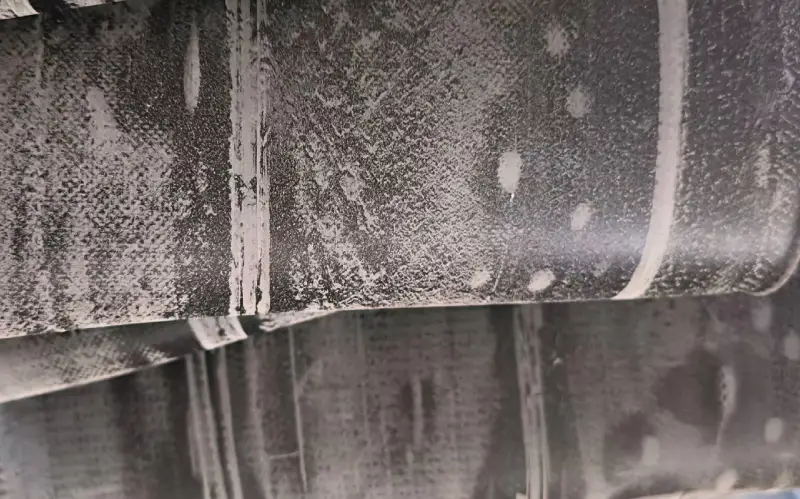
Define Your Application:
When choosing a hydraulic hose, it’s essential to understand the system’s specific requirements. This includes determining the maximum working pressure, accounting for potential pressure surges, and knowing the operating and environmental temperature ranges. Fluid compatibility, exposure to contaminants, and flexibility needs also play a significant role in material selection.
Evaluate Material Properties:
Different hose materials offer various benefits based on the application. The inner tube should be compatible with hydraulic fluids to avoid degradation. The reinforcement layer provides strength to resist pressure and bending, while the outer cover offers protection against external damage like abrasion, UV exposure, chemicals, and extreme weather.
Consult with Our Experts:
Don’t hesitate to seek advice from hose manufacturers, hydraulic engineers, and other industry professionals. They bring valuable insights into material performance and can guide you through choosing the best hose for your application. Reviewing industry standards like SAE and ISO can also help ensure your selection meets safety and quality requirements.
Consider Safety Factors:
Safety is paramount when choosing hydraulic hoses. The pressure rating should exceed the system’s maximum working pressure to prevent failure under high-stress conditions. Additionally, selecting a hose with a suitable temperature rating ensures it can withstand both operating temperatures and external environmental extremes, safeguarding the system’s performance.
Obtain Samples and Conduct Testing:
Always test the hose material before full installation. Compatibility testing between the hose and hydraulic fluid will ensure no adverse chemical reactions. Performance testing simulates real-world conditions to verify if the hose can withstand the system’s operating pressures, temperatures, and movements, ensuring long-term durability and reliability.
Hydraulic Hose Manufacturing Process
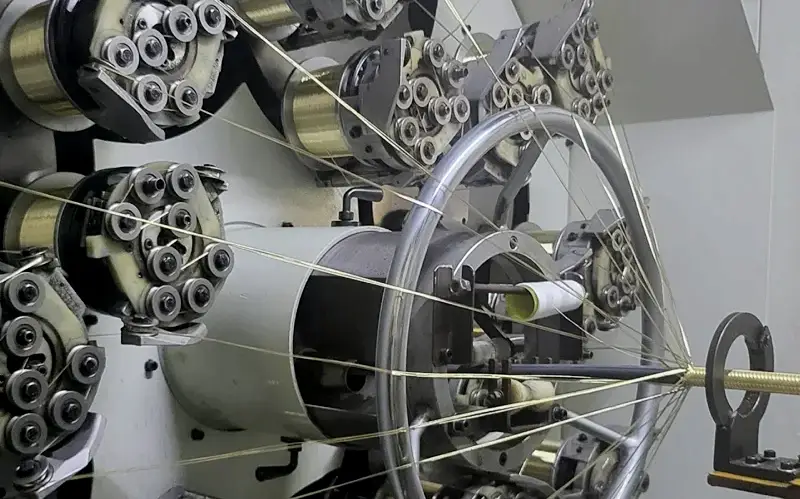
The hydraulic hose manufacturing process requires specialized tools and machines to ensure precision and quality at each step. These tools facilitate the preparation of materials, the shaping and reinforcement of the hose, and the final testing and packaging.
Using the correct equipment helps optimize performance, reduce errors, and maintain safety throughout the production process.
Tools Needed:
- Rubber Compound Mixer
- Extruder Machine
- Braiding Machine
- Spiral Winding Machine
- Extrusion Line
- Vulcanization Equipment (Autoclave, Steam Chamber)
- Testing Machines (Burst Pressure, Working Pressure, Dimensional Measuring Tools)
Step 1: Raw Material Preparation
The manufacturing process begins with preparing the raw materials. Rubber compounds are formulated based on the application’s needs, combining natural or synthetic rubbers with additives like antioxidants and fillers. These compounds determine the hose’s flexibility, temperature tolerance, and resistance to fluids or abrasion, ensuring they meet specific performance requirements.
For the reinforcement layer, materials like steel wire or synthetic fibers (nylon, polyester) are selected based on the hose’s strength requirements. These materials help the hose resist pressure surges, bend without kinking, and protect against external damage. The combination of rubber compounds and reinforcement materials ensures a well-balanced hose capable of handling various environmental and operational challenges.
Step 2: Inner Tube Extrusion
In this step, the rubber compound for the inner tube is fed into an extruder, where it is heated and forced through a die to form a continuous tube. This process ensures that the inner tube has a smooth, uniform thickness and is free of defects. The extrusion process is critical for defining the internal diameter of the hose.
After extrusion, the tube undergoes a thorough inspection for any defects like bubbles, cracks, or inconsistencies in thickness. Dimensional accuracy is also checked to ensure the tube meets required specifications. This step ensures the base structure of the hose is ready for reinforcement, creating a foundation for further layers to be added.
Step 3: Reinforcement Layer Application
During the reinforcement step, the inner tube is surrounded by a layer of steel wires or synthetic fibers. In the case of braided hoses, the fibers or wires are interwoven in a crisscross pattern using specialized braiding machines. This process adds strength and flexibility, allowing the hose to resist high-pressure conditions without kinking.
For spirally wound hoses, steel wires are wound around the inner tube in a helical pattern. This method provides extra durability for high-pressure applications and is commonly used in hydraulic systems. The reinforcement layer ensures the hose can handle repeated bending and resist external abrasions, offering long-lasting performance under demanding conditions.
Step 4: Outer Cover Extrusion
The next step involves the extrusion of the outer rubber cover over the reinforced inner tube. The rubber compound used for the outer cover is specifically selected for its durability, weather resistance, and protection against abrasion. It is extruded over the reinforced structure to form a seamless protective layer.
This outer cover helps protect the hose from environmental factors like UV radiation, ozone, moisture, and temperature fluctuations. It also acts as a shield against physical damage from rough surfaces or machinery. The thickness and flexibility of the outer cover are crucial for ensuring the hose can endure challenging operating environments while maintaining its integrity over time.
Step 5: Vulcanization
The assembled hose undergoes vulcanization, a crucial step to enhance its strength and durability. The hose is placed in a controlled curing environment, such as an autoclave or steam chamber, where it is heated to high temperatures. This process causes the rubber molecules to cross-link, creating a more robust and heat-resistant material.
Vulcanization significantly improves the hose’s resistance to heat, oils, and abrasion, making it suitable for demanding applications. The process also ensures the hose maintains flexibility without becoming brittle or deformed. Proper vulcanization is essential for the hose to meet its performance and longevity expectations, especially in harsh operating conditions.
Step 6: Testing and Inspection
Once the hose is fully assembled, it undergoes rigorous testing to ensure its quality and reliability. Burst pressure tests are conducted to determine the maximum pressure the hose can withstand before failure. This is crucial for understanding the hose’s limits and ensuring it can handle high-pressure systems.
In addition to burst pressure, the hose undergoes working pressure tests to verify that it can handle continuous operational pressures. Dimensional inspections ensure that the hose meets the specified lengths and diameters, while visual inspections check for surface defects. These tests ensure the final product will perform safely and effectively in its intended application.
Step 7: Finishing and Packaging
After successful testing, the finished hoses are cut to the required lengths. Identification markings, including hose size, pressure rating, and manufacturer information, are applied to each hose. These markings ensure that the hose can be easily identified and that users know its specifications.
Finally, the hoses are packaged for shipping, ensuring they are protected during transport. Packaging materials are chosen to prevent damage to the hoses during handling and delivery. This final step ensures that the hoses are ready for use in various applications, with clear identification and packaging for easy distribution to customers.
Conclusion
In conclusion, the choice of hydraulic hose material is crucial for the safe and efficient operation of hydraulic systems. Factors such as pressure, temperature, and the nature of the fluid being conveyed must be carefully considered when selecting the appropriate hose.
By understanding the properties and limitations of different materials, engineers and technicians can make informed decisions that optimize system performance and minimize the risk of failure.
Ready to upgrade your hydraulic system with hydraulic hoses? Contact us today for a free quote on our wide selection of wholesale hydraulic hoses. Our team of experts can help you choose the perfect hose for your specific application needs. Visit our website or call us to get started.