SAE Standard hydraulic hoses are widely used in North America and industrial applications for their proven safety and reliability. These hoses are designed with strict guidelines for material, construction, and pressure ratings, ensuring consistent performance in demanding hydraulic systems across automotive, construction, and industrial sectors.
Understanding SAE standards helps engineers and buyers select the right hose for specific applications. By following SAE guidelines, hoses can maintain durability, prevent failures, and handle high-pressure environments. This ensures efficient system operation and reduces maintenance issues, making SAE-compliant hoses a trusted choice in industrial and mobile hydraulic systems.
What is SAE Standard?
The SAE Standard is a set of technical specifications developed by the Society of Automotive Engineers in North America. It defines requirements for hydraulic hoses, including materials, construction, pressure ratings, and testing procedures.
SAE standards ensure hoses deliver reliable performance, safety, and durability in industrial, automotive, and mobile hydraulic systems, making them suitable for high-pressure and demanding applications.
SAE Standard Hydraulic Hose Requirements
Recommended SAE Standard Hydraulic Hoses
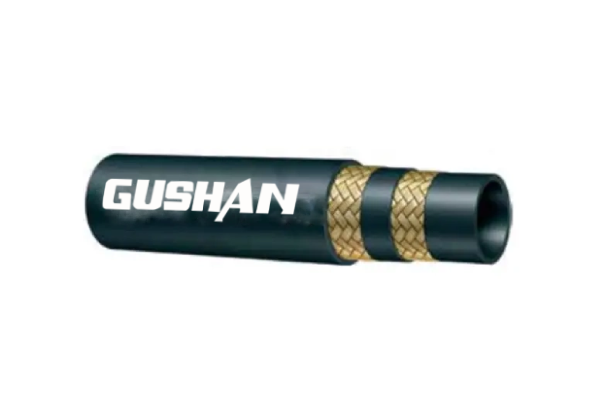
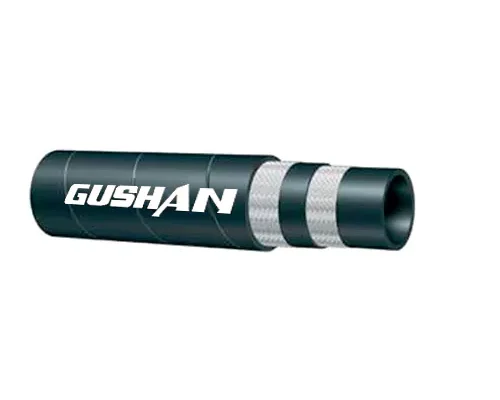
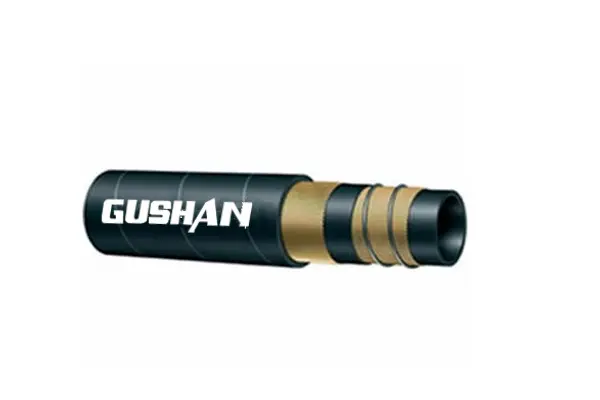
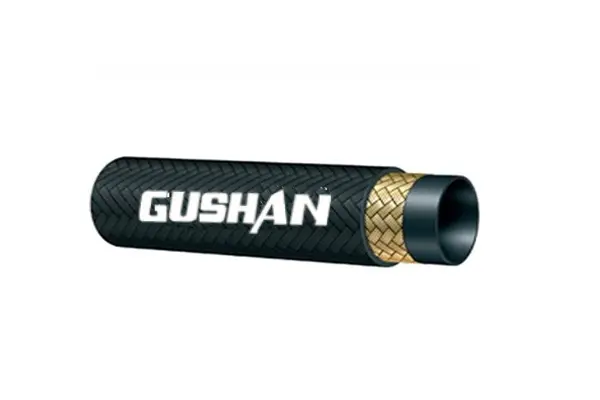
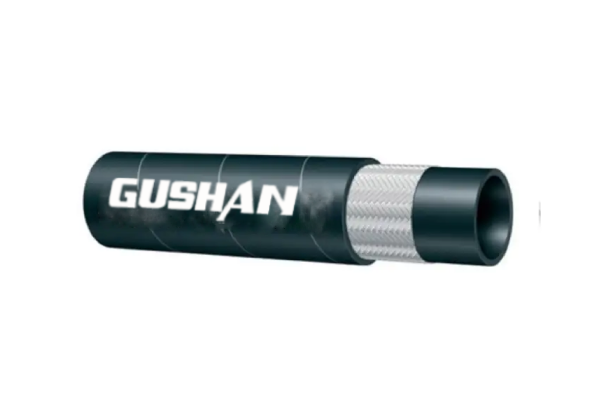
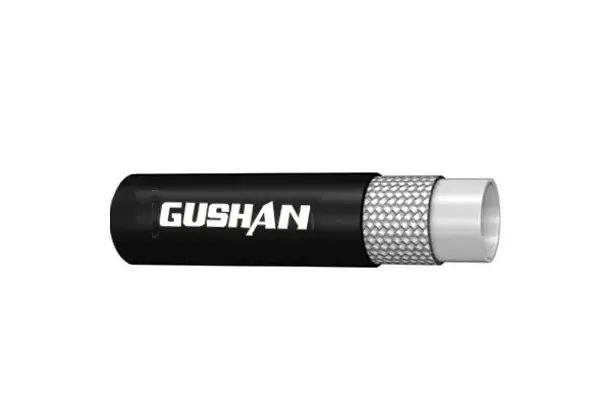

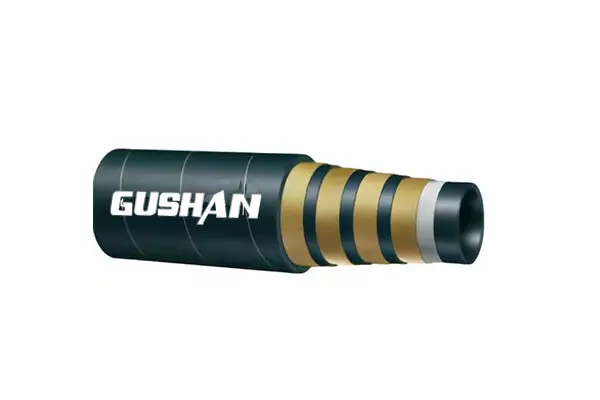
SAE standard hydraulic hoses are engineered to meet strict specifications for performance, safety, and reliability. These requirements cover material quality, construction, pressure ratings, and testing protocols.
Following SAE standards ensures hoses perform consistently under high pressure and demanding industrial or mobile hydraulic applications.
- Material Quality – SAE hoses use reinforced synthetic rubber or thermoplastic materials designed for durability, flexibility, and resistance to wear, pressure, and environmental factors. High-quality materials reduce the risk of leaks or failures, ensuring long-lasting and reliable performance in critical hydraulic systems.
- Pressure Ratings – Hoses are rated for specific working, burst, and impulse pressures. SAE standards ensure hoses can safely handle high-pressure hydraulic operations without compromising safety, performance, or system reliability, even in demanding industrial or mobile applications.
- Construction and Design – SAE hoses feature layered construction, combining inner tubes, reinforcement layers, and outer covers. This design provides flexibility, high-pressure resistance, and compatibility with SAE fittings, maintaining efficiency and safety across diverse hydraulic systems.
- Testing and Certification – Hoses undergo rigorous SAE-certified testing, including burst, impulse, and temperature tests. Certified hoses comply with North American safety and performance standards, giving engineers and operators confidence in their durability and reliability under industrial or automotive hydraulic conditions.
What is the SAE J343 Standard?
The SAE J343 standard is a specification developed by the Society of Automotive Engineers (SAE) that defines the test procedures and requirements for hydraulic hoses. It ensures hoses can withstand high pressures, extreme temperatures, and demanding mechanical conditions, promoting safety and reliability in hydraulic systems across industries.
Key Aspects of SAE J343 Standard:
- Pressure Testing: Hoses must endure specific burst and working pressures to prevent failure in hydraulic applications. This ensures safe operation under extreme pressure conditions. Proper testing reduces risks of leaks, hose rupture, or catastrophic system failures.
- Temperature Resistance: The standard outlines temperature ranges the hose must handle without degradation. Hoses are exposed to high heat and freezing conditions to ensure flexibility, durability, and reliable performance over time.
- Material Requirements: SAE J343 specifies materials suitable for inner tubes, reinforcements, and covers. It ensures chemical resistance, tensile strength, and compatibility with hydraulic fluids, extending the hose’s operational lifespan.
- Dimensional Tolerances: Hoses must meet precise dimensions, including inner and outer diameters, to ensure proper fittings and connections. Accurate sizing prevents leaks, improper assembly, or system inefficiency.
- Marking and Identification: Hoses must carry markings that indicate size, pressure rating, and manufacturer information. Clear identification helps in maintenance, replacement, and compliance with safety regulations.
What is the Difference Between ASTM and SAE Standards?
ASTM and SAE are both organizations that create technical standards, but they serve different purposes. ASTM (American Society for Testing and Materials) focuses on material properties and testing methods, while SAE (Society of Automotive Engineers) emphasizes automotive and aerospace components, including performance, safety, and system requirements.
Key Differences Between ASTM and SAE Standards:
- Scope of Standards: ASTM standards cover a wide range of materials, including metals, plastics, and composites, focusing on testing methods and quality. SAE standards primarily address vehicles, aerospace, and mechanical systems, ensuring components meet performance and safety requirements.
- Purpose and Application: ASTM standards are used globally for quality assurance, material testing, and product evaluation. SAE standards are applied in automotive, aerospace, and industrial engineering to ensure system reliability, component compatibility, and operational safety.
- Testing Requirements: ASTM emphasizes standardized material testing procedures such as tensile, impact, and chemical resistance tests. SAE focuses on performance testing, like pressure, temperature, and mechanical durability, specific to vehicles and machinery.
- Industry Focus: ASTM serves multiple industries, including construction, manufacturing, and energy. SAE mainly serves automotive, aerospace, and heavy machinery sectors, providing detailed guidance for hydraulic, mechanical, and electrical components.
- Standard Development Process: Both organizations develop standards through committees, but ASTM often emphasizes research-based testing and material characterization, while SAE prioritizes real-world performance, system integration, and operational safety.
Other Hydraulic Hose Standards
Beyond SAE and ASTM, hydraulic hoses are governed by various international and industry-specific standards to ensure safety, reliability, and performance. These standards define dimensions, pressure ratings, materials, and testing methods, helping engineers select the right hose for specific hydraulic systems and demanding applications.
Key Hydraulic Hose Standards:
- EN (European Norm) Standards: EN standards, such as EN 853 and EN 856, specify hose construction, pressure ratings, and testing methods for European markets. They ensure compatibility, durability, and safety in hydraulic systems across industrial and mobile applications.
- DIN (Deutsches Institut für Normung) Standards: DIN standards define dimensions, pressure limits, and performance criteria for hoses. DIN-compliant hoses are widely used in Europe and globally, providing reliable operation in high-pressure hydraulic applications.
- ISO (International Organization for Standardization): ISO standards like ISO 1436 and ISO 18752 regulate hose design, testing, and performance requirements worldwide. They help maintain consistent quality and interchangeability for hoses across different manufacturers and regions.
- JIS (Japanese Industrial Standards): JIS standards cover hose construction, pressure ratings, and durability tests for hydraulic applications in Japanese industries. Compliance ensures hoses meet local safety, performance, and reliability requirements.
- BS (British Standards): BS standards focus on pressure ratings, material selection, and testing procedures for hoses used in British and Commonwealth markets. They ensure hoses can safely handle high-pressure and critical hydraulic systems.
Conclusion
Choosing SAE Standard hoses ensures hydraulic systems operate safely, efficiently, and reliably. Their construction, precise pressure ratings, and rigorous testing provide long-lasting performance. Engineers and industrial operators can confidently depend on SAE-compliant hoses to meet demanding applications without compromising safety or durability.
Gushan Rubber offers wholesale SAE hydraulic hoses that meet international standards. Our hoses are built for industrial and mobile hydraulic systems, providing reliable performance and consistent quality. By sourcing from us, businesses gain access to durable hoses at competitive prices, ideal for large-scale operations and system upgrades.
Sourcing hoses from a trusted supplier like Gushan Rubber simplifies procurement and reduces downtime. We provide expert guidance, bulk availability, and a wide range of SAE-compliant options. Whether for replacement or new system installation, our hoses ensure optimal performance, efficiency, and reliability for every hydraulic application.