A power steering hose leak can lead to a loss of steering fluid, resulting in poor steering performance and potential damage to your vehicle’s steering system. Identifying the cause of the leak is essential for effective repairs. In this blog, we’ll explore the common causes of power steering hose leaks and share practical solutions to prevent them.
Regular maintenance and early detection are key to preventing power steering hose leaks. Over time, hoses can deteriorate due to factors such as heat, pressure, and wear. Understanding the causes and taking proactive measures will help you maintain optimal steering performance and extend the life of your power steering system.
What Causes Power Steering Hose Leak
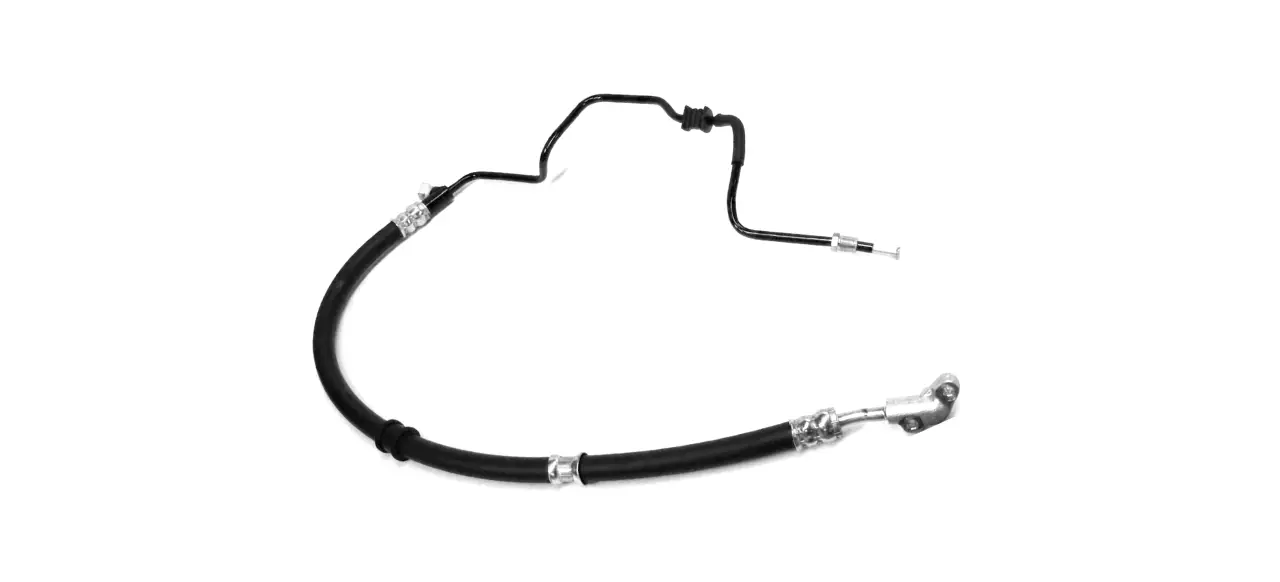
A power steering hose leak doesn’t happen by chance. It’s the result of one or more factors working against the hose’s material and structural integrity. Understanding these causes helps us not only fix the problem but also identify potential issues before they escalate.
Here are the most common culprits.
Common Causes of Power Steering Hose Leaks
- Age and Material Degradation: The most frequent cause is simply age. Over time, the rubber compounds used in the hose material harden, become brittle, and lose their flexibility. This makes them prone to cracking, especially at the crimped fittings, leading to leaks.
- High Heat Exposure: Power steering systems generate a significant amount of heat. Hoses located near the engine block or exhaust manifold are subjected to extreme temperatures, which accelerate the degradation of the hose material.
- Abrasion: Hoses can rub against other engine components, brackets, or the vehicle’s frame. This constant friction wears down the outer protective layer, eventually exposing and damaging the internal reinforcement, which can lead to a rupture.
- High Pressure and Vibration: The power steering pump can generate pressures of up to 1,500 PSI, especially when we turn the wheel. This continuous pressure, combined with engine vibration, puts immense stress on the hose’s fittings and seals.
- Contaminated Fluid: Power steering fluid that is dirty or has been contaminated with other fluids can break down the internal lining of the hose, compromising its ability to contain pressure.
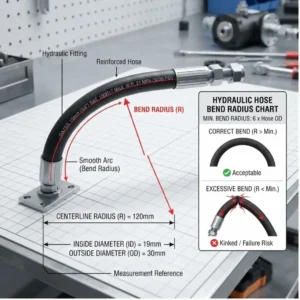
- Improper Installation: A new hose installed incorrectly—perhaps with a twist or a bend that is too tight—can create a weak point that will fail prematurely.
How to Identify a Power Steering Hose Leak?
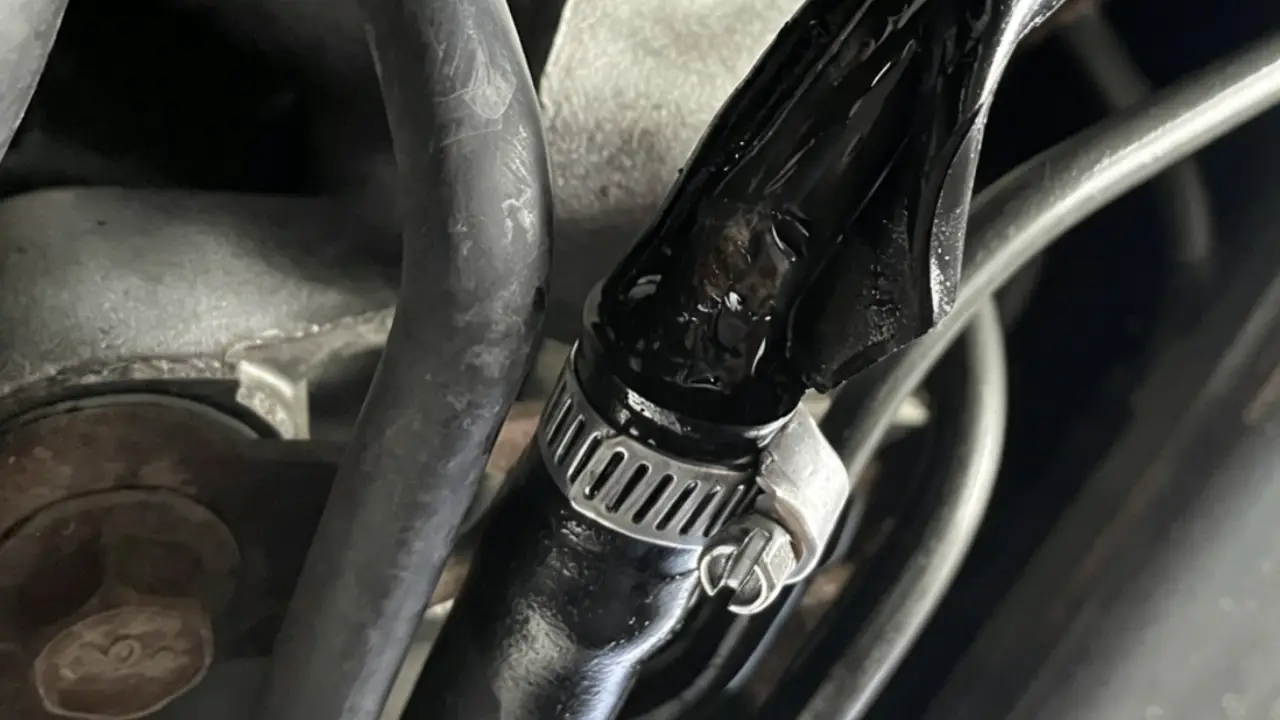
A leaking power steering hose can lead to poor steering performance, unusual noises, or even complete system failure. Identifying leaks early helps prevent costly repairs and ensures safe vehicle operation. Look for visible signs, listen for abnormal sounds, and check fluid levels regularly to detect potential issues.
- Check for Fluid Spots: Inspect under the vehicle for puddles or stains of power steering fluid. Leaks often appear as reddish or amber-colored spots on the ground, especially after parking. Early detection prevents further damage to the steering pump and surrounding components.
- Inspect Hose Condition: Look for cracks, bulges, or worn areas on the hoses. Over time, heat, pressure, and engine vibrations can weaken the hose material, causing leaks that compromise the system’s reliability and may lead to sudden fluid loss.
- Listen for Whining or Squealing: Unusual noises when turning the steering wheel may indicate low fluid levels from a leak. These sounds suggest the pump is working harder to circulate fluid, which can damage both the pump and hoses if not addressed promptly.
- Check Fluid Levels Regularly: Low power steering fluid is a clear sign of leakage. Monitoring levels ensures timely detection, allowing you to pinpoint the source of the leak and maintain safe, smooth steering operation.
- Look for Steering Performance Issues: Difficulty turning, stiffness, or uneven steering response may signal a leaking hose. Identifying these symptoms early helps prevent more serious steering system failures and maintains vehicle safety.
What Types of Power Steering Hoses Are There?
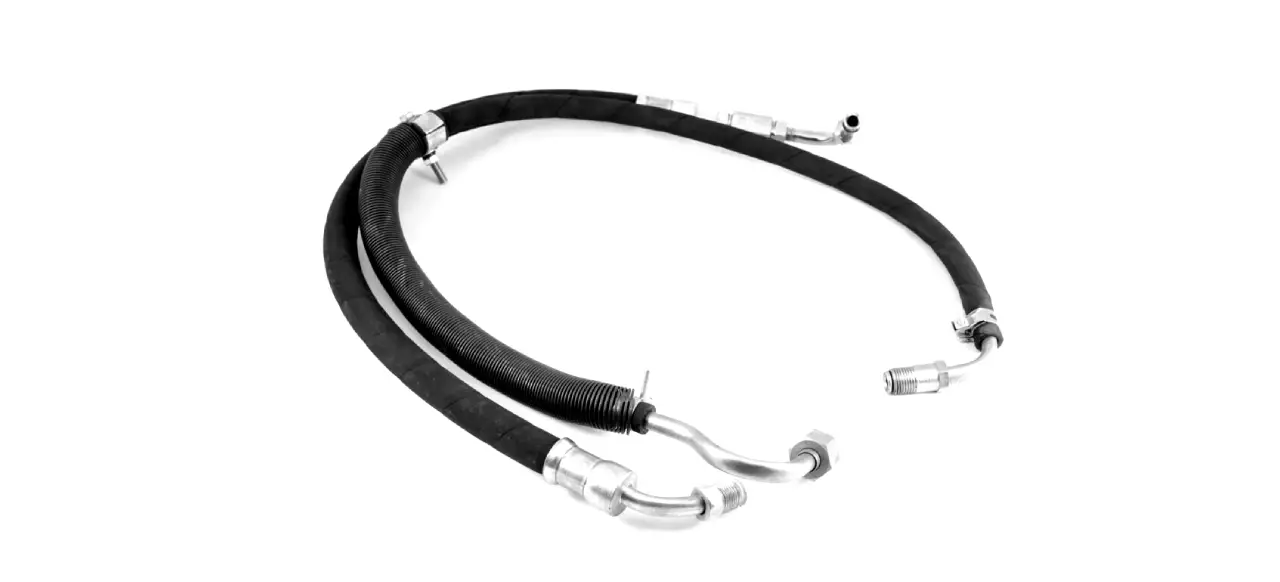
Power steering hoses are essential for transferring fluid between the steering pump, rack, and reservoir. Choosing the right power steering hose ensures optimal steering performance, prevents leaks, and protects system components. Understanding the different types helps maintain vehicle safety and prolongs the life of your steering system.
- High-Pressure Power Steering Hoses: These hoses carry pressurized fluid from the power steering pump to the steering rack. Reinforced with braided steel or synthetic fibers, they withstand high pressure, prevent bursting, and maintain consistent fluid flow even under extreme operating conditions.
- Return Power Steering Hoses: Also called low-pressure hoses, these carry fluid from the steering rack back to the reservoir. Flexible yet durable, they resist heat, chemicals, and wear, preventing leaks and ensuring smooth fluid circulation throughout the system.
- Intermediate Power Steering Hoses: Some vehicles use hoses connecting the pump and cooler or other components. These balance pressure and flexibility requirements, combining reinforced and flexible materials to endure engine movement and vibrations.
- Specialty Power Steering Hoses: Designed for unique vehicle requirements, these hoses feature custom fittings, materials, or protective coatings. They resist specific chemicals, extreme temperatures, or abrasion, providing solutions for high-performance, heavy-duty, or off-road steering systems.
- Flexible Replacement Power Steering Hoses: Aftermarket hoses replicate OEM performance while sometimes offering improved durability. Pre-formed to fit specific vehicle models, they make installation easier and reduce the risk of kinks or leaks during operation.
How to Prevent Power Steering Hose Leaks?
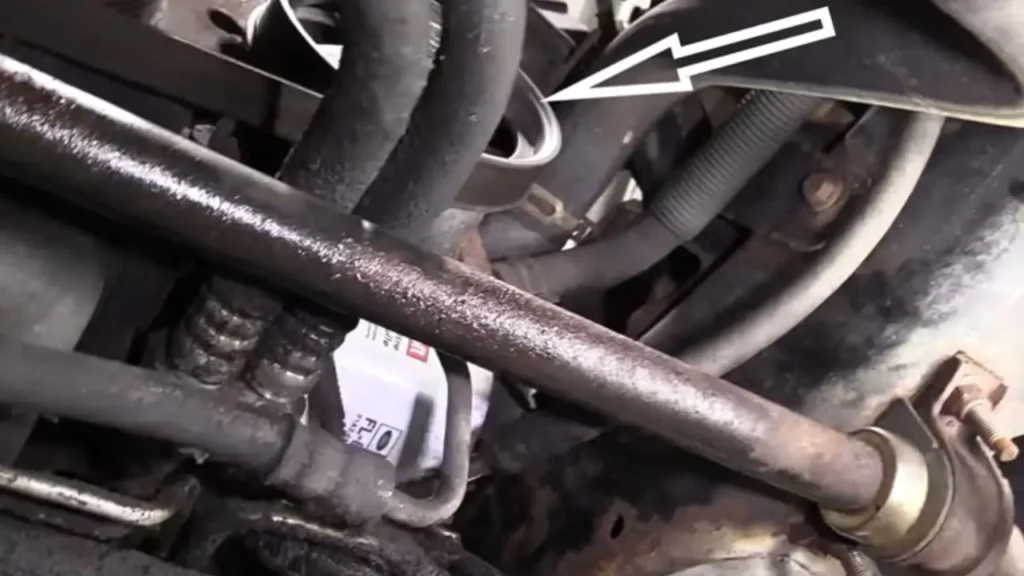
The good news is that many power steering hose leaks are preventable. By taking a proactive approach to maintenance and being mindful of how our vehicles operate, we can significantly extend the life of our hoses and avoid the hassle and expense of a sudden leak.
How to Prevent Hydraulic Hose Leaks
- Replace with Quality Parts: When a replacement is needed, we always opt for a high-quality, OEM-spec hose. Cheaper, lower-quality hoses may not be able to handle the high pressures and temperatures, leading to another leak down the road.
- Routine Inspections: We should regularly inspect the power steering hoses for signs of wear and tear. Look for cracks, blisters, fraying, or any oily residue around the fittings. Early detection is key.
- Maintain Fluid Levels and Quality: Check the power steering fluid level regularly. We should also ensure we are using the correct fluid type and consider flushing and replacing it according to the manufacturer’s recommendations. Clean fluid reduces wear on the internal components, including the hose.
- Protect Against Abrasion: Ensure hoses are properly routed and secured with clips or clamps to prevent them from rubbing against other parts. Protective sleeves can be used in high-contact areas.
- Avoid Over-stressing the System: We should avoid holding the steering wheel at full lock for more than a few seconds, as this puts immense pressure on the system, which can stress the hose and the pump.
How to Fix a Leaky Power Steering Hose?
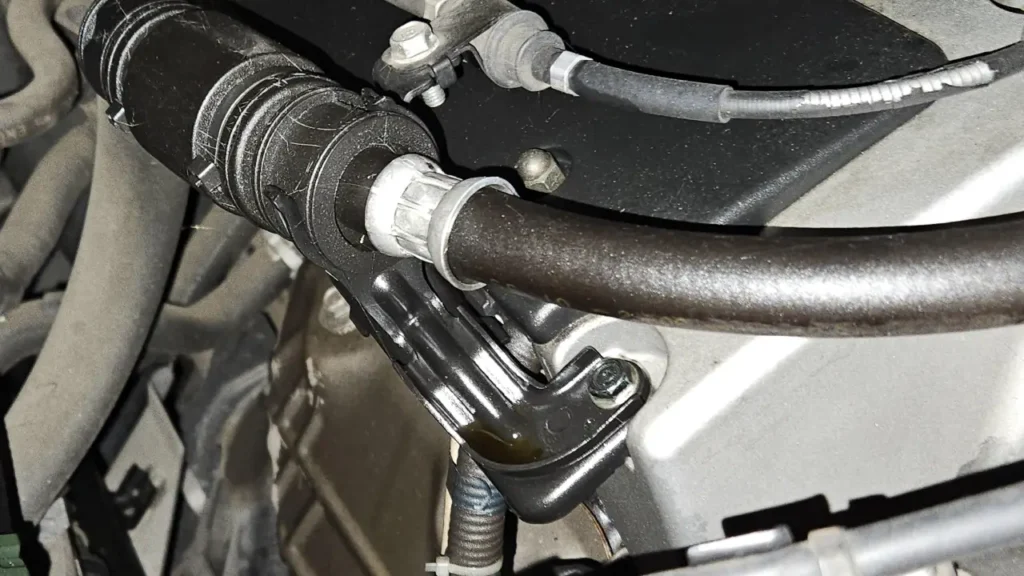
A leaky power steering hose can lead to low fluid levels, steering difficulty, and potential damage to your vehicle’s pump. Addressing the leak promptly ensures safety and maintains smooth steering. This step-by-step guide will help you identify the source of the leak, replace the hose, and restore your power steering system efficiently.
Tools Needed
- Wrench set
- Screwdrivers
- Drain pan
- Power steering fluid
- Replacement power steering hose
- Safety gloves and goggles
- Rags or shop towels
Step 1: Locate the Leak
Inspect the power steering system carefully to find the exact source of the leak. Start by checking the hoses connected to the pump and the steering rack. Look for cracks, splits, or loose clamps. Cleaning the area first helps to see fluid buildup clearly.
Once the leak is identified, mark the hose for replacement. Make sure the engine is cool to prevent burns. Drain any remaining power steering fluid into a pan to avoid spills and contamination during the repair. Proper identification ensures you replace the correct hose.
Step 2: Remove the Damaged Hose
Loosen the clamps or fittings securing the leaky hose to the pump and steering rack. Carefully detach the hose without damaging surrounding components. Use rags to catch residual fluid and minimize mess. Avoid twisting the hose to prevent further damage to connectors.
Once removed, inspect the fittings for wear or corrosion. Clean the connection points before installing the new hose. Ensuring clean, intact fittings prevents future leaks and guarantees a secure, tight fit for the replacement hose.
Step 3: Install the New Hose
Position the replacement hose in place and connect it to the power steering pump and steering rack. Tighten the fittings securely but avoid over-tightening, which could damage threads. Ensure the hose is routed without kinks or sharp bends.
After installation, refill the power steering reservoir with the recommended fluid. Check for leaks by starting the engine and turning the steering wheel fully in both directions. Inspect the connections again to confirm a tight seal and proper fluid flow.
Step 4: Bleed the Power Steering System
Bleeding removes air trapped in the system to prevent noise and erratic steering. With the engine running, turn the wheel slowly from lock to lock several times while monitoring fluid levels. Add fluid as needed to maintain the correct level.
Continue this process until the steering feels smooth and consistent. Check all hose connections one last time for any signs of leakage. Proper bleeding ensures your steering operates reliably and protects the pump from damage.
Why Choose Our Power Steering Hoses?
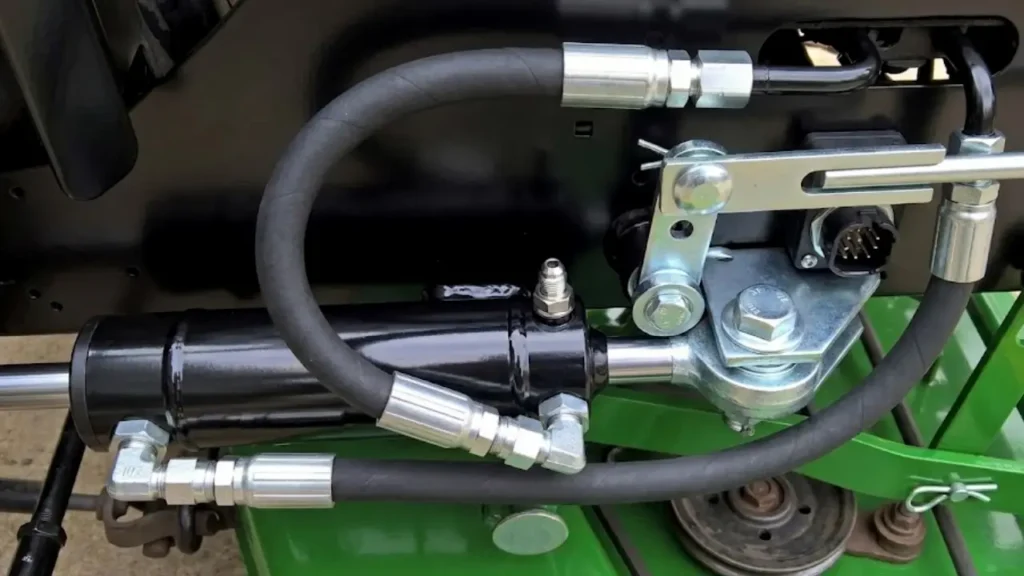
Choosing the right power steering hose ensures reliable steering performance and prevents leaks that could damage your vehicle. Our hoses are designed with durability, precision, and safety in mind, providing long-lasting service and smooth operation.
With quality materials and strict manufacturing standards, you can trust our hoses for every driving condition.
- Durable Materials: Made from high-quality rubber and reinforced layers, our hoses resist cracking, wear, and heat. This ensures longevity and reliable performance even under extreme conditions, reducing the need for frequent replacements and protecting your vehicle’s steering system. Durable construction also prevents fluid leaks that could affect safety.
- Precision Engineering: Each hose is manufactured to meet exact specifications for fit and performance. This precision ensures a perfect connection with your steering pump and rack, preventing leaks and maintaining consistent fluid flow. Accurate engineering also simplifies installation, saving time and effort.
- Leak-Resistant Design: Our hoses feature reinforced fittings and secure connections to prevent leaks under pressure. This design minimizes fluid loss and maintains optimal steering performance. Leak prevention protects other components from damage and ensures safe handling and smooth vehicle operation.
- High-Temperature Resistance: Built to withstand heat generated by the engine and hydraulic pressure, our hoses maintain performance without deformation. Heat resistance extends hose life, prevents premature wear, and ensures consistent steering response, even during long drives or in hot climates.
- Reliable Performance: With rigorous quality control, our hoses provide consistent pressure and fluid flow, ensuring smooth steering and responsive handling. Reliability reduces the risk of sudden failures, giving drivers confidence and peace of mind on every journey.
Conclusion
Power steering hose leaks are a common issue, but can be easily prevented with the right knowledge and maintenance. By regularly inspecting hoses for signs of wear, tightening loose connections, and replacing damaged parts, you can avoid serious steering problems. Don’t wait until it’s too late to address potential leaks.
If you need durable power steering hoses, consider sourcing from Gushan Rubber. Our wholesale options ensure you get the best products at competitive prices, tailored to your needs. We offer hoses that are designed to withstand the rigors of daily driving, ensuring long-term reliability.
At Gushan Rubber, we take pride in delivering top-notch products with excellent customer service. If you’re ready to invest in high-performance power steering hoses, contact us today to learn more about our range of wholesale options. Let us help keep your vehicle’s steering system in top shape.