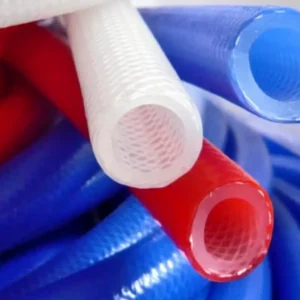
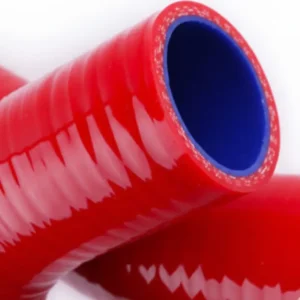
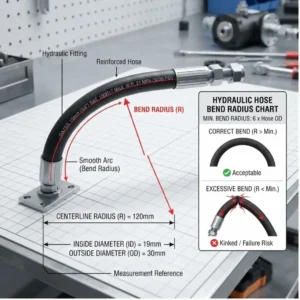
Hydraulic hoses are essential components in countless industries, but their disposal often poses significant environmental and economic challenges. Improperly discarded hoses can contaminate soil and water, while the cost of landfill disposal can quickly mount.
This blog post will explore effective strategies for hydraulic hose disposal that minimize environmental impact and reduce costs for businesses. We’ll delve into responsible recycling options, explore the benefits of reusing components, and discuss how to implement a sustainable hose management plan within your organization.
Materials Used in Hydraulic Hoses
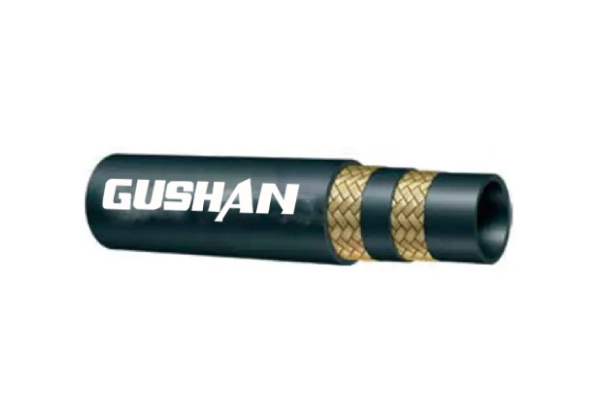
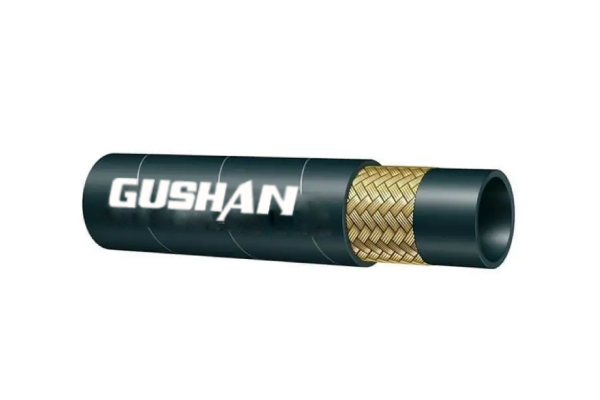
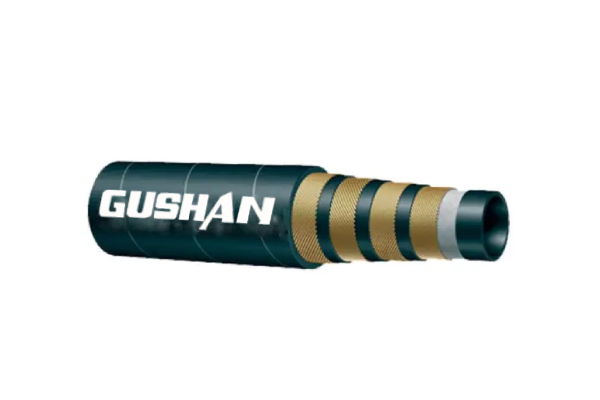
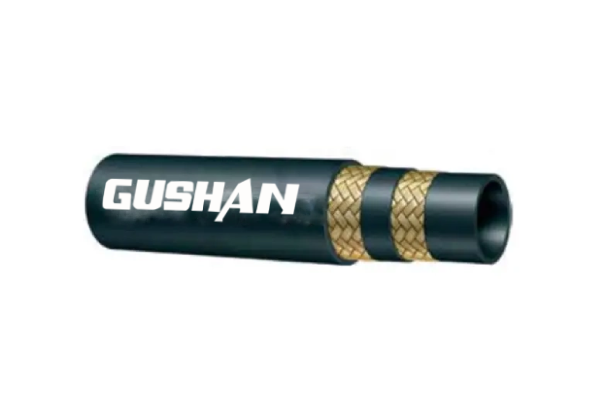
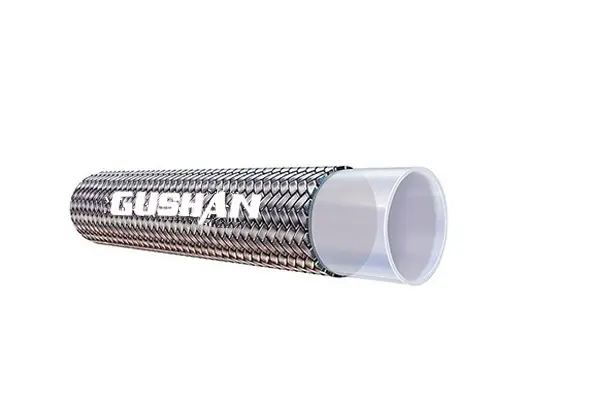
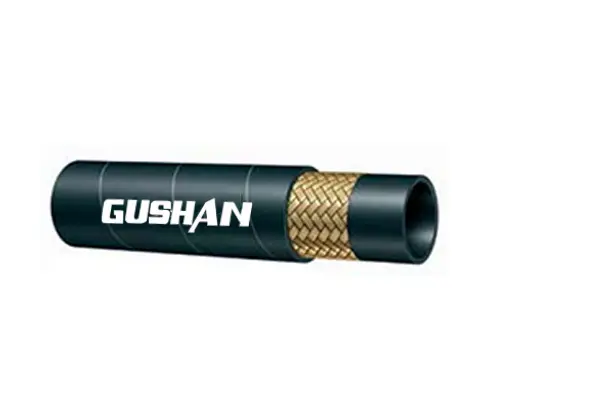
Hydraulic hoses are typically made of several different materials, each serving a specific purpose:
Tube:
- Synthetic Rubber: Most common, offers good flexibility, abrasion resistance, and compatibility with various hydraulic fluids. Examples include nitrile rubber (NBR) and ethylene propylene diene monomer (EPDM).
- Thermoplastic: Lightweight and flexible, often used for low-pressure applications. Examples include nylon and polyurethane.
- Teflon (PTFE): Highly resistant to chemicals, high temperatures, and abrasion, suitable for demanding applications.
Reinforcement:
- Steel Wire: Provides strength and pressure resistance. Can be braided or spirally wound.
- Textile Yarns: Offers flexibility and resistance to abrasion.
- Cover:
Synthetic Rubber: Protects the reinforcement and tube from abrasion, ozone, and environmental factors. Often made of the same materials as the tube.
Polyurethane: Durable and abrasion-resistant, commonly used in demanding applications.
Note: The specific materials used will vary depending on the application, the type of hydraulic fluid, and the operating conditions (pressure, temperature, environment).
Why Proper Hydraulic Hose Disposal is Crucial?

Proper hydraulic hose disposal is crucial for several reasons:
Environmental Protection:
- Pollution Prevention: Hydraulic hoses contain materials like rubber, steel, and potentially hazardous fluids. Improper disposal, such as dumping in landfills or burning, can release these substances into the environment, contaminating soil and water.
- Resource Conservation: Many components of hydraulic hoses, like steel and rubber, can be recycled. Proper disposal allows for these materials to be recovered and reused, conserving natural resources and reducing the demand for raw materials.
Compliance with Regulations:
Legal and Regulatory Requirements: Many jurisdictions have specific regulations regarding the disposal of hazardous waste, including hydraulic hoses containing certain fluids. Non-compliance can result in fines and penalties.
Cost Savings:
- Reduced Waste Disposal Costs: Recycling programs often offer lower disposal costs compared to traditional landfill disposal.
- Potential Revenue Generation: Some recycling programs may even offer financial incentives for proper disposal of recyclable materials.
Brand Reputation and Sustainability:
Demonstrating Environmental Responsibility: Implementing proper disposal practices demonstrates a commitment to environmental sustainability, which can enhance a company’s image and attract environmentally conscious customers.
By prioritizing proper hydraulic hose disposal, businesses can minimize their environmental impact, comply with regulations, reduce hydraulic hose costs, and enhance their sustainability image.
Here are some facts about hydraulic hose disposal in the following:
Used hydraulic hoses can be safely disposed of in regular trash bins. False
Hydraulic hoses often contain fluids like hydraulic oil, which are harmful to the environment. Improper disposal can contaminate soil and water. It’s crucial to dispose of hydraulic hoses responsibly through designated recycling or hazardous waste disposal programs.
Recycling facilities always accept used hydraulic hoses. False
Not all recycling facilities accept used hydraulic hoses. Some may have specific requirements or limitations regarding the types of hoses they accept, the presence of fluids, or the quantity of materials. It’s essential to contact your local recycling center or waste management company to inquire about their specific policies and procedures for disposing of hydraulic hoses.
Recycling used hydraulic hoses helps conserve resources and reduce environmental impact. True
Hydraulic hoses are made from various materials, including rubber, steel, and other metals. Recycling these materials reduces the need for extracting and processing new raw materials, conserving natural resources and minimizing energy consumption. Additionally, proper recycling prevents the release of harmful substances from discarded hoses into the environment.
How to Dispose of Hydraulic Hoses Safely?

Proper disposal of hydraulic hoses is essential for environmental protection and workplace safety. By following correct procedures, you can minimize environmental impact, reduce costs, and comply with regulations. This guide breaks down safe disposal methods step by step to make the process efficient and responsible.
Tools Needed
- Protective gloves
- Safety glasses
- Hose cutter or utility knife
- Recycling containers or bins
- Sealable bags or containers
Step 1: Drain and Clean the Hose
Before disposal, drain all hydraulic fluid from the hose to prevent spills or contamination. Use a container to catch leftover fluid and wipe the hose with a clean cloth. Properly cleaning the hose ensures safety and reduces environmental hazards during disposal.
After draining, inspect the hose for residual fluid and wipe thoroughly. Small amounts of oil can still pose environmental and safety risks, so careful cleaning is essential. Handling the hose properly protects workers, prevents leaks, and prepares the hose for recycling or disposal according to regulations.
Step 2: Cut the Hose into Smaller Sections
Cut the hydraulic hose into smaller, manageable sections using a hose cutter or utility knife. Smaller pieces are easier to handle, transport, and process for recycling or disposal. This step also reduces the risk of accidental injury during handling.
Ensure that each section is cut evenly and safely, using protective gloves and glasses. Cutting the hose properly allows recycling facilities to process it efficiently and ensures that the disposal process meets safety and environmental standards. Handling each piece carefully prevents accidents.
Step 3: Recycle or Dispose Properly
Take the cleaned and cut hose sections to an approved recycling facility or hazardous waste center. Follow local regulations to ensure environmentally responsible disposal. Proper recycling conserves resources and minimizes environmental damage caused by discarded hydraulic hoses.
If recycling is not available, seal hose pieces in bags or containers and follow local waste guidelines. Proper labeling and handling prevent contamination and ensure safe disposal. Responsible disposal practices protect the environment, reduce liability, and promote sustainable management of hydraulic hose waste.
How Do You Dispose of Hydraulic Fluid?

Disposing of hydraulic fluid safely is critical to protect the environment and comply with regulations. Improper disposal can contaminate soil, water, and harm wildlife. Following proper procedures ensures safety, reduces costs, and supports sustainable practices in hydraulic system maintenance and repair.
- Collect used hydraulic fluid: Always drain hydraulic fluid into a clean, leak-proof container. Avoid mixing with other liquids to maintain recyclability. Proper collection prevents spills, contamination, and makes transportation to disposal or recycling facilities safer and more efficient, reducing environmental hazards.
- Store safely: Keep collected hydraulic fluid in labeled, sealed containers in a cool, dry area. Avoid exposure to heat or sunlight, which can degrade the fluid and create hazards. Proper storage reduces the risk of leaks, fire, and environmental contamination.
- Recycle or dispose at approved facilities: Take used hydraulic fluid to a certified recycling center or hazardous waste facility. Recycling allows fluid to be reprocessed for reuse, reducing environmental impact and disposal costs while complying with local regulations.
- Follow local regulations: Different regions have specific rules for hydraulic fluid disposal. Ensure compliance with local laws to avoid fines and environmental damage. Following regulations supports sustainable practices, protects communities, and maintains safe working conditions.
Hydraulic Hose Recycling
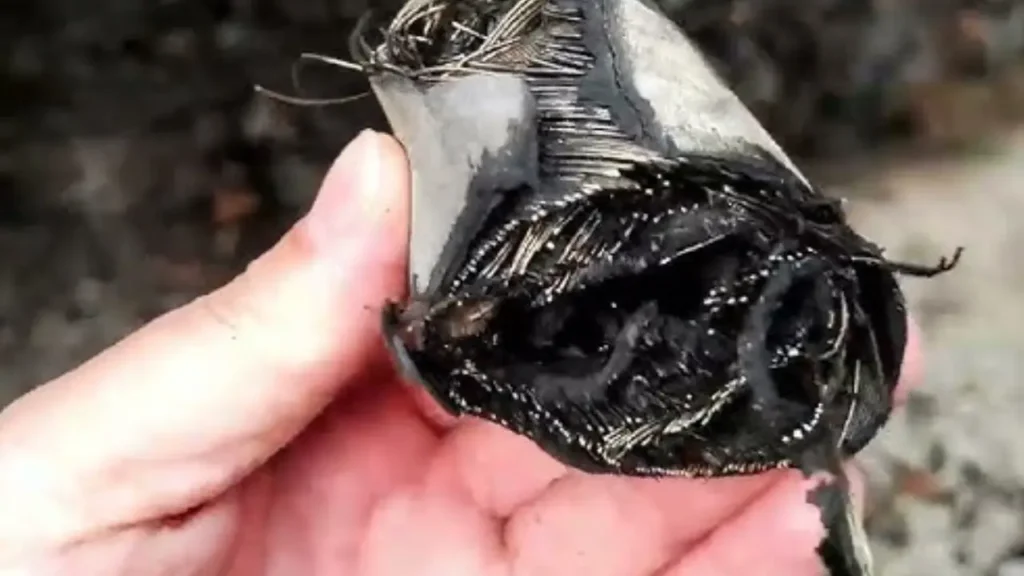
Recycling hydraulic hoses can reduce the environmental impact of manufacturing new hoses. True
Hydraulic hose manufacturing requires significant energy and resources, including the extraction and processing of raw materials like rubber, steel, and other components. Recycling hoses reduces the demand for these raw materials, thereby conserving natural resources and minimizing the environmental footprint of the manufacturing process.
All hydraulic hoses can be completely recycled into new hoses. False
While many components of hydraulic hoses, such as steel reinforcement and rubber, can be recycled, the process may not always result in the creation of new hoses. Recycled materials are often used to produce other products, such as rubber mats, granules for construction, or even energy through waste-to-energy processes. The specific recycling methods and end products can vary depending on the type of hose and the recycling facility.
Old hydraulic hoses can be recycled! Here’s how and why:
Why Recycle Hydraulic Hoses?
Recycling hydraulic hoses helps reduce environmental impact, conserve resources, and lower disposal costs. Instead of sending hoses to landfills, recycling allows materials to be reused safely. Proper recycling supports sustainable practices while maintaining workplace safety and promoting responsible management of hydraulic system components.
- Protect the environment: Recycling prevents hoses from ending up in landfills or being burned, which can release harmful chemicals. Proper disposal and recycling reduce soil and water contamination, contributing to a cleaner, safer environment for communities and wildlife.
- Conserve resources: Recycled hoses can be processed to recover rubber, metal, and synthetic fibers. This reduces the need for raw materials, lowers production energy, and minimizes environmental strain, supporting a more sustainable approach to hydraulic hose manufacturing.
- Reduce disposal costs: Sending hoses to landfills or paying for hazardous waste disposal can be expensive. Recycling provides a cost-effective alternative by diverting hoses from waste streams and repurposing materials, saving businesses money while supporting environmental responsibility.
- Comply with regulations: Many regions have strict rules for hydraulic hose disposal. Recycling ensures adherence to local and national regulations, avoiding fines and liability. Following proper recycling protocols protects both the company and the environment.
How to Recycle Hydraulic Hoses?
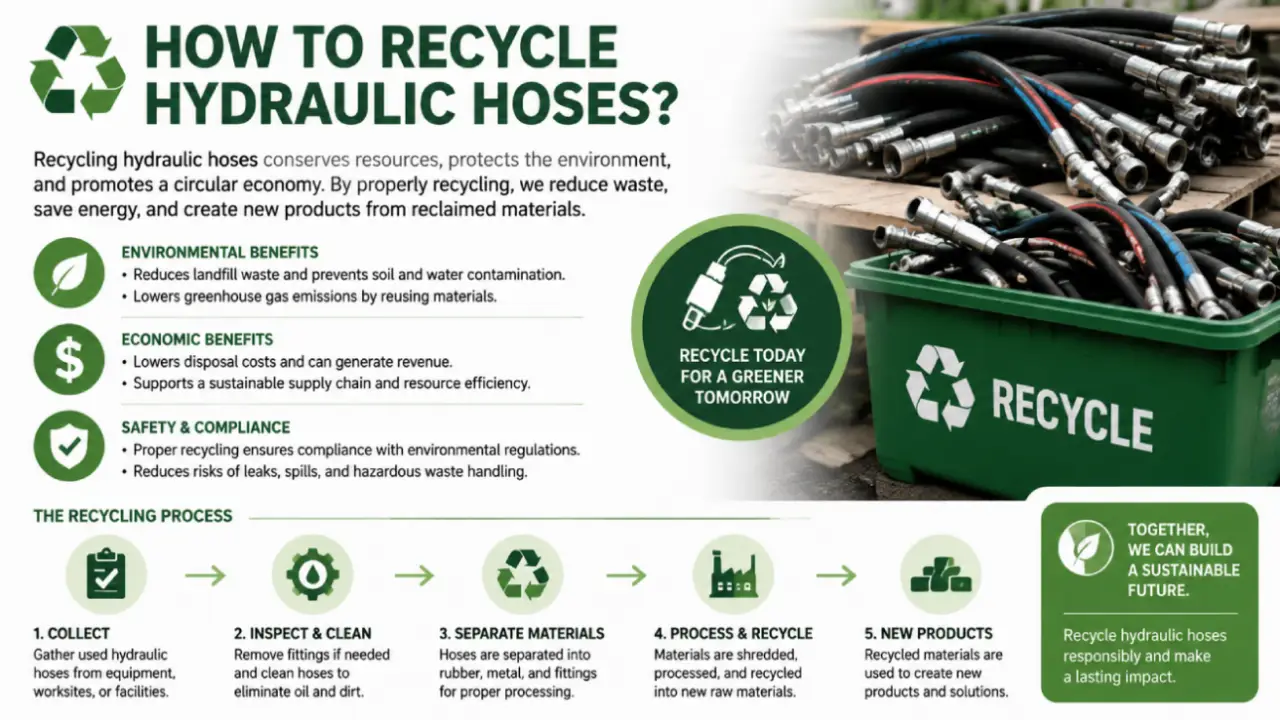
Recycling hydraulic hoses helps reduce environmental impact, conserve resources, and lower disposal costs. Proper recycling ensures safe handling, prevents contamination, and allows materials like rubber, steel, and synthetic fibers to be reused. Following correct procedures makes the process efficient, responsible, and beneficial for both businesses and the environment.
- Drain residual fluid: Before recycling, fully drain hydraulic fluid from hoses into a safe container. Removing fluids prevents spills, reduces contamination, and protects recycling facility workers. Properly drained hoses are safer to handle and meet environmental standards, ensuring compliance with regulations and reducing workplace hazards.
- Clean hoses thoroughly: Wipe or rinse hoses to remove remaining oil, dirt, or debris. Clean hoses minimize environmental risks and ensure that recycled materials meet facility processing requirements. Proper cleaning also improves safety during handling and transport, preventing slips or exposure to hazardous fluids.
- Cut hoses into sections: Use a hose cutter or utility knife to cut hoses into smaller, manageable pieces. Smaller sections are easier to transport, handle, and process at recycling facilities. Cutting hoses properly reduces the risk of injury and ensures consistent recycling efficiency.
- Transport to certified facilities: Take the prepared hoses to approved recycling or hazardous waste centers. Certified facilities ensure that rubber, metal, and synthetic components are processed safely and reused. Proper transport prevents spills, protects the environment, and supports sustainable hydraulic hose management practices.
Conclusion
Proper hydraulic hose disposal is not only an environmental responsibility but also a smart business decision. By implementing responsible disposal practices, you can minimize your environmental impact, reduce costs associated with waste management, and potentially even gain a competitive advantage by demonstrating your commitment to sustainability.
Ready to upgrade your hydraulic hose system and minimize your environmental impact? Our company offers a wide range of high-quality, durable hydraulic hoses designed to withstand demanding applications. We are committed to sustainable practices and can help you choose the right hoses for your needs while minimizing your environmental footprint.
Contact us today for a free consultation and discover how we can help you optimize your hydraulic system and reduce your environmental impact.