A power steering hose is an essential component in a vehicle’s power steering system. It transfers hydraulic fluid between the pump and the steering gear, allowing for smoother and easier turning of the wheel. Understanding how this hose functions can help prevent potential steering issues and ensure the longevity of your vehicle’s steering system.
There are two main types of power steering hoses: high-pressure and low-pressure. Each type plays a specific role, ensuring that the steering fluid is properly routed and maintained at the right pressure levels. This guide will dive deep into the function, types, and maintenance of power steering hoses, so you can take better care of your car.
What is a Power Steering Hose?
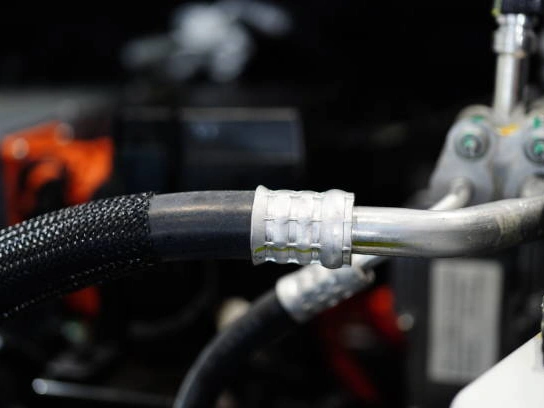
A power steering hose is a vital component of a vehicle’s power steering system, responsible for carrying hydraulic fluid between the pump and steering gear. This fluid helps in easing the effort required to turn the steering wheel, improving overall handling and maneuverability.
Power steering hoses come in high-pressure and low-pressure varieties, each serving a specific purpose in the system’s operation.
Why Is Power Steering Hose Important?
The power steering hose plays a crucial role in maintaining the efficiency and safety of your vehicle’s steering system. It ensures smooth steering by transferring hydraulic fluid, allowing for easier handling. Here’s why it’s so important:
- Fluid Transfer: The hose efficiently carries hydraulic fluid to and from the steering pump, helping maintain the proper pressure needed for smooth steering. Without it, steering could become difficult, leading to potential system failure.
- Prevents Leaks: A well-maintained power steering hose prevents fluid leaks, ensuring the steering system remains filled with the necessary fluid for proper function. Leaks can cause low fluid levels, resulting in increased wear and potential damage to the steering pump.
- Ensures Safety: A functioning power steering hose helps avoid steering difficulties, which could make driving unsafe. A compromised hose could lead to a sudden loss of power assist, increasing the risk of accidents, especially in critical driving conditions.
- Reduces Wear on Other Components: By maintaining the proper fluid pressure and flow, the hose helps reduce strain on other parts of the power steering system. This can prolong the life of components like the pump, steering rack, and fluid reservoir.
Power Steering Hose Components
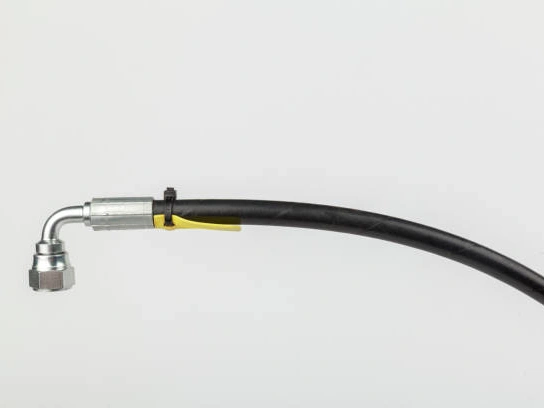
The power steering hose is made up of several essential components that work together to ensure the smooth operation of the vehicle’s steering system. Understanding these components helps in diagnosing issues and ensuring proper maintenance.
Here are the key parts of a power steering hose:
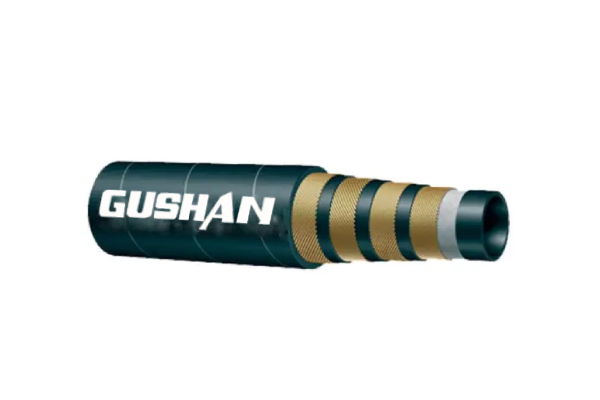
- Inner Tube: The inner tube is responsible for carrying hydraulic fluid and must be resistant to high pressure and heat. It ensures that fluid is transported efficiently without leaking, preventing potential damage to the steering pump and other components.
- Reinforcement Layer: The reinforcement layer provides structural strength to the hose. Made from braided steel or synthetic materials, it ensures that the hose can withstand the high pressure and external forces applied during steering, preventing rupture or collapse.
- Outer Cover: The outer cover protects the hose from abrasion, UV rays, and environmental damage. It also shields the inner components from external heat sources, extending the life of the hose and preventing cracks or degradation from exposure to elements like oil, chemicals, and dirt.
- Fittings: Fittings are used to connect the power steering hose to the steering pump and rack. These connectors are typically made from metal and must provide a secure, leak-proof connection to ensure that hydraulic fluid flows properly through the system.
What is Power Steering Hose Made Of?
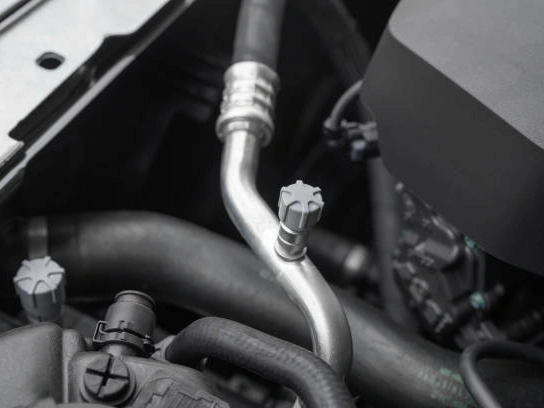
The materials used in a power steering hose are specifically chosen to handle the harsh operating environment. A typical hose is composed of multiple layers, each serving a vital purpose in ensuring its strength, durability, and compatibility with the hydraulic fluid it carries.
- Inner Tube: This is the innermost layer that is in direct contact with the power steering fluid. It is made of a synthetic rubber compound designed to be compatible with the fluid and resistant to degradation from oil and high temperatures.
- Reinforcement Layer: This is the structural core of the hose, providing its pressure-containing strength. It consists of braided steel wire or synthetic fibers. The number of layers and the material used determine the hose’s working pressure rating.
- Outer Cover: The outermost layer is a protective shield. It is made from a durable rubber compound that protects the inner layers from external factors like abrasion, heat, ozone, and oil splashes in the engine bay.
Power Steering Hose Applications
A power steering hose is fundamental to any vehicle with a hydraulic power steering system. Its applications are as varied as the vehicles themselves, from passenger cars to heavy-duty trucks and industrial equipment.
- Passenger Vehicles: In cars, the power steering hoses are key to providing effortless steering, a standard feature that drivers rely on for comfort and safety.
- Trucks and Commercial Vehicles: For larger vehicles with heavier front ends, the power steering system is under immense stress. Hoses in these applications are built to be exceptionally robust to handle the increased load.
- Construction and Agricultural Equipment: Equipment like tractors, excavators, and loaders use hydraulic power for more than just steering. The hoses in these machines are designed to withstand extremely high pressures and harsh working conditions.
- Marine Applications: Power steering hoses are also used in boats and marine vessels, where they must be resistant to saltwater corrosion and extreme temperatures.
The specific hose type and construction will always be tailored to the demands of its particular application.
What Hose to Use for Power Steering?
Recommended Hydraulic Hoses
-
DIN EN856 4SH
-
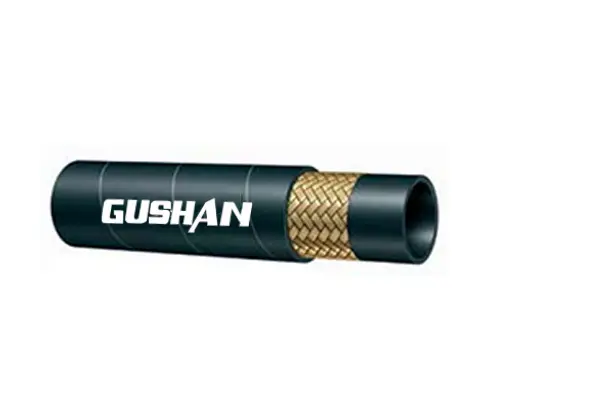
DIN EN857 1SC
-
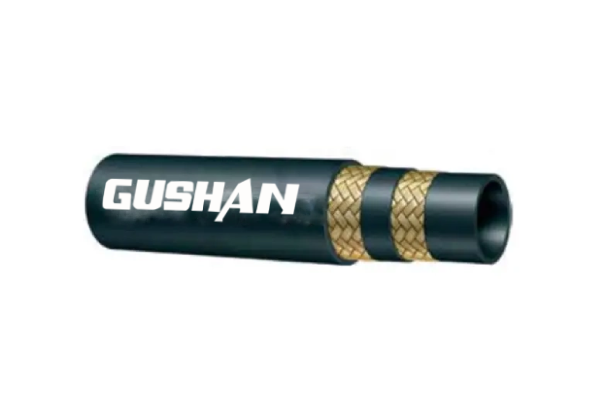
DIN EN857 2SC
-
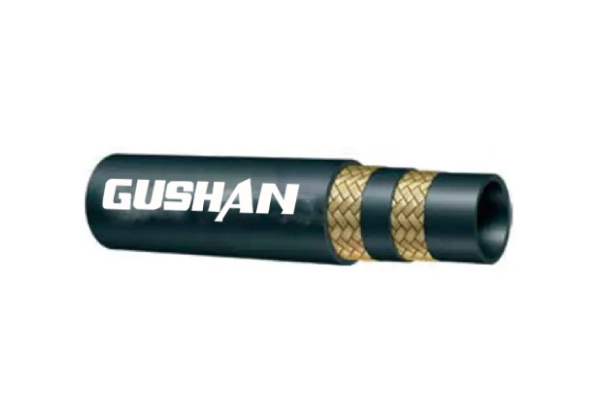
SAE 100R 2A / DIN EN853 2ST
-
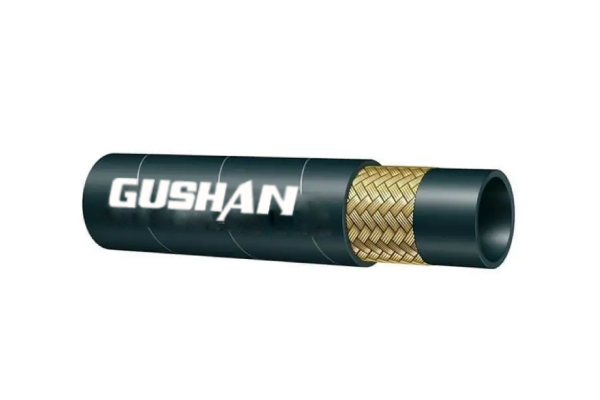
SAE 100R 1A / DIN EN853 1ST
-
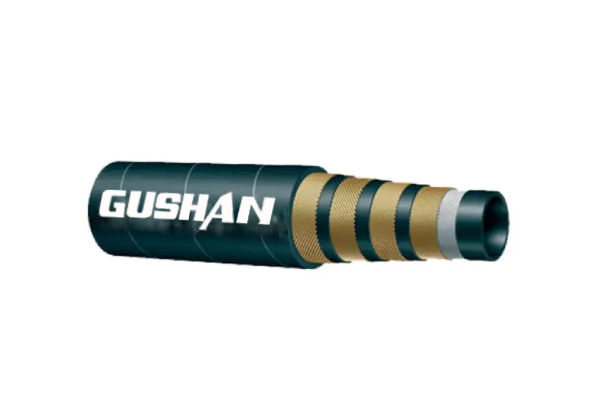
SAE 100R12
-
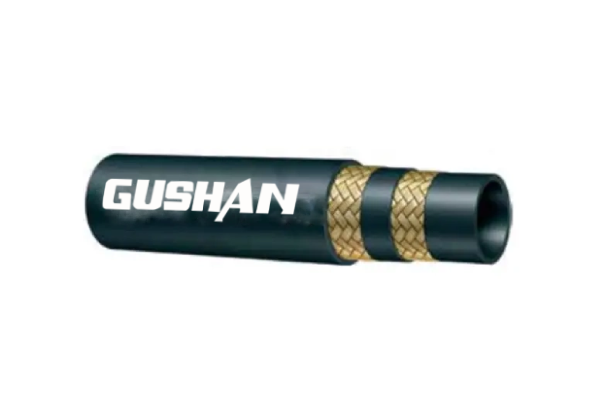
SAE 100R2AT / DIN EN853 2SN
-
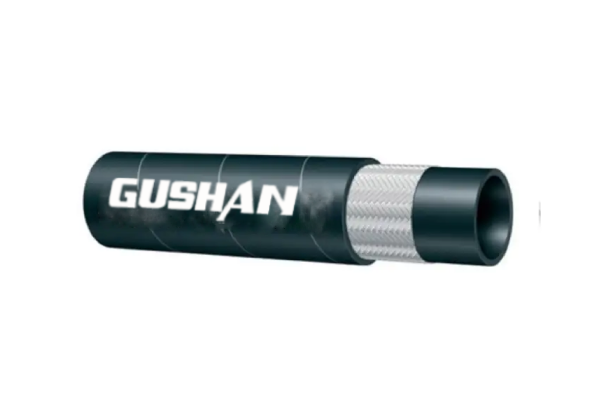
SAE 100R6
-
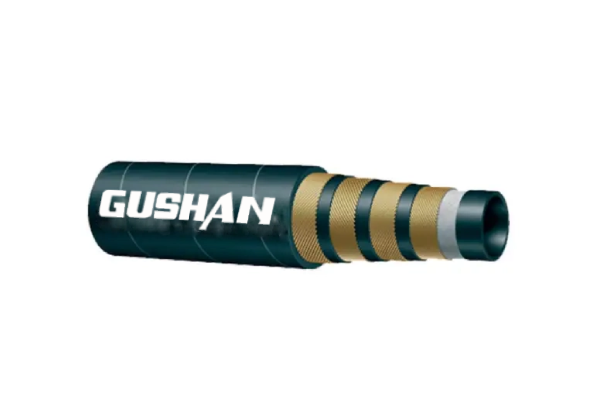
SAE 100R13
Choosing the right hose for your power steering system is crucial for ensuring safe and efficient operation. The hose must be able to withstand high pressure, fluid exposure, and environmental factors.
Here’s what to consider when selecting a power steering hose:
- High-Pressure Hydraulic Hose: A high-pressure hose is essential for the power steering system as it can handle the high hydraulic pressure generated by the steering pump. These hoses are designed with reinforced layers to ensure they do not burst or collapse under pressure, maintaining fluid flow and system functionality.
- Low-Pressure Hydraulic Hose: The low-pressure hose carries fluid back to the reservoir or pump. While it operates under less pressure than the high-pressure hose, it still requires durability to prevent kinks, leaks, or degradation. These hoses are typically lighter and more flexible than high-pressure hoses.
- Material Compatibility: The hose material should be compatible with the hydraulic fluid used in the power steering system. Rubber or synthetic rubber hoses are common, as they resist corrosion from fluid and maintain flexibility even under high temperature and pressure conditions.
- Temperature Resistance: Power steering hoses must be able to withstand temperature fluctuations. Hoses made with heat-resistant materials such as braided steel or synthetic rubber offer better protection against extreme conditions, preventing breakdowns or failures in both hot and cold weather.
Conclusion
In conclusion, power steering hoses are crucial for maintaining the efficiency and safety of your vehicle’s steering system. By understanding their role, types, and signs of wear, you can address issues early and avoid costly repairs. Regular maintenance ensures that these hoses continue to work smoothly for the long term.
If you’re looking for durable hydraulic hoses, Gushan Rubber offers an excellent selection at wholesale prices. Our hoses are designed to meet the highest standards of performance and reliability, ensuring that your steering system remains in top condition.
Get in touch with us today to learn more about our extensive range of hydraulic hoses and how they can enhance your vehicle’s performance. At Gushan Rubber, we’re committed to providing you with products that you can trust.