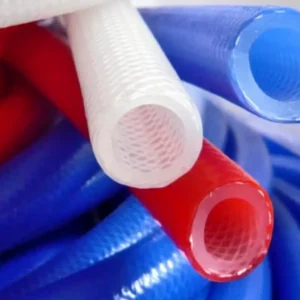
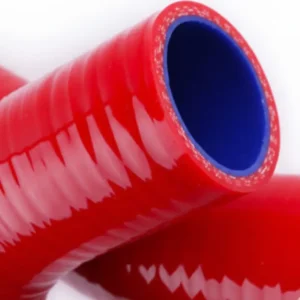
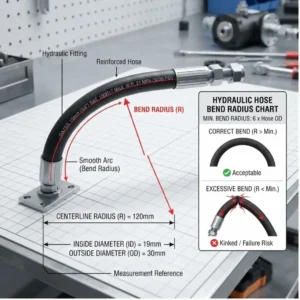
Rubber hoses are an essential part of various industries, from automotive to manufacturing, due to their flexibility and durability. The chemistry behind these hoses involves unique compounds that allow them to withstand pressure, wear, and chemical exposure. Understanding the composition of rubber and how it works is key to appreciating its performance.
The chemistry of rubber hoses involves a mix of natural and synthetic rubber compounds, combined with other additives for strength and resilience. This blend makes the hoses not only flexible but also resistant to heat, abrasion, and chemicals, ensuring they perform effectively in demanding environments and applications.
What is Rubber Hose Chemistry?
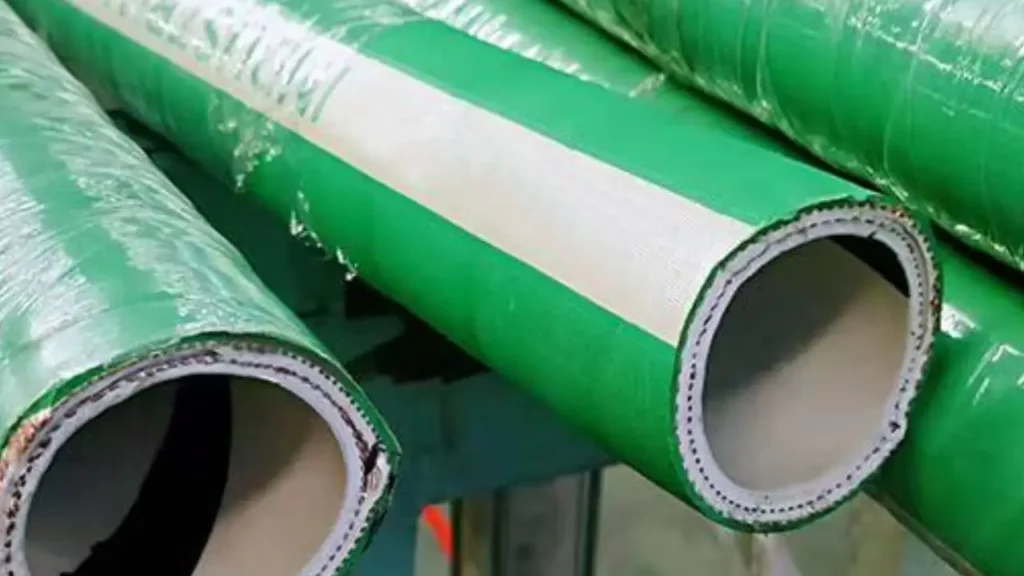
Rubber hose chemistry refers to the formulation of rubber compounds used in the production of hoses. It involves combining natural or synthetic rubber with additives like fillers, plasticizers, stabilizers, and curing agents.
This unique blend enhances the rubber hose’s durability, flexibility, heat resistance, and ability to withstand abrasion, pressure, and chemical exposure, making it suitable for a wide range of applications.
How Rubber Hose Chemistry Works
Rubber hose chemistry works by blending various materials to create a compound that meets the required performance standards for specific applications. The chemical composition allows hoses to remain flexible, durable, and resistant to various factors like heat and pressure.
- Rubber Compound Formation: The base rubber, whether natural or synthetic, is mixed with curing agents, plasticizers, and fillers. These additives help improve flexibility, strength, and resistance to chemicals, ensuring the hose can handle various environments and conditions.
- Vulcanization Process: Vulcanization is a chemical process that involves heating the rubber compound to cross-link its molecules. This makes the rubber more durable and heat-resistant, enhancing its ability to withstand wear and tear, pressure, and high temperatures over time.
- Additives and Reinforcements: Additives like carbon black, stabilizers, and reinforcements such as steel braiding are added to improve the rubber’s durability. These materials enhance the hose’s resistance to UV light, abrasion, and chemical degradation, ensuring it maintains performance for a longer period.
- Customization for Applications: By adjusting the rubber compound’s formula, manufacturers can tailor hoses for specific needs, such as increased flexibility for tight spaces or higher pressure resistance for industrial applications. This customization allows hoses to perform optimally across various industries, from automotive to manufacturing.
Rubber Hose Chemistry Uses
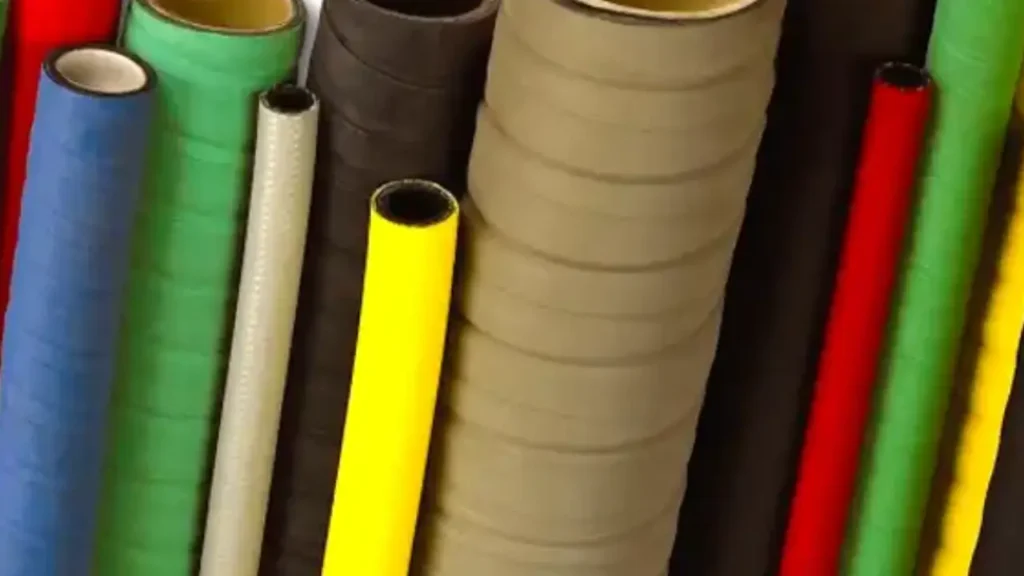
Rubber hose chemistry is crucial in ensuring that hoses meet the demands of various industries. The specific chemical composition of rubber hoses makes them highly versatile, offering a range of properties suitable for different applications.
Here’s how rubber hose chemistry is used across industries:
- Automotive Applications: In vehicles, rubber hoses are used for coolant, fuel, and power steering systems. Their ability to resist high temperatures, pressure, and chemical exposure ensures reliable performance under the hood. Without this durable composition, hoses could crack, leak, or deteriorate, leading to vehicle malfunctions.
- Industrial Use: Rubber hoses are widely used in industrial settings for transporting gases, liquids, and chemicals. The flexible yet durable design ensures they can handle harsh chemicals, high-pressure environments, and temperature fluctuations. This makes them essential in manufacturing, construction, and chemical processing operations.
- Agriculture: Rubber hoses are commonly used in agriculture for irrigation and spraying systems. Their resistance to UV rays, water, and extreme temperatures makes them ideal for outdoor use. Additionally, their flexibility allows them to be easily maneuvered around fields and crops without damage.
- Food and Beverage Industry: Food-grade rubber hoses are formulated to meet stringent health and safety standards. These hoses are resistant to food acids, oils, and high temperatures, ensuring safe transportation of liquids like milk, juices, and oils while maintaining hygienic conditions.
Rubber Hose Chemical Resistance Chart
A rubber hose’s chemical resistance is a critical factor in determining its suitability for various applications. The resistance to specific chemicals varies based on the rubber composition and the additives used during manufacturing.
Understanding the chemical resistance of different rubber materials can help users select the right hose for tasks involving harsh chemicals or extreme environments.
Here’s a general guide to the chemical resistance of various types of rubber hoses:
- Nitrile Rubber (NBR): Resistant to oils, fuels, and petroleum-based products, making it ideal for automotive and industrial uses where exposure to oils and greases is common. However, it can be vulnerable to damage from ozone and weather conditions.
- EPDM Rubber: Known for its excellent resistance to water, steam, and a wide range of acids and alkalis. EPDM hoses are frequently used in the food and beverage industry and for outdoor applications where exposure to sunlight and weather is a concern.
- Neoprene Rubber: Offers good resistance to oils, fats, and weathering, but has limited resistance to certain chemicals like aromatic hydrocarbons. It is commonly used in HVAC and refrigeration applications.
- Silicone Rubber: Highly resistant to extreme temperatures and ozone, but less resistant to oils and fuels. It is used in medical, food, and high-temperature applications where flexibility and thermal stability are necessary.
These general guidelines help users select the appropriate rubber hose material based on chemical exposure, temperature ranges, and other environmental factors, ensuring optimal performance and safety.
| Rubber Material | Chemical Resistance | Common Applications |
|---|---|---|
| Nitrile (NBR) | Excellent resistance to oils, fuels, and petroleum-based products; poor resistance to ozone, sunlight, and aromatic hydrocarbons. | Automotive, industrial machinery, fuel lines, oil-based applications. |
| EPDM | Highly resistant to water, steam, acids, alkalis, and weathering; poor resistance to oils and hydrocarbons. | Food and beverage industry, outdoor applications, hot water systems. |
| Neoprene (CR) | Good resistance to oils, fats, and weathering; poor resistance to aromatic hydrocarbons and ketones. | HVAC systems, refrigeration, weatherproofing, and electrical insulation. |
| Silicone (SI) | Excellent resistance to high and low temperatures, ozone, and UV light; poor resistance to oils and fuels. | High-temperature applications, food and medical industry, automotive. |
| Viton (FKM) | Excellent resistance to oils, fuels, acids, and solvents; poor resistance to water and alkalis. | Aerospace, automotive fuel systems, chemical processing. |
| Butyl (IIR) | Excellent resistance to acids, bases, and gas permeability; poor resistance to oils, fats, and aromatic hydrocarbons. | Chemical processing, pharmaceuticals, and vacuum applications. |
| Polyurethane (PU) | Good resistance to abrasion, oils, and fuels; moderate resistance to acids and bases. | Hydraulic systems, pneumatic systems, and industrial machinery. |
| Chloroprene (CR) | Resistant to oils, fats, and weathering; poor resistance to strong acids and alkalis. | Outdoor applications, electrical insulation, and seals. |
This chart offers a quick overview of the chemical resistance properties of various rubber materials to help you choose the best hose for your specific application, considering factors like chemical exposure, temperature, and environmental conditions.
How to Choose Suitable Chemical Rubber Hoses?
Choosing the right chemical rubber hose is essential to ensure the durability and efficiency of your system. Factors like chemical compatibility, pressure requirements, and environmental conditions must be considered.
Here’s how to make the right choice:
- Chemical Compatibility: Ensure the hose material is compatible with the chemicals it will come into contact with. Different rubber types have varying resistance to acids, oils, solvents, and gases. Selecting the right material prevents degradation and failure, extending the hose’s life.
- Temperature Resistance: Consider the operating temperature range of the hose. Some rubber hoses are designed to withstand extreme heat or cold, making them suitable for high-temperature applications. Choosing the correct temperature-resistant hose avoids premature aging, softening, or cracking in harsh environments.
- Pressure Rating: Match the hose’s pressure rating with the requirements of your system. A hose that can’t withstand the necessary pressure may burst or leak. Ensure the hose’s reinforcement and wall thickness are designed for the intended pressure levels to maintain system integrity.
- Environmental Factors: Consider the hose’s exposure to outdoor elements, UV light, or ozone. Materials like EPDM and neoprene offer good resistance to weathering and ozone, making them ideal for outdoor or high-exposure environments. Proper material selection prevents degradation from environmental factors.
- Flexibility and Durability: Evaluate the hose’s flexibility, especially for installations in tight or complex spaces. A flexible hose can handle bending and twisting without compromising its structural integrity. Look for hoses with reinforced layers or braided designs for added durability and resistance to abrasion.
Conclusion
The chemistry behind rubber hoses is what gives them their superior performance. From their ability to resist high pressure and extreme temperatures to their flexibility, these hoses are essential in various applications. By understanding their chemical composition, users can ensure proper maintenance and longevity.
When you need durable, high-performance rubber hoses, look no further than Gushan Rubber. We offer a wide range of wholesale rubber hoses tailored for different industries. Our products are designed to meet the highest standards of quality and reliability, ensuring they deliver long-lasting performance.
Contact us today to learn more about our wholesale rubber hoses and how they can benefit your operations. At Gushan Rubber, we are committed to providing you with products that exceed expectations and meet all your hose requirements.