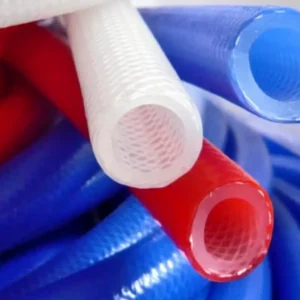
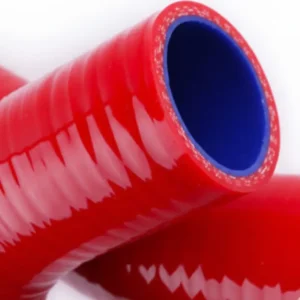
SBR and NBR rubber are two widely used types of synthetic rubber, each with unique properties suited for different applications. SBR offers excellent abrasion resistance, flexibility, and general durability, making it ideal for tires, hoses, and industrial components where oil exposure is limited. Understanding these differences helps select the right material.
NBR rubber excels in oil, fuel, and chemical resistance, providing reliable performance in hydraulic systems, fuel lines, and engine seals. While slightly stiffer than SBR, it maintains elasticity under pressure and heat. Comparing SBR and NBR allows engineers and buyers to choose hoses and components that meet both performance and durability requirements.
What is SBR Rubber?
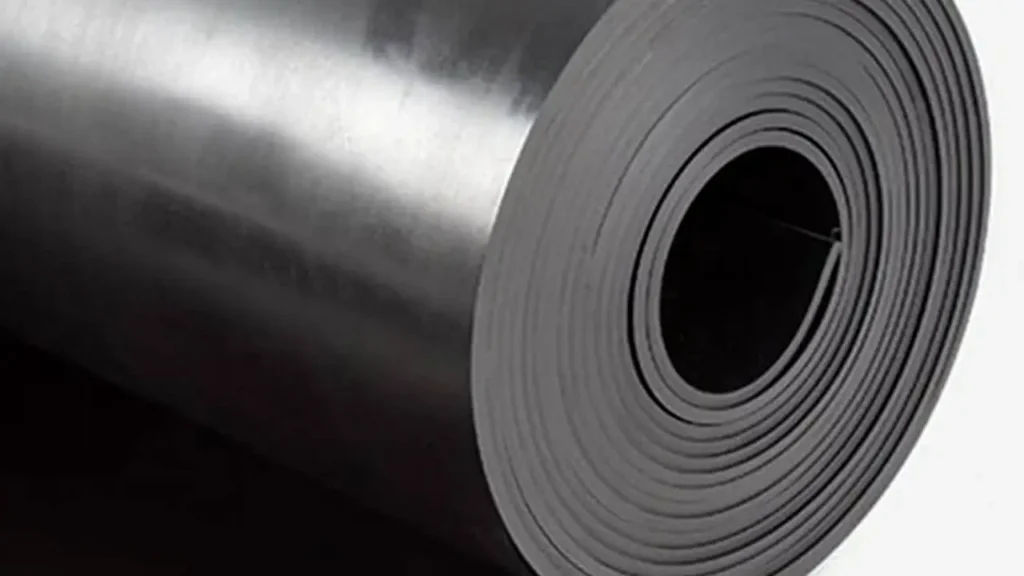
SBR rubber, or Styrene-Butadiene Rubber, is a synthetic rubber widely used in automotive, industrial, and consumer applications. It offers excellent abrasion resistance, aging stability, and moderate heat tolerance. SBR rubber is cost-effective and versatile, making it ideal for producing durable hoses, seals, tires, and various molded or extruded rubber products.
- Automotive Hoses: SBR rubber is used to make fuel, coolant, and hydraulic hoses. We design these hoses for flexibility, pressure resistance, and chemical compatibility. Its abrasion resistance ensures long-term durability, while the material maintains reliable fluid transfer under varying temperatures and mechanical stress.
- Seals and Gaskets: SBR rubber is commonly used for seals and gaskets in machinery and automotive components. We produce these parts to resist compression, wear, and environmental exposure. This ensures tight sealing, prevents leaks, and maintains system efficiency over prolonged service periods.
- Tires and Belts: SBR rubber is a primary material in tire treads and conveyor belts. We utilize its abrasion resistance and elasticity to provide durability, traction, and shock absorption. These properties extend product life and improve safety and performance in vehicles and industrial applications.
- Footwear and Consumer Products: SBR rubber is used in shoe soles, mats, and other everyday items. We choose it for flexibility, wear resistance, and comfort. Its resilience ensures long-lasting performance while providing protection against abrasion, moisture, and moderate heat exposure in consumer goods.
- Industrial Components: SBR rubber is suitable for vibration dampers, rollers, and other machinery components. We manufacture parts that absorb impact, resist wear, and tolerate moderate heat. This enhances equipment longevity, reduces maintenance, and ensures stable operation in demanding industrial environments.
What is NBR Rubber?
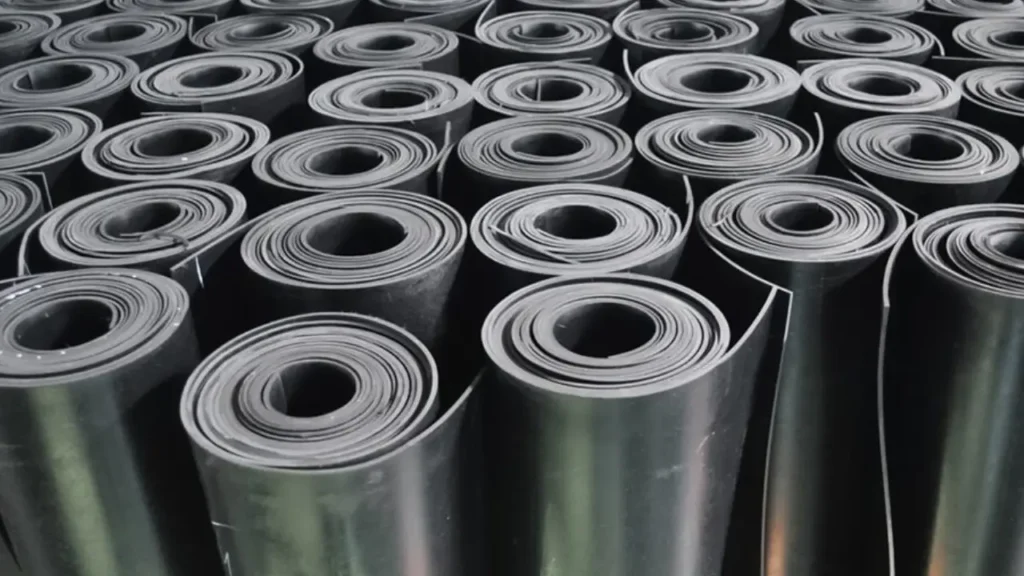
NBR rubber, or Nitrile Butadiene Rubber, is a synthetic rubber known for its exceptional resistance to oils, fuels, and chemicals. It also offers good abrasion resistance and moderate heat tolerance, making it ideal for applications where contact with petroleum-based fluids is frequent. NBR is widely used in automotive, industrial, and hydraulic systems requiring durable, oil-resistant materials.
- Fuel and Oil Seals: NBR rubber is commonly used for O-rings, gaskets, and seals in fuel and oil systems. We select NBR for its excellent resistance to petroleum products, preventing leaks and maintaining reliable sealing performance in engines, fuel pumps, and hydraulic systems.
- Hydraulic and Pneumatic Components: NBR is ideal for hydraulic hoses, couplings, and pneumatic seals. We design these components to handle high-pressure oil or fluid transfer while resisting chemical degradation, ensuring long-term performance and safety in industrial and automotive machinery.
- Fuel Line Hoses: NBR rubber is used in fuel lines and connectors for gasoline, diesel, and biodiesel applications. We produce hoses that resist swelling, cracking, and deterioration, maintaining safe fuel delivery even under fluctuating temperatures and harsh operating conditions.
- Industrial Gaskets and Linings: NBR is utilized in chemical-resistant gaskets, linings, and diaphragms. We provide NBR components that protect machinery and piping from oil, solvents, and other aggressive fluids, extending service life and reducing maintenance in chemical and industrial systems.
- Automotive Transmission Seals: NBR is preferred for transmission and engine seals. We use it to withstand exposure to lubricating oils and high temperatures, maintaining integrity under constant pressure, vibration, and thermal cycling in vehicles, ensuring smooth operation and reduced leakage risk.
SBR vs NBR Rubber
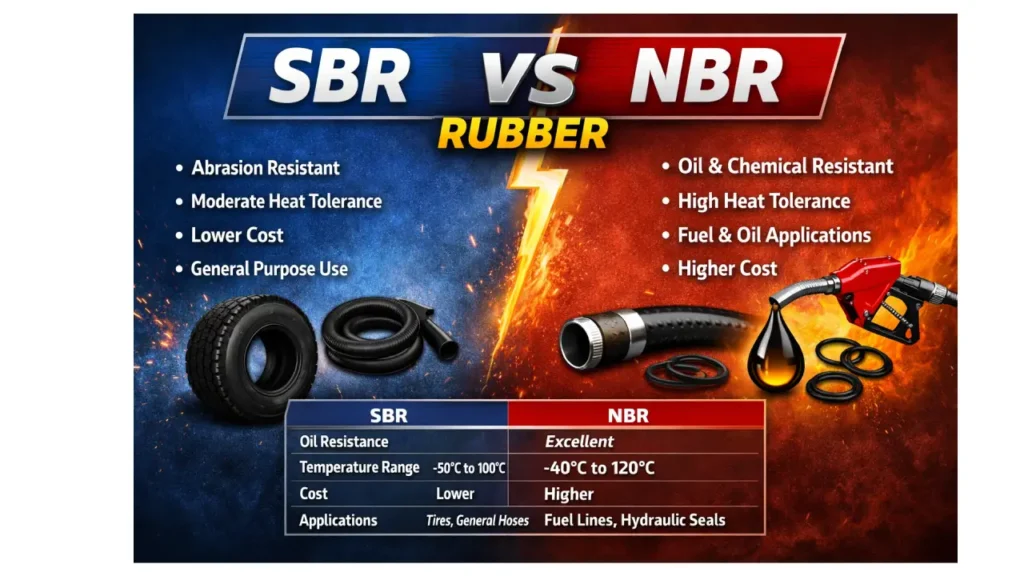
SBR and NBR are two widely used types of synthetic rubber, each offering unique properties suited to different applications. Understanding their differences helps select the right material for hoses, seals, gaskets, and industrial components. SBR excels in abrasion resistance and flexibility, while NBR is preferred for oil and chemical exposure.
Composition and Material Properties
SBR (Styrene-Butadiene Rubber) is a synthetic rubber made from styrene and butadiene monomers, offering good abrasion resistance, moderate heat tolerance, and general-purpose durability. It is cost-effective and widely used in hoses, tires, and seals where oil resistance is not critical. Its flexibility and wear resistance make it suitable for everyday industrial and automotive applications.
NBR (Nitrile Butadiene Rubber) is synthesized from butadiene and acrylonitrile, giving it superior resistance to oils, fuels, and many chemicals. While slightly less flexible than SBR, NBR provides excellent sealing and durability in environments exposed to petroleum-based fluids. This makes it ideal for fuel lines, hydraulic hoses, and engine seals where chemical resistance is crucial.
Oil and Chemical Resistance
SBR has limited resistance to oils, fuels, and solvents. Exposure to petroleum-based fluids can cause swelling, cracking, or premature failure over time. We use SBR for non-oil applications or where chemical exposure is minimal, such as air hoses, water hoses, or protective covers.
NBR excels in oil and chemical resistance due to the polar nitrile groups in its structure. We rely on NBR for applications involving fuel, hydraulic fluids, or lubricating oils. It maintains integrity under prolonged exposure to chemicals, ensuring long-term reliability and preventing leaks or degradation in harsh environments.
Temperature Tolerance
SBR performs well under moderate temperatures, typically between -50°C to 100°C, making it suitable for general industrial and automotive applications. Extreme heat can cause SBR to lose elasticity or deteriorate faster than NBR. Proper selection is required to avoid premature wear in high-temperature environments.
NBR can withstand slightly higher operating temperatures, up to about 120°C, and retains strength and elasticity under repeated thermal cycling. We use NBR for components like engine seals or fuel hoses that encounter heat from engines, transmissions, or industrial processes where stable performance is required.
Mechanical Strength and Wear Resistance
SBR offers good abrasion resistance and tensile strength, making it suitable for tires, conveyor belts, and general-purpose hoses. We favor SBR where mechanical wear is a primary concern but chemical exposure is minimal. Its balance of strength and flexibility ensures durability for high-wear applications.
NBR also provides decent mechanical strength but is slightly stiffer than SBR. We select NBR when both wear resistance and oil resistance are needed. Its combination of toughness and chemical resilience makes it suitable for hydraulic hoses, seals, and gaskets that experience pressure and fluid contact simultaneously.
Cost and Availability
SBR is generally more cost-effective and widely available, making it the preferred choice for bulk industrial applications where oil resistance is not critical. We recommend SBR for low-cost, general-purpose hoses, gaskets, or protective covers. Its affordability and versatility make it ideal for large-scale projects.
NBR is more expensive due to its specialized chemical resistance and performance properties. We use NBR for high-demand applications requiring durability in oil, fuel, or chemical exposure. While costlier, its extended service life and reliability often justify the investment in automotive, hydraulic, or industrial systems.
Here is the chart showing you the differences between SBR and NBR rubber:
| Aspect | SBR Rubber | NBR Rubber |
|---|---|---|
| Composition | Styrene + Butadiene | Butadiene + Acrylonitrile |
| Oil & Chemical Resistance | Limited | Excellent |
| Temperature Tolerance | Moderate (-50°C to 100°C) | Higher (-40°C to 120°C) |
| Mechanical Strength | Good abrasion & flexibility | Good strength, slightly stiffer |
| Cost | Lower | Higher |
| Typical Applications | Tires, general hoses, gaskets | Fuel hoses, hydraulic seals, oil-exposed components |
When to Choose Our SBR Rubber Hoses
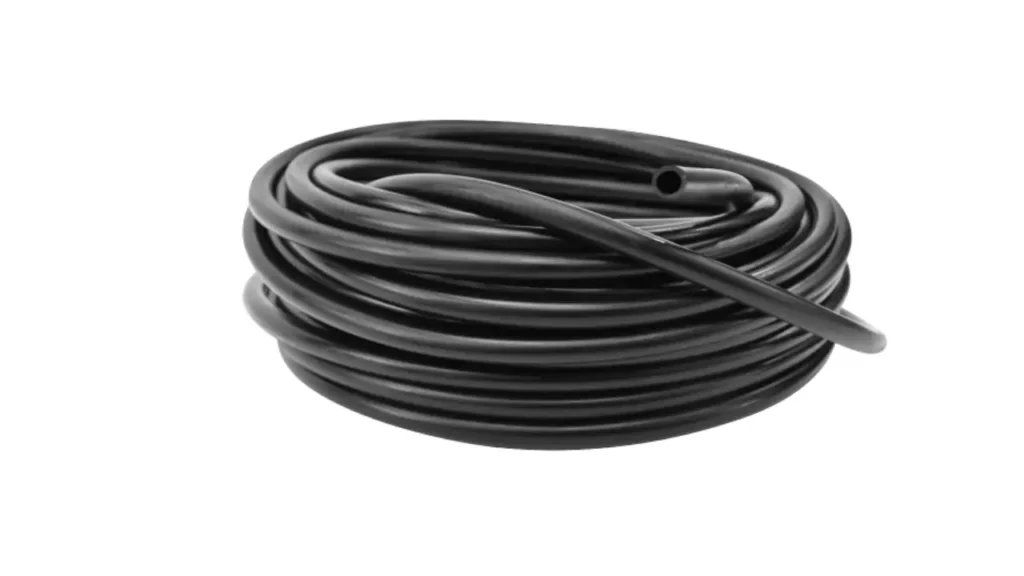
Our SBR rubber hoses are the go-to solution for customers who need a reliable, durable, and economical option for general-purpose applications. We specifically design our SBR product line to deliver excellent performance where oil and other petroleum fluids are not a factor. Our SBR hoses offer high tensile strength and great abrasion resistance, ensuring they can handle tough physical demands. We often recommend them for projects like:
- Water Transfer: Supplying water in agricultural, construction, or residential settings.
- Air Lines: Providing compressed air for tools and systems in workshops and factories.
- Abrasion-Heavy Applications: Conveyor belts, sandblast hoses, and other environments where constant friction is a concern.
Based on your new perspective as a hose supplier, here is a revised version of the blog post. This version maintains the SEO-friendly structure but is written to engage customers and guide them toward a purchase by highlighting your company’s expertise and product line.
When to Choose Our NBR Rubber Hoses
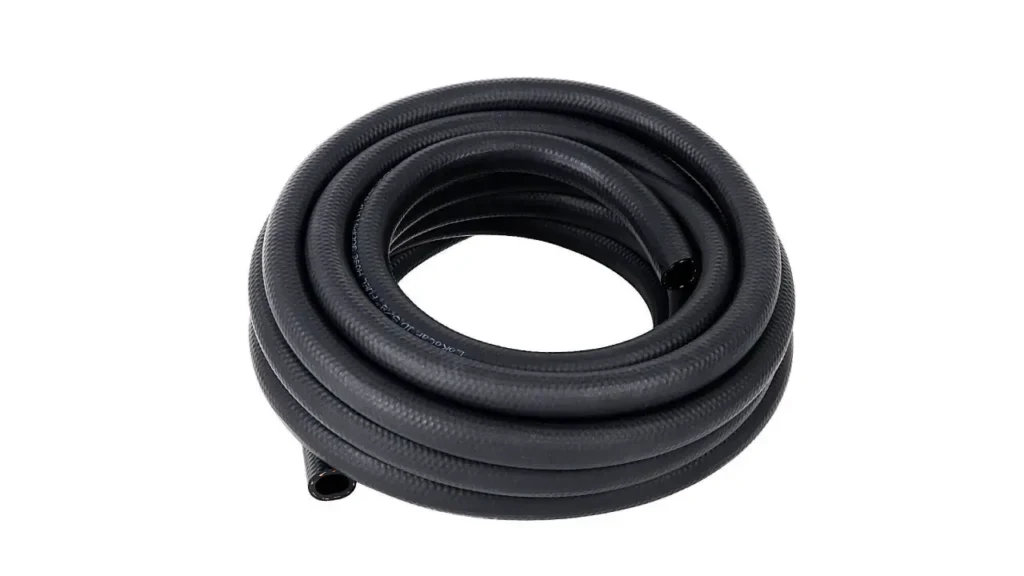
For applications involving petroleum-based fluids, our NBR rubber hoses are the only choice we recommend. We engineer our NBR products with a high percentage of acrylonitrile, giving them their exceptional resistance to swelling and degradation from oils, fuels, and hydraulic fluids.
This specialization makes them invaluable for critical systems where a leak could cause significant damage, or worse, create a safety hazard. We supply our NBR hoses for a wide range of uses, including:
- Fuel Lines: Safely transferring gasoline, diesel, and other fuels in vehicles and machinery.
- Hydraulic Systems: Used as return lines and low-pressure components where they are in constant contact with hydraulic fluids.
- Industrial Oil Transfer: Transferring lubricants and oils in manufacturing and processing plants.
How to Choose SBR and NBR Rubber Hoses?
Choosing the right SBR or NBR rubber hose is essential for safety, performance, and durability in automotive, industrial, or hydraulic systems. Factors such as fluid type, operating pressure, temperature, and environmental exposure must be considered. Selecting the appropriate material ensures optimal hose performance, prevents leaks or failure, and extends service life.
- Determine Fluid Compatibility: Identify whether the hose will carry oil, fuel, water, or chemicals. We select SBR for non-oil fluids and NBR for petroleum-based fluids, ensuring the hose material resists chemical degradation, prevents swelling, and maintains reliable fluid transfer in demanding applications.
- Check Pressure Ratings: Consider the maximum operating pressure of the system. We provide hoses designed to withstand both low and high-pressure conditions, preventing bursts or leaks. Proper pressure rating selection ensures safety, maintains structural integrity, and prolongs the hose’s operational life.
- Assess Temperature Range: Determine the operating temperature, including both extremes. We choose SBR for moderate temperature applications and NBR for higher heat exposure. Correct temperature compatibility prevents hose deformation, maintains elasticity, and ensures consistent performance in hot engines or cold environments.
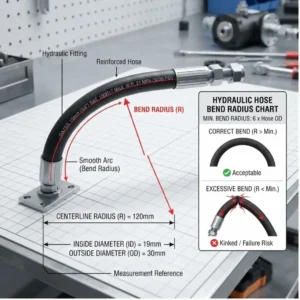
- Select Hose Size and Length: Proper inner diameter, outer diameter, and overall length are critical for efficient fluid flow. We help select dimensions that prevent kinking, reduce stress, and ensure proper installation. Correct sizing enhances performance and extends the service life of SBR and NBR hoses.
- Evaluate Environmental Conditions: Consider exposure to sunlight, abrasion, or chemicals. We recommend protective covers or reinforced hoses when needed. Selecting hoses for the operating environment ensures durability, prevents external damage, and supports long-term reliable operation under harsh or demanding conditions.
Conclusion
Choosing between SBR and NBR rubber depends on your application requirements, including fluid compatibility, temperature tolerance, and mechanical stress. SBR is suitable for general-purpose and wear-resistant applications, while NBR is ideal for oil-exposed, fuel, and chemical-heavy environments. Knowing these differences ensures long-lasting and reliable hose performance.
Both SBR and NBR rubber hoses provide critical solutions in automotive, industrial, and hydraulic systems. Proper selection based on pressure, temperature, and environmental conditions prevents leaks, failures, and maintenance issues. By understanding their characteristics, you can optimize system performance and extend the service life of your equipment.
For wholesale rubber hoses, get them from our Gushan Rubber. We provide high-quality SBR and NBR hoses in various sizes, pressure ratings, and fittings. Our products ensure durability, chemical resistance, and reliable fluid transfer, supporting efficient operations in automotive, industrial, and hydraulic applications while delivering competitive pricing and fast delivery.