In the world of safety and protection, fire-related hazards are a constant concern. Whether it’s in industrial settings, automotive applications, or aerospace environments, safeguarding against fire is crucial. That’s where fire sleeves come into play. What is fire sleeve? As a leading supplier of fire-resistant products, we’re here to demystify this essential safety item and explain its significance.
What is Fire Sleeve?

Fire sleeves are specialized protective coverings designed to shield hoses, cables, and other components from extreme heat, flames, and abrasion. They are typically made from high-temperature-resistant materials such as silica, fiberglass, or aramid fibers. These materials are engineered to withstand temperatures ranging from several hundred to over a thousand degrees Celsius.
| Material | Characteristics |
|---|---|
| Silica | Offers excellent heat resistance, can withstand very high temperatures. It’s also lightweight and flexible. |
| Fiberglass | Known for its strength and durability. It provides good insulation against heat and is relatively cost – effective. |
| Aramid Fibers | Known for its strength and durability. It provides good insulation against heat and is relatively cost-effective. |
What Are Our Fire Sleeves Made Of?
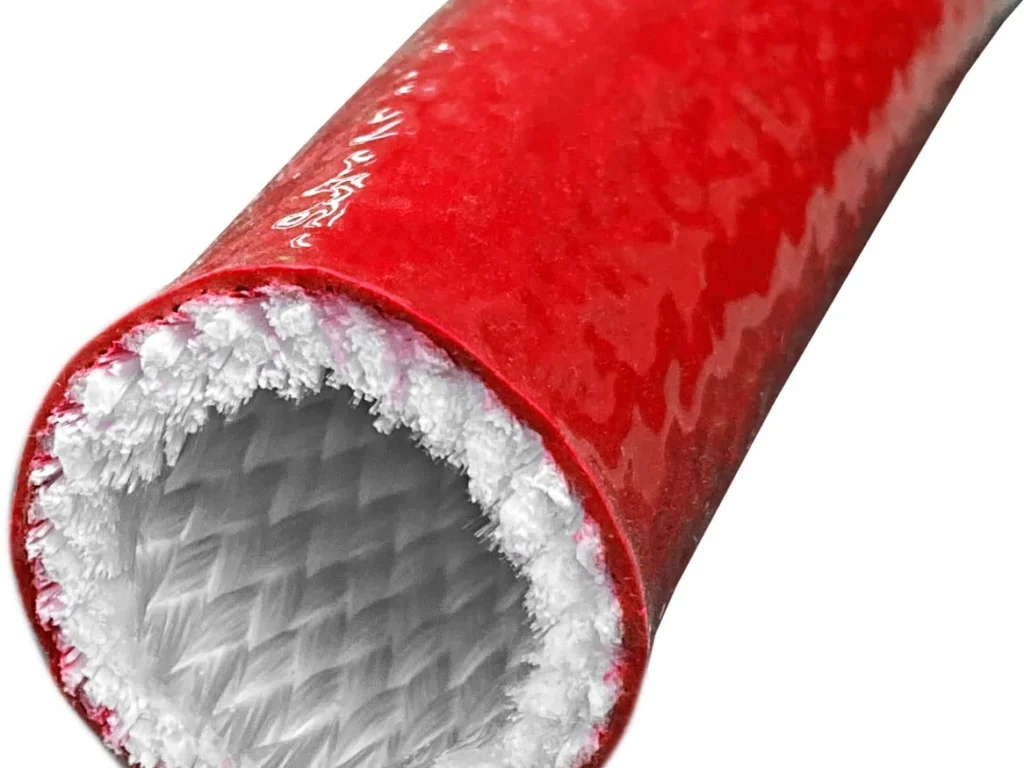
Understanding the superior materials that go into our fire sleeves helps you appreciate their incredible protective capabilities. Our sleeves are engineered to withstand extreme conditions, and their construction reflects our commitment to quality and performance.
- Braided Fiberglass or Basalt Fiber Inner Core: This forms the structural foundation of our sleeves. Fiberglass, known for its high tensile strength and excellent thermal insulation properties, is a common choice. For even more demanding applications, we offer sleeves with a basalt fiber core, which provides superior temperature resistance. This robust core provides the bulk of the thermal insulation, keeping your components safe.
- Silicone Rubber Outer Coating: This is the distinctive red or black (though we can supply other colors) outer layer that gives our fire sleeves their characteristic appearance and much of their protective power. Our specially formulated silicone rubber is extremely resistant to high temperatures, open flames, oils, hydraulic fluids, and many corrosive chemicals. It also provides excellent abrasion resistance, significantly enhancing the sleeve’s durability in harsh industrial environments.
How Does a Fire Sleeve Work?
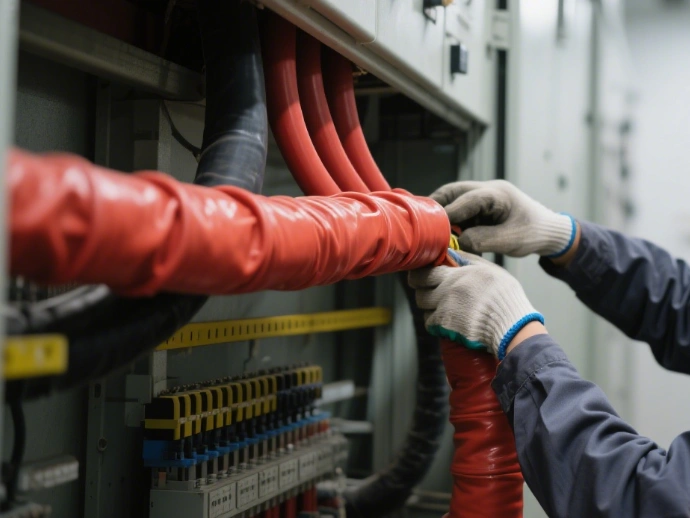
The effectiveness of our fire sleeves lies in their meticulously engineered multi-layered design and the inherent properties of our high-quality materials. They don’t just block heat; they manage it through a sophisticated combination of reflection, insulation, and dissipation.
Radiant Heat Reflection: The vibrant silicone outer coating, particularly in its red or orange hues, is designed to reflect a significant portion of radiant heat away from the enclosed components. This initial reflection plays a crucial role in reducing the thermal load on your critical lines.
Thermal Insulation: The thick fiberglass or basalt fiber inner braid acts as a highly effective thermal insulator. It creates a robust barrier that significantly slows down the transfer of heat from the outside environment to the protected hose or cable. This is akin to advanced insulation in a high-performance building, preventing unwanted heat transfer.
Flame and Molten Splash Protection: Our robust silicone layer is specifically formulated to withstand direct impingement from flames and to shed molten metal splash effectively without burning or melting through. This is critically important in industries like metallurgy, welding, and foundries, where hot materials are a constant threat.
Delayed Ignition: By maintaining a cooler operating temperature for the underlying components, our fire sleeves significantly delay or even prevent fires from starting due to external heat sources, providing a crucial margin of safety.
What is the Heat Rating of a Fire Sleeve?
A fire sleeve’s heat rating is a crucial specification. It indicates the maximum temperature the sleeve can withstand while maintaining its protective properties. Different fire sleeves have varying heat ratings based on their materials. Silica-based fire sleeves are among the highest-rated, often capable of withstanding temperatures up to 1260°C (2300°F). This makes them ideal for extreme heat environments like steel mills or power plant furnaces.
Fiberglass fire sleeves typically have a lower heat rating, usually around 538°C (1000°F), and are suitable for less intense heat applications, such as some automotive engine bays. Aramid fiber fire sleeves can handle temperatures in the range of 260 – 371°C (500 – 700°F), offering a balance of heat resistance and flexibility for applications like aerospace and high-performance automotive setups. Understanding these ratings helps in choosing the right fire sleeve for specific heat-exposure scenarios.
Benefits Of Fire Sleeve

The role of a fire sleeve extends far beyond just protecting against heat. Implementing our fire sleeve solutions brings a cascade of benefits, from significantly enhancing safety to improving operational efficiency and extending the lifespan of your valuable equipment. Understanding these advantages highlights why investing in our quality fire sleeves is a smart and strategic decision for a multitude of industries.
Enhanced Safety and Fire Prevention – Our Top Priority
Perhaps the most critical benefit of utilizing our fire sleeves is their paramount contribution to safety. In environments where flammable fluids or live electrical currents are present alongside high temperatures, the risk of fire is an ever-present concern.
- Preventing Fluid Ignition: Hydraulic fluid lines, fuel lines, and oil lines, when exposed to extreme heat or open flames, can rupture and ignite, leading to devastating fires. Our fire sleeves act as an impenetrable protective barrier, preventing the fluid inside from reaching its flash point and igniting, even if the hose itself is compromised.
- Protecting Electrical Wiring: Overheated electrical cables can short-circuit, melt, or even cause electrical fires. Our fire sleeves keep the wires cool and insulated, significantly reducing these risks and maintaining critical electrical integrity.
- Mitigating Catastrophic Failure: By robustly protecting your critical components, our fire sleeves help prevent failures that could lead to explosions, uncontrolled releases of hazardous materials, or complete system shutdowns, thereby safeguarding your personnel, property, and overall business continuity.
Extending Component Lifespan and Reducing Maintenance Costs
High temperatures are a major enemy of many materials, leading to accelerated degradation, brittleness, and premature failure. Our fire sleeves actively combat these issues, translating directly into significant economic benefits for your operations.
- Preventing Material Degradation: Continuous exposure to heat can cause hoses to crack, harden, or become brittle; wires to lose their insulation; and seals to fail prematurely. Our fire sleeves maintain a cooler operating temperature for these components, significantly slowing down this degradation process and preserving their original properties.
- Reducing Downtime: When hoses or wires fail due to heat damage, it invariably leads to unexpected equipment downtime for repairs or replacements. By dramatically extending component life, our fire sleeves contribute to more reliable operations and significantly reduce unscheduled maintenance, keeping your systems running smoothly.
- Lowering Replacement Costs: Longer-lasting components mean less frequent replacements, directly saving you on the cost of new parts and the labor associated with their installation. This directly contributes to a healthier bottom line and improved operational profitability over the long term.
Boosting Operational Efficiency and Reliability
Beyond safety and direct cost savings, our fire sleeves also play a subtle yet significant role in maintaining and enhancing your overall operational efficiency.
- Maintaining Fluid Viscosity: For hydraulic and fluid transfer systems, maintaining a consistent fluid temperature is absolutely crucial for optimal viscosity and performance. Our fire sleeves help prevent excessive heat absorption, ensuring fluids remain within their ideal operating temperature range, thus maximizing system efficiency.
- Preventing Signal Interference: In sensitive electrical systems, excessive heat can cause resistance changes in wires, leading to signal degradation or interference. By keeping cables cool and stable, our fire sleeves help maintain robust and reliable electrical performance.
- Ensuring Consistent Performance: Overall, by expertly protecting the critical lifelines of your equipment, our fire sleeves contribute to more consistent and reliable operation, minimizing unforeseen disruptions, and maximizing your productivity and output.
How to Choose the Right Fire Sleeve?
With various types and specifications available, selecting the appropriate fire sleeve from our extensive range for your specific application is crucial for optimal performance and longevity.
Temperature Ratings: Understanding What Our Sleeves Can Handle
The most critical factor is undoubtedly the temperature rating. Our fire sleeves come with clearly defined continuous operating temperature limits and impressive intermittent or molten splash ratings.
| Temperature Rating Type | Description | Example Rating |
| Continuous Operating | The maximum temperature our sleeve can reliably withstand for prolonged periods without degradation. | Up to 260°C (500°F) or higher |
| Intermittent Exposure | The maximum temperature our sleeve can withstand for short bursts (e.g., a few minutes) of extreme heat. | Up to 1093°C (2000°F) |
| Molten Splash | The incredibly high temperature of molten metal that our sleeve can effectively repel upon brief contact. | Up to 1650°C (3000°F) and beyond |
Always thoroughly assess the maximum temperatures your application will experience, both ambient and direct, and choose a sleeve that comfortably exceeds these values to ensure a robust safety margin. Our experts are here to help you determine the right rating.
Size and Diameter: Ensuring a Precision Fit for Maximum Protection
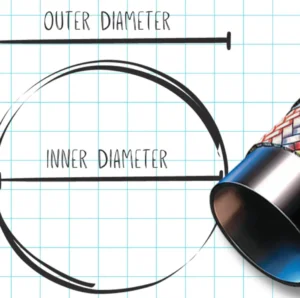
Our fire sleeves are typically measured by their internal diameter (ID). It’s essential to select a sleeve that fits snugly over the hose, cable, or wire bundle you intend to protect, but not so tightly that it’s difficult to install or restricts the component’s flexibility.
- Measure Carefully: Accurately measure the outer diameter (OD) of the component(s) you need to sleeve.
- Consider Bundling: If you’re sleeving multiple wires or a hose with fittings, account for the combined diameter and any protrusions to ensure adequate coverage.
- Allow for Expansion/Contraction: In some critical applications, a slight allowance for thermal expansion or contraction of the inner component might be a beneficial consideration.
Environmental Factors: Beyond Just Heat – Our Comprehensive Protection
While heat is the primary concern, other environmental factors can significantly influence your choice. We design our sleeves with these in mind.
- Chemical Exposure: While our silicone offers excellent general chemical resistance, if your application involves specific corrosive chemicals, we can provide detailed compatibility data to ensure optimal performance.
- Abrasion and Mechanical Stress: If the sleeve will be subjected to rubbing, chafing, or impact, we recommend opting for a sleeve with a thicker, more robust silicone coating for enhanced durability and wear resistance.
- UV Resistance: For outdoor applications, rest assured our sleeves are specifically rated for superior UV stability to prevent degradation from prolonged sunlight exposure.
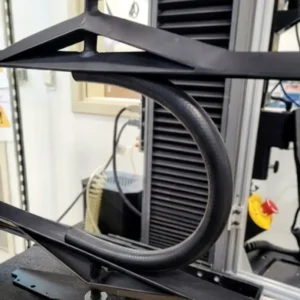
- Flexibility Requirements: Some applications require very flexible sleeves, while others can tolerate a more rigid one. Consider the bending radius of the component, as it will protect when making your selection.
Installation Method: Ensuring Ease of Application for You
Our fire sleeves are available in various forms to facilitate different installation needs, making your job easier and more efficient.
- Slip-On Sleeves: These are continuous tubes that you slide over the component before fittings are attached. They offer complete 360-degree protection and a clean, streamlined look.
- Wrap-Around Sleeves (Hook-and-Loop Closure): These sleeves feature a convenient hook-and-loop (Velcro-style) closure, allowing them to be easily installed over existing lines and fittings without the need for disconnection. This is incredibly efficient for repairs or retrofitting in tight spaces.
- Zippered Sleeves: Similar to wrap-around, but with a durable zipper closure, offering a more secure and often tighter fit, ideal for demanding applications requiring minimal exposure.
The choice depends on whether your components can be disconnected for installation or if you require an efficient solution for in-situ application. Our team can help you choose the most practical option.
Conclusion
From its robust construction designed to combat extreme temperatures to its critical role in enhancing safety, extending component life, and ensuring operational reliability, the fire sleeve we supply is far more than just a protective covering. It’s a vital, high-performance component in countless industrial, automotive, and specialized applications, acting as a silent, unyielding guardian against the destructive power of heat and fire.
Are you looking for a professional fire protection sleeve supplier to improve the safety and efficiency of your operations? Contact us now to discuss your needs!