Whether you can recycle an old rubber hose often leads to confusion. Most people toss their hoses into the blue bin, assuming the material is recyclable like plastics or metal. However, due to their unique material composition and physical structure, traditional curbside recycling programs generally cannot process them, making disposal a real challenge for environmentally conscious consumers.
This post will cut through the uncertainty and explore why rubber hoses are a “tangling” problem at sorting facilities, whether specialized recycling options exist, and what practical reuse alternatives you have. Understanding the right disposal method helps you keep your community’s recycling infrastructure running smoothly while minimizing your environmental footprint.
Are Rubber Hoses Recyclable?
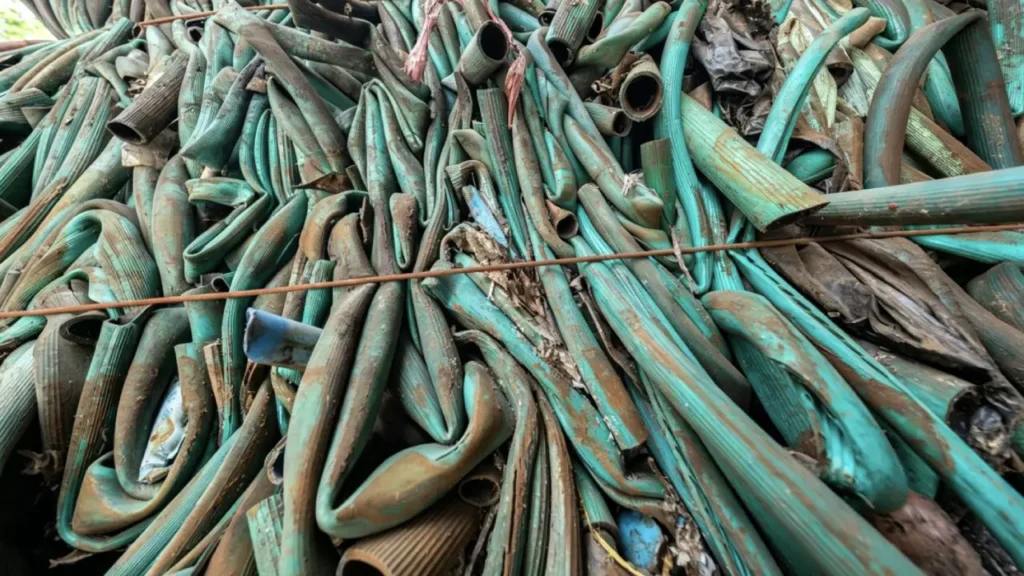
Most people assume rubber hoses, like garden or industrial types, are recyclable plastic or rubber waste. However, they are consistently one of the biggest contaminants in local recycling programs. Their blended materials and physical shape make them difficult to process, leading to costly shutdowns and equipment damage at sorting facilities.
The simple answer is that no, rubber hoses are generally not recyclable through standard residential or commercial single-stream collection. If you are looking to dispose of an old, degraded hose responsibly, you need to explore niche options beyond the blue bin.
Here are the key facts you need to know:
- The “Tanglers” Problem: Hoses, ropes, cords, and wires are notoriously called “tanglers” in the recycling industry. When they enter a Materials Recovery Facility (MRF), their flexible, linear shape causes them to wrap around the rotating gears and conveyor belts. This jams the machinery, forces expensive shutdowns, and creates a major safety hazard for workers.
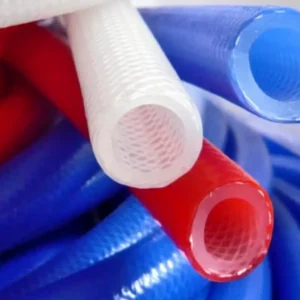
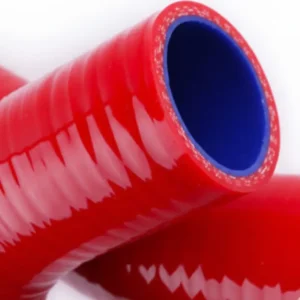
- Mixed Material Composition: Most hoses are not just pure rubber; they are composites of materials like synthetic rubber, PVC, various plastics, and often include reinforcing layers of fiber or steel braiding. This blending makes separation uneconomical and technologically complex for mass recycling operations, forcing the entire item to be sent to a landfill.
- Specialized Recycling & Scrap Metal: While general recycling is out, some specialized industrial recycling centers can handle large volumes of homogeneous rubber scrap, often grinding it into “crumb rubber.” You should always cut off and recycle the metal end fittings (brass, aluminum, or steel) separately at a local scrap metal yard.
- The Best Option: Reuse and Upcycle Before tossing it in the trash, consider giving your old hose a second life. A damaged hose can be repurposed into a soaker system by poking holes in it, or cut into segments to create blade protectors, doorstops, or even comfort grips for metal handles.
How to Recycle Rubber Hoses?

Due to their composite materials and “tangling” nature, rubber hoses are universally rejected by residential recycling programs. If you cannot reuse or repair your old hose, a responsible disposal plan involves separating the materials and finding specialized streams for the rubber components.
1. Separate the Metal Fittings
The first crucial step is to mechanically remove any metal end-fittings, such as brass couplings or aluminum connectors, from the rubber hose body. These parts are typically made from valuable, highly recyclable metals.
Once separated, these metal fittings can be taken to a local scrap metal dealer or a dedicated scrap yard. This ensures the clean metal is properly recycled and keeps high-value materials out of the landfill, often earning you a small return on the material.
2. Locate Specialized Rubber Recyclers
The rubber or plastic body of the hose cannot go into your curbside bin, but industrial recycling centers may accept large volumes of non-contaminated material for “crumb rubber” production. This is often only feasible for high-volume users, like farms or businesses.
You should contact waste management companies or non-tire rubber recyclers to inquire if they have a program for bulk scrap rubber hose. If no local facility exists, the rubber body must be cut into short, manageable segments (under 18 inches) and placed in the regular trash to prevent tangling in waste trucks.
3. Consider Repurposing and Reuse
Giving the hose a second life is the most environmentally friendly option, avoiding disposal altogether. A leaky hose can be turned into an effective soaker hose by simply puncturing small holes along its length for drip irrigation.
Sections of the hose can be cut and slit lengthwise to create protective sleeves for sharp tool blades, or used on wire bucket handles to create a comfortable grip. These creative alternatives extend the product’s utility while significantly reducing landfill waste.
Rubber Hose Recycling Tips
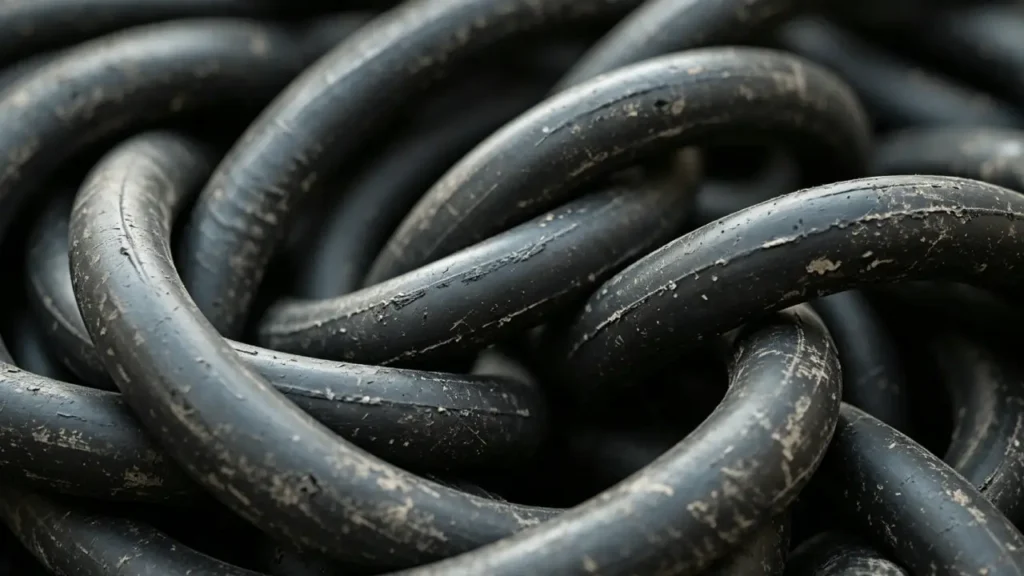
Rubber hoses are generally not accepted in standard curbside programs because they are “tanglers” that jam machinery and are made of mixed, hard-to-separate materials. Proper disposal requires preparation, like removing metal parts, or prioritizing creative reuse.
Separate Components for Recycling
Hoses, especially industrial ones, often contain valuable metals that should be isolated for scrap recycling. The rubber itself is typically a mix of polymers and reinforcement, making it unfit for standard single-stream processing.
- Cut off metal fittings and take them to a scrap yard. This ensures that brass, steel, or aluminum connectors are recycled properly, recovering valuable materials and reducing waste volume for the rubber portion.
- Check for hazardous residue, especially in industrial or hydraulic hoses. Contaminated hoses require decontamination (draining and flushing) before disposal; otherwise, they may need specialized hazardous waste handling.
Repurpose as a Priority
Before resorting to the trash bin, giving the hose a new function is the most sustainable choice. Even leaky or damaged hoses have structural integrity that makes them useful for numerous household and garden projects.
- Convert into a drip or soaker hose for efficient garden irrigation. Simply puncture small holes along the length of the hose, seal one end, and connect it to your water source for deep, localized watering.
- Use as protective sleeves, grips, or safety bumpers. Slit sections lengthwise to cover sharp tool blades, create a soft grip for wire bucket handles, or place on swing chains to prevent pinched fingers.
Last Resort Hose Disposal
If the hose is truly beyond reuse or has minimal material value, it must be prepared for safe landfill disposal. Never coil a hose before putting it in the trash, as it can still snag equipment at the transfer station.
- Cut the hose into short, manageable segments (no longer than 18 inches). Short pieces prevent the “tangling” hazard that can stop garbage truck compactors or sorting machinery from functioning, protecting workers and equipment.
- Contact a specialized industrial waste hauler for large volumes of scrap. Some companies have programs to accept bulk vulcanized rubber waste, which can be shredded for use in playground mulch or asphalt additive.
What to Do with Old Rubber Hoses?

Disposing of worn-out rubber hoses requires special attention, as they are not accepted in typical curbside recycling. Due to their mixed material composition and “tangling” nature, the most sustainable solution is to first try and creatively reuse or upcycle the old hose.
Repurpose for Home and Garden Use
A damaged or leaky hose still retains its shape and durable rubber material, making it an excellent component for various do-it-yourself projects that solve common household and gardening problems.
- Make a DIY Soaker Hose: Puncture small, evenly spaced holes along the entire length of the hose. Cap the end and connect it to your spigot to create a low-pressure irrigation system that waters plants directly at the root zone, saving water and effort.
- Create Protective Sheaths and Grips: Cut the hose into short sections and slit them lengthwise. Slide these pieces over sharp tool blades, like saws and axes, for safety, or use them to pad wire bucket handles for a more comfortable grip.
Seek Special Recycling Programs
Standard municipal recycling facilities generally reject hoses due to the risk of jamming machinery, which causes costly downtime. For true end-of-life disposal, you may need to locate a specialized facility.
- Find an Industrial Scrap Dealer: Larger industrial hoses, which often contain metal reinforcement or fittings, can be taken to scrap metal recyclers. Be sure to separate the rubber from any metal components before drop-off for easier processing and better payment.
- Utilize Specialized Take-Back Programs: Research private companies that offer “Zero Waste Box” or similar programs for difficult-to-recycle materials. These services collect and process items like hoses for a fee, turning the rubber into products such as playground mulch or road additives.
Prepare for Final Disposal
If repurposing or specialized recycling is not an option, the hose must be placed in the regular trash. To prevent it from causing problems at the waste management facility, a crucial preparation step is necessary before tossing.
- Cut into Short, Straight Sections: Do not place the hose in the trash while coiled. Cut it into pieces no longer than two feet. This prevents the rubber from wrapping around and jamming the compactors inside garbage trucks or machinery at the landfill.
Conclusion
Ultimately, while traditional curbside recycling isn’t an option for most rubber hoses, separating metal fittings for scrap and pursuing local, specialized recycling programs are key steps. More often, the most effective green solution is to creatively reuse the hose sections, giving them new life around your home or workspace.
For your industrial or commercial needs, rely on consistent quality rather than dealing with the disposal headache of low-grade hoses. When it’s time to stock up, get wholesale rubber hoses from our Gushan Rubber. We provide durable, long-lasting products engineered to reduce failure, downtime, and the frequency of needing replacements.
Choose Gushan Rubber for your bulk orders of heavy-duty air, water, and specialty fluid transfer hoses. Our wholesale pricing ensures maximum cost-efficiency, and our focus on quality means you invest in reliability from the start. Visit our site to request a quote and secure your supply of premium rubber hosing.