When it comes to choosing the right hose for your hydraulic or industrial applications, understanding the differences between nylon and stainless braided hoses is crucial. Both materials offer unique benefits, but their properties make them better suited for specific tasks. In this blog, we’ll explore how each one performs under different conditions.
Nylon braided hoses are known for their flexibility and lightweight design, making them an excellent option for applications requiring easy handling. On the other hand, stainless braided hoses offer superior strength and durability, especially in high-pressure and extreme environments. Let’s dive deeper into their differences and ideal uses.
What are Nylon Hoses?
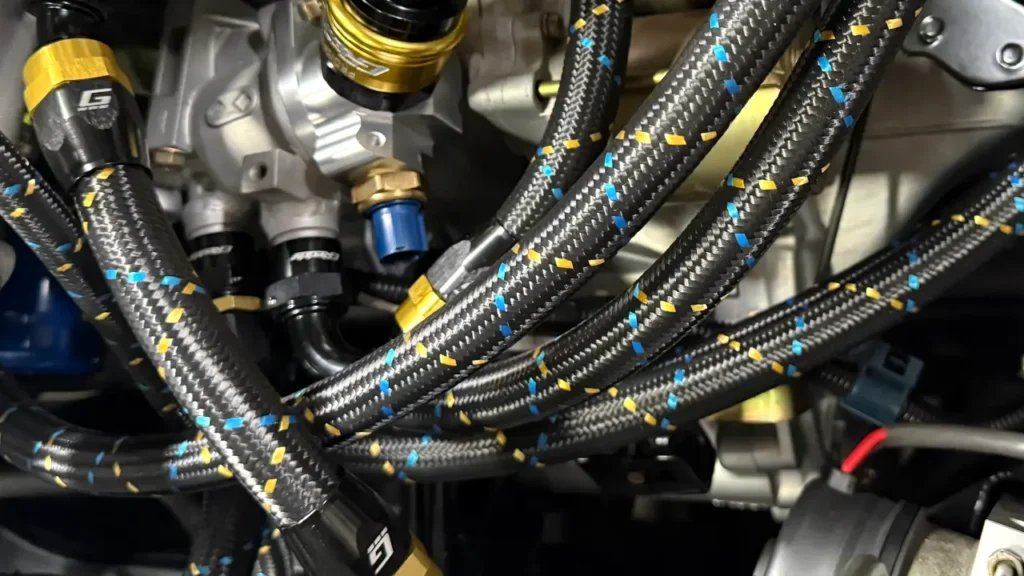
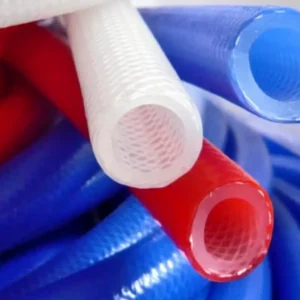
Nylon hoses are flexible, durable tubes commonly used in various industries for transporting fluids or gases. Known for their strength, lightweight nature, and resistance to abrasion, they are ideal for applications requiring flexibility without sacrificing performance. Nylon hoses are versatile and designed to withstand moderate pressure, making them a popular choice for many different systems.
- Automotive Applications: Nylon hoses are often used in automotive systems, including fuel lines, brake lines, and air systems. Their lightweight and flexible nature makes installation easier and more efficient, while their resistance to wear ensures they can handle the harsh conditions of engine compartments and braking systems.
- Hydraulic Systems: Nylon hoses are used in low to medium-pressure hydraulic systems where flexibility and resistance to abrasion are key. These hoses are often found in machinery, construction, and agricultural equipment, where they help deliver fluids efficiently while maintaining durability under high-motion environments.
- Pneumatic Systems: In pneumatic systems, nylon hoses are used to transport compressed air. Their flexibility allows for easy routing through tight spaces, while their strength ensures that the hoses can withstand the pressure without kinking or collapsing, making them perfect for applications in factories, construction, and automation.
- Food and Beverage Industry: Nylon hoses can be found in food and beverage applications where hygiene and cleanliness are paramount. They are resistant to many chemicals and are often used in processing, conveying, and filling systems where contamination needs to be avoided, offering an excellent balance of performance and safety.
- Medical Applications: Nylon hoses are also utilized in medical equipment for fluid transfer and breathing apparatus. Their chemical resistance and strength allow them to perform reliably in critical environments while maintaining safety and efficiency, especially in respiratory devices, dialysis machines, and intravenous lines.
What are Stainless Braided Hoses?
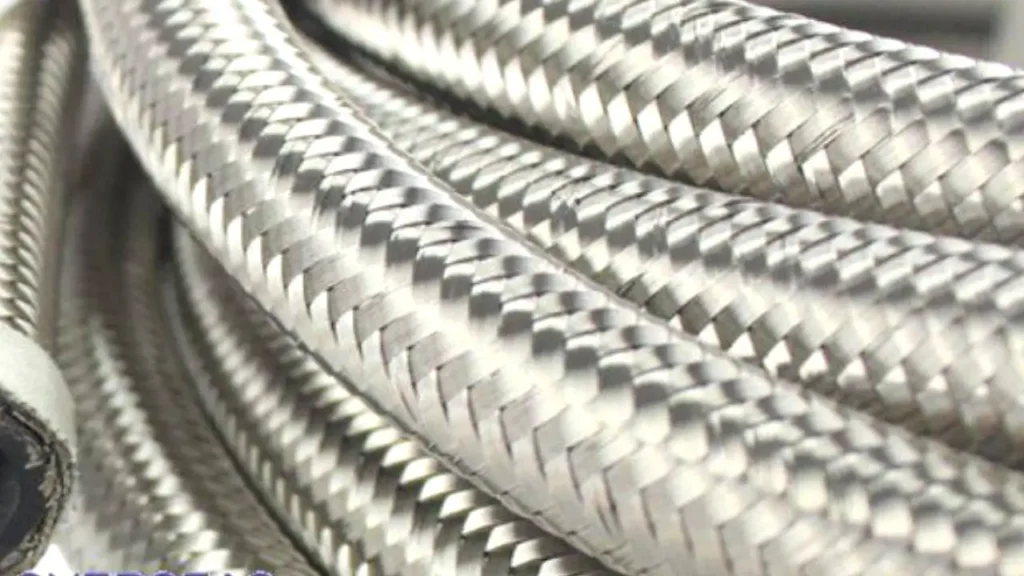
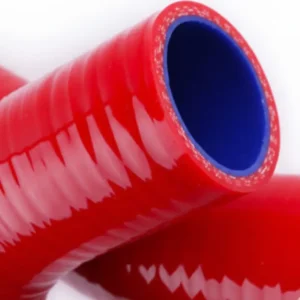
For decades, stainless braided hose has been the gold standard for high-stakes applications. These hoses feature a heavy-duty stainless steel wire braid woven tightly around a robust inner tube. This construction is engineered for maximum protection and durability, making it the preferred choice when failure is not an option.
- Extreme Durability: The stainless steel braid provides unmatched resistance to external physical threats. It can withstand severe abrasion, cuts, and impacts, making it ideal for environments where the hose might come into contact with sharp objects or road debris.
- Superior Pressure Handling: The sheer strength of the stainless steel braid reinforces the inner tube, allowing it to maintain integrity under extreme pressures. This is why it’s the standard for critical systems like brake lines, high-pressure fuel injectors, and power steering setups.
- Excellent Heat Resistance: Stainless steel itself is highly resistant to heat, and when combined with a quality inner liner, it provides exceptional thermal protection. This makes it the safe choice for lines running near high-temperature components like exhaust manifolds or turbochargers.
- Professional, Classic Look: The iconic metallic finish of a stainless steel braided hose provides a classic, professional, and industrial look that many builders prefer. It signifies a no-compromise approach to performance and reliability.
- Nylon vs Stainless Braided Hoses
Nylon vs Stainless Braided Hose
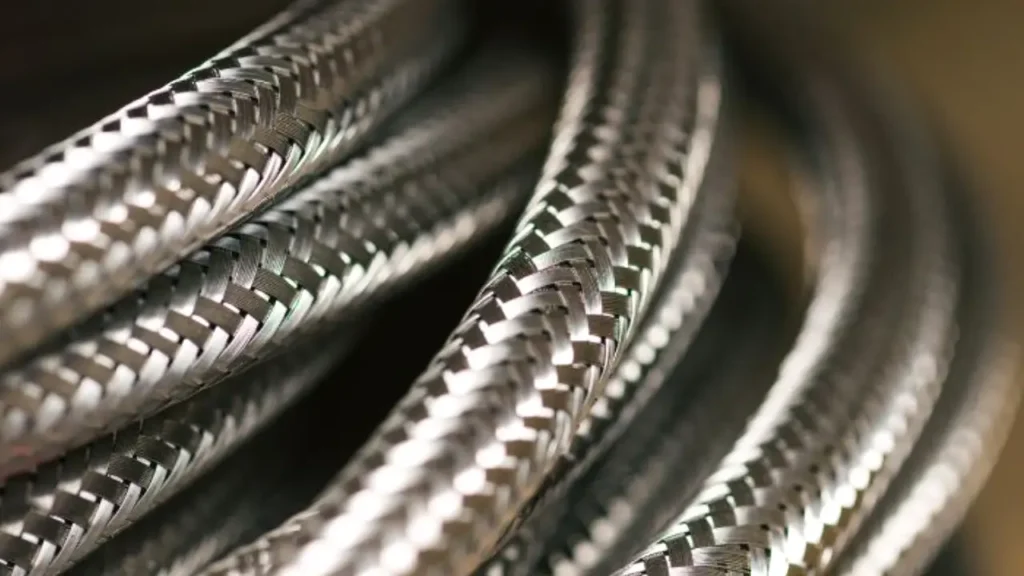
When choosing between nylon and stainless braided hoses, it’s important to understand their differences in terms of construction, performance, and ideal applications. Both types offer unique advantages depending on the environment in which they are used.
This comparison highlights key aspects such as strength, flexibility, durability, temperature resistance, and cost.
Construction and Material
Nylon hoses are made from synthetic polymers designed for flexibility and light weight. They typically feature an inner core of nylon, which is then braided or covered with additional materials for added strength. The construction of nylon hoses makes them ideal for low-pressure and medium-pressure applications where flexibility is required.
Stainless braided hoses, on the other hand, are constructed with a flexible core (often rubber or thermoplastic) and are reinforced with a braided stainless steel outer layer. This design provides increased durability and pressure resistance, making them suitable for high-pressure systems. Stainless braided hoses are often used in industries where strength and performance under pressure are critical.
Flexibility and Ease of Handling
Nylon hoses are known for their superior flexibility. Their lightweight and bendable design makes them easy to maneuver, especially in tight spaces or around obstacles. This flexibility makes nylon hoses an ideal choice for applications where frequent movement or repositioning is required, such as in automotive or pneumatic systems.
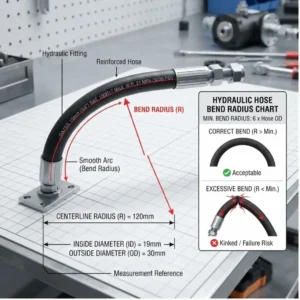
While stainless braided hoses are more rigid due to the stainless steel reinforcement, they still offer reasonable flexibility. However, they are not as easy to handle or bend as nylon hoses. The added weight from the steel braiding can make stainless braided hoses harder to manage, particularly in systems where a high degree of flexibility is needed.
Durability and Pressure Resistance
Nylon hoses, though durable in many applications, are generally more suited for moderate pressure tasks. They can withstand wear and tear from abrasion but may struggle under high-pressure conditions. While they are durable for light-duty use, they are more susceptible to damage from sharp objects or pressure surges compared to their stainless counterparts.
Stainless braided hoses excel in high-pressure environments. The steel braid offers exceptional strength, preventing the hose from expanding or bursting under pressure. They are built to handle tough conditions, including exposure to extreme temperatures, harsh chemicals, and abrasive materials, which makes them more durable and long-lasting than nylon hoses.
Temperature Resistance
Nylon hoses have a moderate temperature tolerance, withstanding a range of temperatures from -40°C to 100°C. However, they may begin to degrade or lose strength at temperatures that are too high or too low. This limits their use in extreme environments, such as in industries requiring hoses that can withstand extreme heat or cold.
In contrast, stainless braided hoses offer much higher temperature resistance, with some models able to handle temperatures exceeding 200°C. This makes them ideal for use in environments with extreme heat, such as in steam lines, automotive exhaust systems, or high-pressure hydraulic systems, where maintaining hose integrity at high temperatures is crucial.
Cost and Applications
Nylon hoses are generally more affordable compared to stainless braided hoses. Their lower cost makes them an attractive option for many industries where the primary requirement is flexibility, not high pressure or extreme conditions. Common applications include automotive, air systems, and light-duty hydraulic systems.
Stainless braided hoses are more expensive due to the cost of materials and their manufacturing process. However, their durability and resistance to high pressure and extreme temperatures make them invaluable for heavy-duty applications. They are used in industries such as aerospace, high-pressure hydraulics, and chemical processing, where performance and reliability are non-negotiable.
Here are some differences between nylon hoses and stainless braided hoses.
| Aspect | Nylon Hoses | Stainless Braided Hoses |
|---|---|---|
| Construction | Synthetic polymer, flexible core | Rubber/thermoplastic core, stainless steel braid |
| Flexibility | Highly flexible and easy to handle | Less flexible, heavier to manage |
| Durability | Moderate, abrasion-resistant | Highly durable, strong under high pressure |
| Temperature Resistance | -40°C to 100°C | Up to 200°C or higher |
| Cost | More affordable | More expensive due to material costs |
| Applications | Automotive, air systems, light-duty hydraulics | High-pressure systems, aerospace, chemical processing |
How to Choose Nylon and Stainless Braided Hoses?
Choosing the right hose for your application requires careful consideration of factors such as pressure, flexibility, durability, and temperature resistance. Both nylon and stainless braided hoses have unique advantages, so understanding their specific features will help ensure optimal performance for your specific needs, whether for light-duty or heavy-duty use.
- Pressure Requirements: For low to medium-pressure applications, nylon hoses are often the best option due to their flexibility and lightweight design. Stainless braided hoses are better suited for high-pressure environments, offering superior strength and pressure resistance. Always check the pressure rating to ensure compatibility with your system.
- Flexibility and Handling: Nylon hoses are known for their excellent flexibility, making them ideal for applications that require ease of movement and handling in tight spaces. On the other hand, stainless braided hoses, while more rigid, offer more durability under harsh conditions and are less likely to kink or collapse under pressure.
- Durability and Strength: Nylon hoses are durable but may not withstand extreme temperatures or high pressures for extended periods. Stainless braided hoses are significantly stronger and more durable, especially in demanding environments, as they can handle extreme temperatures, abrasion, and high-pressure systems without deteriorating over time.
- Temperature Resistance: Nylon hoses can typically handle moderate temperatures, ranging from -40°C to 100°C, making them suitable for a wide range of general applications. For applications involving extreme heat or cold, stainless braided hoses are the better choice, as they can endure higher temperatures and provide better performance under extreme conditions.
- Cost Considerations: Nylon hoses are generally more affordable due to their simpler construction and lower material costs. If your application does not require high-pressure resistance or extreme durability, nylon hoses can be a cost-effective option. Stainless braided hoses are more expensive, but their long-term durability and performance justify the investment for heavy-duty applications.
Conclusion
nylon braided hoses are perfect for applications that require flexibility, lighter weight, and moderate pressure handling. They’re ideal for use in environments where ease of movement and storage is essential. However, for tasks that demand higher strength, durability, and resistance to extreme temperatures, stainless braided hoses are the superior choice.
Both nylon and stainless braided hoses have their place in various industries, and selecting the right one depends on the specific requirements of your project. From automotive to industrial and hydraulic systems, each hose type offers valuable advantages depending on the work conditions and pressure demands.
For wholesale nylon hoses and stainless braided hoses, look no further than our Gushan Rubber collection. We offer reliable hoses designed to meet the demands of different industries, ensuring safety, durability, and efficiency for every application.