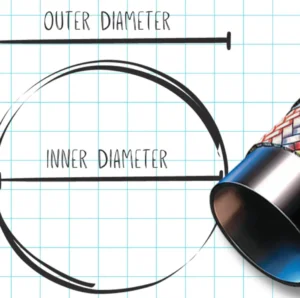
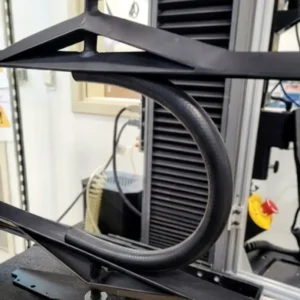
Hydraulic and pneumatic hoses are essential components in industrial systems, yet they function very differently. Hydraulic hoses are designed to carry pressurized liquids, enabling heavy machinery to perform powerful tasks, while pneumatic hoses transport compressed air for lighter, faster operations. Understanding these differences ensures proper selection and system efficiency.
Choosing the correct hose type is crucial for safety and performance. Hydraulic hoses must handle high pressure and resist fluid leaks, whereas pneumatic hoses need flexibility and durability under varying air pressures. Knowing the materials, construction, and application requirements helps prevent equipment failure and extends the lifespan of your machinery.
What are Hydraulic Hoses?
Recommended Hydraulic Hoses
-
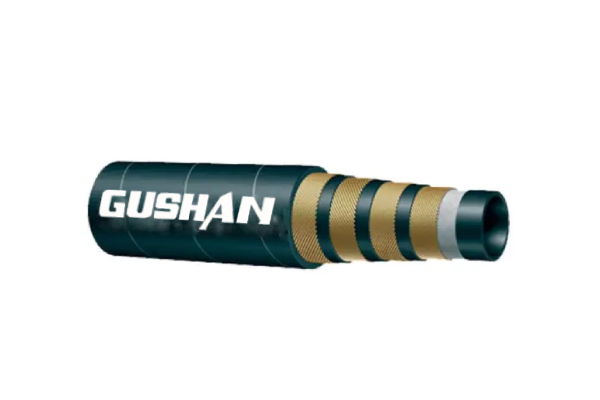
DIN EN856 4SH
-
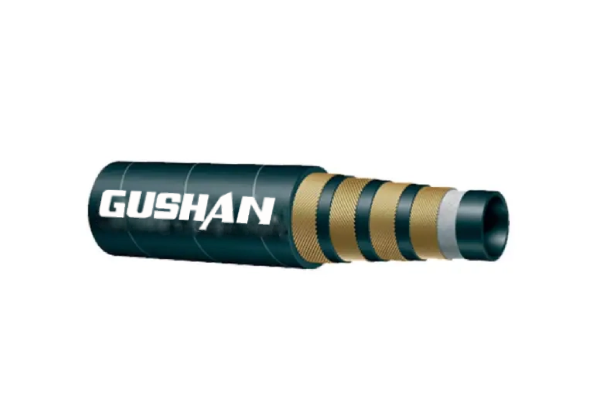
DIN EN856 4SP
-
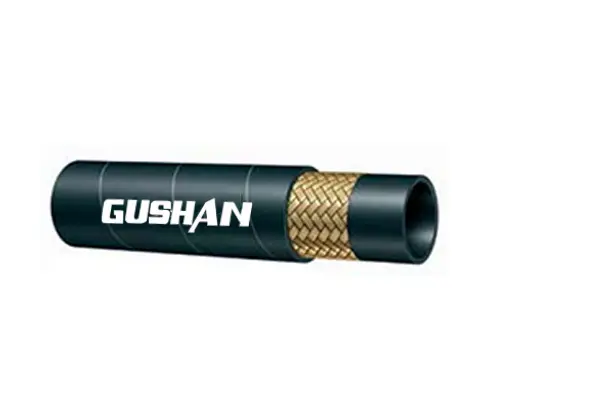
DIN EN857 1SC
-
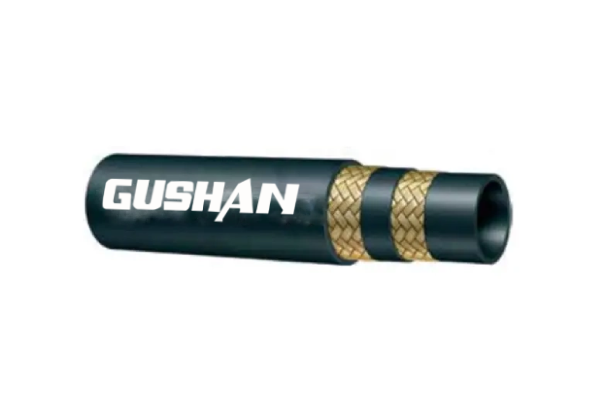
DIN EN857 2SC
-
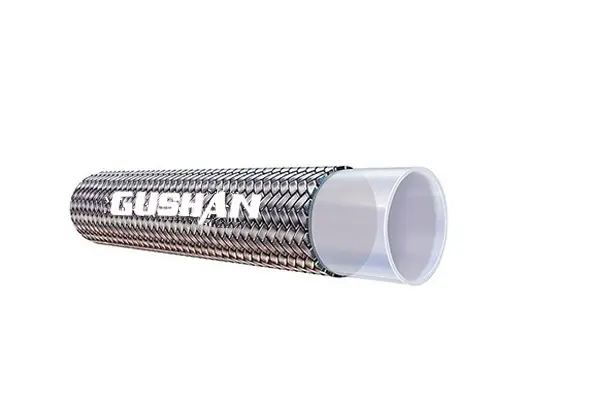
SAE 100 R14
-
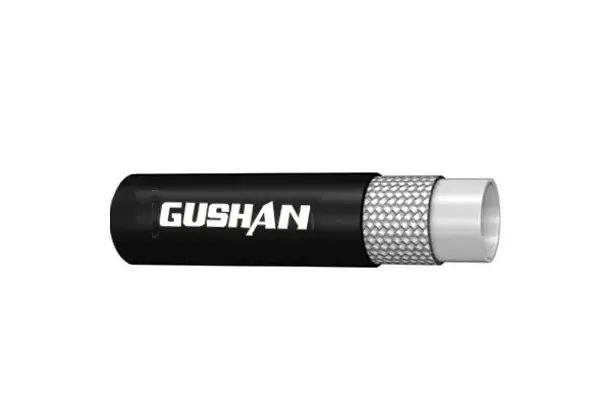
SAE 100R7
-
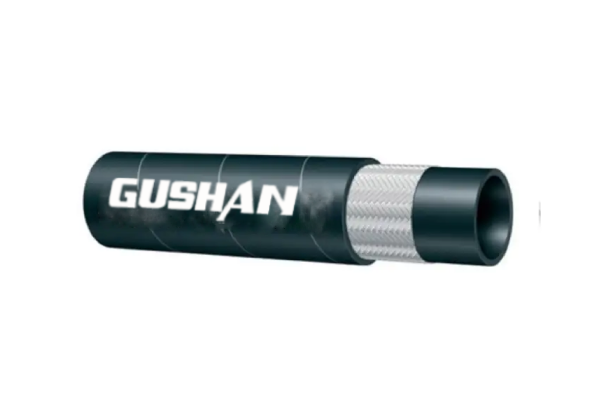
SAE 100R6
-
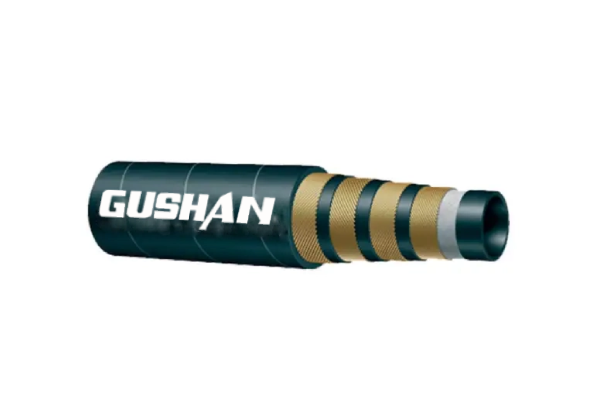
SAE 100R13
-
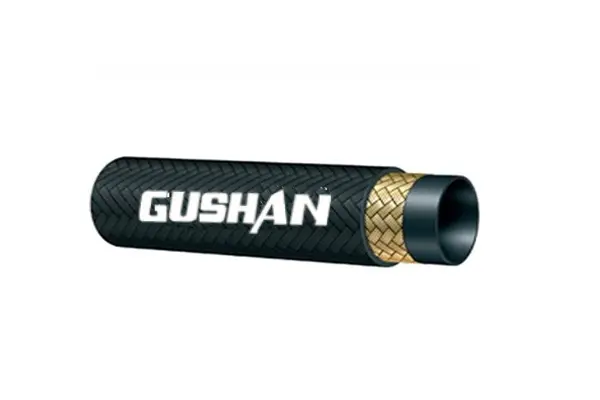
SAE 100R5
Hydraulic hoses are flexible tubes designed to transport pressurized hydraulic fluid between components in a hydraulic system. They are essential for transferring energy to operate machinery, providing flexibility, and withstanding high pressures. Proper selection ensures safety, efficiency, and durability in industrial and mobile applications.
- High-pressure resistance: Hydraulic hoses are constructed to handle extreme pressures, ensuring the safe transfer of hydraulic fluids in demanding applications. Proper design prevents leaks and bursts, maintaining system reliability and protecting operators from potential hazards.
- Flexible construction: The flexibility of hydraulic hoses allows them to bend and fit in tight spaces, enabling complex machinery layouts. This adaptability ensures smooth fluid flow while reducing stress on fittings and components, extending hose lifespan.
- Durable materials: Made from reinforced synthetic rubber, thermoplastics, or metal braids, hydraulic hoses resist abrasion, corrosion, and temperature extremes. Durable construction ensures long-term performance, even in harsh industrial environments.
- Wide applications: Hydraulic hoses are used in construction equipment, agricultural machinery, manufacturing systems, and mobile hydraulics. Their versatility makes them crucial for diverse industries requiring reliable fluid power transmission.
- Easy maintenance: Properly installed hydraulic hoses simplify maintenance tasks. Inspecting for wear, leaks, or damage prevents failures, reduces downtime, and ensures safe, efficient system operation over time.
What are Pneumatic Hoses?
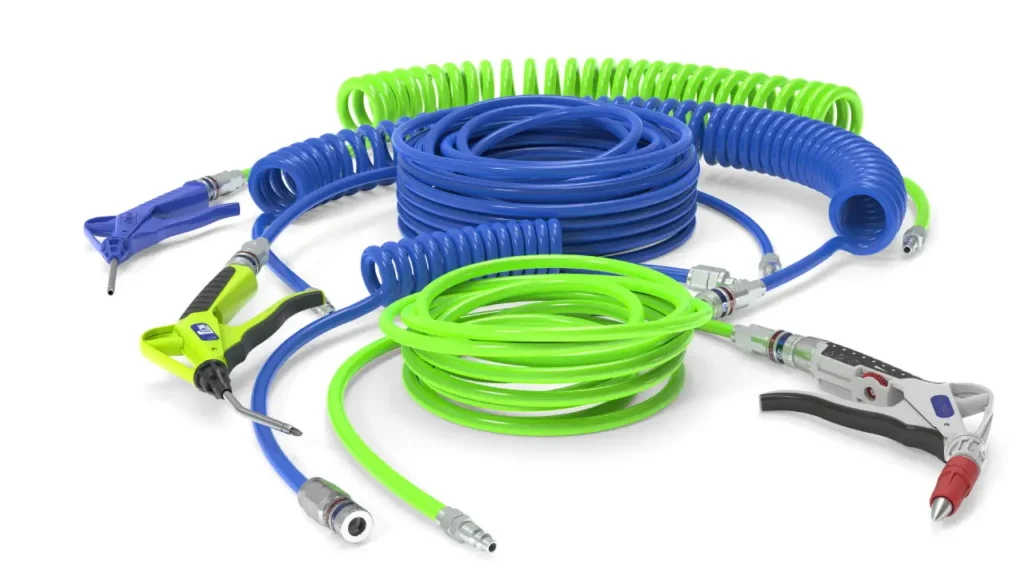
Pneumatic hoses are flexible tubes designed to transport compressed air or gases in pneumatic systems. They enable machinery and tools to operate efficiently by delivering air pressure where needed. Proper selection ensures safety, performance, and durability in various industrial, automotive, and manufacturing applications.
- Air pressure handling: Pneumatic hoses are built to carry compressed air safely and efficiently. They withstand fluctuating pressures and prevent leaks, ensuring consistent performance for air tools, machinery, and automated systems in diverse industries.
- Flexible and lightweight: These hoses are easy to maneuver, allowing them to reach tight spaces and adapt to equipment movement. Their flexibility reduces strain on fittings and components, enhancing system longevity.
- Durable materials: Constructed from rubber, PVC, or polyurethane, pneumatic hoses resist wear, kinks, and environmental factors. High-quality materials ensure reliable performance even under continuous operation or harsh conditions.
- Versatile applications: Pneumatic hoses are used in factories, workshops, automotive repair, and robotics. They deliver air power for tools, actuators, and control systems, supporting efficiency and productivity across various settings.
- Simple maintenance: Regular inspection of pneumatic hoses prevents leaks, damage, or failure. Easy maintenance ensures safe operation, minimizes downtime, and extends the service life of the hose and connected equipment.
Hydraulic vs Pneumatic Hose
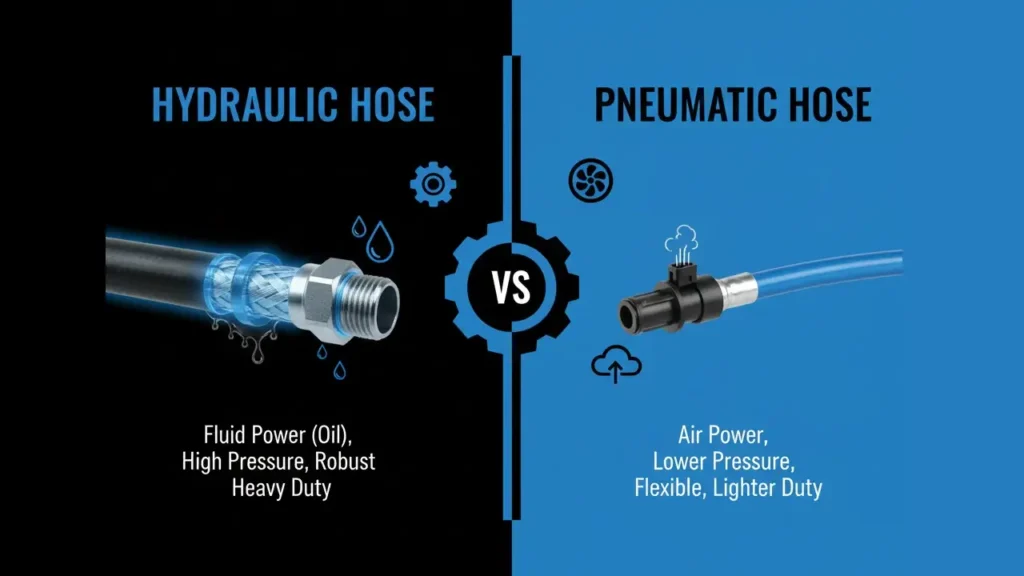
Hydraulic and pneumatic hoses are crucial components in fluid power systems, each serving different purposes. Hydraulic hoses transport pressurized liquids for heavy-duty machinery, while pneumatic hoses deliver compressed air for lighter, faster operations. Understanding their construction, applications, and performance differences helps in selecting the right hose for industrial and mobile systems.
Pressure Capacity
Hydraulic hoses are designed to withstand extremely high pressures, often exceeding thousands of PSI, making them ideal for heavy machinery like excavators and presses. Their reinforced layers prevent leaks and bursts, ensuring safe operation under intense load conditions.
Pneumatic hoses handle much lower pressures, typically under 300 PSI, suitable for air tools, automation, and light machinery. Their construction prioritizes flexibility and ease of installation rather than extreme pressure resistance.
Material and Construction
Hydraulic hoses use multiple layers of synthetic rubber, thermoplastics, and braided steel to endure high pressure and temperature. These materials offer durability, abrasion resistance, and long-term reliability in harsh industrial environments.
Pneumatic hoses are usually made from rubber, PVC, or polyurethane, which provides light weight, flexibility, and resistance to kinking. While durable, they are not suitable for handling high-pressure liquids or extreme temperatures.
Applications
Hydraulic hoses are common in construction, agriculture, and manufacturing equipment that requires high force output. They transmit power efficiently for lifting, pushing, or rotating heavy components.
Pneumatic hoses are used in workshops, automotive repair, and robotics, supplying air to tools, actuators, and control systems. Their lighter construction makes them ideal for portable and mobile applications.
Maintenance Requirements
Hydraulic hoses require regular inspection for leaks, cracks, or wear due to high pressure usage. Proper maintenance prevents system failure, costly downtime, and safety hazards.
Pneumatic hoses are easier to maintain due to lower pressure and simpler construction. Regular checks for kinks, punctures, or loose fittings ensure consistent air flow and prolong hose lifespan.
Cost and Availability
Hydraulic hoses are generally more expensive due to their complex construction and high-pressure rating. They are available from specialized suppliers and require proper installation expertise.
Pneumatic hoses are more affordable, widely available, and easier to replace. Their simple design reduces installation time and overall operational costs, making them popular in general workshop and industrial settings.
| Aspect | Hydraulic Hose | Pneumatic Hose |
|---|---|---|
| Pressure Capacity | High (up to thousands of PSI) | Low (typically under 300 PSI) |
| Material | Rubber, thermoplastic, steel braid | Rubber, PVC, polyurethane |
| Applications | Heavy machinery, industrial systems | Air tools, automation, workshops |
| Maintenance | Requires frequent inspection | Easier, lower maintenance needs |
| Cost | Higher, specialized supply | Lower, widely available |
How to Choose Hydraulic and Pneumatic Hoses?
Choosing the right hydraulic and pneumatic hoses is essential for safety, efficiency, and equipment longevity. Proper selection depends on pressure requirements, material compatibility, environmental conditions, and application type. Understanding these factors ensures optimal performance, prevents leaks or failures, and reduces maintenance costs across industrial, mobile, and workshop systems.
- Assess pressure requirements: Determine the maximum working pressure of your system. Hydraulic hoses must withstand high-pressure fluids, while pneumatic hoses handle lower air pressures. Matching hose ratings with system pressure prevents ruptures, maintains consistent performance, and ensures safe operation.
- Check material compatibility: Ensure the hose material is compatible with the fluid or gas being used. Hydraulic hoses must resist oil, hydraulic fluids, or chemicals, while pneumatic hoses should handle compressed air. Proper compatibility prevents degradation, leaks, and premature hose failure.
- Consider temperature range: Evaluate the operating temperatures of your environment. Hydraulic hoses require materials that tolerate high or fluctuating temperatures, while pneumatic hoses need flexibility in varying air temperatures. Selecting the right temperature range preserves hose integrity and system reliability.
- Evaluate flexibility and length: Determine the required hose length and bending radius. Hydraulic hoses often need reinforced construction but still require flexibility for installation, while pneumatic hoses benefit from lightweight, flexible designs for easier routing in tight spaces.
- Inspect environmental factors: Consider exposure to abrasion, chemicals, or outdoor conditions. Hydraulic and pneumatic hoses should be selected based on durability and protective layers to resist wear, corrosion, UV damage, or mechanical impact, ensuring long-term performance and safety.
Conclusion
In summary, hydraulic and pneumatic hoses serve distinct purposes and require careful consideration when selecting for industrial use. Hydraulic hoses handle high-pressure fluids for heavy-duty tasks, while pneumatic hoses are optimized for air-driven operations. Choosing the correct hose type ensures optimal performance and safety across applications.
For businesses needing reliable hose solutions, Gushan Rubber offers a wide range of wholesale hydraulic hoses. Our products are engineered for durability, pressure resistance, and efficiency, catering to various industrial needs. Partnering with us guarantees consistent quality and supply, helping you maintain smooth operations without downtime.
Ultimately, understanding the differences between hydraulic and pneumatic hoses helps prevent costly mistakes and ensures system longevity. By selecting the right hose type and sourcing from trusted suppliers like Gushan Rubber, you can achieve operational efficiency, reduce maintenance issues, and maximize the lifespan of your equipment.