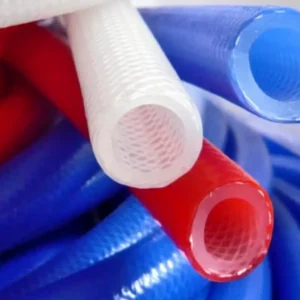
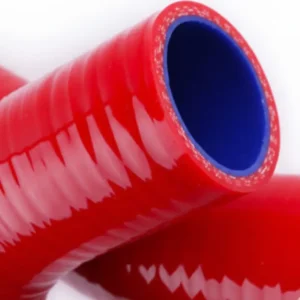
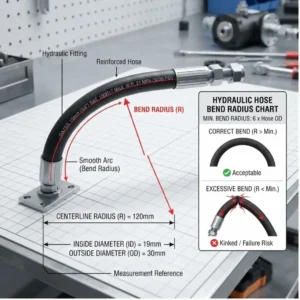
Flaring rubber hoses is an essential skill for anyone working with hydraulic or air systems. Properly flared hoses ensure a secure connection, prevent leaks, and extend the life of your equipment. In this guide, we’ll break down the tools, techniques, and step-by-step process to flare rubber hoses effectively.
Whether you’re a professional, knowing how to flare rubber hoses correctly saves time and avoids costly mistakes. We’ll cover common errors, safety tips, and practical advice to help you achieve a reliable and precise flare every time. Mastering this skill makes hose maintenance and installation much simpler.
What is Rubber Hose Flaring?
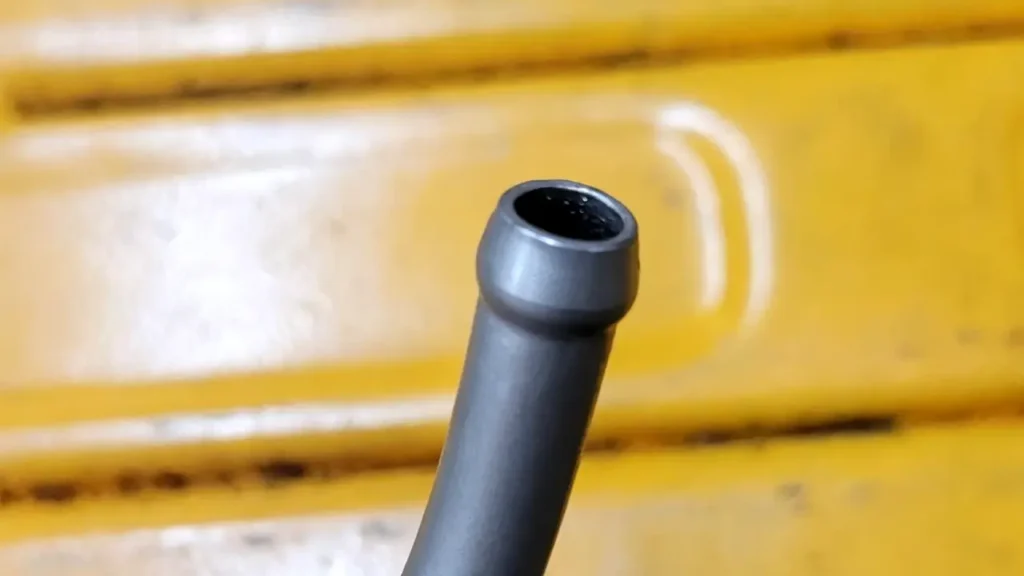
Rubber hose flaring is the process of shaping the end of a hose to fit securely onto a fitting or connector. By expanding the hose end outward, the flare creates a tight seal that prevents leaks and ensures a strong connection. This technique is commonly used in hydraulic, pneumatic, and automotive applications.
The rubber hose flaring process requires specific tools, such as a flaring tool or clamp, to achieve a uniform shape without damaging the hose. Proper flaring enhances hose durability, maintains system pressure, and reduces the risk of hose failure. Mastering this skill ensures reliable, long-lasting connections for various fluid or air systems.
Why Flare Rubber Hose?
Flaring rubber hoses is crucial for creating strong, leak-free connections in hydraulic, pneumatic, and automotive systems. Proper flaring ensures the hose fits securely with fittings, prevents fluid leakage, and extends the lifespan of your hoses. Using the correct flare technique improves safety and system performance.
- Prevent leaks: A precise flare stops fluid or air from escaping, maintaining system efficiency. Ensuring a tight seal reduces maintenance needs and protects equipment. Properly flared hoses minimize downtime and avoid costly repairs, keeping operations running smoothly.
- Enhance durability: Flaring distributes stress evenly along the hose end. This prevents cracks, splits, or premature wear, increasing hose longevity. A well-flared hose withstands high pressure and repeated use, saving money and ensuring reliable performance in demanding environments.
- Ensure safety: Leaks or hose failures can cause accidents, damage, or environmental hazards. Correctly flared hoses reduce these risks by securing the connection. Following proper techniques protects both personnel and equipment, making every system operation safer and more dependable.
- Improve system efficiency: Proper flare fittings maintain optimal flow and pressure. This ensures that hydraulic, pneumatic, or fuel systems operate smoothly. A well-flared hose supports consistent performance, reducing energy loss and maximizing the efficiency of the entire system.
How to Flare Rubber Hose?
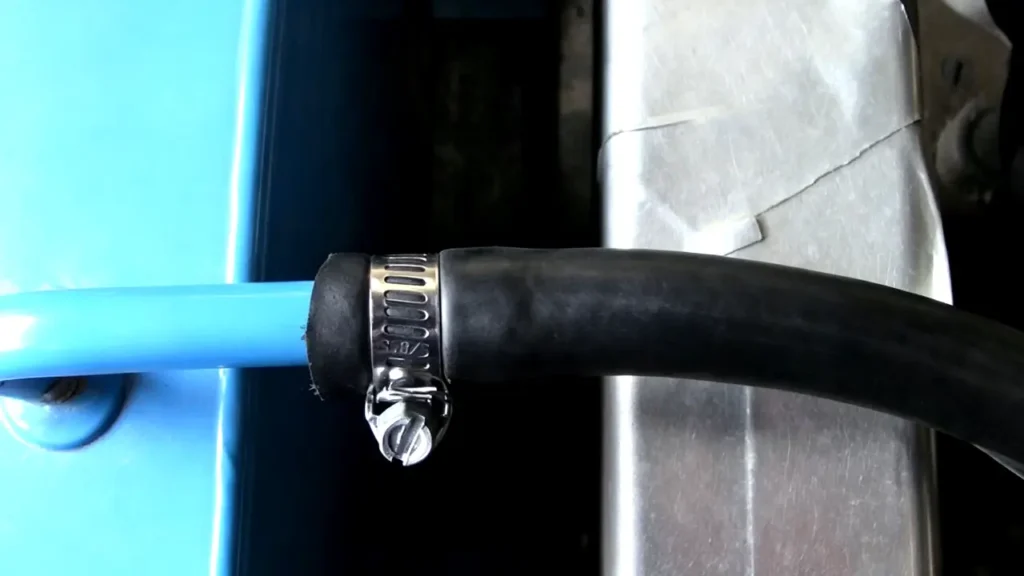
Flaring rubber hoses properly ensures secure connections and prevents leaks in hydraulic, pneumatic, and automotive systems. By following step-by-step procedures and using the right tools, you can achieve a professional-quality flare every time. This guide breaks down the process into simple, easy-to-follow steps.
Tools Needed
- Hose cutter or sharp utility knife
- Flaring tool or clamp
- Lubricant or light oil
- Ruler or measuring tape
- Protective gloves
Step 1: Prepare the Rubber Hoses
Start by cutting the rubber hose to the desired length using a hose cutter or sharp knife. Ensure the cut is straight and clean to prevent uneven flares. Remove any debris or loose particles from the cut end. Proper preparation is essential for a secure and leak-free connection.
Before flaring, slightly lubricate the hose end with light oil to make shaping easier. Insert the rubber hose into the flaring tool or clamp, aligning it carefully. Take precise measurements to avoid over- or under-flaring. Proper alignment ensures a uniform flare that fits snugly onto the fitting.
Step 2: Form the Flare
Tighten the flaring tool gradually to expand the hose end outward. Apply steady pressure, avoiding sudden force that could crack or damage the hose. The goal is a smooth, even flare that matches the fitting’s diameter precisely. Consistency is key to a reliable seal and long-lasting connection.
Check the flare frequently while forming it to ensure proper shape and size. Adjust the tool as needed to maintain even expansion. Once the flare is complete, carefully remove the hose from the tool and inspect it. A correctly formed flare enhances durability and prevents leaks in the system.
Step 3: Attach to the Fitting
Slide the flared hose end onto the fitting, ensuring it seats completely against the fitting shoulder. Secure it with a clamp or threaded connector, depending on your system requirements. The flare should fit snugly without forcing, providing a tight, leak-resistant connection.
After attachment, test the connection by running fluid or air through the system at low pressure. Inspect for leaks or loose fittings and tighten if necessary. Proper attachment ensures safe operation, system efficiency, and long-lasting performance, reducing maintenance needs over time.
How to Flare Fuel Line for Rubber Hose?
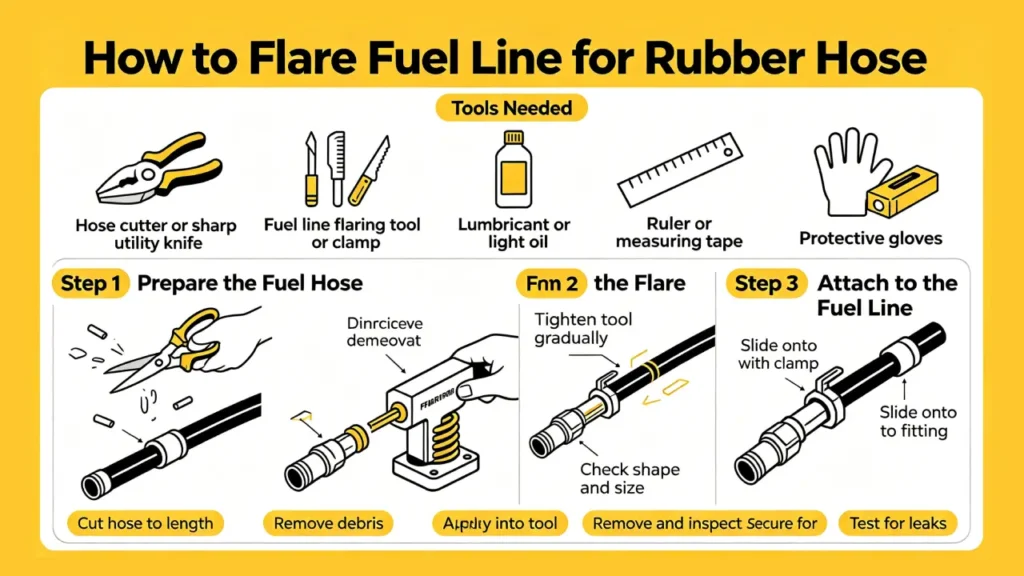
Flaring a fuel line for a rubber hose ensures a secure, leak-free connection, preventing fuel spills and maintaining system performance. Proper techniques and the right tools make the process easier and safer. Follow these steps to achieve a precise, durable flare for fuel systems.
Tools Needed
- Hose cutter or sharp utility knife
- Fuel line flaring tool or clamp
- Lubricant or light oil
- Ruler or measuring tape
- Protective gloves
Step 1: Prepare the Fuel Hose
Start by cutting the fuel hose to the required length using a hose cutter or sharp knife. Ensure the cut is straight and clean to prevent uneven flares. Remove any debris or loose particles from the cut end. Proper preparation is key to a leak-free connection.
Apply a small amount of lubricant to the hose end to ease the flaring process. Insert the rubber hose into the flaring tool, aligning it carefully. Measure carefully to avoid over- or under-flaring. Correct alignment ensures a smooth, even flare that fits perfectly on the fuel line fitting.
Step 2: Form the Flare
Gradually tighten the flaring tool to expand the hose end outward. Apply steady, even pressure to prevent cracking or deforming the hose. The goal is a uniform flare that matches the fitting diameter for a secure, leak-proof connection. Precision ensures reliable fuel system performance.
Check the flare regularly as you form it to ensure proper shape and size. Adjust the tool if necessary to maintain consistent expansion. Once the flare is complete, carefully remove the hose from the tool and inspect it. A well-formed flare prevents leaks and ensures long-lasting durability.
Step 3: Attach to the Fuel Line
Slide the flared hose end onto the fuel line fitting, making sure it seats completely against the fitting shoulder. Secure it with a clamp or connector as required by your system. The flare should fit snugly without forcing, creating a strong, leak-resistant connection.
After attaching the hose, test the fuel system at low pressure to check for leaks or loose fittings. Tighten connections if needed and inspect thoroughly. Proper attachment ensures safety, prevents fuel leaks, and maintains system efficiency, giving you a reliable and durable fuel line connection.
When to Flare Rubber Hoses?
Flaring rubber hoses is necessary whenever a secure, leak-free connection is required in hydraulic, pneumatic, or automotive systems. Proper timing ensures optimal performance, prevents damage, and extends hose’s lifespan.
Knowing when to flare hoses avoids unnecessary replacements and maintains system safety and efficiency.
- During installation: Flare hoses when connecting new hoses to fittings. This ensures a tight seal from the start. Proper installation prevents leaks, reduces system downtime, and protects equipment. Flared hoses handle pressure better, maintaining consistent flow and avoiding premature wear.
- When replacing damaged hoses: Any hose showing wear, cracks, or leaks should be flared before reinstallation. Re-flaring ensures the replacement hose fits correctly and maintains system integrity. It reduces the risk of failure, protects surrounding components, and supports reliable operation under high pressure.
- After cutting hoses to length: Whenever hoses are shortened or trimmed, flaring the new ends is essential. A clean flare ensures that the hose seats properly on fittings. This prevents leaks, avoids uneven stress on the hose, and guarantees efficient fluid or air transfer throughout the system.
- During maintenance or upgrades: When upgrading equipment or performing routine maintenance, check hose connections. Flare hoses as needed to maintain a secure fit. This proactive approach prevents leaks, enhances system safety, and ensures consistent performance in all operating conditions.
Why Choose Our Rubber Hoses?
Choosing the right rubber hoses ensures durability, reliability, and safety for hydraulic, pneumatic, and automotive systems. Our rubber hoses are designed to meet high-quality standards, withstand pressure, and provide long-lasting performance. Using superior hoses reduces maintenance needs and enhances system efficiency.
- Premium materials: Our rubber hoses are made from premium materials that resist wear, heat, and chemical exposure. This ensures long-lasting durability, prevents cracks or leaks, and maintains reliable performance even in demanding environments. Durable hoses save time, reduce replacements, and protect your equipment investment.
- Precision manufacturing: Each hose is manufactured with strict quality control to ensure consistent dimensions and performance. Accurate construction guarantees a perfect fit with fittings, reduces the risk of leaks, and improves system efficiency. Precision-made hoses provide reliability and peace of mind during operation.
- Wide range of options: We offer hoses in various sizes, pressure ratings, and specifications to suit different applications. This versatility ensures you get the right hose for your system, whether for hydraulic, pneumatic, or automotive use. Matching the correct hose improves safety and functionality.
- Trusted supplier: By choosing our rubber hoses, you benefit from years of industry expertise and customer support. Our products meet international standards and deliver consistent performance. Partnering with a reliable supplier ensures high-quality hoses, dependable delivery, and solutions tailored to your needs.
Conclusion
Flaring rubber hoses correctly is key to maintaining a safe and efficient hydraulic or air system. Following proper techniques ensures secure connections, reduces wear, and prevents leaks. By understanding the process and using the right tools, you can improve system performance and extend hose lifespan.
Regular practice and attention to detail make flaring hoses easier and more reliable. Avoiding common mistakes and applying step-by-step methods helps you achieve professional-quality results. With experience, you’ll handle various hose sizes and materials confidently, ensuring every installation meets high safety and performance standards.
For those looking for quality materials, get wholesale hydraulic hoses from our Gushan Rubber. We provide durable, reliable hoses that meet industry standards. Our products make flaring easier and ensure long-lasting, leak-free connections. Trust Gushan Rubber for all your hydraulic hose needs.