Understanding the fundamental differences between air hoses and pressure washer hoses is not only a matter of efficiency but also of safety. These two hoses are designed for different purposes, and improper use can result in reduced performance, equipment damage, or even serious injury.
What is an Air Hose and What is an Air Hose Used For?
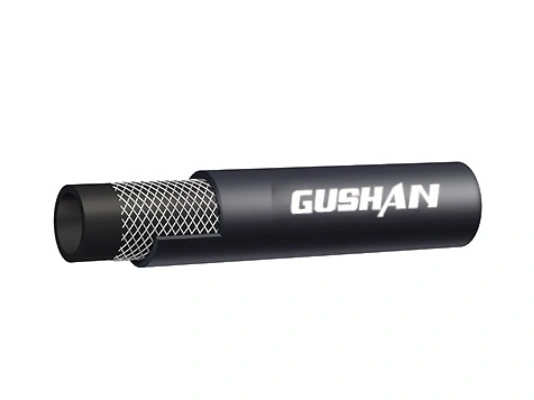
An air hose is a flexible tube designed specifically to transport compressed air. They are a crucial component of any pneumatic system, connecting an air compressor to various tools like nail guns, impact wrenches, paint sprayers, and grinders. These hoses are built to withstand the pressure of air, which operates at a different dynamic than water. While air pressure can be high, it’s compressible, meaning it behaves differently when under stress.
Air hoses are typically made from materials such as rubber, PVC, or polyurethane, each offering a unique balance of durability, flexibility, and weight. They are designed to be lightweight and maneuverable, allowing for ease of use in workshops and garages. We rely on them to power our tools efficiently without kinking, a common issue with lower-quality hoses.
What is a Pressure Washer Hose
In stark contrast, a pressure washer hose is a heavy-duty, reinforced tube engineered to handle the immense force of pressurized water. A pressure washer’s pump dramatically intensifies the pressure of a water source, often to levels of 1,300 to over 3,000 PSI for residential models, and much higher for commercial units. Water is non-compressible, which means this pressure exerts a constant and unyielding force on the hose’s walls.
To prevent bursting, pressure washer hoses are constructed with multiple layers, often including a braided steel or synthetic fiber core. This reinforcement provides the strength needed to contain the high-pressure water stream. The result is a hose that is far more rigid, heavier, and less flexible than an air hose, but one that is essential for the safety and effectiveness of a pressure washing system.
Can You Use an Air Hose for a Pressure Washer?
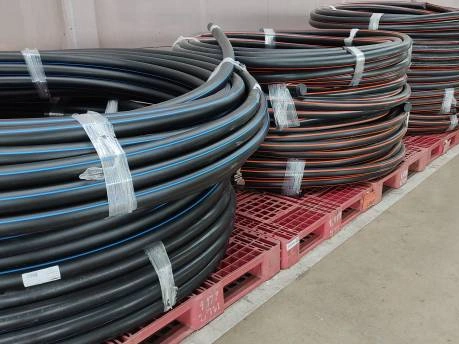
This is a question with a clear and unequivocal answer: absolutely not. Using an air hose with a pressure washer is a dangerous and highly risky endeavor. While an air hose might have a decent PSI rating, that rating is for compressed air, not high-pressure water. The internal forces exerted by non-compressible water are fundamentally different and far more destructive.
An air hose is not designed to handle the water’s force and will almost certainly burst. This can happen explosively, potentially whipping the hose violently, causing serious injury to the user or anyone nearby. The fittings on an air hose are also not rated for high-pressure water and could fail catastrophically. To ensure your safety and protect your equipment, you must only use a dedicated pressure washer hose with your pressure washer.
What is the Difference Between a Water Hose and an Air Hose?
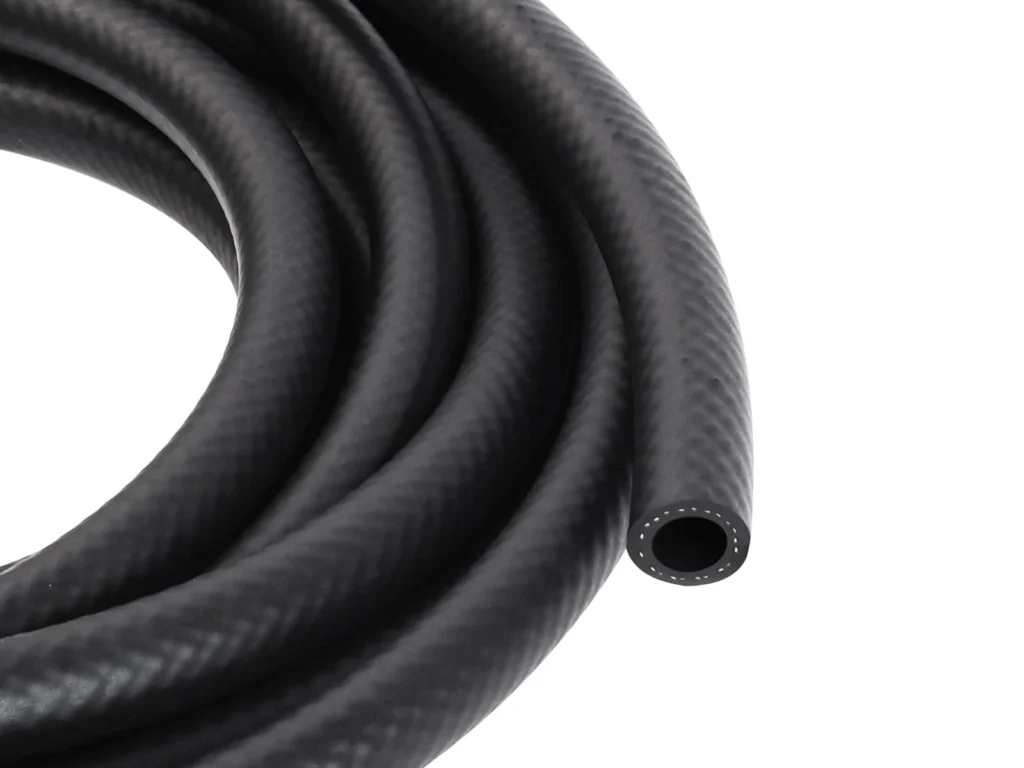
The materials and pressure ratings are the most telling distinctions between these two types of hoses. Manufacturers design each for a specific purpose, and their construction reflects that.
Materials
- Air Hoses:
- Rubber: Flexible, durable, and resistant to abrasion and temperature changes. It’s a classic choice for a reason.
- PVC (Polyvinyl Chloride): Lighter and more affordable than rubber, but can become stiff in cold weather and is more prone to kinking.
- Polyurethane: The lightest and most flexible option, it’s also highly durable and resistant to kinks. It’s an excellent choice for applications where maneuverability is key.
- Pressure Washer Hoses:
- PVC/Plastic: The most basic and least expensive option, often included with entry-level machines. They are prone to kinking and are less durable.
- Rubber: More flexible and durable than PVC, and much more resistant to kinks. It’s a popular choice for homeowners who need a reliable hose.
- Hybrid (PVC/Rubber Blend): Offers a good balance of flexibility, durability, and cost. It’s a versatile choice for many applications.
- Steel-braided: The most durable and professional-grade option. It’s heavier and less flexible but can withstand extremely high pressures and is highly abrasion-resistant.
Pressure Ratings (PSI)
- Air Hoses: Typically rated between 200 and 300 PSI. This is more than sufficient for most pneumatic tools.
- Pressure Washer Hoses: Rated from 1,300 PSI for light-duty electric washers to over 5,000 PSI for commercial gas-powered units. The hose’s rating should always meet or exceed the pressure of your machine.
How to Choose the Right Hose?
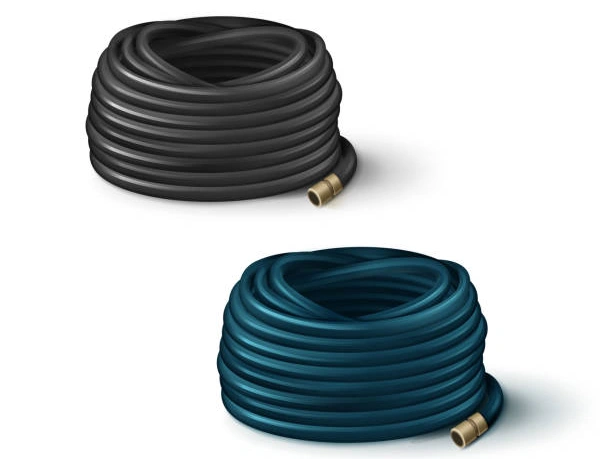
Telling the two hoses apart is easier than you think if you know what to look for.
| Feature | Air Hose | Pressure Washer Hose |
| Primary Use | Air tools (nail guns, inflators, etc.) | High-pressure water cleaning |
| Pressure Rating | Low (200-300 PSI) | High (1,300-5,000+ PSI) |
| Hose Construction | Lighter, more flexible single layer | Heavier, rigid, multi-layered with reinforcement |
| Fittings | Quick-connect couplers or male/female NPT threads | M22 or quick-connect threaded fittings |
| Common Materials | Rubber, PVC, Polyurethane | PVC, Rubber, Hybrid, Steel-braided |
| Feel and Weight | Lightweight, highly flexible | Heavier, much more rigid, less flexible |
Conclusion
In the air hose vs pressure washer hose debate, the answer isn’t about which one is better, but which one is right for the job. Investing in the correct hose for each of your tools is a matter of safety, efficiency, and longevity.