Understanding the differences between rubber and braided washer hoses is essential when choosing the right solution for durability, safety, and performance. Both types are widely used in household and industrial water systems, but they offer distinct advantages depending on pressure levels, installation environment, and long-term reliability needs in practical applications.
Choosing between rubber and braided washer hoses can directly impact safety, maintenance frequency, and system efficiency. This blog explores their key differences, helping you make an informed decision based on usage scenarios, water pressure demands, and material performance to ensure long-lasting and reliable plumbing connections in everyday applications in practice.
What Are Rubber Washer Hoses?
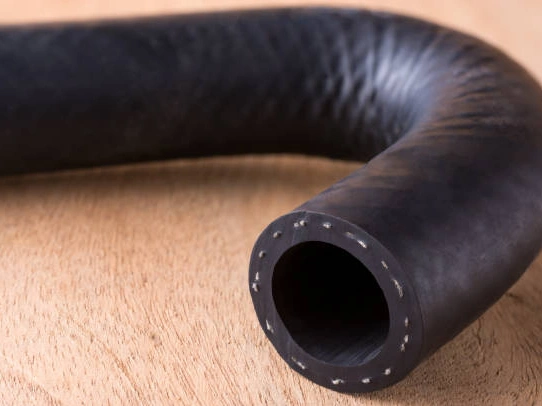
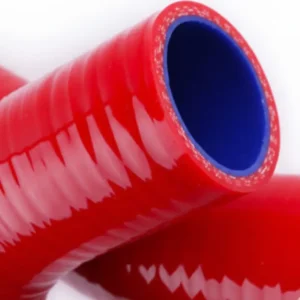
Rubber washer hoses are flexible water supply lines commonly used in washing machines and household plumbing systems. They are made from durable synthetic rubber designed to withstand pressure, temperature changes, and daily wear. These hoses ensure reliable water flow, reduce leakage risks, and offer easy installation, making them a popular choice for residential and light commercial applications today worldwide use.
Benefits of Rubber Washer Hoses:
- Strong flexibility and easy installation: Rubber washer hoses offer excellent flexibility, making them easy to bend and install in tight or awkward spaces. This reduces installation effort and time while ensuring a secure connection. Their adaptable structure also helps prevent kinks or cracks, maintaining steady water flow and improving overall usability in different household and industrial applications.
- High durability and long service life: These hoses are designed to withstand regular water pressure fluctuations without easily wearing out. The robust rubber material resists cracking, aging, and environmental damage, ensuring long-term performance. This durability reduces the need for frequent replacements, making them a cost-effective choice for both residential washing machines and commercial laundry systems.
- Reliable pressure resistance performance: Rubber washer hoses are built to handle moderate to high water pressure safely, minimizing risks of leaks or bursts. Their strong internal structure helps maintain stability even during continuous water flow. This makes them a dependable solution for users who need consistent performance in demanding washing or cleaning environments over time.
- Good vibration absorption and noise reduction: The natural elasticity of rubber helps absorb vibration generated during water flow or machine operation. This reduces noise levels and minimizes stress on connection points. As a result, rubber washer hoses improve overall system comfort and stability, making them suitable for home environments where quiet and smooth operation is important.
What are Braided Washer Hoses?
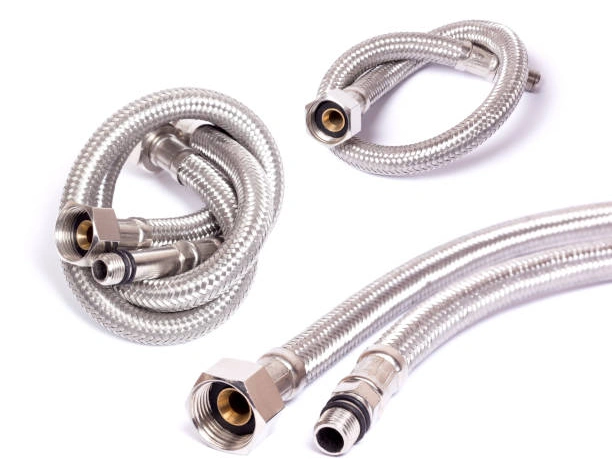
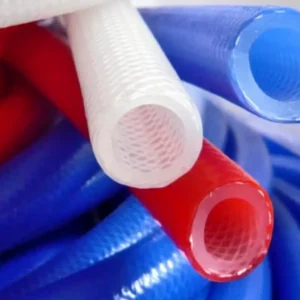
Braided washer hoses are reinforced water supply hoses designed with an inner rubber tube covered by a braided stainless steel or synthetic mesh layer. This structure provides extra strength and durability, making them ideal for high-pressure washing machine connections where safety, reliability, and long-term performance are essential in daily use.
Benefits of Braided Washer Hoses:
- High pressure resistance and safety: Braided washer hoses are engineered to withstand significantly higher water pressure compared to standard hoses. The braided outer layer reinforces the inner tube, reducing the risk of bursting or leakage. This makes them a safer choice for modern washing machines, especially in systems with strong or fluctuating water pressure conditions.
- Enhanced durability and longer lifespan: The braided reinforcement protects the hose from external damage, wear, and aging. It prevents expansion under pressure and reduces the chances of cracks forming over time. As a result, braided washer hoses offer a longer service life, making them a reliable and cost-effective solution for both residential and commercial laundry setups.
- Strong resistance to kinking and twisting: Unlike standard rubber hoses, braided washer hoses maintain their shape more effectively under movement and installation stress. The reinforced structure helps prevent kinks, bends, or twists that can restrict water flow. This ensures consistent performance and reduces maintenance issues caused by hose deformation in tight or frequently adjusted installations.
- Improved safety and leak prevention: The multi-layer braided design provides an additional protective barrier against leaks and sudden hose failure. It keeps internal pressure stable and minimizes weak points along the hose body. This improved structural integrity enhances overall safety, giving users greater confidence in long-term water connection reliability and system stability during operation.
Rubber vs Braided Washer Hose
Understanding rubber vs braided washer hoses is important when selecting the right connection for washing machines and plumbing systems. Rubber hoses are valued for flexibility and affordability, while braided hoses offer enhanced strength and pressure resistance.
Each type performs differently based on usage conditions, water pressure levels, and installation environments in modern water systems.
Material Structure
Rubber washer hoses are made from a single or multi-layer synthetic rubber compound. This structure makes them soft, flexible, and easy to handle during installation. They rely mainly on elasticity to manage water pressure and movement, making them suitable for standard household washing machine setups.
Braided washer hoses feature an inner rubber tube reinforced with a stainless steel or nylon braided outer layer. This reinforcement greatly improves structural strength and prevents expansion under pressure. The braided design also protects the inner tube from external damage, improving overall safety and extending service life.
Pressure Resistance
Rubber hoses generally handle moderate water pressure levels, making them suitable for typical home use. However, under high or unstable pressure conditions, they may expand slightly and wear out faster. This limits their performance in demanding plumbing systems.
Braided hoses are designed for high-pressure environments. The reinforced outer layer keeps the hose stable under strong water flow, reducing the risk of bursting or leakage. This makes them a safer and more reliable choice for modern washing machines and high-demand installations.
Durability and Lifespan
Rubber washer hoses offer acceptable durability but are more affected by aging, heat, and environmental exposure. Over time, they may crack or lose elasticity, especially in long-term use scenarios. Regular inspection is often required to ensure safe operation.
Braided hoses provide a longer service life due to their reinforced construction. The protective braid reduces wear, corrosion, and mechanical stress. This added strength makes them suitable for long-term installation with fewer replacements and lower maintenance requirements.
Flexibility and Installation
Rubber hoses are highly flexible, making them easy to install in tight or complex spaces. Their soft structure allows smooth bending without special tools, which simplifies installation for household users.
Braided hoses are slightly less flexible due to their reinforced outer layer, but they still maintain good maneuverability. Their structure helps them hold shape better, making them ideal for installations where stability and controlled flexibility are both important.
Safety and Leak Prevention
Rubber hoses provide basic safety for general use but can become vulnerable to wear-related leaks over time. Temperature changes and pressure fluctuations may increase the risk of deterioration in older systems.
Braided hoses offer enhanced safety due to their reinforced design. The outer braid helps contain internal pressure and reduces the likelihood of sudden failure. This makes them a more dependable option for preventing leaks and protecting water systems.
Here is a chart showing you the differences between rubber and braided washer hoses:
| Aspect | Rubber Washer Hose | Braided Washer Hose |
|---|---|---|
| Material Structure | Single or multi-layer synthetic rubber; flexible and soft | Inner rubber tube with stainless steel or nylon braided outer layer |
| Pressure Resistance | Suitable for moderate pressure; may expand under high pressure | Designed for high pressure; stays stable and reduces bursting risk |
| Durability & Lifespan | Moderate lifespan; prone to aging, cracking, and heat damage | Long lifespan; resistant to wear, corrosion, and mechanical stress |
| Flexibility & Installation | Very flexible; easy to bend and install in tight spaces | Slightly less flexible but still manageable; holds shape better |
| Safety & Leak Prevention | Basic safety; higher risk of wear-related leaks over time | High safety; reinforced structure reduces leakage and sudden failure risk |
How to Choose Rubber and Braided Washer Hoses?
Understanding how to choose between rubber and braided washer hoses is essential for ensuring safe, efficient, and long-lasting water system performance. Each type offers unique advantages depending on pressure levels, installation environment, and usage requirements.
Making the right selection helps prevent leaks, reduces maintenance needs, and improves overall appliance reliability in both residential and commercial plumbing setups.
Pressure Requirements
Choosing the right hose depends heavily on water pressure conditions. Rubber hoses are suitable for standard household pressure levels and perform well in stable systems. However, braided hoses are better for high-pressure environments because their reinforced structure prevents expansion and bursting, making them a safer option for modern washing machines and demanding plumbing systems.
Material Construction
Rubber hoses are made from flexible synthetic compounds that prioritize softness and easy handling. This makes them simple to install and suitable for general home use. Braided hoses, on the other hand, combine an inner rubber tube with a stainless steel or nylon braid, significantly increasing strength, stability, and resistance to external pressure or damage.
Durability and Lifespan
Rubber hoses typically have a shorter lifespan because they are more vulnerable to heat, aging, and environmental exposure. Over time, they may crack or lose elasticity. Braided hoses last longer due to their reinforced outer layer, which protects against wear, corrosion, and pressure stress, making them a more cost-effective long-term solution.
Flexibility and Installation
Rubber hoses offer excellent flexibility, making them easy to bend and install in tight or complex spaces without special tools. Braided hoses are slightly less flexible due to their reinforced design, but they still provide good maneuverability. Their ability to hold shape also helps maintain stable installation in fixed plumbing systems.
Safety and Leak Protection
Rubber hoses provide basic protection but may develop leaks over time due to wear or pressure fluctuations. Regular inspection is often required. Braided hoses offer enhanced safety because the outer layer reinforces the structure, reducing the risk of sudden failure, burst leaks, and water damage in high-pressure or long-term installations.
Conclusion
Rubber and braided washer hoses each serve important roles in water supply systems, offering different strengths in flexibility, durability, and pressure handling. Understanding these differences helps users select the most suitable option for their specific application, reducing risks of leaks, bursts, and maintenance issues while improving overall plumbing performance and safety in both residential and commercial settings in real use.
Braided washer hoses are often preferred in high-pressure environments due to their reinforced structure, while rubber hoses are valued for flexibility and easier installation. Selecting the right option depends on system requirements, expected lifespan, and budget considerations, ensuring efficient performance and reduced maintenance costs over time for various plumbing and water supply applications for long term reliability use always.
Get wholesale rubber hoses from our gushan rubber, providing consistent quality and competitive pricing for various industrial and household applications. Our products are designed to meet different pressure and durability requirements, ensuring dependable performance, long service life, and efficient water system operations across multiple use cases worldwide. Choose us for stable supply and trusted manufacturing support today always available globally.