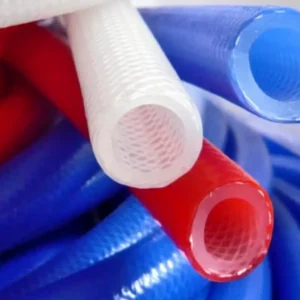
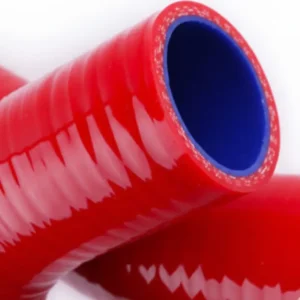
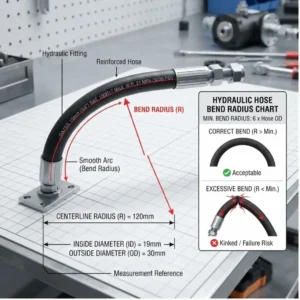
Hydraulic hoses are designed to withstand high pressure and harsh environments, making them an essential part of various industrial applications. However, when it comes to using hydraulic hoses for propane, it’s important to consider factors like material compatibility and pressure ratings to ensure safety and functionality.
Not all hydraulic hoses are suited for propane transport due to the potential risks of leaks, chemical reactions, or degradation. In this blog, we will explore whether hydraulic hoses can be used for propane, focusing on material properties, pressure tolerance, and the importance of selecting the right type of hose for gas applications.
Applications of Hydraulic Hose
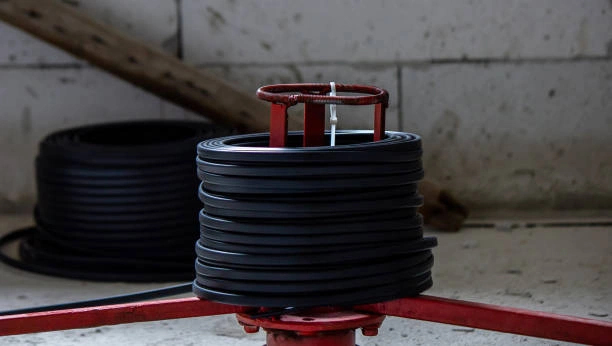
Hydraulic hoses are used across many industries to transmit power through pressurized fluids, ensuring machinery operates efficiently. Their versatility and durability make them ideal for a wide range of applications.
Below are some of the key uses of hydraulic hoses:
- Construction Equipment: Hydraulic hoses are widely used in construction machinery, such as excavators and bulldozers. These hoses are designed to withstand high-pressure environments, ensuring smooth operation of hydraulic systems that power the movement of large equipment. Their flexibility also allows easy routing through tight spaces in machinery.
- Agricultural Machinery: Hydraulic hoses are essential in agricultural machines like tractors and harvesters, transmitting hydraulic fluid to power implements like plows, seeders, and sprayers. These hoses must resist wear and tear from constant use in harsh outdoor conditions, making durability and flexibility crucial for agricultural operations.
- Automotive Industry: In the automotive sector, hydraulic hoses are used in brake lines, power steering, and lifting equipment like hydraulic car jacks. Their ability to maintain pressure and provide precise control ensures safety and reliability in critical automotive systems, while their flexibility helps in easy installation and routing.
- Industrial Manufacturing: Hydraulic hoses are integral to manufacturing processes, powering various types of machinery such as presses, conveyor belts, and lifts. These hoses help transfer pressurized fluids to actuators, ensuring efficient movement and function. Their resistance to heat, chemicals, and abrasion makes them suitable for demanding industrial environments.
- Marine Applications: Hydraulic hoses are also used in marine vessels, particularly for steering systems, winches, and stabilizers. The hoses must be resistant to saltwater corrosion and able to perform reliably in harsh marine environments. Their flexibility ensures smooth operation of hydraulic systems on ships and offshore platforms.
What is Propane?
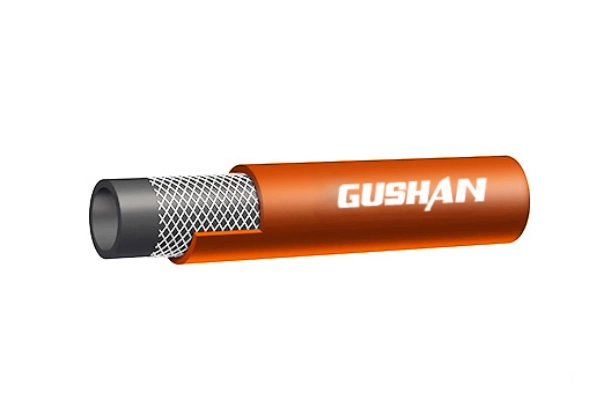
Propane, also known as liquefied petroleum gas (LPG), is a versatile and widely used fuel, but its chemical and physical properties are very different from hydraulic fluid. Understanding these differences is key to answering the question of whether hydraulic hoses can be used with propane. Propane is stored as a liquid under pressure, but vaporizes into a gas when released. This phase change, combined with its flammability, presents unique challenges for hose compatibility and safety.
Unlike hydraulic fluid, which is incompressible, gaseous propane is extremely expandable and can penetrate materials not specifically designed to contain propane. The chemical composition of propane also means that it reacts with certain rubber compounds, causing the hose liner to degrade. If the hose degrades, it can cause leaks, which is extremely dangerous given the flammable and explosive properties of propane.
Can Hydraulic Hose Be Used for Propane?
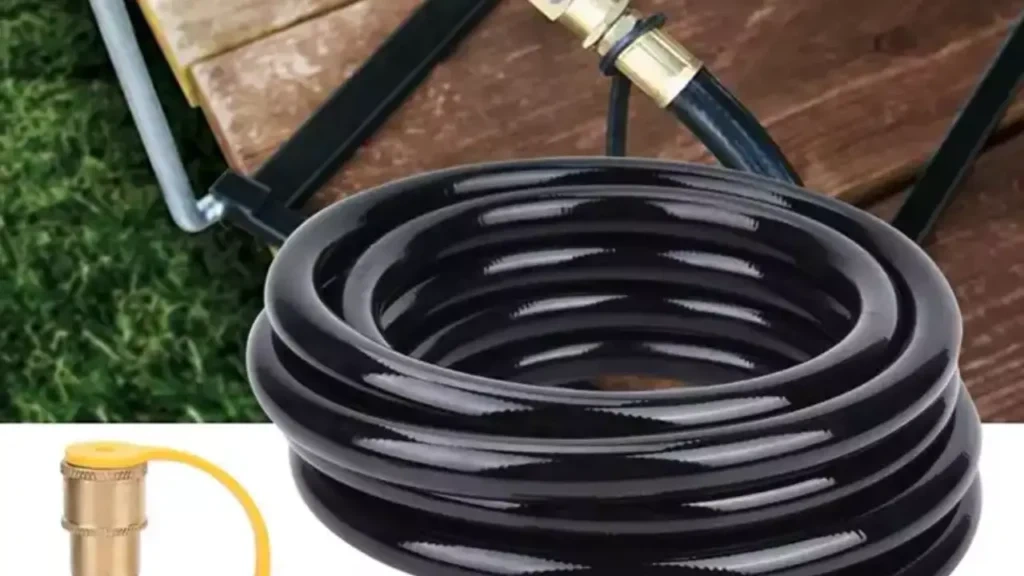
Hydraulic hoses are primarily designed to handle high-pressure hydraulic fluids, but their suitability for transporting propane depends on the hose material and pressure ratings. Propane, being a flammable gas, requires specific hoses designed for gas applications to ensure safety.
Below are key considerations when using hydraulic hoses for propane:
- Material Compatibility: Not all hydraulic hoses are compatible with propane. The material used in the hose must be resistant to propane’s chemical properties to prevent degradation, cracking, or leaks. Hoses with materials like synthetic rubber or thermoplastic may be more suitable for propane applications, as they offer better resistance to chemical exposure.
- Pressure Ratings: Hydraulic hoses are rated to withstand high pressures, but propane may not always match the pressure requirements of these hoses. It’s important to check the pressure rating of the hose to ensure it can safely handle propane without risk of rupture or failure, as pressure tolerances vary across different hose types.
- Safety Considerations: Propane is highly flammable, which means safety is a top priority. Hydraulic hoses that are not specifically designed for gas applications may not have the necessary safety features, such as flame-retardant coatings or gas-tight seals. Using the correct type of hose is critical to preventing accidents.
- External Conditions: Propane hoses often need to be resistant to external factors like UV exposure, abrasion, and extreme temperatures. While hydraulic hoses are built for durability, ensuring that the hose is exposed to the right environmental conditions will prevent degradation and ensure long-term safety for propane use.
- Approval and Standards: Always verify that the hydraulic hose is approved for propane use. Many gas hoses are specifically rated for propane, meeting strict standards and safety regulations. Using a non-approved hydraulic hose may lead to hazardous situations, so ensure the hose is compliant with relevant safety certifications.
The Importance of Propane Hoses
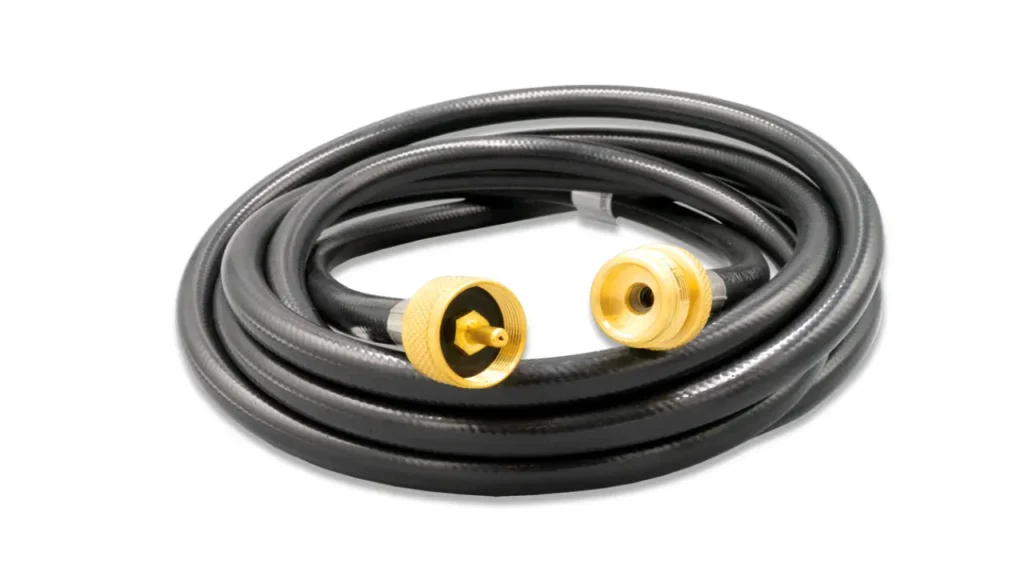
Propane hoses are a critical component in safely transporting propane gas in various applications, from residential heating to industrial use. They are designed to handle the specific demands of propane, such as pressure control and chemical resistance.
Here are key factors that highlight the importance of using quality propane hoses:
- Safety in Handling Propane: Propane is a highly flammable gas, so using the right hose is essential for preventing leaks, explosions, or accidents. Propane hoses are specially designed with materials that resist wear, corrosion, and cracking, ensuring the gas flows safely without risk of leakage or dangerous exposure.
- Pressure Resistance: Propane hoses are built to withstand high pressure without rupturing or failing. They are rated for the specific pressures that propane systems can reach, which ensures the safe transfer of gas from one point to another. Hoses that cannot handle the necessary pressure can lead to serious hazards.
- Chemical Compatibility: Propane hoses are made from materials like synthetic rubber or thermoplastic that are resistant to propane’s chemical properties. This resistance prevents degradation, cracking, or the breakdown of the hose, ensuring a long lifespan. Without proper material compatibility, hoses may deteriorate, posing a significant safety risk.
- Durability Against Environmental Conditions: Propane hoses are designed to endure various environmental factors such as UV exposure, extreme temperatures, and abrasion. These hoses are built to perform in tough outdoor conditions, ensuring reliable performance whether the hose is exposed to heat, cold, or direct sunlight.
- Regulation and Certification Compliance: Propane hoses must meet industry standards and regulations to ensure they are safe for use. They are often certified by regulatory bodies like UL or CSA to guarantee they meet safety and quality requirements. Using unapproved hoses may not provide the necessary safety assurances and can lead to severe consequences.
What Type of Hose Can Be Used for Propane?
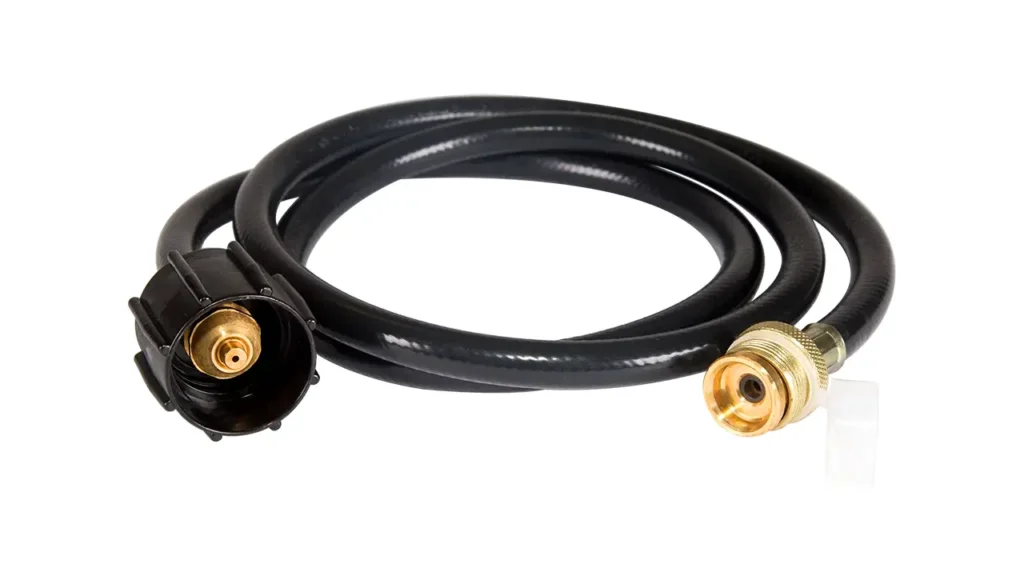
Choosing the right hose for propane is essential to ensure safe, efficient, and reliable transportation of the gas. The hose material must be compatible with propane’s chemical properties, able to withstand the necessary pressure, and durable enough to handle environmental factors.
Below are some common types of hoses suitable for propane:
- Rubber Hoses: Rubber hoses are commonly used for propane due to their flexibility and resistance to wear, making them ideal for outdoor and industrial use. They can withstand high pressure and are durable enough to resist cracking and degradation caused by exposure to UV light or extreme temperatures.
- Thermoplastic Hoses: Thermoplastic hoses are lightweight and durable, offering resistance to both chemicals and abrasion. They are suitable for propane transport in areas where flexibility and weight are important, such as in portable propane systems. These hoses maintain their integrity even in harsh outdoor environments.
- PVC Hoses: PVC hoses are sometimes used for low-pressure propane applications, as they offer resistance to corrosion and weathering. However, they are generally less flexible than rubber or thermoplastic hoses, making them better suited for fixed installations or short distances. PVC hoses may not be ideal for high-pressure propane systems.
- Stainless Steel Braided Hoses: Stainless steel braided hoses are highly durable and resistant to punctures, abrasions, and extreme pressures. These hoses are often used in propane applications that require extra strength, such as high-pressure systems or in environments with sharp edges that could damage other types of hoses.
- Polyurethane Hoses: Polyurethane hoses are flexible and resistant to wear, chemicals, and ozone degradation, making them a good option for propane applications. These hoses are lightweight and resistant to cracking, which allows them to be used in various industrial and residential propane systems with good longevity.
Conclusion
While some hydraulic hoses may be able to handle propane under certain conditions, it’s crucial to ensure the hose material is compatible with propane and capable of withstanding the gas’s pressure. Always consult with experts or manufacturers to verify the suitability of the hose for your specific needs.
If you are considering using hydraulic hoses for propane or other specialized applications, make sure to choose hoses that meet the necessary safety standards. Gushan Rubber offers a wide range of wholesale hydraulic hoses that can be tailored to meet your specific requirements, ensuring reliability and safety.
For quality, performance, and affordability, Gushan Rubber is your trusted source for wholesale hydraulic hoses. Our hoses are designed to handle a variety of industrial applications, including gas and hydraulic systems, ensuring long-lasting durability. Contact us today to find the right hose for your needs and enjoy top-notch service.