Removing a stuck hydraulic hose can be a tricky task, but with the right approach, it’s manageable. Whether you’re dealing with dirt buildup, rust, or just a tight fit, understanding the proper techniques is crucial. In this blog, we will guide you through the most effective methods for removing a stubborn hydraulic hose.
The first step in tackling a stuck hydraulic hose is to ensure that you’re using the right tools. A safe and precise removal requires the right equipment, patience, and some basic mechanical know-how. By following the steps outlined, you’ll be able to safely and efficiently remove the hose without causing any damage to your hydraulic system.
Why Hydraulic Hose Gets Stuck?
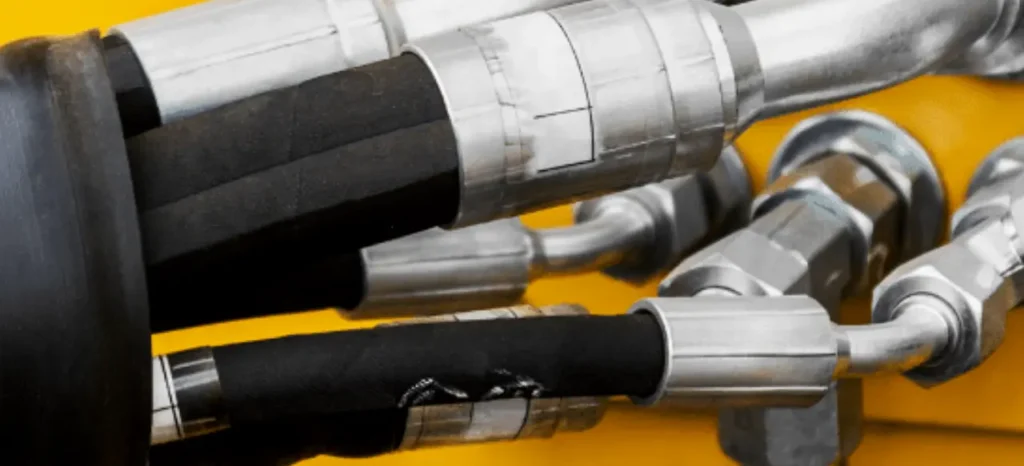
A hydraulic hose can get stuck for several reasons, including corrosion, dirt and debris buildup, or improper installation. Over time, exposure to extreme pressure and harsh conditions can cause the hose to seize in place.
Understanding why this happens is essential for proper maintenance and avoiding future issues with your hydraulic system.
- Corrosion: Over time, the metal fittings on the hose can corrode to the components they’re attached to. This creates a tight, almost fused bond that makes removal difficult.
- Sizing: If the hose has been subjected to high temperatures or has been exposed to contaminants, the fittings can seize together. This can make it extremely difficult to loosen the connection.
- Over-tightening: If the hose was initially installed with excessive force, the fittings can become overly tightened, making them difficult to loosen without risking damage.
- External Factors: Obstructions like other components or tight spaces can hinder access to the hose fittings, making it challenging to apply the necessary tools and leverage.
- Hose Damage: If the hose itself is damaged (e.g., kinked, crushed), it can become deformed and stuck in place, making removal more difficult.
These are just some of the common reasons why hydraulic hoses can become stuck. It’s important to carefully assess the situation and identify the specific cause before attempting any removal.
How to Remove Stuck Hydraulic Hose?
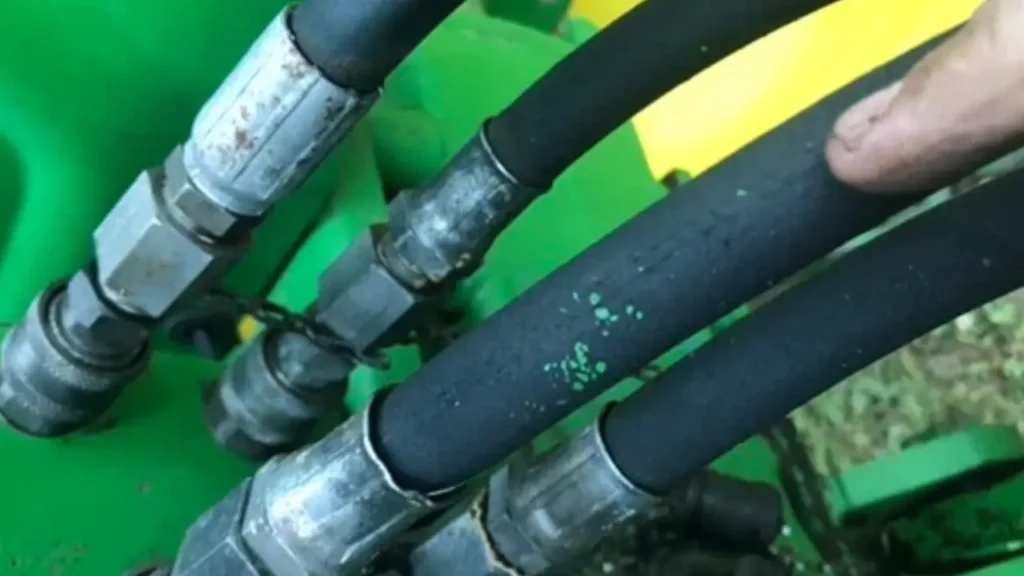
A stuck hydraulic hose can halt operations, often being seized due to corrosion, dirt, or overtightening. Successfully removing it requires a methodical approach that prioritizes safety and avoids damaging the connection ports. We provide this step-by-step guide to help you safely and effectively free a stubborn hydraulic hose, ensuring minimal downtime and preserving your equipment’s integrity.
We recommend following all safety precautions before beginning this process. Always ensure the hydraulic system is completely depressurized and the machine is powered down and locked out. We supply the expertise needed to address this common maintenance challenge effectively, ensuring a smooth transition when installing a new component.
Tools Needed:
- Safety glasses and gloves
- Wrench (Open-end or adjustable)
- Penetrating lubricant
- Wire brush
- Rag or shop towel
- Soft-face hammer or rubber mallet
Step 1: Depressurize and Clean the System
We ensure that the entire hydraulic system is completely depressurized before touching any fittings. This is a critical safety step to prevent injury from retained pressure. After depressurization, we use a wire brush and a rag to meticulously clean the area around the stuck fitting, removing all dirt, grit, and corrosion.
We provide this initial cleaning step to give us the best access and ensure that no debris falls into the port once the hose is removed. A clean working area allows for better visual inspection and reduces the risk of cross-contamination in the hydraulic fluid.
Step 2: Apply Penetrating Lubricant
We liberally apply a penetrating lubricant directly onto the threads and the junction where the hose fitting meets the port or adapter. This product is designed to wick into the tight gaps and begin dissolving the rust or gunk that is binding the connection.
We allow the lubricant ample time to soak in and break down the seized bond. Depending on the severity of the corrosion, this may require several minutes or even repeat applications. Patience here significantly increases the chance of a successful and non-damaging removal.
Step 3: Attempt Initial Loosening with Wrench
We use the correct size open-end or adjustable wrench to grip the hexagonal fitting securely. We apply firm, steady, and increasing pressure in the counter-clockwise (loosening) direction. Avoid sudden, jerking movements which can strip the fitting or damage the connection.
We prefer this method to gently encourage movement in the stuck fitting. If the fitting does not budge with reasonable force, we stop immediately to avoid rounding the hex or twisting the hose itself, indicating the need for more penetrating lubricant or the next step.
Step 4: Use Tapping to Break the Bond
We gently tap the area around the fitting, specifically the nut or hex portion, using a soft-face hammer or rubber mallet. The slight shock of the impact can often help the penetrating lubricant work its way in and break the bond of corrosion or thread lock.
We employ this light tapping technique to induce micro-vibrations without deforming the metal. This action often frees up the threads enough to allow the wrench to complete the loosening process successfully on the next attempt.
Step 5: Reattempt Loosening and Wiggle
We apply the wrench again and attempt to turn the fitting counter-clockwise, applying consistent pressure. As the fitting starts to turn, we may gently wiggle the hose fitting back and forth (clockwise/counter-clockwise) to help clean the threads.
We use this wiggling motion to assist in the removal of any remaining stubborn debris or rust particles caught in the threads. Once loosened, we continue unscrewing the fitting by hand until it is fully disconnected from the port or adapter.
Step 6: Remove Hose and Clean Port
We carefully remove the hose, holding it upright to minimize any fluid spillage. Immediately after removal, we cover or plug the open port or adapter to prevent contamination of the hydraulic system with dirt, air, or moisture.
We immediately clean the removed hose end and the open port/adapter threads with a clean rag. This step prepares the port for the new hose installation and helps us assess if any damage occurred to the threads during the removal process.
Step 7: Inspect and Prepare for New Hydraulic Hose
We meticulously inspect the threads of the port and any adapter for signs of damage like cross-threading or stripping. If the threads are damaged, the adapter must be replaced before installing the new hose.
We ensure the threads are clean and we may apply a thin layer of thread sealant or hydraulic-specific anti-seize compound before installing the new hose. This preventive step will aid in proper sealing and facilitate easier removal in the future.
How to Prevent Hydraulic Hose Stuck?
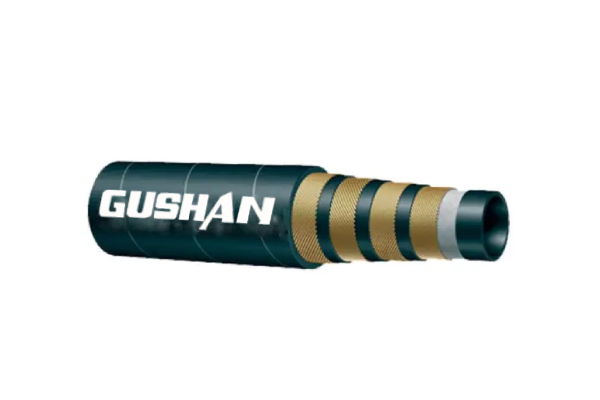
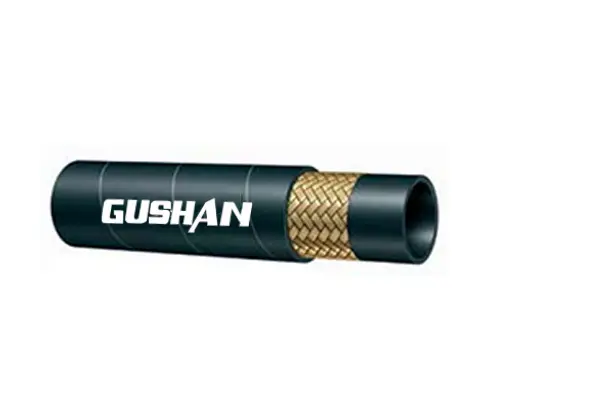
Here are some tips helping you avoid potential hydraulic hose failure, such as being stuck in the hydraulic systems.
- Torque to Spec: Tighten fittings to the manufacturer‘s recommended torque specifications. Over-tightening can cause damage and seizing, while under-tightening can lead to leaks and potential problems.
- Cleanliness: Ensure all surfaces are clean and free of debris (dirt, metal shavings) before installation. Contamination can accelerate corrosion and hinder a proper seal.
- Use of Anti-Seize Compounds: Apply a thin layer of anti-seize compound to the threads of fittings before installation. This helps prevent galling (the seizing of two metal surfaces due to friction) and corrosion, making future removal easier.
- Visual Inspections: Regularly inspect hoses for signs of wear, abrasion, cracks, or leaks. Replace any damaged hoses promptly.
- Fluid Quality: Maintain proper hydraulic fluid levels and ensure the fluid is clean and free of contaminants. Contaminated fluid can accelerate corrosion and damage system components.
- Temperature Control: Minimize exposure to extreme temperatures, which can accelerate aging and degradation of the hose and fittings.
3. Storage:
- Proper Storage: When not in use, store hoses in a cool, dry, and clean environment to prevent exposure to moisture and contaminants.
- Avoid Kinking: Avoid kinking or bending hoses excessively during storage, as this can weaken the hose and damage the internal structure.
4. Hydraulic Hose Selection:
Select hydraulic hoses that are appropriate for the application’s pressure, temperature, and fluid type. Using the wrong hose can lead to premature failure and increase the risk of issues.
By implementing these preventative measures, you can significantly reduce the risk of hydraulic hose fittings becoming stuck and minimize the need for costly and time-consuming repairs.
Techniques for Removing Stuck Rubber Hoses
Removing a stuck rubber hose can be challenging, but with the right techniques, it can be done safely and effectively. Whether the hose is clogged with debris, corroded, or simply stuck due to wear, using the proper tools and methods will prevent damage to your hydraulic system.
Here are some useful techniques to help you remove a stuck rubber hose.
- Apply Penetrating Oil: Spray penetrating oil on the hose and let it sit for several minutes to break down rust and debris, reducing friction and making the hose easier to remove.
- Use Heat: Apply heat with a heat gun or propane torch to expand the rubber, making it more flexible and easier to remove. Be cautious not to damage surrounding components.
- Tap with a Hammer: Gently tap around the hose’s connection point with a hammer or mallet to help break the seal. Avoid excessive force to prevent damaging the hose or fittings.
- Use a Hose Removal Tool: Invest in a specialized hose removal tool, designed to grip and twist hoses without causing damage, saving you time and effort in the long run.
- Apply Leverage: Use a wrench or pry bar to apply gradual leverage, twisting or pulling the hose loose. Be careful to avoid sudden movements that could damage the hose or surrounding parts.
These techniques, when combined, can help you remove even the most stubborn rubber hoses efficiently.
Conclusion
Removing a stuck hydraulic hose doesn’t have to be a daunting task if you approach it with the right tools and knowledge. Always start by ensuring the system is de-pressurized, then use the appropriate methods to avoid damaging the hose or equipment. Taking time to inspect and clean the components will also help prevent future issues.
If you frequently deal with hydraulic hoses, investing in high-quality, durable hoses can save you time and effort. Gushan Rubber offers a wide range of hydraulic hoses that are designed to meet your operational needs. Our hoses are built for durability and long-term performance, ensuring reliable operation for your machinery.
For all your hydraulic hose needs, trust Gushan Rubber for wholesale options that deliver exceptional value. Whether you’re replacing old hoses or upgrading your system, we provide hoses that are both dependable and cost-effective. Visit us today to explore our selection and get the best deals for your business.