High Temperature Hydraulic Hose
We offer high temp hydraulic hose, engineered from premium materials to withstand extreme heat, pressure, and abrasion. Our hoses provide reliable performance, flexibility, and durability for demanding industrial, automotive, and hydraulic system applications. Designed for long-lasting service, they ensure efficient operation and safety under high-temperature conditions.
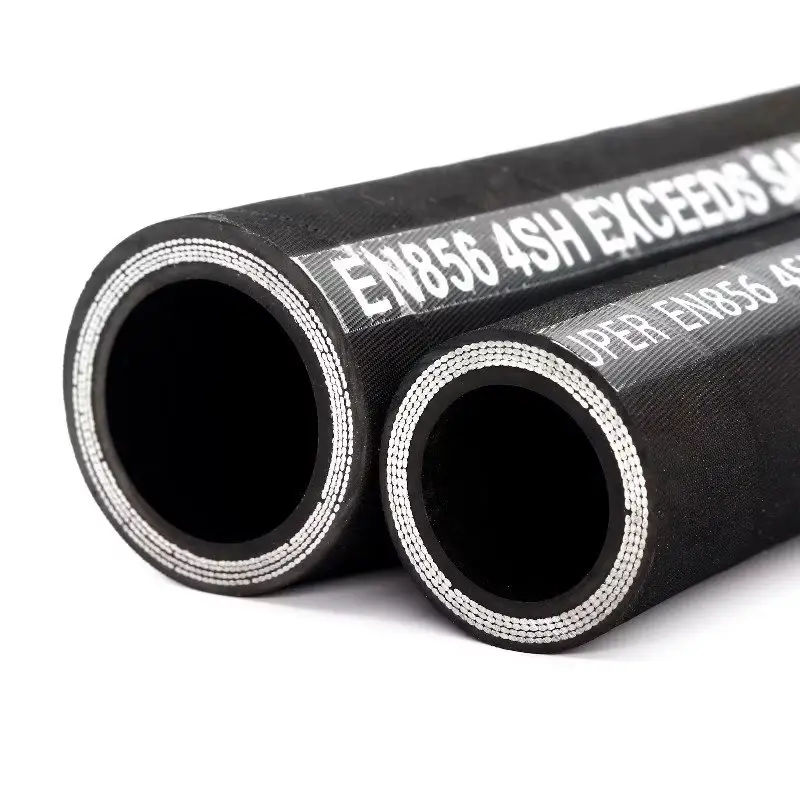
4SP4SH High Temperature Hydraulic Hose
We supply high-temperature hydraulic hoses specifically designed to operate in demanding environments. Constructed with specialized materials and advanced manufacturing techniques, these hoses maintain flexibility and performance in extreme heat. Our hoses are engineered to withstand high temperatures while delivering reliable fluid transfer in critical applications.
High Temperature Hydraulic Hose Applications
- Industrial Machinery: High temperature hydraulic hoses are used to transfer hot fluids in heavy machinery. They provide durability and heat resistance, ensuring reliable operation under extreme conditions.
- Automotive Systems: These hoses handle hot hydraulic fluids in engines, transmissions, and power steering systems, maintaining performance, preventing leaks, and withstanding high-temperature environments in vehicles.
- Construction Equipment: Ideal for excavators, loaders, and cranes, high temperature hydraulic hoses resist heat and abrasion, delivering reliable hydraulic fluid transfer in harsh outdoor and heavy-duty applications.
- Agricultural Machinery: Used in tractors, harvesters, and irrigation equipment, these hoses manage hot hydraulic fluids while withstanding rough handling, sunlight exposure, and continuous operation in farming environments.
- Marine Applications: High temperature hydraulic hoses are suitable for marine hydraulic systems, resisting heat, pressure, and corrosion to maintain safe, efficient operation in boats and offshore equipment.
- Industrial Presses and Fabrication: We use these hoses in presses and fabrication machines where hot hydraulic fluid transfer is critical. They ensure system efficiency, durability, and safety under high-temperature operations.
- Oil and Gas Equipment: These hoses handle heated hydraulic fluids in extraction, pumping, and refinery operations. Their heat and pressure resistance ensures reliable, long-lasting performance in challenging energy industry environments.
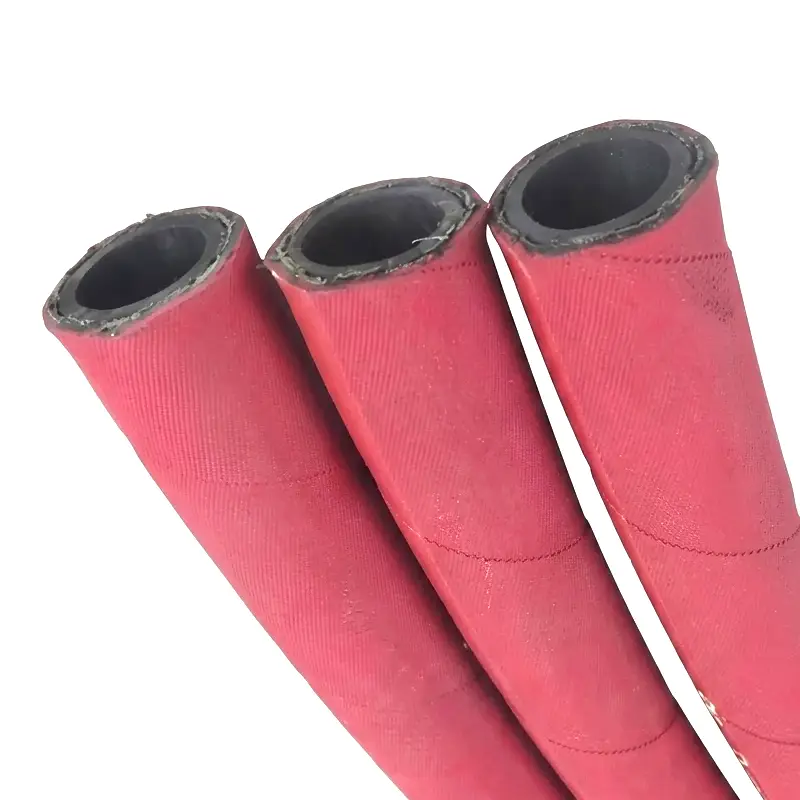
R5 high temperature hydraulic hose
- High Temperature Resistance: R5 hoses are engineered to withstand high temperatures, making them ideal for applications where heat is a concern. They maintain durability and efficiency even in extreme conditions.
- Durability and Strength: With reinforced construction, R5 hoses are designed to handle high-pressure environments. Their sturdy design ensures they can endure long-term use, even in tough industrial settings.
- Versatile Applications: These hoses are used in various industries, including manufacturing, automotive, and construction. Their ability to perform under high heat makes them perfect for hydraulic systems, machinery, and more.
- Abrasion and Wear Resistance: The R5 hose’s outer layer is resistant to abrasions, reducing wear and tear over time. This ensures longer hose life, reducing the need for frequent replacements.
- Safety and Reliability: Built to meet strict safety standards, R5 hoses provide reliable operation under high-pressure and temperature conditions. This minimizes the risk of failure, ensuring continuous, safe performance in critical systems.
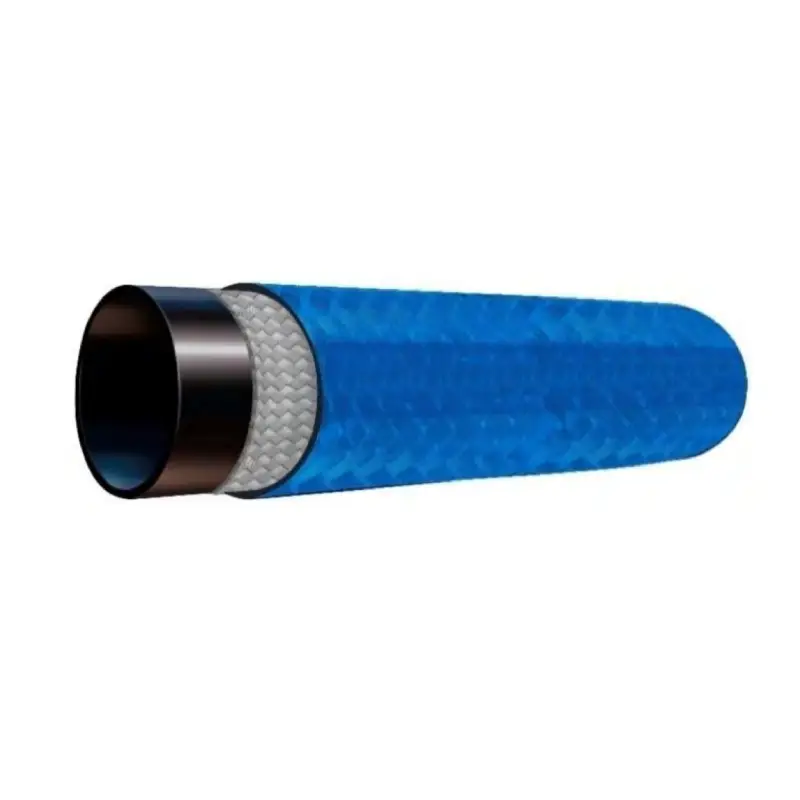
Customize Your High Temperature Hydraulic Hose
Hose Material
We choose the most suitable material based on your application’s temperature and pressure needs. Whether it’s a synthetic rubber or thermoplastic, our materials are designed to withstand high heat and maintain flexibility, ensuring long-lasting performance in demanding industrial settings while providing resistance to wear, chemicals, and weather.
Hose Length
We tailor the hose length to your specific setup. Whether you need a short, flexible hose or a longer one to reach further areas, we ensure the length is perfect for your system, minimizing waste and optimizing safety. This customization helps streamline installation and ensures operational efficiency.
Reinforcement Layers
We customize the reinforcement layers for added strength and durability. Using braided steel or textile fibers, we ensure the hose can handle high pressure and prevent kinks or damage, which is essential for maintaining reliable operation in environments where both heat and pressure are extreme.
Temperature Rating
We customize the temperature rating of the hose to match your specific high-temperature requirements. By selecting materials and construction techniques that can handle extreme heat, we ensure the hose performs reliably in environments with fluctuating or sustained high temperatures, reducing the risk of hose failure and improving safety.
All High Temperature Hydraulic Hoses
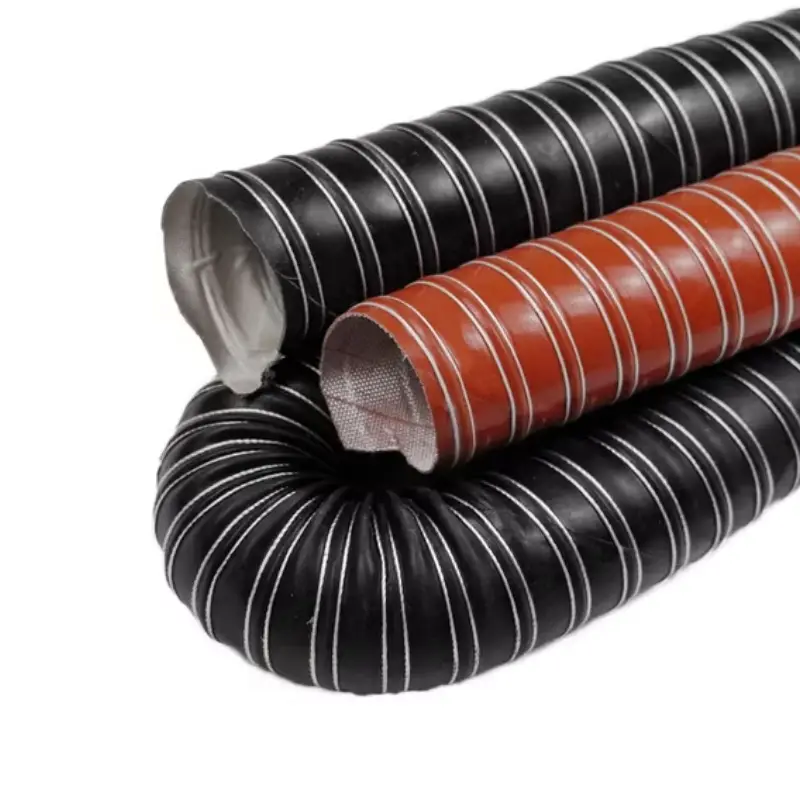
high temp rubber exhaust hose
We offer high temp rubber exhaust hose, designed to withstand extreme heat, pressure, and vibration. We craft each hose for durability, flexibility, and long-lasting performance, making it ideal for automotive, industrial, and heavy machinery applications. Our hoses ensure reliable exhaust flow, safety, and efficient operation under high-temperature conditions.
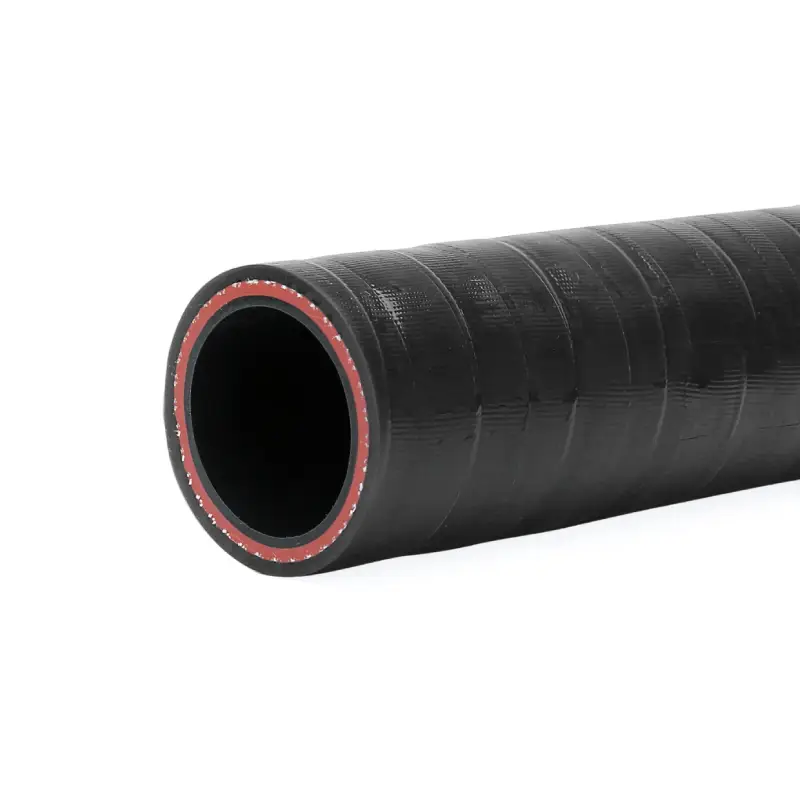
high temp reinforced silicone rubber hose
We offer high temp reinforced silicone rubber hose, crafted for exceptional heat resistance, flexibility, and durability. We design each hose to handle extreme temperatures, pressure, and demanding industrial or automotive applications. Our hoses ensure reliable performance, long service life, and efficient operation in high-temperature hydraulic and fluid transfer systems.
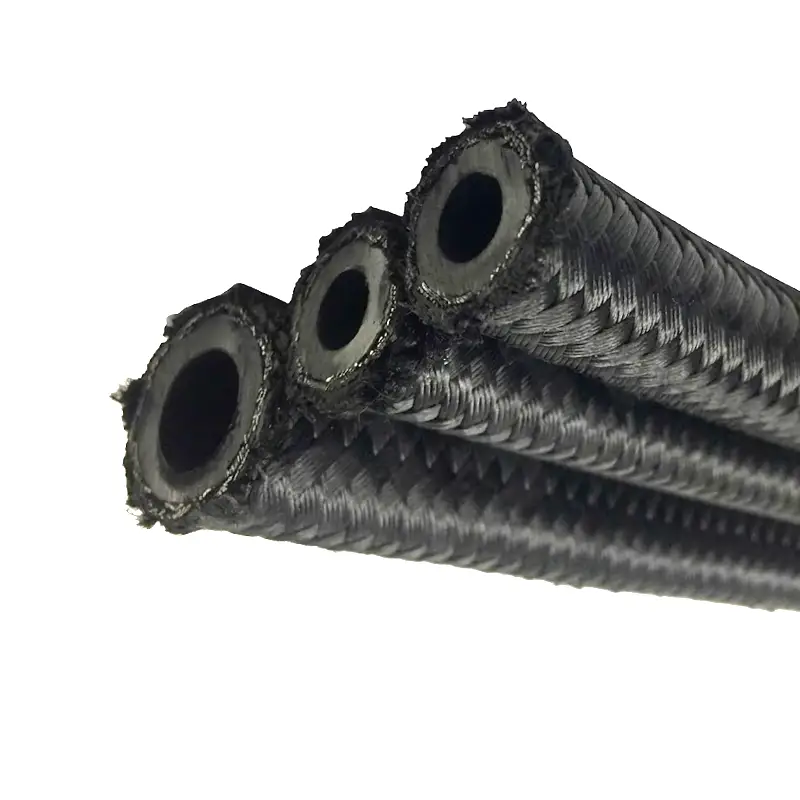
nylon braided high pressure rubber hose
We offer nylon braided high pressure rubber hose, designed for superior strength, flexibility, and durability. We manufacture each hose to withstand high pressure, abrasion, and heat, ensuring reliable performance in industrial, automotive, and hydraulic applications. Our hoses provide long-lasting service, easy handling, and efficient operation under demanding conditions.
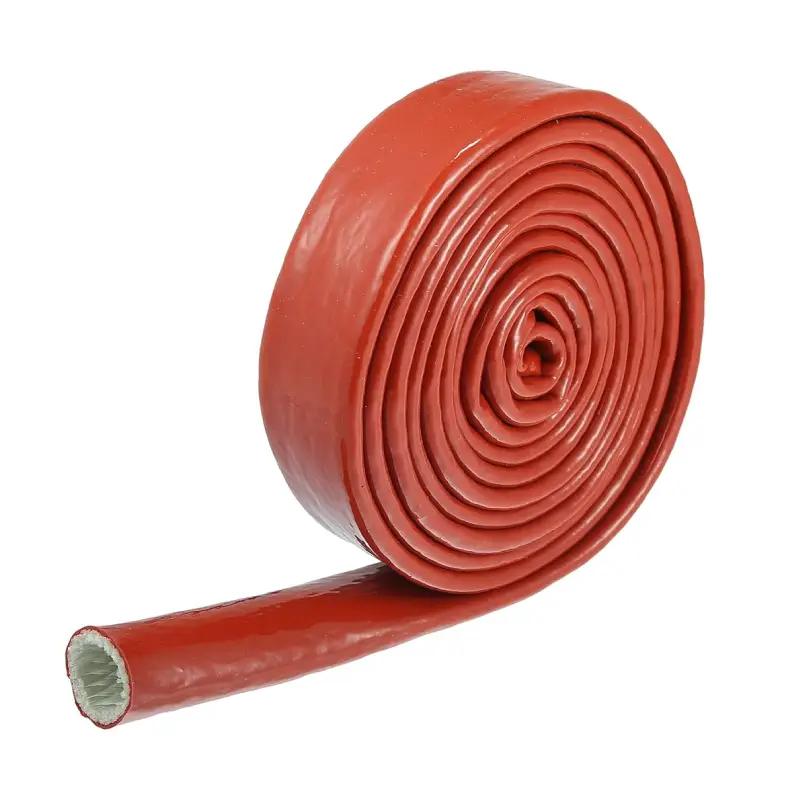
high pressure fire sleeve hose
We offer high pressure fire sleeve hose, designed to provide superior protection and durability in extreme conditions. We manufacture each hose to resist heat, abrasion, and pressure, ensuring reliable performance for firefighting, industrial, and safety applications. Our hoses deliver long-lasting service and enhanced safety during critical operations.
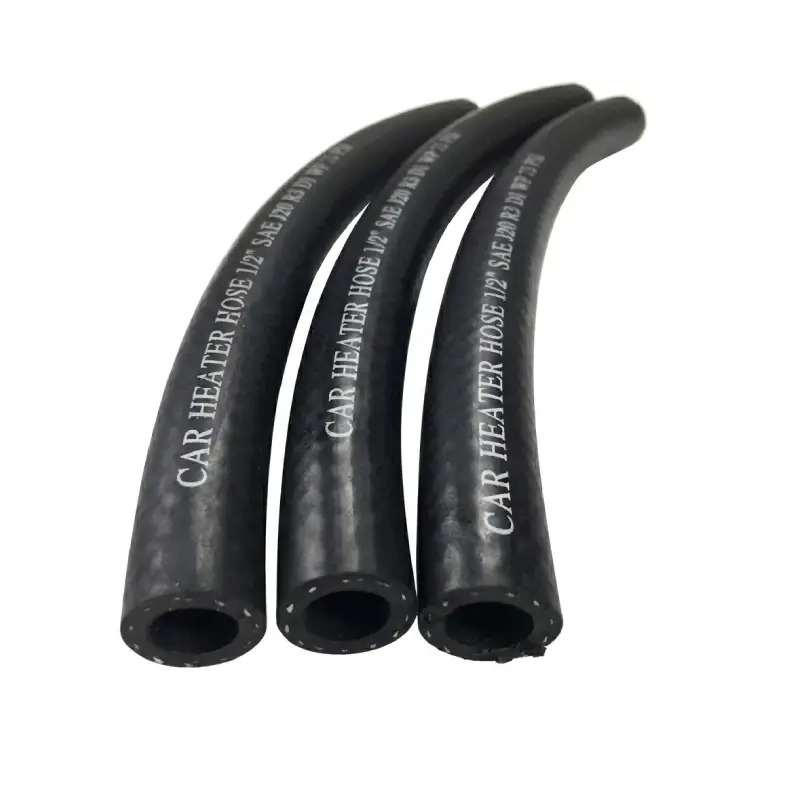
high pressure heater rubber hose
We offer high pressure heater rubber hose, designed to handle extreme heat and high pressure safely. We manufacture each hose from durable materials, ensuring flexibility, abrasion resistance, and long-lasting performance. Our hoses provide reliable operation for industrial, automotive, and hydraulic heating applications, maintaining efficiency and safety under demanding conditions.
What is a high temperature rubber hose?
A high temperature rubber hose is a flexible tube designed to handle hot fluids, gases, or air in demanding environments.
Made from heat-resistant materials, it withstands extreme temperatures, pressure, and abrasion. Widely used in industrial, automotive, and hydraulic systems, these hoses ensure safe, reliable performance, long service life, and consistent operation under high-heat conditions.
What is temperature range for hydraulic hose?
Hydraulic hoses are designed to operate efficiently across a wide temperature range. Proper selection ensures hoses maintain flexibility, strength, and performance under varying heat or cold conditions.
Exceeding the recommended range can lead to premature wear, leaks, or failures, reducing hose lifespan and system reliability.
- Cold Temperature Performance: Hydraulic hoses can remain flexible and operational in low temperatures, typically down to -40°C. We design hoses to resist brittleness, cracking, and material stiffening, ensuring smooth fluid flow and safe operation even in extreme cold environments.
- High Temperature Performance: Most hydraulic hoses withstand temperatures up to +120°C, with specialized hoses handling up to +150°C or more. We select materials that resist softening, degradation, and pressure loss at elevated temperatures to maintain efficiency.
- Intermittent Temperature Tolerance: Hoses often encounter short-term temperature spikes beyond their normal range. We engineer hoses to tolerate these conditions without failure, providing reliability for fluctuating operational environments while preventing damage from occasional heat surges.
- Environmental Considerations: Factors like sunlight, ozone, or chemical exposure can affect temperature performance. We incorporate protective layers and additives to ensure hoses maintain their rated temperature range and durability over time.
| Hose Type | Minimum Temp (°C) | Maximum Temp (°C) |
|---|---|---|
| Standard Hydraulic Hose | -40 | 100 |
| High Temperature Hydraulic Hose | -40 | 120 |
| Specialty Heat-Resistant Hose | -40 | 150+ |
Where to use high temperature hydraulic hoses?
High temperature hydraulic hoses are essential in applications where fluids or gases are exposed to extreme heat. Proper use ensures system efficiency, safety, and durability. These hoses provide reliable performance in demanding industrial, automotive, construction, and hydraulic systems, maintaining operation under high temperatures and preventing failures.
- Industrial Machinery: We use high temperature hydraulic hoses in presses, injection molding machines, and other industrial equipment. They safely transfer hot fluids, resist thermal degradation, and maintain consistent system performance under demanding operational conditions.
- Automotive Systems: High temperature hoses handle engine oil, coolant, and hydraulic fluids in vehicles. We ensure they withstand heat, pressure, and vibration, maintaining safety and efficiency across automotive applications.
- Construction Equipment: We supply hoses for excavators, loaders, and cranes where hydraulic fluids reach elevated temperatures. These hoses resist heat and abrasion, providing reliable performance on construction sites.
- Agricultural Machinery: Our hoses manage hot hydraulic fluids in tractors, harvesters, and irrigation systems. Designed for rugged outdoor use, they maintain flexibility and durability under continuous operation and high temperatures.
- Marine Applications: We provide hoses for hydraulic systems in boats and offshore equipment. They resist heat, pressure, and environmental factors, ensuring safe, reliable fluid transfer in marine operations.
- Energy and Oil Industry: High temperature hoses are used in refineries, pumps, and extraction equipment. We ensure they handle heated fluids safely, resist wear, and deliver long-lasting performance in challenging energy sector environments.
how to know hydraulic hose temperature rating?
Understanding a hydraulic hose’s temperature rating is crucial for safe and efficient operation. Using hoses outside their rated temperature range can lead to leaks, material degradation, or system failure.
By checking rubber hose manufacturer specifications, material composition, and environmental conditions, you can select hoses that perform reliably under both high and low temperatures.
- Check Hydraulic Hose Factory Specifications: We recommend reviewing the hose datasheet or label, which indicates the minimum and maximum operating temperatures. This ensures compatibility with your system’s requirements, preventing failures caused by overheating or cold-induced brittleness.
- Identify Hose Material: Different hose materials, such as rubber, PVC, or thermoplastics, have distinct temperature tolerances. We select hoses based on material properties to ensure they maintain flexibility and strength within your operational temperature range.
- Consider Fluid Type: Hydraulic fluids can affect hose temperature limits. We evaluate the fluid’s characteristics, including heat sensitivity and chemical composition, to ensure the hose material resists degradation while maintaining safe operation.
- Account for Environmental Conditions: Ambient temperature, sunlight exposure, and surrounding equipment heat influence hose performance. We factor in these conditions when choosing hoses, ensuring they operate safely without softening, cracking, or losing pressure tolerance.
- Review Intermittent Temperature Spikes: Systems may experience short-term temperature surges. We recommend hoses rated for intermittent extremes to prevent damage, maintain consistent performance, and extend service life under fluctuating operating conditions.
Quote High Temperature Hydraulic Hose Wholesale
Request a quote for high temp hydraulic hoses from us and secure durable, heat-resistant solutions for demanding applications. We provide hoses engineered to withstand extreme temperatures, pressure, and abrasion, ensuring reliable performance in industrial, automotive, construction, and hydraulic systems. Bulk supply options deliver cost-effective, long-lasting solutions for all your high-temperature needs.