Rubber hose insulation plays a crucial role in protecting hoses from extreme temperatures, wear, and environmental damage. Maintaining consistent temperature and preventing condensation, it ensures that hoses function efficiently and last longer. Proper insulation also enhances safety by reducing the risk of burns or leaks in industrial and automotive applications.
Beyond protection, insulated rubber hoses improve overall system performance. They help maintain hydraulic fluid integrity, reduce energy loss, and prevent costly downtime due to hose failure. Choosing the right insulation material and thickness ensures optimal efficiency for your equipment, making it a smart investment for both commercial and industrial users.
What is Rubber Hose Insulation?
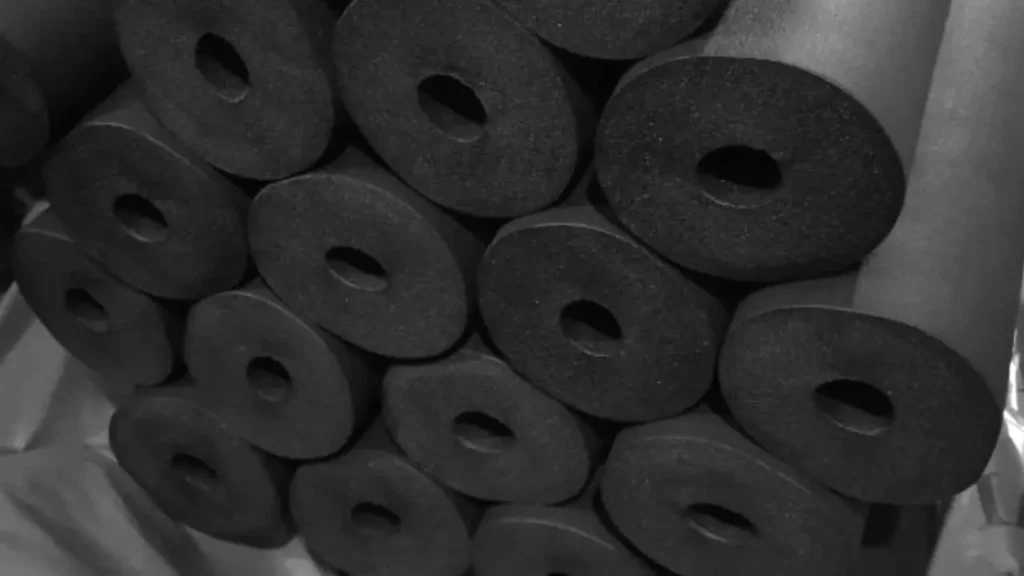
Rubber hose insulation is a protective layer applied to rubber hoses to shield them from heat, cold, moisture, and mechanical damage. It helps maintain the temperature of fluids inside the hose, prevents condensation, and reduces energy loss.
Insulation also extends the hose’s lifespan, enhances safety, and ensures consistent performance in industrial, automotive, and commercial applications. Proper insulation is essential for efficient, reliable, and long-lasting hose operation.
Why is Rubber Hose Insulation Important?
Rubber hose insulation is essential for protecting hoses from extreme temperatures, mechanical damage, and environmental hazards. It ensures efficient fluid flow, prevents leaks, and extends the lifespan of hoses. Proper insulation also improves safety and system performance, making it a vital component in industrial, automotive, and commercial applications.
- Temperature Protection: Insulation shields hoses from excessive heat or cold, maintaining consistent fluid temperatures. This prevents fluid degradation, hose deformation, and system malfunctions. Temperature protection also reduces energy loss, ensures reliable operation, and prolongs hose life, making it a critical factor in high-performance applications.
- Preventing Condensation and Corrosion: Insulated hoses minimize condensation on the outer surface, which can lead to rust, corrosion, or mold growth. By keeping the hose dry and protected, insulation prevents damage to both the hose and surrounding equipment, ensuring long-term reliability and safety in all conditions.
- Enhanced Safety: Insulation reduces the risk of burns or injuries from hot hoses and prevents leaks that could cause hazardous spills. Properly insulated hoses protect workers and equipment, providing a safer working environment while maintaining system efficiency and minimizing the chance of accidents.
- Improved System Efficiency: By maintaining fluid temperature and preventing energy loss, insulated hoses ensure smooth and consistent operation. This efficiency reduces strain on pumps and other components, lowers maintenance costs, and enhances overall performance, making insulation a key factor in long-term system reliability.
Rubber Hose Insulation R Value
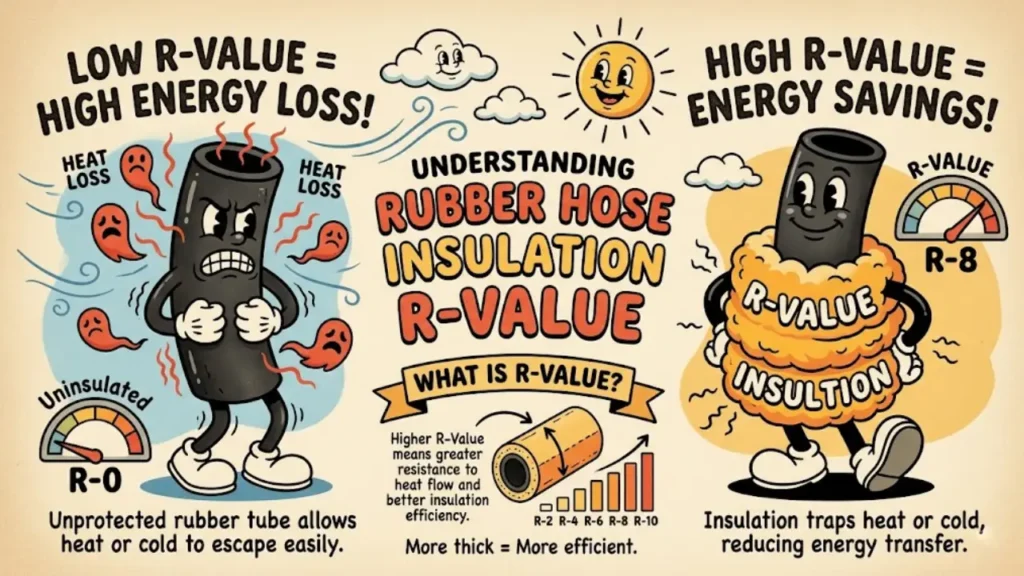
The R value measures the thermal resistance of rubber hose insulation, indicating how well it prevents heat transfer. A higher R value means better insulation, keeping fluids at stable temperatures and reducing energy loss. Understanding R values helps choose the right insulation for industrial, automotive, and commercial applications.
- High Thermal Resistance: Insulation with a high R value effectively slows heat transfer, keeping fluids hotter or cooler for longer. This ensures optimal system performance, reduces energy consumption, and prevents fluid degradation, making it essential for temperature-sensitive applications.
- Energy Efficiency: Properly rated insulation minimizes heat loss, reducing the workload on pumps and heating or cooling systems. This improves energy efficiency, lowers operational costs, and enhances the longevity of both hoses and connected equipment, providing long-term savings.
- Material Selection: Different insulation materials have varying R values. Choosing the right material ensures adequate thermal protection for specific environments, preventing overheating or freezing. Selecting the proper R value also ensures the system operates safely and consistently under all conditions.
- System Performance and Safety: High R value insulation maintains stable fluid temperatures, preventing pressure fluctuations and potential system failures. It also reduces the risk of burns or damage from exposed hot surfaces, ensuring both reliable performance and workplace safety.
How to Inspect Rubber Hose Insulation?
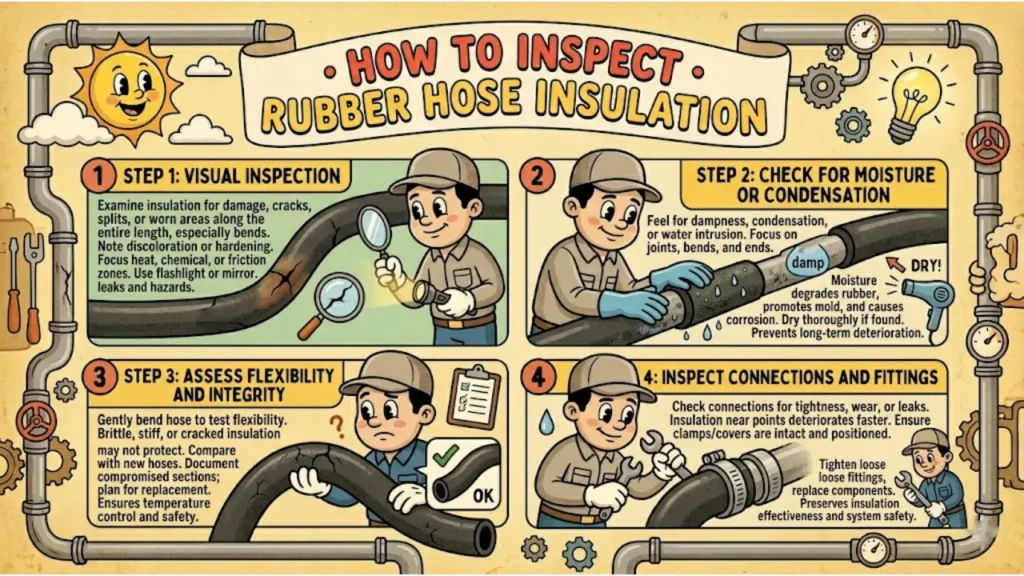
Inspecting rubber hose insulation is crucial to ensure hoses remain protected from temperature extremes, wear, and environmental damage. Regular checks help detect cracks, moisture, or deterioration early, preventing leaks and system failures. Following a systematic inspection process guarantees that your hoses maintain efficiency, safety, and long-lasting performance in industrial, automotive, and commercial applications.
Tools Needed
- Flashlight
- Screwdrivers or hose removal tools
- Gloves and safety goggles
- Rags or shop towels
- Inspection mirror (optional)
- Moisture meter (optional)
Step 1: Visual Inspection
Examine the hose insulation for visible signs of damage, such as cracks, splits, or worn areas. Look along the entire length of the hose, including bends and connection points, as these areas are more prone to wear. Note any sections that appear discolored or hardened.
Pay close attention to areas exposed to heat, chemicals, or friction. Use a flashlight or inspection mirror to view hard-to-reach sections. Early detection of damage allows timely repair or replacement, preventing leaks, energy loss, or potential safety hazards in the system.
Step 2: Check for Moisture or Condensation
Feel along the hose insulation to detect any dampness, condensation, or water intrusion. Moisture can degrade the rubber, promote mold growth, and cause corrosion of fittings. Focus on joints, bends, and ends where water is more likely to accumulate.
If moisture is detected, dry the hose thoroughly and inspect for hidden damage beneath the insulation. Regular moisture checks prevent long-term deterioration and maintain proper thermal performance. Addressing wet areas early extends the hose’s life and ensures reliable operation.
Step 3: Assess Flexibility and Integrity
Gently bend or move the hose to test its flexibility. Insulation that feels brittle, stiff, or cracked may no longer provide adequate protection. Compare suspect sections with newer, undamaged hoses to identify compromised areas.
Document any sections showing reduced flexibility and plan for replacement if necessary. Maintaining the integrity of hose insulation ensures consistent fluid temperature, prevents leaks, and keeps the system operating safely and efficiently under all conditions.
Step 4: Inspect Connections and Fittings
Check the hose connections and fittings for tightness, wear, or signs of leaks. Insulation near connection points can deteriorate faster due to movement and pressure changes. Ensure clamps or protective covers are intact and properly positioned.
Tighten loose fittings and replace worn components as needed. Properly maintained connections prevent fluid leaks and preserve the effectiveness of the insulation. Consistent inspection of fittings ensures the system remains safe, reliable, and efficient over time.
Why Choose Our Rubber Hoses?
Our rubber hoses are engineered for durability, flexibility, and reliable performance in a wide range of applications. Designed to withstand heat, pressure, and environmental wear, they provide long-lasting service. Choosing our hoses ensures safety, efficiency, and peace of mind for industrial, automotive, and commercial systems.
- High-Quality Materials: We use premium rubber compounds reinforced with layers that resist cracking, abrasion, and chemical exposure. This ensures hoses maintain their shape, flexibility, and strength under demanding conditions, providing long-term reliability and reducing the need for frequent replacements.
- Precision Engineering: Each hose is manufactured to exact specifications, guaranteeing a perfect fit for your equipment. Accurate dimensions and consistent quality prevent leaks, improve fluid flow, and simplify installation, ensuring smooth operation and minimizing maintenance downtime.
- Temperature and Pressure Resistance: Our hoses are designed to handle extreme temperatures and high pressures without deformation or failure. This resilience ensures consistent performance in automotive, industrial, and commercial applications, protecting your system and extending hose lifespan.
- Versatile Applications: Suitable for hydraulic, pneumatic, and fluid transfer systems, our hoses adapt to diverse industrial and automotive needs. Their robust design allows them to perform reliably in harsh environments, making them a trusted choice for multiple sectors.
- Reliable Performance: Rigorous quality control ensures each hose delivers consistent results, maintaining fluid integrity and system efficiency. Our hoses reduce the risk of leaks, downtime, and damage, providing dependable performance that businesses and technicians can trust.
Conclusion
Investing in rubber hose insulation safeguards your hoses from extreme temperatures, abrasion, and environmental hazards. Properly insulated hoses maintain reliable fluid flow and prevent system failures, ensuring smooth operation across automotive, industrial, and commercial applications. Protecting your hoses ultimately saves time and money while enhancing safety.
Choosing rubber hoses is equally important. Our Gushan Rubber hoses are designed with durability, flexibility, and superior insulation properties. They withstand harsh conditions and provide long-lasting performance, reducing the need for frequent replacements. Whether for industrial machinery or automotive systems, our hoses offer consistent reliability and efficiency.
For wholesale needs, Gushan Rubber provides a wide range of rubber hoses with insulation options to meet diverse applications. Partnering with us ensures competitive pricing, quality assurance, and fast delivery. Enhance your system’s performance and longevity with our trusted hoses, tailored for businesses seeking dependable solutions.