Installing hydraulic hose wrap is a crucial step in extending the lifespan of your hoses and protecting them from damage. Whether you are working in construction, agriculture, or heavy machinery, hose wraps provide essential protection against abrasion, UV exposure, and environmental hazards, ensuring your hydraulic system operates smoothly.
The installation process is relatively simple, but proper application ensures optimal performance and longevity. In this blog, we will guide you through the steps required to install hydraulic hose wraps, ensuring your hoses are protected and maintain their efficiency even in the most demanding conditions.
What are Hydraulic Hose Wraps?
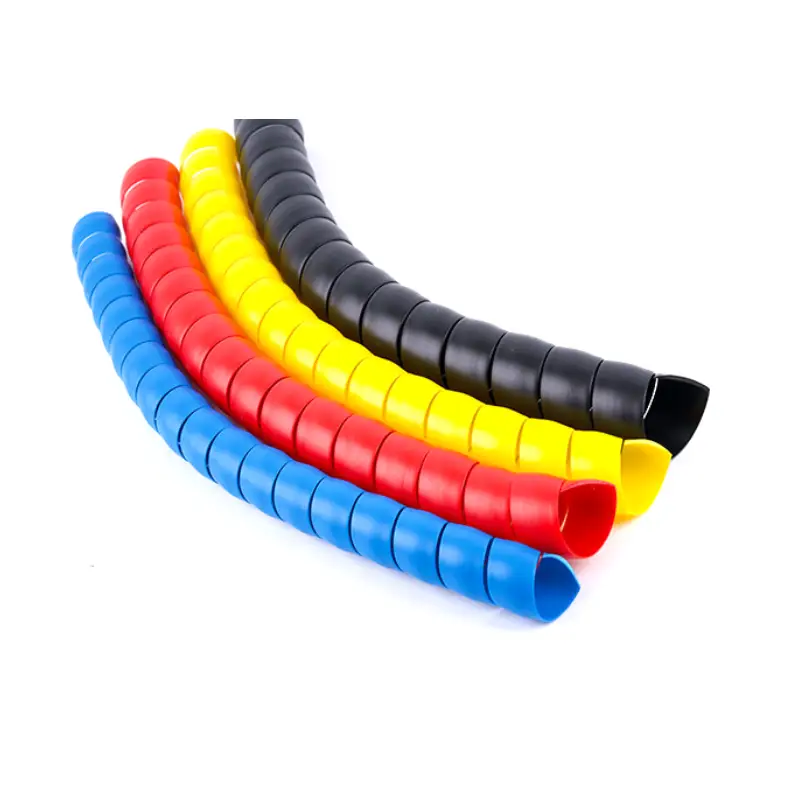
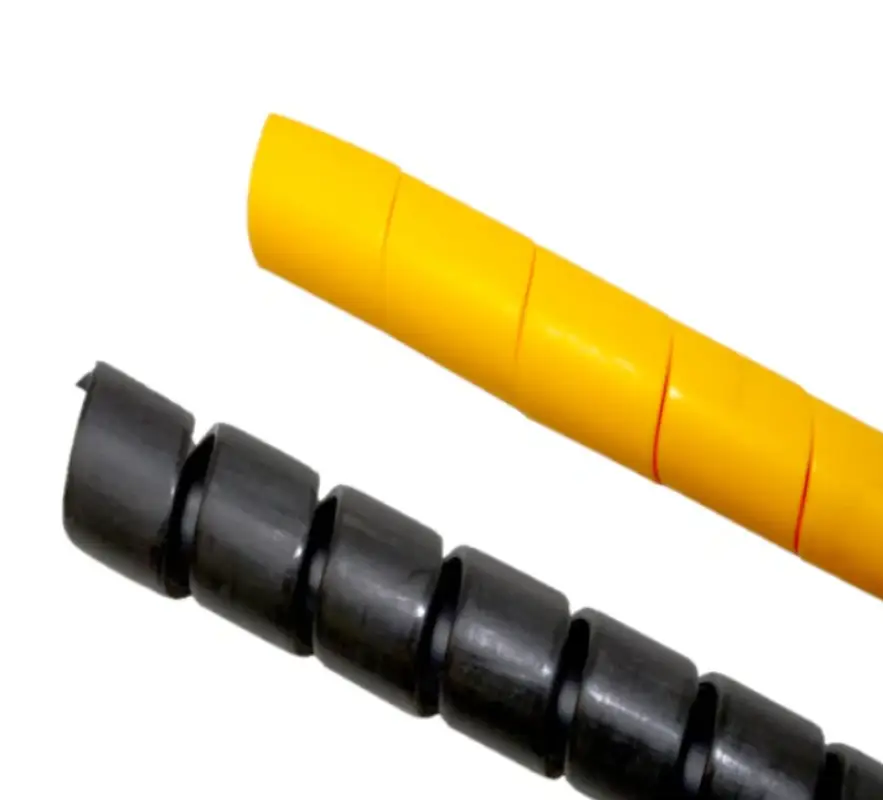
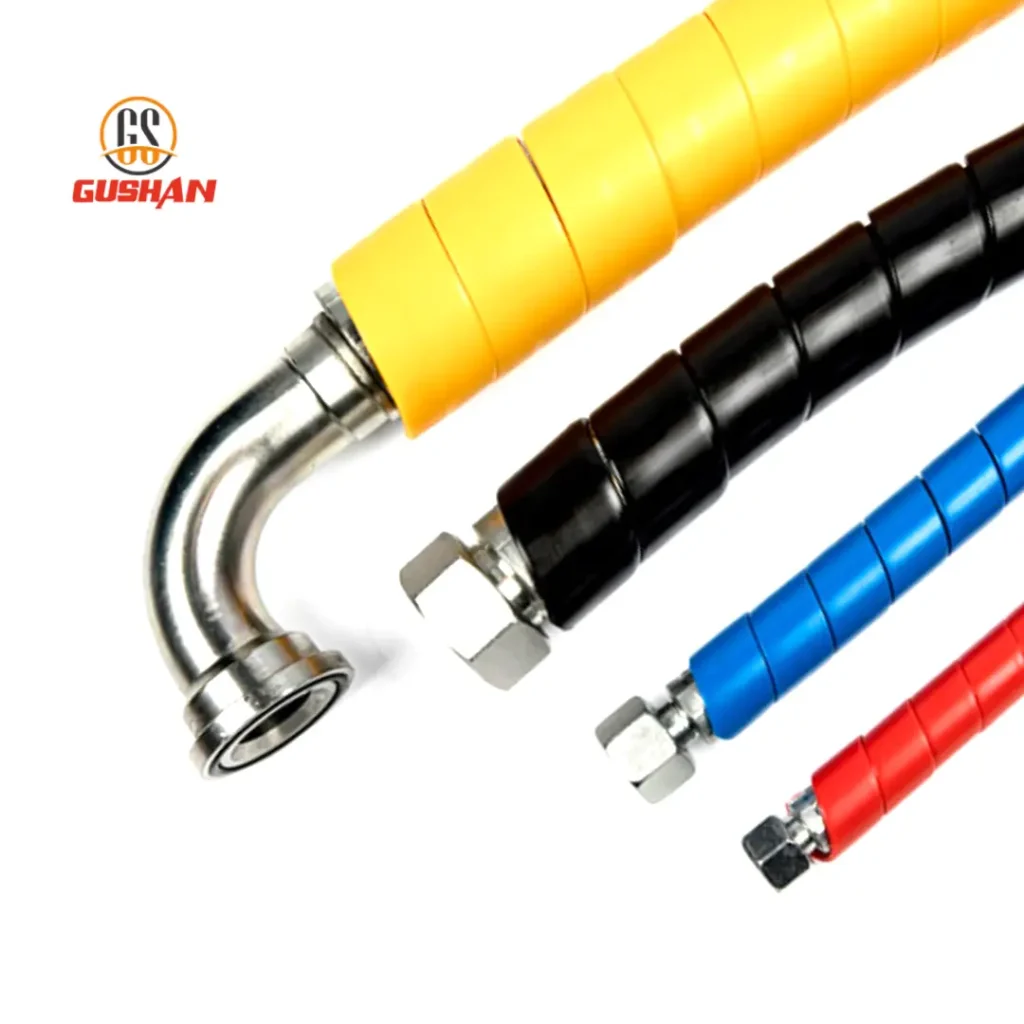
Hydraulic hose wraps are protective covers designed to shield hydraulic hoses from damage caused by abrasion, UV exposure, and other environmental factors. They are typically made from durable materials like nylon or polyester, offering an additional layer of defense to increase the lifespan of hoses in demanding conditions.
- Abrasion Protection: Hose wraps provide a protective barrier against abrasions, preventing wear and tear from friction, reducing frequent replacements and maintaining hose integrity over time.
- UV Protection: These wraps protect hoses from harmful UV rays that degrade rubber and plastic materials, blocking UV radiation to extend hose life and retain flexibility even in prolonged sun exposure.
- Chemical Resistance: Hydraulic hose wraps offer protection against chemical exposure, reducing the risk of degradation from chemical spills or fumes, ensuring hose strength and functionality in hazardous environments.
- Temperature Regulation: The wraps insulate hoses from extreme temperatures, both hot and cold, maintaining optimal flexibility and reducing hose failure caused by temperature fluctuations.
- Safety Enhancement: Hose wraps contribute to safety by reducing the risk of hose rupture or leakage from external factors, ensuring a secure hydraulic system and preventing accidents, especially in high-pressure applications.
How to Install Hydraulic Hose Wrap?
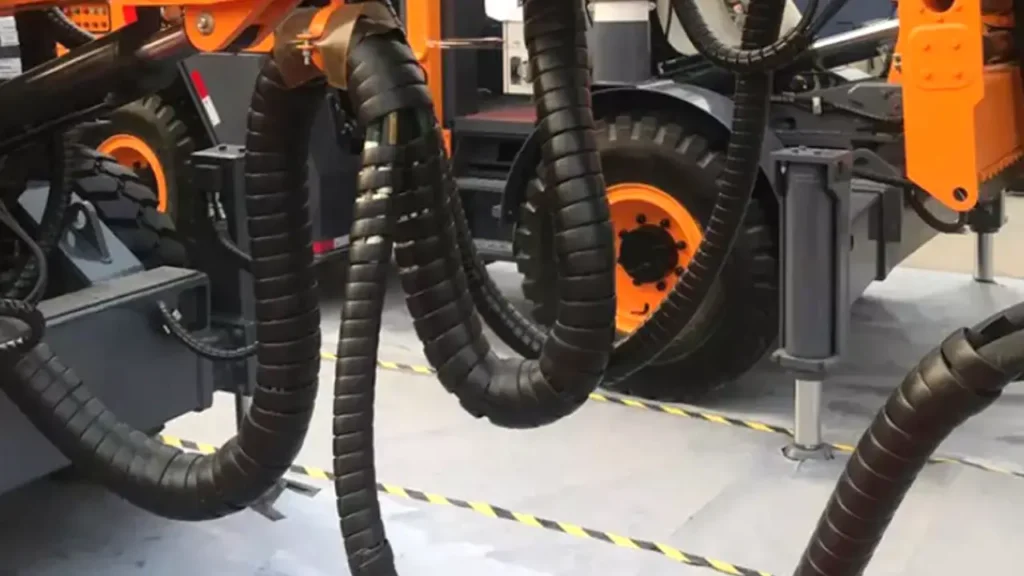
Installing hydraulic hose wraps is a straightforward process that can significantly extend the lifespan of your hydraulic hoses. Proper installation ensures that your hoses remain protected from wear, abrasion, UV damage, and other environmental hazards.
Follow these five steps to ensure the effective installation of hydraulic hose wraps.
Tools Needed
- Hydraulic hose wrap
- Scissors or utility knife
- Measuring tape
- Hose clamps (optional)
- Protective gloves
Step 1: Measure the Hydraulic Hose
Start by measuring the length of the hydraulic hose that needs protection. Use a measuring tape to determine the exact length of the hose, leaving a little extra to ensure the wrap covers both ends of the hose securely. Proper measurement ensures that you don’t end up with too much or too little material.
After measuring, cut the hydraulic hose wrap to the appropriate length using scissors or a utility knife. Always leave extra length for overlap at the ends, providing better coverage where the hose connects to fittings, which are typically vulnerable to damage.
Step 2: Clean the Hydraulic Hose
Before installing the hose wrap, clean the hydraulic hose thoroughly. Remove dirt, debris, or grease from the surface to ensure proper adhesion and prevent contaminants from being trapped under the wrap. Cleaning helps the hose wrap stay in place and prevents buildup that could damage the hose or cause wear.
A clean surface also allows the hose wrap to sit smoothly and snugly around the hose, providing better protection and reducing the risk of the wrap slipping off during use. Use a damp cloth or mild cleaning solution to wipe down the hose and let it dry before proceeding.
Step 3: Position the Hose Wrap
Place the hose wrap around the hydraulic hose, starting at one end. Align the wrap so that it covers the entire length of the hose, with the wrap overlapping slightly at both ends to ensure maximum coverage and protection. Smooth the wrap to avoid air pockets, ensuring an even fit.
Make sure that the hose wrap is centered and covers all vulnerable areas of the hose. If your hydraulic hose has fittings or connectors, ensure the wrap overlaps these sections to prevent exposure to damage.
Step 4: Secure the Hose Wrap
Once the hydraulic hose wrap is properly positioned, secure it by either using hydraulic hose clamps or by folding and securing the wrap with tape. If using hose clamps, tighten them around the ends of the wrap to prevent slipping. Clamps ensure the wrap stays securely in place, even during high-pressure applications.
Make sure the wrap is tight and does not move easily along the hose. The better the wrap stays in place, the more effective it will be at protecting the hose from damage. Check for any loose areas and readjust if needed.
Step 5: Inspect and Test the Installation
After securing the hydraulic hose wrap, inspect the hydraulic hose guard installation for any loose spots or irregularities. Ensure the wrap covers the entire hose and is tightly secured at both ends. Test the hose under normal operating conditions to ensure that the wrap remains in place and does not shift or loosen during use.
Make any necessary adjustments to ensure the wrap is performing effectively. Regularly inspect the hose wrap as part of routine maintenance to ensure continued protection of your hydraulic hoses, especially after extended use or exposure to harsh conditions.
Hydraulic Hose Installation Tips
Proper hydraulic hose installation is essential for ensuring the efficiency, safety, and longevity of hydraulic systems. By following best practices, you can prevent issues like leaks, abrasion, or premature hose failure.
Here are some valuable tips to guide you in installing hydraulic hoses correctly and ensuring optimal performance.
- Choose the Right Hydraulic Hose: Select hoses that are compatible with the operating conditions of your system, including pressure, temperature, and chemical exposure. Ensuring compatibility with your system’s specific requirements reduces the likelihood of failure, ensuring long-term durability and reliable performance, especially in harsh environments like construction or manufacturing.
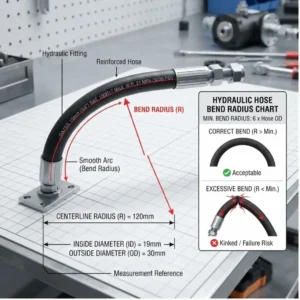
- Proper Hose Routing: Install hoses with a clear and smooth path, avoiding sharp bends and twists that can strain the hose material. Improper routing can lead to hose kinks, restricting fluid flow and causing unnecessary wear, so maintaining gentle curves and securing hoses helps minimize abrasion while ensuring smooth, efficient fluid flow.
- Use Correct Fittings: Always use compatible fittings that match the hose size and type. Mismatched fittings can lead to leaks or weak connections, so ensuring the fittings are tightly secured to manufacturer specifications guarantees a leak-free connection and ensures optimal system performance under pressure.
- Avoid Over-tightening: Tighten connections to the manufacturer’s recommended torque values to avoid damaging the hose or fittings. Over-tightening can deform hoses or fittings, causing leaks or failures, so using a torque wrench ensures a secure connection without damaging the components or compromising the integrity of the hose.
- Inspect After Installation: Always conduct a thorough inspection of the hose and fittings after installation, checking for leaks or any signs of wear. Regular inspections help identify potential issues early, preventing costly repairs or downtime by ensuring that all connections are secure and the system remains leak-free.
Why Use Hydraulic Hose Wraps?
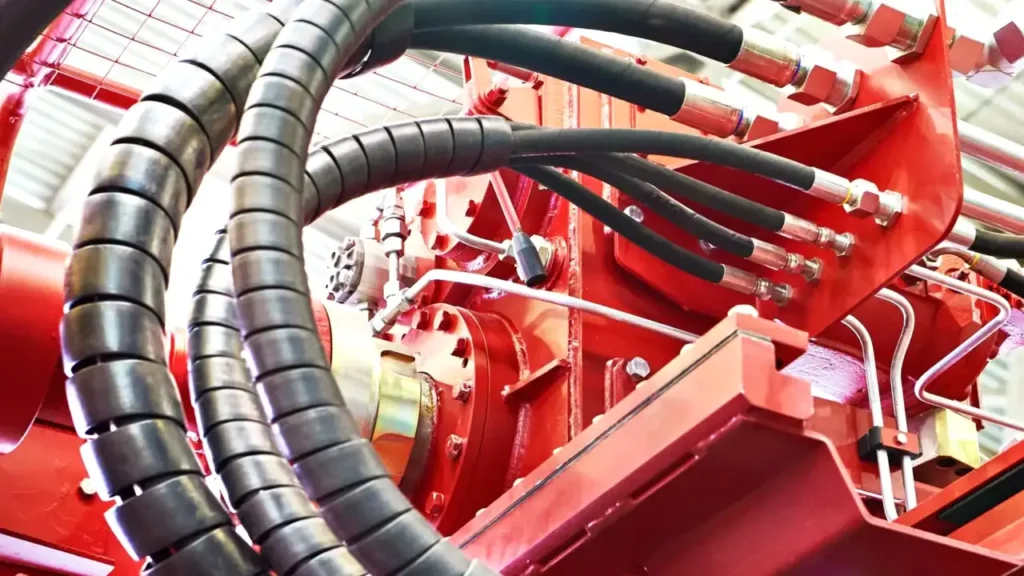
Hydraulic hose wraps are essential for protecting hydraulic hoses from damage caused by abrasion, UV exposure, and environmental factors. These wraps are made from durable materials and are designed to increase the lifespan of hoses, ensuring smoother operation and reducing the risk of costly repairs or downtime.
- Abrasion Protection: Hose wraps protect against physical wear and tear, ensuring hoses remain intact even when exposed to rough surfaces. Abrasion from contact with equipment, machinery, or rough surfaces can cause significant damage over time. By using hose wraps, you protect the hose’s exterior, preventing early wear and extending its operational lifespan, ultimately reducing maintenance costs.
- UV Protection: These wraps shield hoses from harmful ultraviolet rays, which can cause hoses to degrade and crack. UV rays can weaken rubber and plastic hoses, leading to cracking and brittleness. Hose wraps act as a protective barrier, blocking UV exposure and preserving the hose’s flexibility and strength, thus prolonging the hose’s useful life and reducing the need for replacements.
- Chemical Resistance: Hydraulic hose wraps offer protection against harmful chemicals that could damage the hose material. In environments where hoses are exposed to chemicals, hydraulic hose wraps act as a protective layer, preventing corrosion or degradation from chemical spills. This ensures that the hoses retain their performance even in harsh, industrial environments, minimizing the risks associated with chemical exposure.
- Temperature Insulation: Hose wraps help regulate temperature, preventing hoses from becoming too hot or cold in extreme conditions. Extreme temperatures can cause hoses to stiffen, crack, or lose flexibility, affecting their performance. By insulating hydraulic hoses, hose wraps help to maintain an optimal operating temperature, ensuring that the hoses perform effectively, even in high-heat or freezing conditions.
- Safety Enhancement: By preventing hose damage, wraps also contribute to the overall safety of hydraulic systems. Damaged hoses are a safety risk, especially in high-pressure applications, where ruptures can cause dangerous leaks or system failures. Hose wraps help prevent such damage, thereby increasing the safety of your hydraulic system and reducing the likelihood of costly accidents or operational downtime.
Conclusion
Installing hydraulic hose wraps is an effective way to safeguard your hoses from wear and tear, extending their operational life and reducing maintenance costs. By following the right steps, you can ensure that your hydraulic system remains reliable and efficient for longer periods.
Hydraulic hose wraps protect against abrasions, environmental damage, and UV exposure, all of which can compromise your system’s performance. Proper installation ensures your hoses stay in top condition, helping you avoid costly repairs or replacements.
For reliable, custom hydraulic hose wraps, Gushan Rubber offers high-quality, wholesale options tailored to your specific needs. Contact us today to quote and get durable, custom wraps for your hydraulic hoses.