Hydraulic hose swelling is a common yet often overlooked issue in fluid power systems. When a hose begins to expand, soften, or deform, it signals internal stress that can quickly lead to leaks or sudden failure. Understanding the root causes helps operators prevent costly downtime and maintain stable equipment performance.
Swelling typically results from chemical incompatibility, excessive pressure, high temperatures, or internal tube damage. If ignored, it can weaken reinforcement layers and compromise system safety. In this article, we explore the main causes of hydraulic hose swelling and provide practical steps to prevent premature hose deterioration in demanding applications.
What is Hydraulic Hose Swelling?
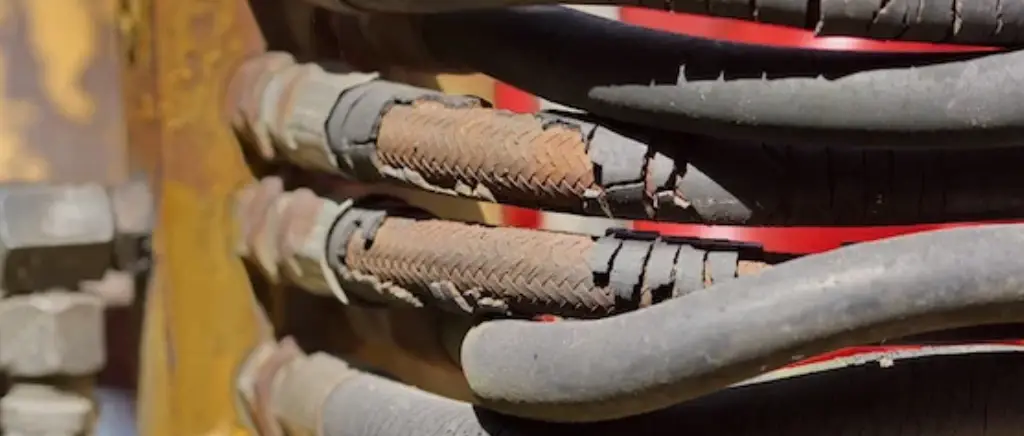
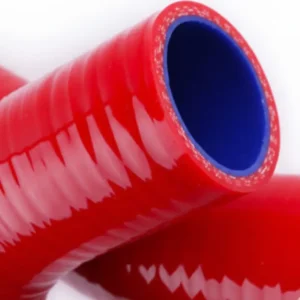
Hydraulic hose swelling is a condition where the hose expands, softens, or becomes visibly enlarged due to internal or external stress. This usually happens when the inner tube reacts with incompatible hydraulic fluid, excessive heat, or sustained high pressure. Over time, the hose material loses its original structure and dimensional stability.
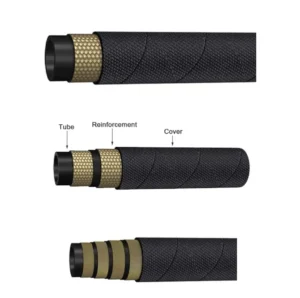
When swelling occurs, the hose reinforcement layer can weaken, reducing pressure resistance and increasing the risk of leaks or sudden rupture. Swelling may appear as uniform enlargement, localized bulging, or a soft, spongy texture. It is often an early warning sign that the hose material or operating conditions are not properly matched.
What Causes Hydraulic Hose Swelling?
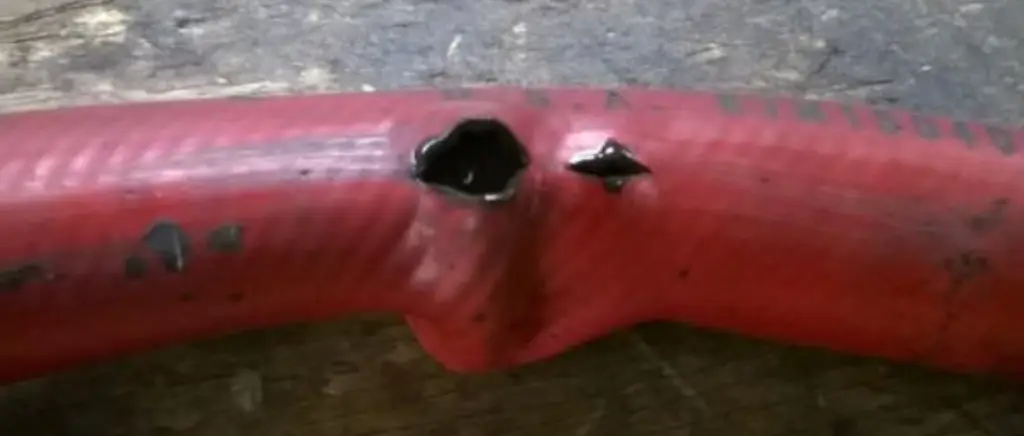
Hydraulic hose swelling usually develops when internal materials react negatively to operating conditions. Factors such as fluid incompatibility, excessive temperature, pressure spikes, and environmental exposure gradually weaken the hose structure. Identifying the exact cause is essential to prevent repeated failures, extend service life, and maintain safe, stable hydraulic system performance.
- Fluid Incompatibility – When the hydraulic fluid is not chemically compatible with the hose’s inner tube material, it can cause absorption, softening, and expansion. Over time, the tube loses its original strength and elasticity. This chemical reaction weakens the bond between layers, leading to visible swelling and reduced pressure resistance.
- Excessive Temperature – High operating temperatures accelerate material degradation inside the hose. Continuous heat exposure can soften the inner tube and break down reinforcement bonding. As materials lose structural integrity, they expand and deform more easily. Temperature-related swelling often shortens hose lifespan significantly in demanding industrial environments.
- Pressure Spikes or Overpressure – Hydraulic systems that frequently exceed recommended working pressure place excessive stress on hose reinforcement layers. Sudden pressure spikes can stretch internal materials beyond their design limits. Repeated stress cycles weaken structural strength, eventually causing bulging, localized swelling, or even catastrophic hose failure.
- Aging and Material Degradation – Over time, rubber compounds naturally age due to oxidation, ozone, and environmental exposure. As the hose material becomes brittle or soft, it loses its ability to maintain shape under pressure. Aging hoses are more vulnerable to swelling, even under normal operating conditions.
- External Chemical Exposure – Contact with oils, solvents, fuels, or harsh cleaning agents from the outside can damage the outer cover and eventually penetrate internal layers. Chemical attack weakens the hose construction, allowing fluid intrusion between layers and resulting in surface bubbling or overall structural swelling.
How to Prevent Hydraulic Hose Swelling?
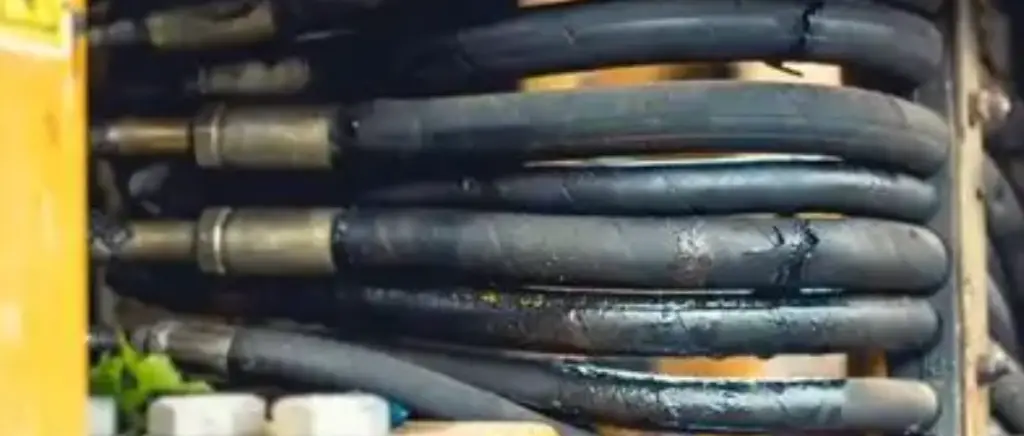
Preventing hydraulic hose swelling starts with proper selection, correct installation, and consistent system maintenance. By controlling temperature, pressure, and fluid compatibility, you can significantly reduce the risk of internal material breakdown. Proactive inspection and timely replacement ensure longer hose service life, safer operation, and improved reliability in demanding hydraulic applications.
- Choose Compatible Hose Materials – Always match the hose inner tube material with the specific hydraulic fluid used in your system. Chemical compatibility prevents fluid absorption and material softening. Reviewing manufacturer specifications and fluid composition helps avoid premature swelling caused by internal chemical reactions and long-term material degradation.
- Control Operating Temperature – Maintain system temperatures within the recommended hose limits to prevent heat-related deterioration. Installing cooling systems, shielding hoses from external heat sources, and ensuring proper ventilation reduce thermal stress. Lower and stable temperatures help preserve hose elasticity, structural strength, and long-term dimensional stability.
- Avoid Overpressure and Pressure Spikes – Select hoses with appropriate working pressure ratings and safety factors. Installing pressure relief valves and monitoring system pressure fluctuations minimize sudden stress loads. Stable pressure conditions protect reinforcement layers from overstretching, reducing the likelihood of bulging or structural weakening over time.
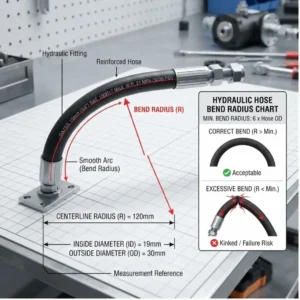
- Ensure Proper Installation Practices – Avoid tight bends, twisting, or excessive tension during installation. Incorrect routing creates concentrated stress points that accelerate wear and deformation. Using correct bend radius guidelines and secure clamping prevents mechanical strain, helping the hose maintain its designed shape and internal stability.
- Perform Regular Inspection and Maintenance – Conduct routine visual inspections to identify early signs of swelling, soft spots, or surface changes. Replace aging hoses before visible failure occurs. Scheduled maintenance reduces unexpected downtime and ensures that small issues are addressed before they escalate into costly hydraulic system damage.
Hydraulic Hose Basic Maintenance Tips
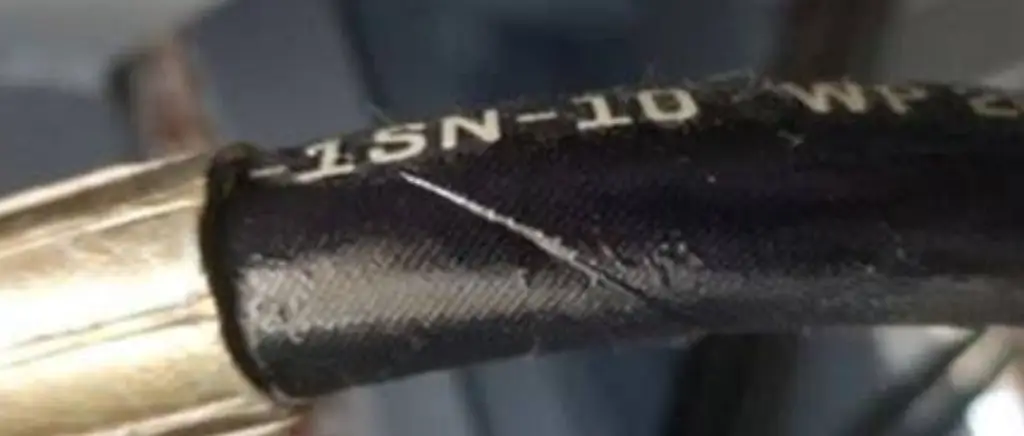
Regular maintenance of hydraulic hoses is essential to ensure system reliability, prevent leaks, and extend service life. Simple but consistent checks help identify early signs of wear, swelling, or damage before they escalate into costly failures. Following proper maintenance routines keeps hydraulic systems operating safely and efficiently in demanding industrial environments.
- Visual Inspection – Regularly examine hoses for cracks, abrasions, bulges, or leaks. Early detection of minor issues prevents catastrophic failures. Look for worn spots near fittings and along bends, as these areas experience the most stress. Frequent visual checks help maintain consistent system performance and safety.
- Check Fittings and Connections – Ensure all couplings, clamps, and fittings are tight and properly crimped. Loose or damaged connections can cause fluid leaks, pressure loss, or hose detachment. Inspecting connections during routine maintenance helps avoid unexpected shutdowns and ensures safe operation under high-pressure conditions.
- Clean Hydraulic Hoses and Surrounding Areas – Dirt, oil, and debris can accelerate hose wear and hide early damage. Keep hoses and nearby components clean to prevent abrasion, chemical attack, or contamination in the hydraulic system. Cleaning also makes inspections more effective and improves overall safety.
- Monitor System Pressure and Temperature – Regularly verify that the hydraulic system operates within recommended pressure and temperature limits. Excessive pressure or heat can accelerate hose aging and swelling. Monitoring system conditions helps identify potential issues early and ensures hoses perform optimally for their intended service life.
- Replace Aging or Damaged Hoses – Hoses have a finite lifespan and should be replaced when showing signs of wear, swelling, or internal damage. Timely replacement prevents sudden failure, protects equipment, and maintains consistent hydraulic performance. Establishing a replacement schedule improves system reliability and reduces downtime.
Conclusion
Selecting the right hose material for your hydraulic fluid and working temperature is essential to prevent chemical degradation and structural weakening. Monitoring pressure levels and avoiding system overload also play a critical role in extending hose lifespan. Proactive replacement before visible failure ensures smoother operations and minimizes unexpected downtime.
For reliable performance in demanding drilling environments, sourcing dependable equipment is equally important. Get wholesale piling drilling tools from our Sinodrills to support your projects with durable solutions and consistent supply. We are committed to providing dependable drilling tools that help improve efficiency, reduce maintenance issues, and enhance overall project productivity.