DIN Standard hydraulic hoses are widely recognized in Europe for their reliability, safety, and performance. They ensure consistent quality across industrial applications and are designed to handle high pressure and demanding environments. Comparing DIN hoses with other standards like EN and SAE helps engineers choose the right solution for their systems.
Understanding the differences between DIN, EN, and SAE hoses is essential for proper hydraulic system performance. Each standard follows unique design and testing protocols, influencing durability, pressure ratings, and compatibility. This comparison explores these aspects, providing a clear perspective for buyers and engineers to make informed hose selections.
What Is DIN Standard?
What does DIN mean in hydraulics?
The DIN Standard is a set of technical norms developed by the German Institute for Standardization (Deutsches Institut für Normung). It ensures consistent quality, safety, and performance across products, including hydraulic hoses.
DIN standards specify dimensions, materials, pressure ratings, and testing procedures, helping engineers and manufacturers maintain reliability, compatibility, and efficiency in industrial and hydraulic applications worldwide.
Hydraulic Hose DIN Standard Requirements
Recommended DIN Hydraulic Hoses
-
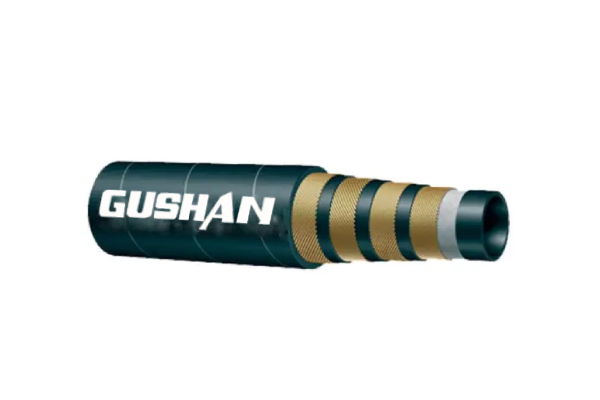
DIN EN856 4SH
-
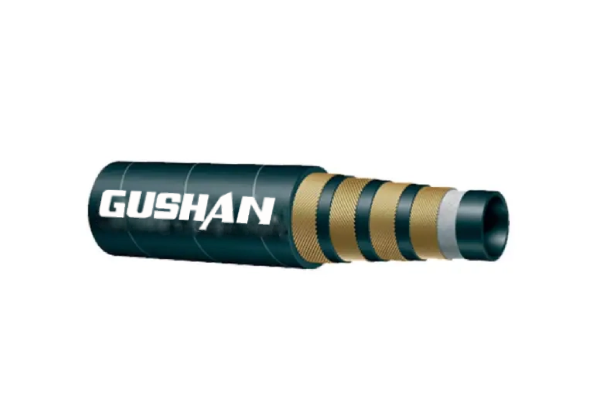
DIN EN856 4SP
-
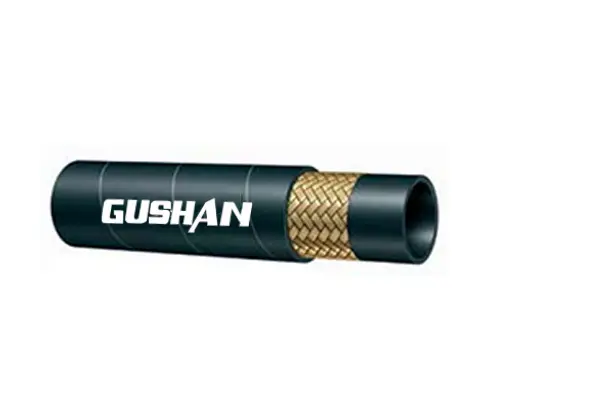
DIN EN857 1SC
-
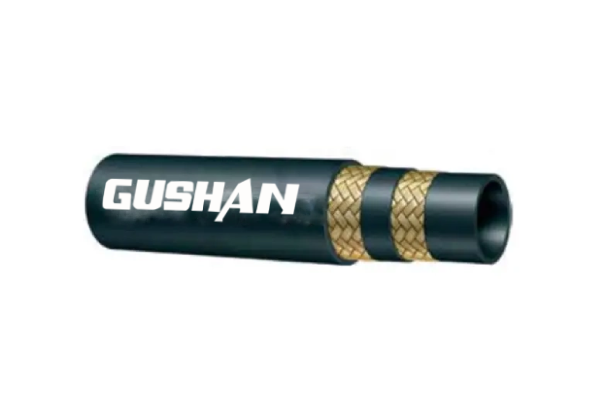
DIN EN857 2SC
-
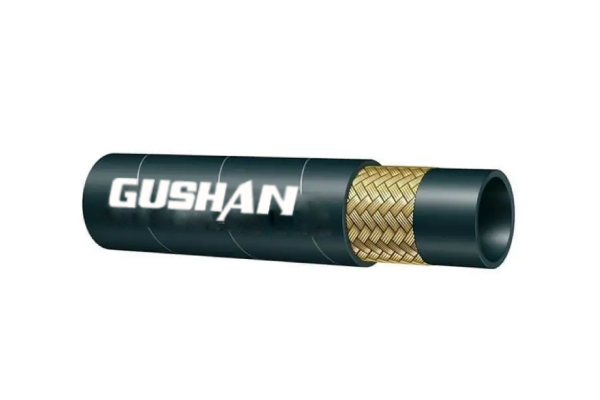
SAE 100R 1A / DIN EN853 1ST
-
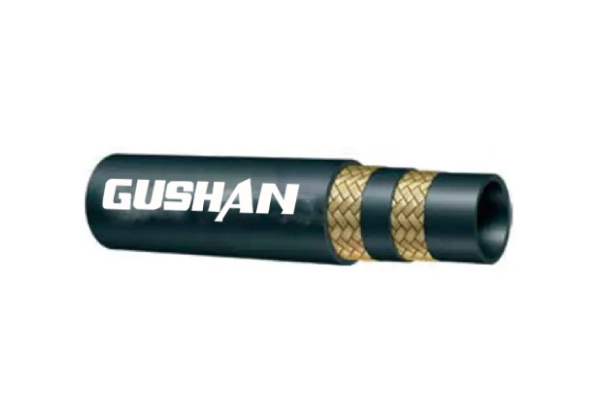
SAE 100R 2A / DIN EN853 2ST
-
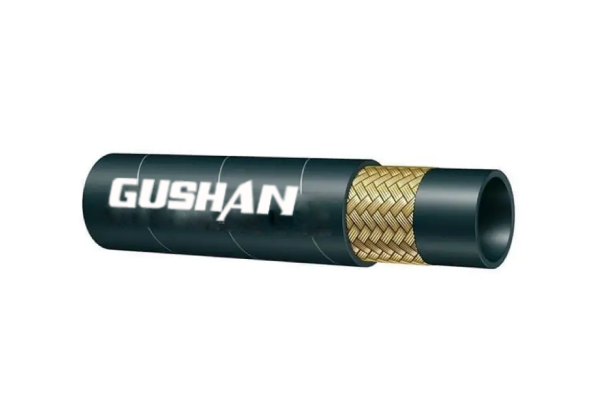
SAE 100R1AT/ DIN EN853 1SN
-
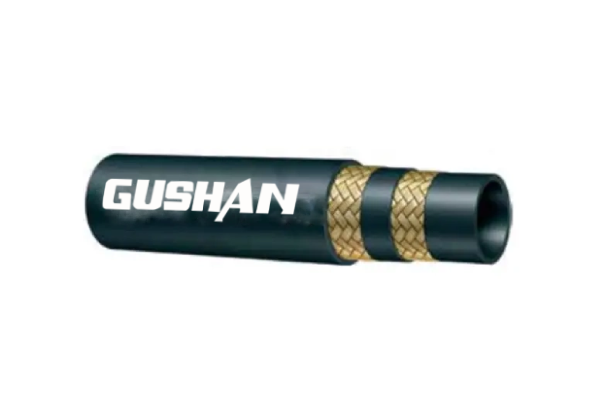
SAE 100R2AT / DIN EN853 2SN
DIN standard hydraulic hoses must meet strict criteria to ensure safety, durability, and reliable performance under high-pressure conditions. These requirements guide material selection, construction, and testing, making DIN hoses suitable for diverse industrial and mobile hydraulic applications.
- Material Quality – DIN hoses use high-strength synthetic rubber and reinforced layers to resist wear, pressure, and temperature fluctuations. This ensures long-lasting performance even in harsh industrial environments where reliability is critical. Proper material selection prevents leaks and hose failures.
- Pressure Ratings – Each hose is tested to withstand specific working pressures, including burst and impulse pressures. DIN standards ensure hoses can handle extreme conditions without compromising safety, maintaining consistent performance in hydraulic systems that require high-pressure operation.
- Construction and Design – DIN hoses feature precise layering of reinforcement, inner tube, and cover materials. The design ensures flexibility, pressure resistance, and compatibility with fittings, meeting strict dimensional and structural requirements defined by the standard.
- Testing and Certification – DIN hoses undergo rigorous quality testing, including burst, impulse, and temperature tests. Certified hoses comply with international safety standards, providing assurance of performance and reliability for engineers and industrial operators worldwide.
DIN Standard, EN Standard and SAE Standard
Understanding the differences between hydraulic hose standards is crucial for system safety, performance, and compatibility. DIN, EN, and SAE standards each follow unique design, material, and testing protocols that influence durability, pressure ratings, and application suitability.
Comparing these standards helps engineers, buyers, and maintenance teams choose the right hoses for specific industrial and mobile hydraulic systems.
DIN Standard
DIN (Deutsches Institut für Normung) hydraulic hoses are designed for high reliability, safety, and consistent performance in industrial and mobile applications. The standard specifies materials, construction, and testing protocols to ensure hoses withstand extreme pressure and temperature conditions.
- Material – High-quality synthetic rubber and reinforcement layers for durability and pressure resistance.
- Pressure Ratings – Clearly defined working, burst, and impulse pressures.
- Construction – Layered design for flexibility and compatibility with fittings.
- Testing – Rigorous burst, impulse, and temperature testing for certified reliability.
EN Standard
EN (European Norm) hydraulic hoses follow broader European regulatory requirements, emphasizing safety and environmental compliance. EN hoses are widely used in Europe and ensure compatibility across different hydraulic systems while maintaining reliable performance in moderate industrial and mobile applications.
- Material – Standardized rubber and reinforcement compounds for general European industrial needs.
- Pressure Ratings – Defined working and burst pressures suitable for standard hydraulic systems.
- Construction – Designed for flexibility and moderate wear resistance.
- Testing – Compliant with European testing procedures and certification requirements.
SAE Standard
SAE (Society of Automotive Engineers) hoses are primarily used in North America and focus on performance, durability, and interchangeability. SAE standards detail hose construction, pressure capabilities, and testing to meet automotive, industrial, and mobile hydraulic requirements.
- Material – Reinforced synthetic rubber or thermoplastic materials for industrial and automotive use.
- Pressure Ratings – Defined working and burst pressures for high-demand applications.
- Construction – Flexible and robust designs compatible with SAE fittings.
- Testing – Meets SAE testing protocols to ensure long-term durability and performance.
| Feature | DIN Standard | EN Standard | SAE Standard |
|---|---|---|---|
| Origin | Germany | Europe | North America |
| Material | High-strength synthetic rubber | Standardized rubber | Reinforced rubber/thermoplastic |
| Pressure Ratings | High, precise | Moderate | High, industrial/automotive |
| Construction | Flexible, layered | Flexible, moderate wear | Flexible, robust |
| Testing | Rigorous burst, impulse, temp | Compliant with EU standards | SAE protocols, durability tests |
Conclusion
Choosing the right hydraulic hose standard directly impacts system efficiency, safety, and longevity. DIN hoses offer European precision, while EN and SAE options cater to specific regional and industrial needs. Evaluating performance, pressure ratings, and application requirements ensures the correct selection for any hydraulic setup.
Our Gushan Rubber provides wholesale hydraulic hoses meeting DIN, EN, and SAE standards. We focus on quality, durability, and competitive pricing to supply hoses suitable for diverse industries. Partnering with us guarantees access to reliable hoses that comply with international standards and maintain consistent system performance.
For businesses and engineers, sourcing hoses from a trusted supplier is crucial. Gushan Rubber offers a wide range of options, expert guidance, and bulk availability. Whether upgrading existing systems or building new setups, our hoses deliver dependable performance while helping clients streamline procurement and reduce downtime.