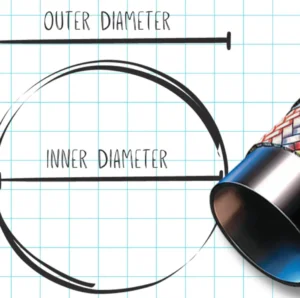
When it comes to working with propane hoses, whether you’re making one from scratch or replacing a fitting on an existing hose, understanding the right size of the fitting is crucial. Incorrectly sized fittings can lead to gas leaks, inefficient performance, or even pose serious safety risks.
In this blog post, we’ll explore the various sizes of fittings used on propane hoses, how to determine the correct size for your specific application, and some tips for ensuring a proper fit.
What are Propane Hose Fittings?

Propane hose fittings are critical, specialized connectors designed for safe, leak-proof transfer of liquefied petroleum gas (LPG) between a tank, regulator, and appliance. The most common fittings for consumer tanks are the older POL (Prest-O-Lite), which is reverse-threaded and requires a wrench, and the modern Type 1 (ACME or QCC1) fitting, which is hand-tightened and incorporates an excess flow safety device.
Other types include National Pipe Thread (NPT), used on regulators and hard piping, and flare fittings (such as 3/8″ or 1/2″), which create a metal-to-metal seal for appliance connections, while quick-connect fittings offer easy, tool-less disconnection for accessories like grills and fire pits. All propane fittings are made of brass or similar corrosion-resistant metal and must be certified to safely manage gas pressure and prevent dangerous leaks.
What Size is Fitting on Propane Hose?
When connecting propane hoses to your appliances or tanks, choosing the right fitting size is essential for a secure and leak-free connection. Propane hose fittings come in various types and sizes depending on the equipment and pressure requirements.
- Common Fitting Sizes – The most common propane hose fittings are 1/4″, 3/8″, and 1/2″ sizes, used for different flow capacities. Smaller fittings are ideal for portable grills and heaters, while larger ones handle higher BTU demands in heavy-duty applications.
- Type of Fittings – Propane hoses use several connection types such as NPT (National Pipe Thread), flare fittings, and quick-connect couplers. Each fitting type ensures compatibility and sealing efficiency, preventing gas leaks and ensuring stable performance during propane transfer.
- Application Compatibility – The fitting size and type depend on the appliance or tank port. Always check the manufacturer’s specifications to match the correct fitting for your regulator, burner, or propane tank to ensure a safe and efficient gas flow system.
- Material and Durability – Most propane fittings are made of brass or stainless steel for corrosion resistance and strength. Choosing high-quality materials ensures the fittings withstand weather exposure, pressure variations, and frequent use without deformation or leaks.
- Safety Considerations – Using mismatched fittings or incorrect sizes can lead to dangerous gas leaks. Always test for leaks after connection, use thread sealants approved for gas systems, and regularly inspect hoses and fittings for wear or damage.
Common Types of Propane Hose Fittings
Propane systems rely on specialized fittings to create secure, leak-free connections between the tank, hose, and appliance. Choosing the correct type and size is essential for safety and optimal performance in any propane setup. The most common fittings primarily fall into these categories:
Flare Fittings: These fittings create a mechanical, metal-to-metal seal by tightening a nut over a flared end of the hose or tubing against a mating cone on the regulator or pipe. Flare fittings, such as 3/8″ or 1/2″ sizes, are highly reliable and do not require thread sealant, making them common in RV and gas appliance connections.
ACME (Type 1 or QCC1) Fittings: This modern connection, easily identified by its external right-hand threads and large handwheel, is the standard for most 4 to 40-lb propane grill tanks. It features an integrated safety mechanism that halts gas flow unless fully connected and can be hand-tightened without tools.
POL (Prest-O-Lite) Fittings: The older style connection has internal, reverse (left-hand) threads and requires a wrench for a secure seal. While mostly superseded by ACME on smaller tanks, POL fittings are still used on larger cylinders (40 lbs+) and industrial applications; new ACME regulators often thread into the POL opening as well.
National Pipe Thread (NPT): NPT fittings are tapered, meaning the thread diameter slightly decreases toward the end, and they form a seal by threads compressing together. Commonly used for connecting regulators to hard piping or for permanent joints on an appliance, NPT connections require a thread sealant like yellow Teflon tape.
How Do I Identify a Propane Fitting?
When you’re dealing with propane, making sure you have the right connections is absolutely vital for safety. Trying to fit mismatched components can lead to dangerous leaks.
Here’s how to identify common propane fittings:
- Type 1 (QCC1): This is the most common modern tank fitting. Look for a large, black plastic handwheel/nut on the hose end that connects to the tank. It features external ACME threads (you’ll turn clockwise to tighten) and often has internal safety features.
- POL (Prest-O-Lite): An older, but still widely used, tank fitting. It’s typically a brass nut with internal left-hand threads (you turn counter-clockwise to tighten). It requires a wrench to tighten fully and lacks the automatic safety features of the QCC1.
- Flare Fittings (e.g., 3/8″ or 1/4″ flare): These are common on the appliance end of hoses or on rigid gas lines. Look for a nut that slides freely along the hose or tube, with the end of the tube “flared out” in a cone shape. These create a metal-to-metal seal and don’t use thread tape. To measure, you’d typically measure the outside diameter of the flared tubing.
- NPT (National Pipe Taper) Fittings (e.g., 1/4″ NPT): These have tapered threads that get tighter as they’re screwed in. They often require yellow PTFE (Teflon) tape or pipe dope for a seal. They’re common on regulators and manifolds. Identifying NPT sizes often involves measuring the thread’s outside diameter and comparing it to a nominal pipe size chart, as the actual measurement differs from the nominal size.
- Quick-Connect Fittings: These allow for easy push-and-twist or pull-back collar connections. They’re convenient for portable appliances but must be specifically rated for low-pressure propane.
Always match the fitting type and size precisely. When in doubt, consult a professional or refer to your appliance manual.
Safety Considerations Regarding Propane Hose Fittings
Safety should always be at the forefront when dealing with propane hose fittings.
Never Force a Fitting
If a fitting doesn’t seem to fit properly, don’t try to force it. This could damage the fitting, the hose, or create a leaky connection. Double-check the sizes and make sure you have the correct type of fitting for your application.
Regularly Inspect Fittings
Even after a proper installation, it’s important to regularly inspect the fittings for signs of wear, corrosion, or loosening. Over time, vibrations, temperature changes, and general use can cause fittings to become less secure.
Follow Local Codes and Regulations
Local building codes and regulations often have specific requirements regarding propane hose fittings, including size standards and installation methods. Make sure to comply with these regulations to ensure the safety of your propane system.
Conclusion
Choosing the correct propane hose fitting size is not only about convenience but also about safety and performance. A proper fit prevents gas leaks, improves flow efficiency, and ensures long-lasting durability for both residential and industrial propane systems. Always match fittings to your equipment specifications.
Understanding fitting standards and material types helps you make the best decision for your propane applications. Brass and stainless steel fittings offer superior resistance to corrosion, while correct thread types ensure tight, reliable sealing. Proper maintenance also extends the lifespan of your hoses and connections.
At Gushan Rubber, we specialize in high-quality propane hydraulic hoses suitable for various industrial and commercial uses. Our hoses are designed for maximum durability, flexibility, and pressure resistance. Contact us today to get wholesale propane hydraulic hoses from Gushan Rubber and enhance your system’s performance and safety.