Thermoplastic Elastomer Hoses
We offer thermoplastic elastomer hoses designed for high-performance applications. These hoses combine the flexibility of elastomers with the durability of thermoplastics, making them ideal for industries such as automotive, medical, and industrial. Resistant to abrasion, chemicals, and temperature extremes, they provide long-lasting reliability and excellent fluid flow.
Get Your Desired Thermoplastic Elastomer Hoses
Get your desired thermoplastic elastomer hoses tailored to your specific needs. With superior flexibility, durability, and resistance to chemicals, abrasion, and extreme temperatures, our hoses provide reliable performance across various industries. Whether for automotive, medical, or industrial use, we deliver high-quality solutions to meet your exact specifications.
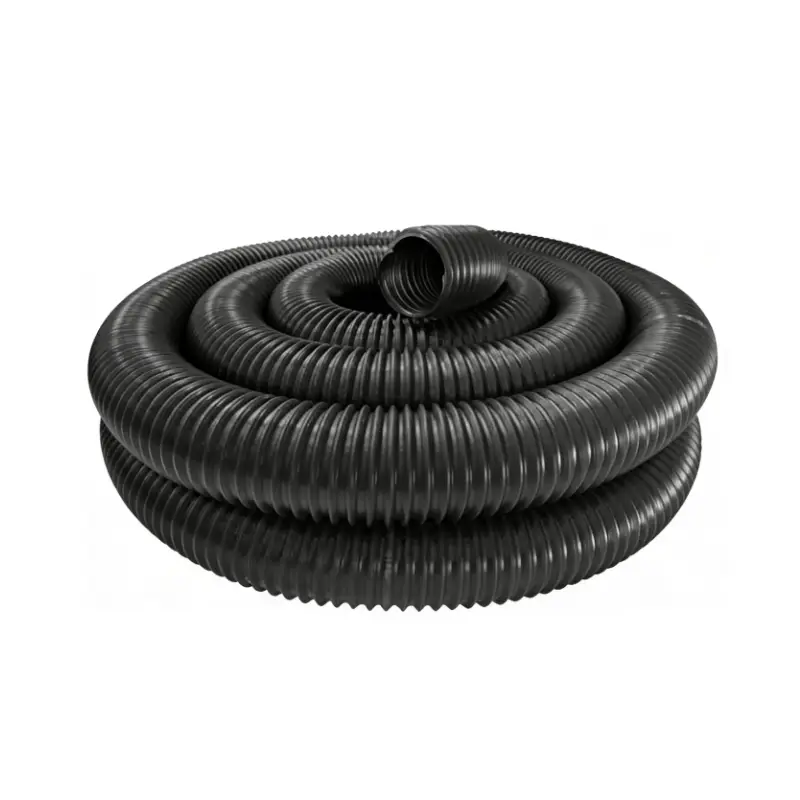
Thermoplastic Elastomer Hose Structure
Inner Tube (Core): We use a smooth, seamless thermoplastic material, often Nylon or Polyester, chosen for its excellent chemical resistance. This core ensures minimal fluid contamination and provides a barrier against the media, preventing permeability issues.
Reinforcement Layer: We incorporate one or more braids or spirals of synthetic fibers (like aramid or polyester yarn) instead of heavy steel wire. This layer gives the hose its high-pressure rating while maintaining a light weight and tight bend radius.
Outer Cover (Jacket): We protect the inner structure with a durable, thermoplastic elastomer (like polyurethane) cover. This provides exceptional resistance to abrasion, kinking, UV light, and ozone, extending the hose’s life outdoors and in harsh industrial settings.
Thermoplastic Elastomer Hose Colors
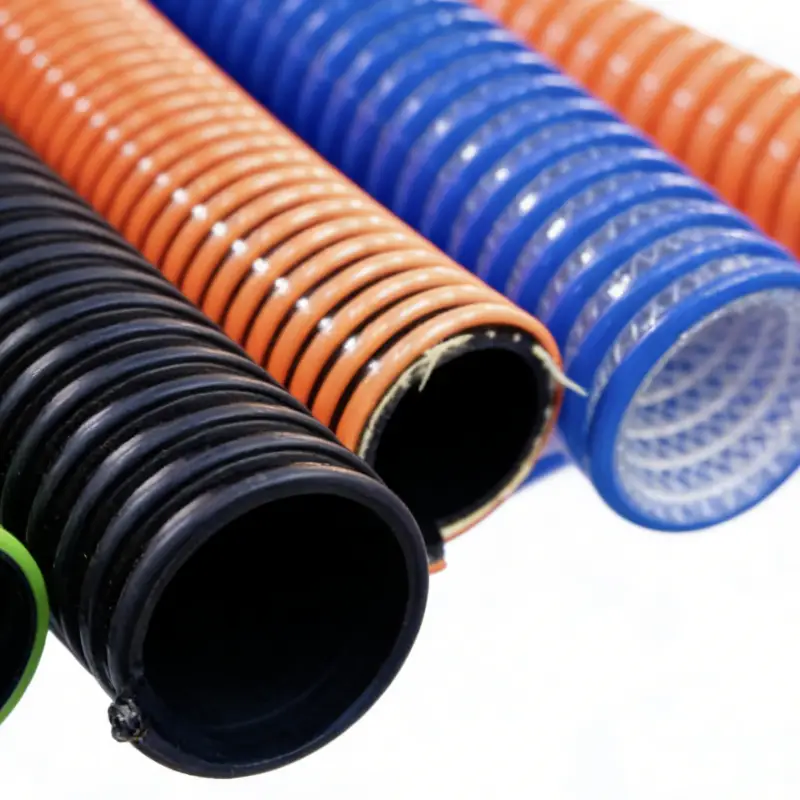
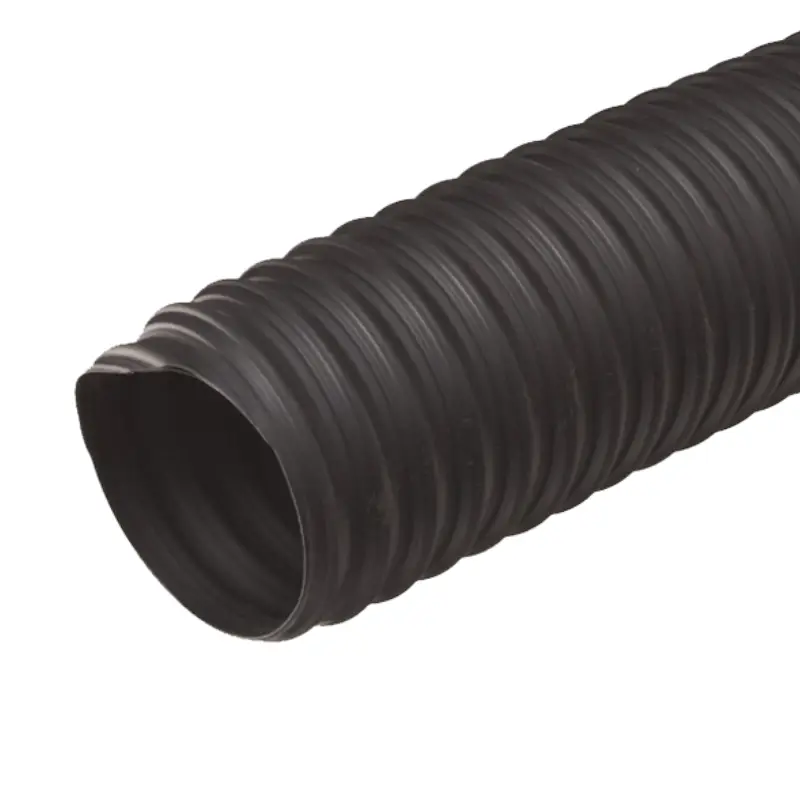
Black (Standard and UV Resistant): We offer black as the most common, general-purpose color for its resistance to UV light and abrasion. This is often the default choice when no specific color-coding is required for the application.
Red and Blue (Pressure/Line Identification): We use red to indicate high-pressure lines or hazardous fluid, signaling caution to maintenance crews. Conversely, we use blue to denote low-pressure return lines, simplifying system routing and maintenance.
Yellow (Controlled Flow/Gas): We supply yellow TPE hoses to mark lines carrying specific fluids, often gas (like LPG), or controlled fluid flow after a restriction valve. This ensures fast, accurate identification of the media inside.
Orange (Non-Conductive or Reduced Pressure): We frequently manufacture orange TPE hoses for non-conductive applications where electrical isolation is necessary, such as aerial lifts. It can also signify fluid with reduced system pressure.
Clear/Translucent (Fluid Monitoring): We offer clear or translucent TPE hose covers primarily for applications like medical tubing or food and beverage. This allows for simple visual monitoring of fluid flow and detection of air bubbles or contamination.
Thermoplastic Elastomer Hoses Applications
Medical and Pharmaceutical Tubing: We provide TPE hose for critical fluid transfer, IV lines, and peristaltic pumps. The material is lightweight, non-toxic, and often manufactured to meet stringent FDA and USP Class VI standards for biocompatibility and safety.
Automotive Fluid Systems: We supply elastomer hoses for various automotive applications, including vacuum lines and brake systems. The TPE material resists heat, common automotive chemicals, and abrasion, offering a durable, lightweight alternative to standard rubber.
Non-Conductive Hydraulic Lines: We manufacture specialized TPE hydraulic hose used in aerial lift equipment and utility trucks. The non-conductive property is essential for preventing electrical shock when personnel are working near or handling power lines.
Chemical and Solvent Transfer: We offer TPE hoses with superior chemical resistance for conveying paints, solvents, and corrosive industrial fluids. The smooth bore and excellent compatibility of the TPE core prevent deterioration and system contamination.
Custom Thermoplastic Elastomer Hoses Wholesale
Material Compound and Chemistry
We customize the TPE compound itself, selecting materials like TPU, TPV, or TPC-ET to achieve specific traits. We focus on enhancing resistance to aggressive chemicals, particular oils, or extreme temperatures. This allows us to manufacture specialized hoses that meet strict regulatory demands, such as food-grade (FDA) or medical standards .
Pressure and Reinforcement Type
We modify the reinforcement structure to meet your desired pressure rating. We use multiple layers of braided synthetic fibers (like aramid or polyester yarn) to achieve higher ratings while keeping the hose light. We carefully adjust the density and pattern of the reinforcement to balance the hose’s working pressure with its required flexibility for dynamic use.
Size and Physical Dimensions
We offer precise customization of the hose’s Inner Diameter (ID), wall thickness, and total length to match your system’s flow rate and pressure needs. We ensure the wall thickness and reinforcement density are optimized for the required working pressure while maintaining maximum flexibility and a very tight minimum bend radius.
Color, Printing, and Sleeving
We offer a vast palette of colors for the outer jacket of the elastomer hose for essential system identification and safety coding. We can apply custom printing directly onto the layline, including part numbers, company logos, or regulatory text. We also provide custom external sleeving for added resistance to abrasion or heat.
What are Thermoplastic Elastomer (TPE) Hoses?
Thermoplastic elastomer (TPE) hoses are advanced fluid transfer solutions that combine the best properties of rubber (elastomers) and plastic (thermoplastics). We manufacture these TPE hoses using compounds that exhibit rubber-like flexibility and elasticity, meaning they can stretch significantly and return close to their original shape when stress is removed.
Crucially, they process like plastic; they can be repeatedly melted, molded, and extruded without material degradation, which makes our manufacturing process efficient and allows us to offer fully recyclable and sustainable products.
What are benefits of Thermoplastic Elastomer Hoses?
Thermoplastic elastomer hoses provide numerous advantages, making them an ideal choice for various industries. These hoses combine the best qualities of both thermoplastics and elastomers, offering enhanced performance and reliability.
- Superior Flexibility: TPE hoses offer excellent flexibility, allowing easy handling and installation in tight spaces. Their adaptability ensures smooth operation in dynamic applications, reducing fatigue and wear over time.
- High Durability: Resistant to abrasion and extreme temperatures, TPE hoses have an extended service life. This durability translates to fewer replacements and lower long-term maintenance costs, enhancing operational efficiency.
- Chemical Resistance: Thermoplastic elastomers are highly resistant to a wide range of chemicals, including oils, fuels, and solvents. This makes TPE hoses perfect for applications in the automotive, medical, and industrial sectors, where exposure to harsh substances is common.
- Lightweight Design: TPE hoses are lightweight compared to traditional rubber hoses, reducing overall weight in applications like automotive and aerospace. Their reduced mass contributes to lower energy consumption and improved efficiency.
- Environmental Resistance: These hoses perform well in various environmental conditions, including exposure to UV radiation, ozone, and moisture. This resistance makes them ideal for outdoor and high-stress environments, ensuring they maintain functionality over extended periods.
where are Thermoplastic Elastomer Hoses commonly used?
We manufacture Thermoplastic Elastomer (TPE) hoses for applications demanding high flexibility, light weight, and a precise material composition .
Their unique properties—combining rubber’s elasticity with plastic’s thermal processability—make them irreplaceable in sectors where cleanliness, chemical inertness, and compliance with stringent safety regulations are paramount.
We offer these solutions globally to meet specialized industrial requirements.
Medical and Biopharmaceutical Sector: We provide high-purity TPE hose for critical medical tubing, peristaltic pumps, and drug delivery systems. We ensure the material is biocompatible, non-toxic, and free of latex and phthalates, meeting rigorous standards like USP Class VI and ensuring patient safety and fluid integrity.
Non-Conductive Hydraulic Equipment: We manufacture specialized TPE hydraulic hose assemblies for utility and aerial lift trucks. The inherent non-conductive properties of the TPE cover and core are essential for worker safety, providing necessary electrical isolation when personnel are operating equipment near active power lines.
Food, Beverage, and Drinking Water: We supply elastomer hoses that are FDA and NSF compliant for transferring consumable liquids like water, soft drinks, and dairy products. The smooth, non-porous bore of the TPE prevents microbial growth and ensures the hose is odorless and tasteless, maintaining product quality.
Automotive and Transportation: We offer lightweight, durable TPE hoses for demanding under-the-hood applications, including vacuum lines and certain fluid transfer systems. Our material resists elevated temperatures, common automotive fluids, and severe vibration, contributing to lighter vehicle designs and improved fuel efficiency.
How do TPE hoses perform in extreme temperature conditions?
We manufacture Thermoplastic Elastomer (TPE) hoses to perform reliably across a wide temperature spectrum, though their specific limits are generally lower than those of silicone or PTFE hoses.
We utilize specialized TPE compounds to maximize resistance to both high heat and extreme cold, balancing thermal stability with the material’s inherent flexibility and light weight.
High Temperature Performance
We design our TPE hoses to operate continuously at temperatures typically ranging up to 100°C (212°F), with some high-performance TPE formulations capable of handling up to 135°C (275°F), and intermittent peaks even higher.
Softening and Integrity: At the higher end of the temperature range, TPE materials can begin to soften. We carefully select the compound to resist excessive softening, which can reduce the hose’s ability to maintain its pressure rating and structural integrity, ensuring reliable performance in engine compartments and hot industrial processes.
Accelerated Aging: Continuous exposure to maximum-rated heat can accelerate the aging process. We formulate the TPE cover with UV and thermal stabilizers to delay breakdown, preventing hardening, embrittlement, and cracking, which extends the overall life of the hose assembly.
Low Temperature Performance
We engineer TPE hoses to maintain excellent flexibility and integrity in extremely cold conditions, with operating temperatures commonly extending down to -40°C (-40°F), and specialized formulations reaching -54°C (-65°F) or lower.
Maintaining Flexibility: The primary advantage of TPE in the cold is its flexibility. Unlike many conventional rubber hoses that can stiffen and become brittle, our TPE material retains much of its rubber-like elasticity, reducing the risk of cracking or breaking when bent or subjected to impact stress during cold-weather installation and operation.
Fluid Flow: While the hose remains flexible, we advise checking the viscosity of the fluid (e.g., hydraulic oil) at low temperatures, as thickening can increase pressure strain on the hose system. We ensure the TPE material provides necessary resistance to prevent leaks at the fittings during cold-weather pressure fluctuations.
Are TPE hoses resistant to chemicals and oils?
We manufacture Thermoplastic Elastomer (TPE) hoses with excellent resistance to a broad range of chemicals and aqueous solutions, offering a significant advantage in cleanliness and material inertness.
However, their specific resistance—especially to strong solvents, oils, and fuels—is entirely dependent on the precise TPE formulation used in the inner tube. We carefully select compounds like TPU or TPV to match the fluid media, ensuring longevity and preventing material degradation.
Resistance to Aqueous Solutions: We engineer TPE hoses to show excellent resistance to water, bases, and most common acids (excluding carboxylic acids). This makes them a preferred choice for transfer in food and beverage, drinking water, and pharmaceutical processes where non-reactivity with water-based media is critical.
Resistance to Oils and Hydraulic Fluids: We provide specific TPE formulations that offer good resistance to many mineral and synthetic hydraulic oils. However, long-term exposure to certain organic solvents, fuels, and some oils can cause the TPE material to swell or soften. We recommend consulting our detailed compatibility charts to ensure reliable performance.
Resistance to Strong Solvents: We advise extreme caution when using TPE hoses with aromatic and polar hydrocarbons (like toluene or acetone). These strong solvents can cause severe swelling, dissolution, and immediate damage to the TPE compound. We would recommend a different polymer, such as PTFE, for conveying these aggressive chemicals.
Dependence on TPE Grade: We manufacture several grades of TPE (e.g., SEBS-based, TPU-based) with varying chemical profiles. A harder material is generally more chemically resistant than a softer one. We collaborate with you to select the inner tube material that offers the optimal chemical compatibility for your specific fluid and operating temperature.
Quote Thermoplastic Elastomer Hoses Wholesale
We offer wholesale thermoplastic elastomer hoses, providing superior flexibility, durability, and chemical resistance. Ideal for a wide range of applications, including automotive, industrial, and medical sectors, our hoses ensure long-lasting performance in extreme environments. Get competitive pricing and bulk order options tailored to meet your specific needs.