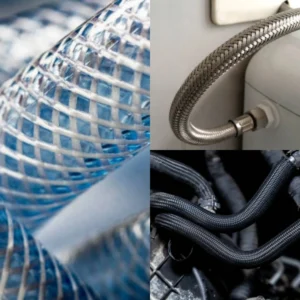
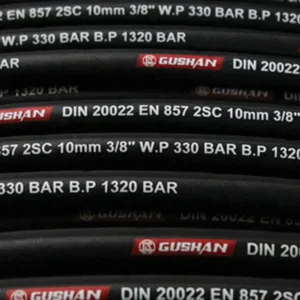
We manufacture and supply many types of industrial fluid conveyance products, but none are more critical than non-conductive and conductive hoses. Choosing the wrong one for your application creates severe safety hazards, risking electrocution, fire, or catastrophic equipment damage. Understanding the core design differences is essential for maintaining a safe, reliable, and compliant work environment. .
We provide this detailed guide to clearly explain the construction, intended uses, and safety standards that distinguish these two vital hose categories. We will help you identify whether your operation requires the electrical isolation of a non-conductive hose or the static charge dissipation of a conductive hose. Get ready to master hose selection for maximum safety.
What is Non Conductive Hose?
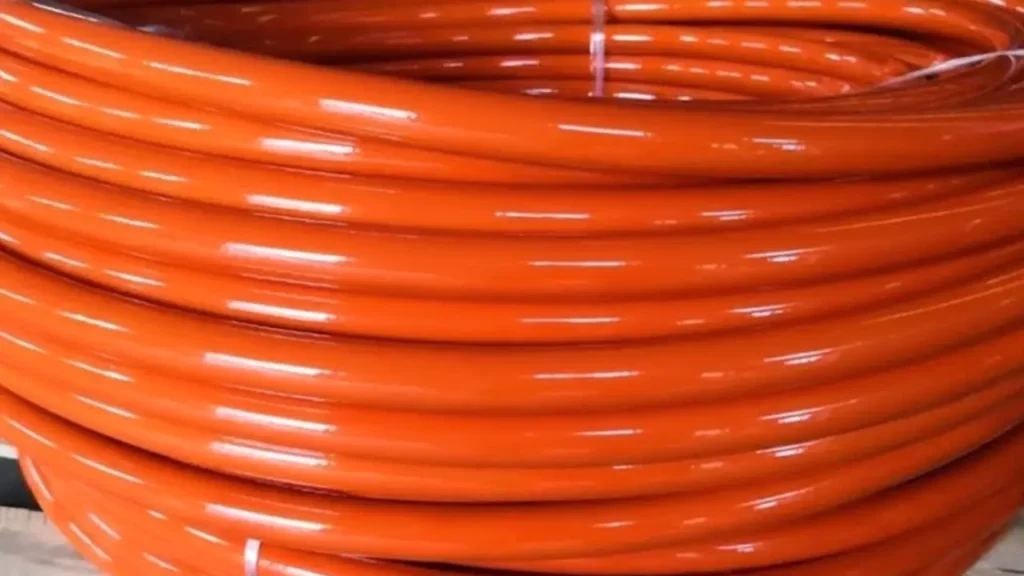
A non-conductive hose is engineered specifically to prevent the flow of electrical current, providing crucial safety in environments with electrical hazards. Unlike conductive hoses, these products are typically manufactured without metallic components like a helix or bonding wire, acting instead as an insulator.
We manufacture and supply non-conductive hoses that meet industry-recognized standards, ensuring robust resistance to electrical leakage and protecting both operators and equipment near high-voltage sources.
Key Advantages of Our Non Conductive Hoses
- Enhanced Operator Safety We provide non-conductive hoses to safeguard personnel working in high-risk environments, such as around power lines or high-voltage equipment. These specialized hoses isolate electrical charges, significantly minimizing the risk of a dangerous electrical shock for the user. This protective design is essential for aerial lift platforms and hydraulic rescue tools.
- Protection for Sensitive Equipment We offer solutions that protect complex and sensitive electronics from stray electrical currents. Non-conductive hoses prevent electrical current from traveling through the system, which can cause costly damage or malfunctions to delicate components in modern machinery, ensuring reliable operation and longevity.
- Reliable Performance in Utility Work We supply non-conductive hydraulic hose products that are a necessity for utility and construction applications. Their superior electrical resistance ensures a safer working environment when heavy equipment, like cranes or mobile platforms, operates in close proximity to live wires, providing maximum security and peace of mind.
What is Conductive Hose?
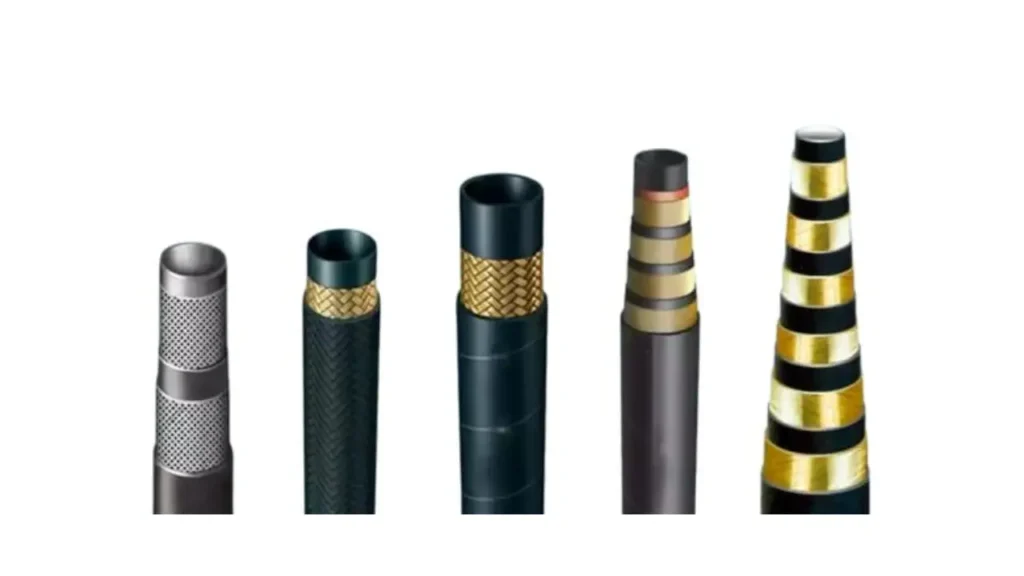
A conductive hose is specially engineered to safely dissipate or conduct static electricity away from the hose and the fluid or material it is transferring. We provide these essential components, which are constructed using materials like rubber or plastics blended with conductive fillers or incorporating internal metal wires. This design is critical in hazardous industrial environments, allowing electrical charges to flow to ground, thus preventing the buildup of static electricity that could ignite flammable materials or dust. Using our conductive hoses ensures maximum operational safety.
Key Advantages of Our Conductive Hoses
- Boosts Workplace Safety We offer specialized conductive hoses to mitigate the severe risk of sparks or explosions caused by static electricity discharge. This is vital when transferring volatile chemicals, gases, or combustible dusts. Our product significantly reduces fire hazards and protects personnel and equipment in environments like mining, oil and gas, and specific manufacturing processes.
- Maintains System Efficiency We supply hoses with superior conductive properties that prevent material buildup or clogging often caused by static attraction. This assures consistent flow rates and optimal performance in your pneumatic and material handling systems. A well-grounded system, using our reliable conductive hose, minimizes downtime and maximizes the productivity of your operations.
- Ensures Compliance and Grounding We manufacture products that meet rigorous industry electrical resistance standards, such as those required for explosive atmospheres (like ATEX/IECEx). Proper grounding through our conductive hoses provides an assured path for charge dissipation. Choosing our certified hoses helps your business maintain strict safety regulations and compliance requirements.
- Offers Exceptional Durability We provide robust conductive hoses engineered to withstand demanding industrial conditions, including high pressure and abrasion. The materials we select, such as conductive rubber or reinforced thermoplastics, ensure a long service life. This durability minimizes the need for frequent replacement, offering a cost-effective and reliable solution for your transfer needs.
Non Conductive vs Conductive Hoses
The choice between a non-conductive hose and a conductive hose is essential for industrial safety and system performance, directly depending on the application environment and the media being transferred. We provide both types, each specifically designed to manage electrical charge in different ways. Understanding this distinction is vital: non-conductive hoses isolate electrical current, while conductive hoses are engineered to safely dissipate static electricity to a ground.
Electrical Function
We manufacture our conductive hoses with an internal liner or outer cover infused with materials like carbon black or a metal wire to provide a low-resistance path for electric current. This structure allows static electricity, generated by the friction of media flowing inside, to be safely grounded. The primary purpose is static dissipation to prevent a spark that could ignite flammable gases, vapors, or dust.
Our non-conductive hoses are deliberately designed with high electrical resistance, acting as an insulator to prevent the flow of electrical current. This feature is crucial for protecting the operator and equipment from external electrical hazards. We ensure these hoses isolate electrical charges, providing a critical barrier when working near live power lines or high-voltage equipment.
Primary Application
We supply conductive hoses mainly for use in hazardous environments where combustible materials are present, such as transferring fuel, solvents, powders, or in mining and chemical processing. In these settings, the safe, immediate dissipation of static charge is mandatory to comply with explosion protection standards and ensure operational security.
We provide non-conductive hoses primarily for hydraulic and pneumatics applications where the hose may be operated close to high-voltage sources, like in utility service vehicles, aerial lifts, or certain rescue tools. The high resistance of the hose tube protects the operator from electrocution in case the hose or equipment accidentally contacts an energized line.
Material Composition
We use specialized materials in our conductive hoses, typically incorporating conductive additives into the inner tube or cover materials, often giving them a distinct dark appearance. The exact materials depend on the required chemical and temperature resistance, but the common factor is the inclusion of fillers or wires to achieve the necessary low electrical resistance.
The materials we use for our non-conductive hoses are highly insulative, such as specific rubber compounds, nylon, or polyester, selected for their dielectric strength. This composition ensures that the hose remains functionally non-conductive even under high-voltage testing, providing a robust layer of safety and electrical isolation for the end-user.
Safety Risk Mitigation
With our conductive hoses, the main safety function is to mitigate the risk of static-induced explosions or fires. By providing an uninterrupted path to ground, the hose prevents the buildup of potential energy that could discharge as a spark. However, if improperly grounded, a conductive hose can pose an electrocution risk if it is damaged and contacts a live external electrical source.
Our non-conductive hoses are used to prevent electrical shock or electrocution to personnel. The high-resistance material acts as a protective shield against external electrical sources. The key risk to mitigate with non-conductive hose, however, is the internal buildup of static charge, which can lead to pinhole leaks or system damage if highly flammable media is not being transferred.
Industry Standards
We manufacture our conductive hoses to meet stringent industry standards for electrical resistance (low resistance), often governed by bodies like NFPA or ATEX directives for use in explosion-prone atmospheres. Compliance with these standards confirms the hose’s ability to safely and consistently drain static charge away from the fluid and the hose assembly.
We ensure our non-conductive hoses meet standards for high electrical resistance (high resistance), such as those set by SAE for hydraulic systems in utility applications. These specifications verify the hose’s ability to withstand high voltage without conducting a dangerous current, certifying its role as an electrical insulator in critical, life-safety operations.
| Aspect | Conductive Hose | Non-Conductive Hose |
| Primary Electrical Function | Static dissipation / Low Resistance (Provides a path to ground) | Electrical isolation / High Resistance (Insulates against current) |
| Typical Use Environment | Flammable/Explosive atmospheres (Fuels, dusts, solvents) | High-voltage proximity (Aerial lifts, utility work, rescue tools) |
| Material Characteristic | Contains conductive additives (e.g., carbon black, embedded wires) | Uses high-dielectric materials (e.g., certain rubber, nylon) |
| Primary Safety Risk Mitigated | Spark-induced fires and explosions | Operator electrocution from external electrical sources |
| Industry Standard Focus | Low resistance limits (e.g., ATEX requirements) | High resistance limits (e.g., SAE J517 100R7/R8 for electrical isolation) |
How to Choose Non Conductive and Conductive Hoses?
The process of selecting the correct hose—either a non-conductive hose or a conductive hose—is a critical safety and performance decision in industrial applications. We always emphasize that this choice must be driven by the operating environment and the specific material being transferred. A misapplied hose can lead to catastrophic failure, including electrocution or explosion. We help our customers analyze these key application factors to ensure the optimal, safest, and most cost-effective product is selected.
- Analyze Media Volatility We recommend a conductive hose whenever the fluid or material being conveyed is flammable, volatile, or explosive, such as fuels, solvents, or combustible powders. The friction from material flow can generate dangerous static charge. Our conductive hose is designed to actively drain this static charge to ground, preventing ignition sparks.
- Evaluate External Electrical Hazard We advise using a non-conductive hose when the hose assembly, or the operator using it, could accidentally come into contact with a high-voltage electrical source. This is common in utility vehicles or aerial lift equipment. The high dielectric strength of our non-conductive hose acts as a vital insulator, protecting personnel from shock.
- Check Industry Regulatory Standards We ensure our selection process aligns with applicable safety standards like ATEX (for explosive atmospheres) or specific SAE requirements for aerial equipment. Choosing a certified conductive hose is often mandatory for environments dealing with flammable materials to satisfy insurance and legal compliance.
- Determine Static Dissipation Need We examine whether the application requires simply preventing static buildup or actively dissipating existing static. Conductive hoses are mandatory for applications like transferring fuel where rapid charge dissipation is critical. If static buildup only causes minor issues like material clogging, a static dissipative hose may be sufficient, but for volatile media, full conductivity is safest.
- Consider Hose Assembly Components We remind our customers that the fittings and couplings used must match the hose’s electrical requirement. For a conductive hose, fittings must provide a reliable path to ground. For a non-conductive hose, all components should maintain high electrical resistance to preserve the integrity of the insulating barrier.
Conclusion
We have analyzed the fundamental distinctions between non-conductive and conductive hoses, detailing how each is designed to address specific electrical hazards. Non-conductive hoses provide critical insulation against external voltage, which is non-negotiable for utility work. Conductive hoses, conversely, are essential for safely dissipating static electricity, preventing sparks in flammable atmospheres.
We encourage you to audit your current equipment and application needs carefully. The correct hose selection directly impacts personnel safety and system longevity. We provide certified products that meet or exceed SAE standards, ensuring your compliance and giving you confidence in the field. Never compromise on safety when dealing with fluid power and electrical sources.
For your next project requiring specialized safety solutions, trust Gushan Rubber. We supply wholesale non-conductive hydraulic hoses and conductive options built for superior durability and performance. Contact us today to secure our top-tier products and partner with a manufacturer committed to supporting your safest operations.