
Hydraulic Hose Rack
We offer a range of hydraulic hose racks designed to keep your workspace organized and your hoses protected. Our racks are built to last, offering a durable and efficient solution for storing and managing your hydraulic hoses. By using our racks, you can improve safety, reduce downtime, and extend the life of your equipment.
Get Your Desired Hydraulic Hose Rack
Looking for a reliable and durable hydraulic hose rack? We offer a wide range of customizable solutions to suit your specific needs. Our racks are designed to optimize your workspace, protect your hoses, and improve efficiency. Whether you need a simple wall-mounted rack or a complex, multi-tiered system, we have the perfect solution for you. Contact us today to discuss your requirements and get a quote.
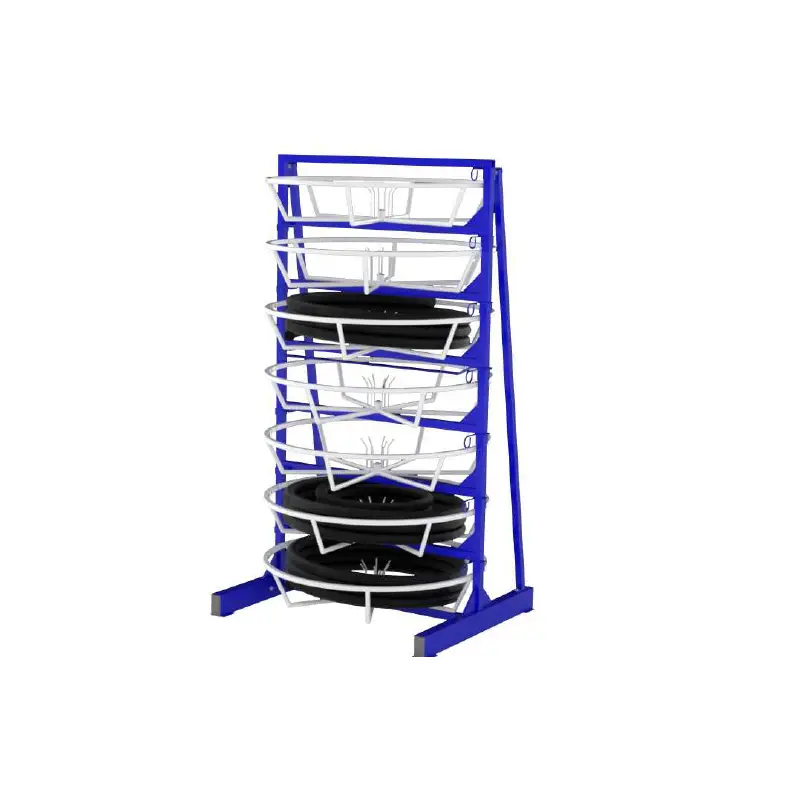
industrial hydraulic hose rack
We provide robust and customizable industrial hydraulic hose storage racks designed to withstand demanding workshop environments. Our racks are engineered to optimize hose storage, improve safety, and enhance workflow efficiency. With a variety of configurations and materials, we offer solutions to meet your specific needs. Trust us to keep your hoses organized and your operations running smoothly.
hydraulic hose storage rack design
We provide innovative hydraulic hose storage rack designs to maximize space efficiency and hose protection. Our custom solutions cater to your specific needs, ensuring easy access and maintenance. By incorporating ergonomic principles, we prioritize user safety and comfort. Trust us to design a rack that not only organizes your hoses but also enhances your overall workflow.
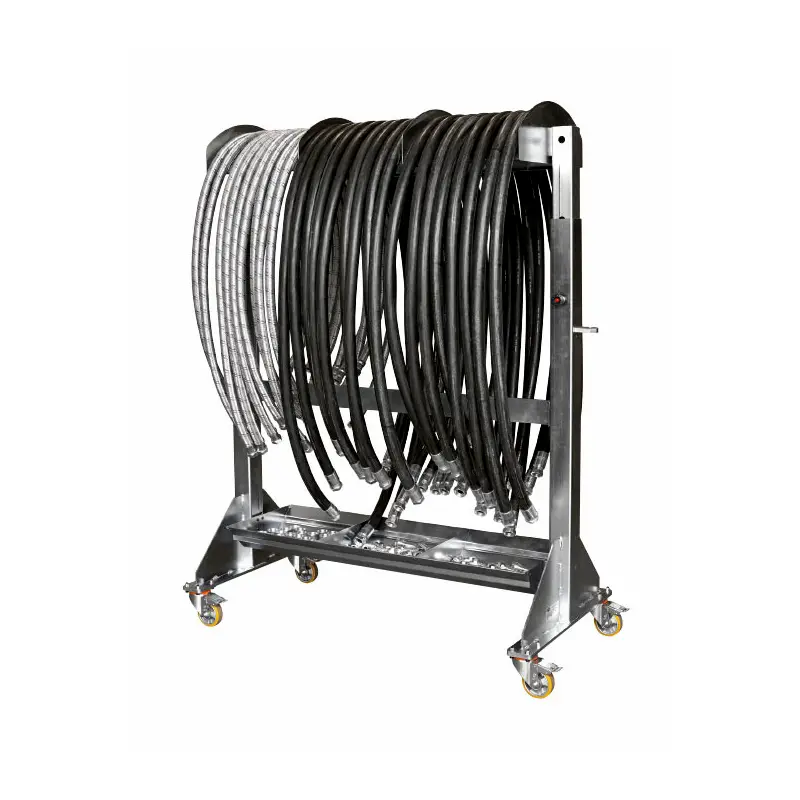
Customize Your Hydraulic Hose Racks
Rack Size and Capacity
We customize the size and capacity of your hydraulic hose rack to accommodate the number of hoses you need to store. Whether you have a small operation or require a larger rack for multiple hoses, we ensure the rack is designed to meet your specific storage needs.
Adjustable Shelves or Racks
We can design your hose rack with adjustable shelves or compartments to organize hoses of different sizes. This flexibility allows you to efficiently store hoses, keep them easily accessible, and save space, providing better organization in your workspace while maintaining easy access to each hose.
Material Selection
We offer a range of materials for hydraulic hose racks, such as steel, aluminum, or heavy-duty plastic. Each material is chosen for its strength and durability, ensuring the rack can withstand wear, corrosion, and heavy use in various environments, providing long-lasting storage solutions.
Mobility and Stability
We offer customizable options for both mobility and stability, including wheels for easy movement or secure mounts for permanent installations. Whether you need a mobile rack to move hoses around the workshop or a stationary one for maximum stability, we can design a solution to meet your needs.
what is Hydraulic Hose rack?
Hydraulic hose racks are storage solutions designed to organize and protect hydraulic hoses.
They typically consist of a sturdy frame with hooks, reels, or shelves to hold hoses neatly. These racks help maintain hose integrity, prevent tangling, and improve workplace safety.
How do you store hydraulic hoses?
Properly storing hydraulic hoses is crucial for maintaining their longevity and functionality. Storing hoses incorrectly can lead to damage, reducing their performance and lifespan.
Here are key steps to ensure your hydraulic hoses remain in optimal condition:
1. Avoid Bending and Kinking: Store hoses in a manner that prevents sharp bends or kinks, as this can cause internal damage. Coiling hoses gently in circular shapes helps prevent pressure build-up in certain areas, maintaining their integrity and ensuring that they continue to function effectively over time.
2. Keep Away from Extreme Temperatures: Store hoses in a cool, dry place away from direct sunlight or extreme heat. Exposure to excessive heat can degrade the hose material, reducing flexibility and strength, while freezing temperatures can cause cracking or brittleness, shortening the hose’s lifespan.
3. Elevate from the Ground: Avoid storing hoses directly on the ground to prevent moisture absorption, dirt, or chemical contamination. Using shelves, racks, or hooks keeps hoses dry and clean, preventing rust or mildew growth that can occur when hoses are exposed to humidity or standing water.
4. Regular Inspections: Regularly inspect stored hoses for signs of wear, cracking, or other damage. Inspecting hoses ensures that any early signs of deterioration can be addressed before the hoses are used, preventing system failures or downtime when they are needed most.
How do hydraulic hoses seal?
Hydraulic hoses seal by combining precision fittings, compression forces, and compatible materials to prevent fluid leakage under pressure. The sealing system must withstand vibration, temperature changes, and high working pressures without failure. Proper assembly, correct fitting selection, and accurate torque application are critical to maintaining a leak-free hydraulic connection.
Compression of the inner tube
When a fitting is crimped onto the hose, the ferrule compresses the outer cover and reinforcement layers tightly around the inner tube. This controlled compression creates a mechanical lock while forming a pressure-resistant barrier that prevents hydraulic fluid from escaping under normal and peak operating conditions.Metal-to-metal sealing surfaces
Many hydraulic fittings rely on precision-machined metal surfaces, such as flared or tapered connections, to create a tight seal. When properly tightened, these surfaces press firmly together, eliminating gaps. The high contact pressure blocks fluid paths and maintains sealing performance even during pressure surges or vibration.Elastomeric seals and O-rings
Some hydraulic hose assemblies use O-rings or bonded seals made from oil-resistant rubber compounds. These elastomeric components deform slightly when compressed, filling microscopic irregularities between mating surfaces. This flexibility enhances sealing reliability, especially in systems exposed to thermal expansion and dynamic movement.Thread design and engagement
Tapered threads can contribute to sealing by wedging tightly together as they are tightened. Straight threads typically rely on additional sealing elements, such as O-rings. Proper thread engagement and correct torque ensure consistent sealing force, preventing leaks caused by under-tightening or thread damage.Proper crimping and assembly accuracy
Even the best hose and fittings will leak if improperly assembled. Accurate crimp diameter, alignment, and clean installation surfaces are essential. Following manufacturer specifications ensures uniform compression and prevents issues such as hose blow-off, seepage, or premature seal degradation.
How to choose your hydraulic hose racks?
Choosing the right hydraulic hose racks means matching your storage system to your workspace, hose types, and daily workflow. A well-designed rack keeps hoses organized, prevents kinks, and improves efficiency. By focusing on capacity, structure, mobility, and durability, you can create a safer, cleaner, and more productive hydraulic hose storage area.
Capacity and size – Evaluate how many hoses you need to store, including different diameters and lengths. Select a rack that supports your current inventory while allowing room for future expansion. Proper capacity prevents overloading, reduces clutter, and protects hoses from bending, crushing, or unnecessary stress during storage.
Adjustability and flexibility – Choose racks with adjustable arms or modular frames so you can adapt to various hose sizes. Flexible configurations help maximize vertical and horizontal space, allowing better organization. As your hose range changes, adjustable racks reduce the need for replacing your entire storage system.
Mobility or fixed installation – Decide whether you need stationary racks for permanent storage or mobile racks with casters for flexible positioning. Mobile racks improve workflow by bringing hoses closer to work areas, while fixed racks provide stable, long-term storage in dedicated warehouse spaces.
Material strength and surface protection – Opt for racks made from heavy-duty steel with powder coating or corrosion-resistant finishes. Hydraulic environments often involve oil exposure and heavy handling, so strong construction ensures long-term durability and prevents structural deformation under weight.
Ease of access and organization – Select a design that allows clear visibility and simple retrieval of hoses. Tiered layouts, separated compartments, and labeling areas help reduce searching time. Organized storage not only improves efficiency but also minimizes the risk of selecting the wrong hose during urgent repairs.
