Protecting hydraulic hoses is essential to ensure system reliability, prevent leaks, and extend service life. Hydraulic hoses are exposed to harsh conditions such as abrasion, heat, pressure, and impact. Without proper protection, these factors can cause premature wear, cracks, or bursts, leading to downtime and costly repairs.
Various protection methods, including sleeves, guards, clamps, and routing techniques, can significantly reduce damage risks. Understanding how to protect hydraulic hoses properly helps maintain consistent performance, minimize maintenance costs, and enhance overall safety in hydraulic systems used across construction, manufacturing, and agricultural applications.
Importance of Hydraulic Hose Protection
Hydraulic hoses are the lifeblood of many industrial and mobile equipment operations. They transmit high-pressure fluid to power various components, from heavy machinery to delicate instruments. However, these hoses are susceptible to damage from a variety of factors, including:
- Physical Damage: Abrasion, impact, and puncture from external forces.
- Environmental Factors: Exposure to extreme temperatures, moisture, chemicals, and UV radiation.
- Internal Pressure: High-pressure fluid can cause fatigue and wear on the hose’s inner lining.
- Vibration: Constant vibration can weaken the hose and its fittings.
Why is Hydraulic Hose Protection Essential?
- Prevent Equipment Downtime: A damaged hose can lead to sudden and unexpected equipment failure, causing significant downtime and productivity loss.
- Reduce Repair Costs: Timely protection can prevent costly repairs and replacements.
- Enhance Safety: A ruptured hose can release high-pressure fluid, posing serious safety risks to personnel.
- Improve Efficiency: Well-protected hoses ensure optimal fluid flow and system performance.
Key Protection Strategies
To safeguard your hydraulic hoses, consider the following strategies:
- Avoid sharp bends and kinks.
- Route hoses away from heat sources and potential hazards.
- Use hose clips to secure the hoses to prevent movement.
Hose Covers and Shields:
- Install protective covers to shield hoses from abrasion, impact, and environmental factors.
- Use flexible metal or plastic shields to protect hoses in high-risk areas.
Regular Inspection:
- Conduct regular inspections to identify signs of wear, damage, or leaks.
- Replace damaged hoses promptly.
High-Quality Hoses and Fittings:
- Invest in high-quality hoses and fittings that are suitable for your specific application.
- Ensure proper installation and torqueing of fittings.
Lubrication:
- Regularly lubricate hose fittings to prevent corrosion and ensure smooth operation.
By implementing these proactive measures, you can significantly extend the lifespan of your hydraulic hoses and minimize the risk of costly failures and downtime.
How to Protect Hydraulic Hoses
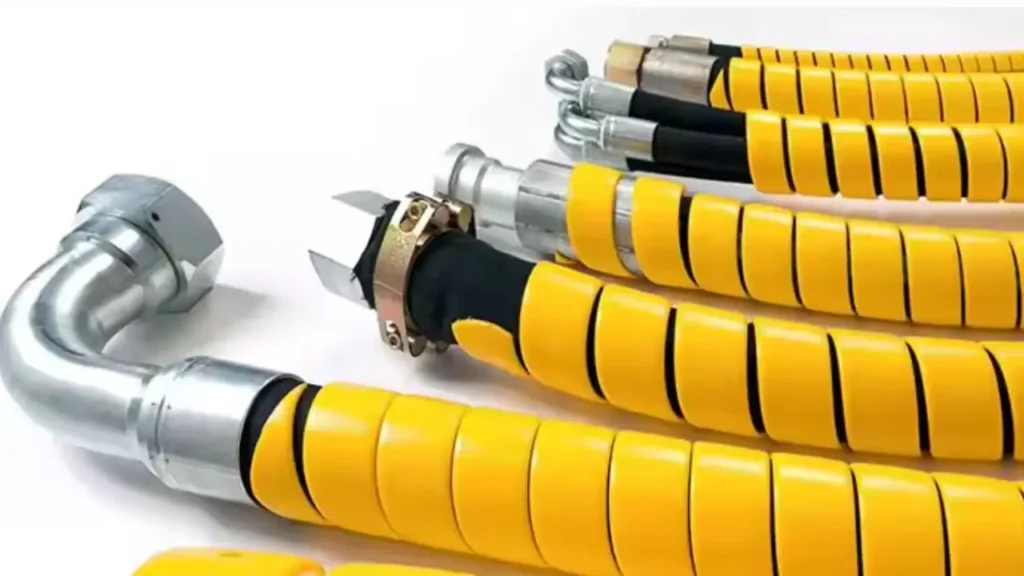
To ensure optimal performance and longevity of your hydraulic hoses, consider these useful hydraulic hose protection strategies in the following:
1. Hydraulic Hose Sleeves
Purpose: Hose sleeves offer a physical barrier, protecting hoses from abrasion, impact, and environmental factors like UV radiation, moisture, and chemicals.
Types:
- Rubber Sleeves: Flexible and durable, suitable for general protection.
- Metal Braid Sleeves: Offer superior protection against abrasion and impact, ideal for harsh environments.
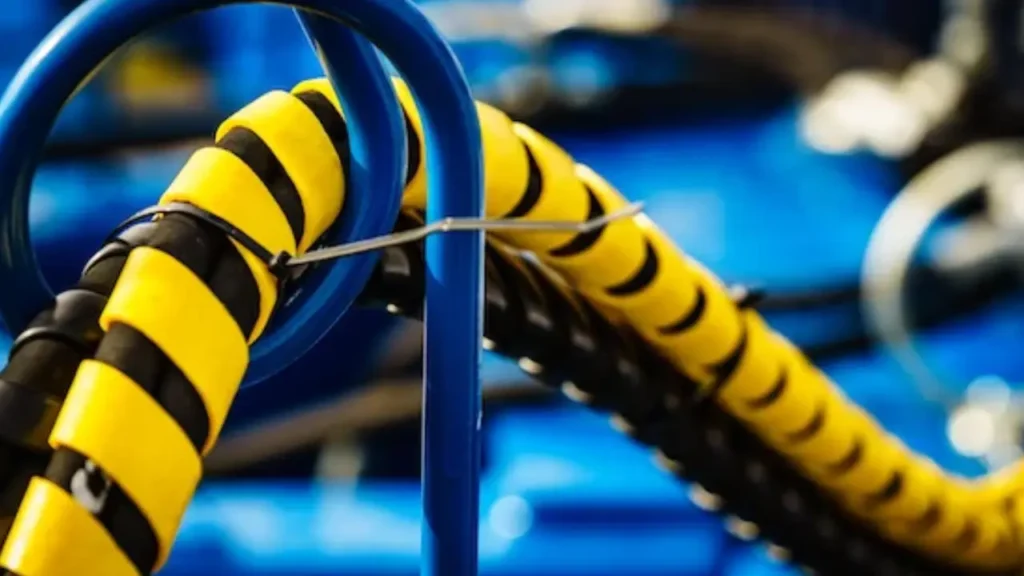
- Spiral-Wrapped Sleeves: Provide excellent flexibility and protection against cuts and punctures.
- Hydraulic Hose Protection Wrap: A flexible, durable material that wraps around the hose to provide protection against abrasion, impact, and environmental factors.
- Hydraulic Hose Protective Sheath: A rigid or semi-rigid protective covering that encases the hose, offering maximum protection in harsh environments.
2. Hose Routing and Support
- Avoid Sharp Bends: Excessive bending can weaken the hose and damage the internal reinforcement.
- Proper Support: Use hose clamps or straps to secure the hose and prevent sagging, which can cause stress points.
- Minimal Stress: Route hoses to minimize stress and vibration.
3. Regular Inspection and Maintenance
- Visual Inspection: Regularly check for signs of wear, such as cracks, cuts, or bulges.
- Pressure Testing: Periodically pressure test hoses to identify potential leaks or weaknesses.
- Replace Damaged Hoses: Replace any damaged or worn hoses promptly.
- Lubricate Fittings: Regularly lubricate fittings to prevent corrosion and ensure smooth operation.
4. Environmental Protection
- Temperature Control: Minimize exposure to extreme temperatures, as heat can degrade the hose material.
- Chemical Resistance: Select hoses that are compatible with the fluids they will be handling.
- UV Protection: Use UV-resistant hoses or protective sleeves to prevent degradation from sunlight.
By implementing these comprehensive protection strategies, you can significantly extend the lifespan of your hydraulic hoses, reduce downtime, and improve overall system reliability.
Hydraulic Hose Protection Methods
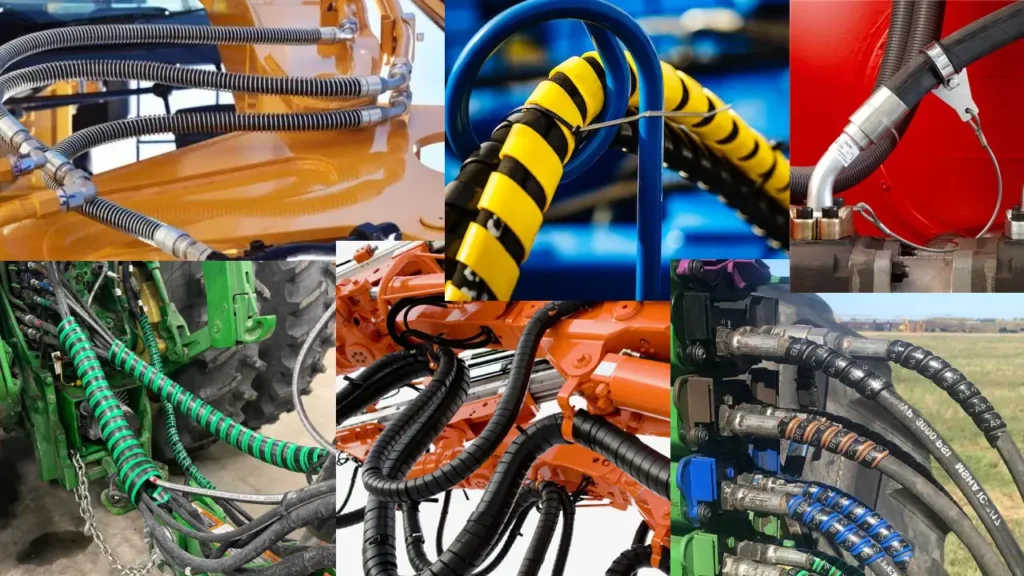
Implementing the right protective measures is paramount for maximizing the lifespan and system reliability of your hydraulic hose assembly. Unprotected lines are prone to wear from abrasion, heat, and chemicals, leading to system failure and expensive, unscheduled downtime. We provide a comprehensive range of protective solutions designed to enhance durability and ensure your equipment operates safely under harsh conditions.
Spring Guards and Armor Coils
These spiral wraps, made from metal or robust plastic, are designed to reinforce and add rigidity to the hose exterior. They create a physical buffer, preventing direct contact between the hose cover and potentially damaging external surfaces or sharp edges.
They are highly effective in dynamic applications where hoses frequently flex or bend, preventing kinking and twisting near the fittings. We offer these protective wraps for heavy equipment in construction and agriculture where hoses face constant movement and high abrasion.
Hydraulic Hose Sleeves
Hose sleeves, often constructed from materials like nylon or polyethylene, encase the entire length of the hose assembly. They function as a versatile, all-around shield, protecting against physical wear, harmful UV radiation, and corrosive chemical exposure.
A key advantage of hose sleeves is the ability to bundle multiple lines together, improving organization and reducing the risk of tangling or misplacement. We supply these sleeves to reduce clutter and simplify routing for reliable performance in manufacturing and field service environments.
Fire Sleeves
Typically made from silicone-coated fiberglass, fire sleeves are specialized barriers engineered to shield hydraulic hoses from extreme heat. They provide crucial protection against high temperatures, hot sparks, and occasional flames that can rapidly compromise hose integrity.
They are essential in high-temperature settings like foundries, engine bays, and industrial furnaces, ensuring the internal hydraulic fluid does not overheat. We manufacture these sleeves for aerospace and industrial applications where thermal protection is critical for system safety and performance.
Abrasion-Resistant Hose Covers
These are heavy-duty outer jackets applied directly to the hose during manufacture, constructed from materials specifically formulated to resist surface wear and tear. They provide a robust defense against friction, cutting, and scratching that occurs during operation.
By preventing the premature wearing down of the outer layers, these covers significantly prolong the life of the hydraulic hose assembly in challenging environments. We provide these durable covers for mining and forestry industries where hoses are consistently dragged across rough, abrasive terrain.
Hose Clamps and Retainers
Hose clamps and retainers are fastening devices, typically metal or plastic, used to secure hoses in a fixed position along their route. Their function is to prevent excessive movement, rubbing, and misalignment caused by system vibration or sudden machine movements.
By holding hoses securely, these devices reduce concentrated stress and abrasion at specific points, extending the overall hose lifespan. We supply these retainers for mobile equipment and heavy machinery where high vibration levels are a constant operational factor.
Heat Shields
Heat shields are passive barriers, often made from aluminum or fiberglass, designed to be installed around a hose to deflect or dissipate thermal energy. They work by reflecting heat away from the hose, preventing the material degradation caused by prolonged heat exposure.
These are necessary when hoses must be routed in close proximity to nearby heat sources, such as exhaust pipes or other high-temperature components. We offer heat shields to maintain the flexibility and structural integrity of hydraulic hoses, ensuring reliable performance in hot engine environments.
Bend Restrictors
These stiff collars are fitted onto the hose adjacent to the coupling to prevent the assembly from exceeding its minimum bend radius. They physically limit how sharply a hose can bend at its most vulnerable points, near the fittings.
Bend restrictors are crucial for reducing stress at connection points, which prevents kinking and premature cracking of the reinforcement layers. We provide these for hydraulic systems that involve frequent or sharp movements, helping to ensure continuous fluid flow and maximize hose durability.
Protective Hose Wraps (Plastic and Metal)
Protective hose wraps, often in a spiral design from thick plastic or metal, coil around the hose exterior, providing a flexible, external suit of armor. They offer a strong barrier against punctures, impacts, and overall wear and tear.
These wraps are valued for their easy installation, as they can be added to an existing hose without system disassembly. We manufacture these reusable wraps for construction and heavy-duty applications, ensuring superior protection against physical trauma and harsh elements.
Burst Protection Sleeves
Constructed from tightly woven synthetic fibers, burst protection sleeves are safety devices engineered to contain the violent energy released during a sudden hose rupture. They absorb the pressure and prevent the fluid from spraying dangerously into the surrounding area.
These sleeves are vital safety components, protecting personnel and adjacent equipment from catastrophic high-pressure fluid leaks. We provide these for critical hydraulic systems in oil & gas and manufacturing, minimizing contamination and reducing injury risk.
UV Protective Covers
UV protective covers are specialized sleeves or coatings applied to the hose surface to block detrimental ultraviolet radiation from the sun. This protection prevents the rubber material from becoming brittle, cracking, and suffering from accelerated aging.
They are essential for extending the service life of equipment that operates primarily outdoors and is subject to constant sun exposure. We supply UV protective covers for farming machinery and construction hydraulic hoses, ensuring material durability and consistent outdoor performance.
Electrical Insulation Sleeves
Electrical insulation sleeves are protective covers made from non-conductive materials that prevent electrical interference or arcing near the hydraulic lines. They add a critical layer of safety in complex systems integrating both hydraulic and electrical components.
These sleeves protect the hose structure from potential electrical damage and safeguard workers from electrical hazards in the workplace. We offer these for hydraulic systems in automotive and manufacturing settings where hoses are installed in close proximity to power cables or electrical equipment.
Crush-Resistant Protection
This heavy-duty reinforcement, typically thick rubber or metal armoring, is designed to preserve the hose’s structural integrity against high mechanical loads. It maintains the internal diameter even when subjected to external compression or being run over.
Crush-resistant protection prevents catastrophic system failure in environments where heavy objects or machinery could accidentally compress the hoses. We manufacture this highly durable protection for applications in mining and logging where extreme mechanical pressures are unavoidable.
Chemical-Resistant Hose Covers
These protective coatings or sleeves are made from specialty materials formulated to resist degradation and corrosion when exposed to aggressive acids, solvents, or industrial chemicals. They shield the underlying hose structure from external chemical attack.
By preventing chemical deterioration, these covers ensure the long-term functionality and safety of the hose assembly. We provide chemical-resistant covers as a vital component for industries like chemical processing and laboratories where hoses frequently encounter corrosive substances.
Hydraulic Hose Burst Protection
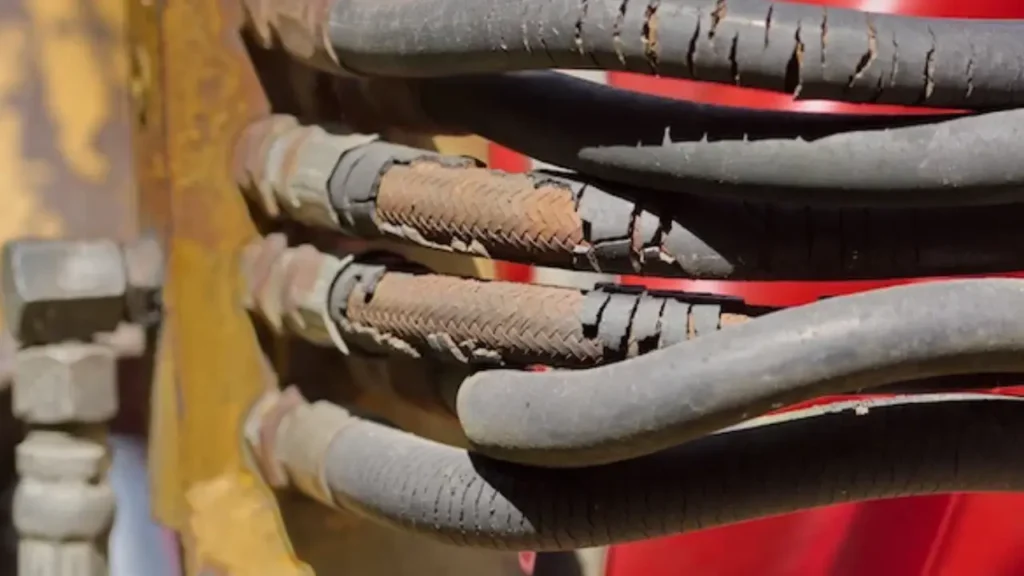
Hydraulic hose bursts can pose significant safety risks, leading to property damage, injuries, and even fatalities. To mitigate these risks, various protective measures can be implemented:
1. Burst Protection Sleeves:
- Containment: These sleeves are designed to contain high-pressure fluid in the event of a hose burst, preventing uncontrolled spraying.
- Material Strength: They are made from durable materials that can withstand high pressures and impact forces.
- Abrasion Resistance: Burst protection sleeves offer additional protection against abrasion and other external damage.
2. Regular Inspection and Maintenance:
- Visual Inspection: Regularly inspect hoses for signs of wear, cracks, or leaks.
- Pressure Testing: Conduct periodic pressure tests to identify potential weaknesses.
- Proper Installation: Ensure hoses are installed correctly and securely to minimize the risk of failure.
- Replacement: Replace aging or damaged hoses promptly.
3. Safety Devices and Systems:
- Pressure Relief Valves: These devices can release excess pressure to prevent hose failure.
- Burst Disc: A thin, metal disk designed to rupture at a specific pressure, releasing pressure and preventing catastrophic failure.
- Hydraulic Fluid Monitoring Systems: These systems can detect leaks and other issues early on, allowing for timely maintenance.
4. Emergency Response Plans:
- Evacuation Procedures: Develop and implement evacuation procedures in case of a hydraulic hose failure.
- First Aid Kits: Keep first aid kits readily available to treat injuries.
- Emergency Shutdown Procedures: Train employees on how to quickly and safely shut down equipment in case of an emergency.
By implementing these measures, you can significantly reduce the risk of hydraulic hose bursts and protect your workers and equipment. Regular inspection, maintenance, and the use of protective devices are essential for ensuring a safe working environment.
Do you have any specific questions about hydraulic hose burst protection or would you like more information on a particular aspect?
Hydraulic Hose Safety Measures
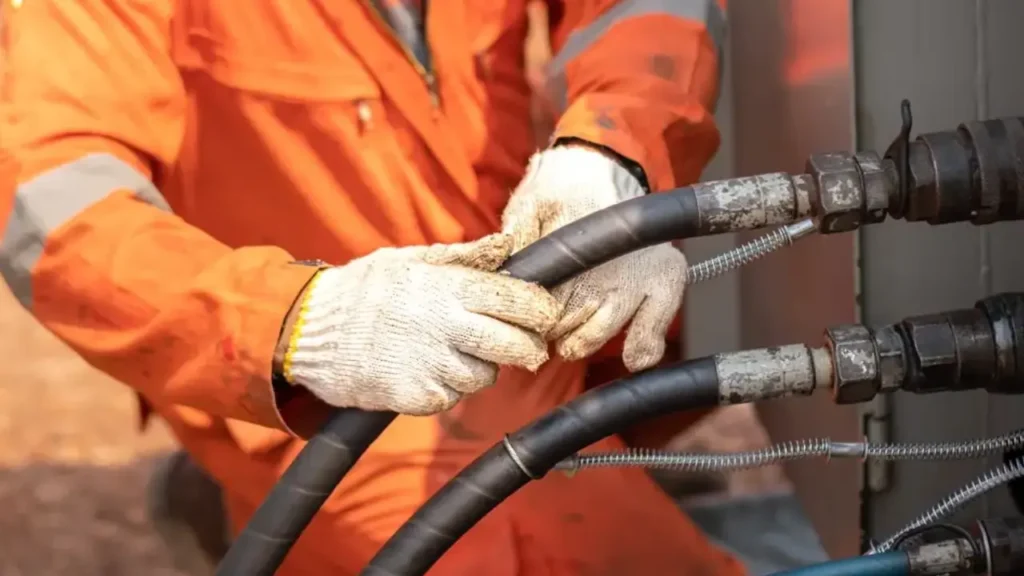
Hydraulic hoses are essential components in various industries, but they can pose significant safety risks if not properly maintained and protected. Here are some key safety measures to prevent hydraulic hose failures:
1. Regular Inspection and Maintenance
- Visual Inspection: Regularly inspect hoses for signs of wear, cracks, cuts, or leaks.
- Pressure Testing: Conduct periodic pressure tests to identify potential weaknesses.
- Proper Installation: Ensure hoses are installed correctly and securely, avoiding sharp bends and excessive stress.
2. Protective Measures
- Hose Covers and Sleeves: Use protective covers or sleeves to shield hoses from abrasion, chemicals, and extreme temperatures.
- Bundling: Properly bundle hoses to prevent chafing and tangling.
- Spring Guards: Install spring guards to protect hoses from accidental cuts and crushing.
- Bend Restrictors: Use bend restrictors to prevent excessive bending at the hose ends.
- Fire Sleeves: For applications in high-temperature environments, use fire sleeves to protect hoses from heat damage.
3. Proper Usage and Handling
- Avoid Excessive Pressure: Ensure that operating pressures do not exceed the hose’s rated pressure.
- Avoid Excessive Temperature: Protect hoses from extreme heat and cold, as these can degrade the hose material.
- Prevent Kinking: Avoid sharp bends and kinks, as they can weaken the hose and lead to failure.
- Proper Storage: Store hoses in a cool, dry place, away from direct sunlight and extreme temperatures.
4. Emergency Procedures
- Emergency Shutdown: Develop and implement procedures for quickly shutting down the hydraulic system in case of a hose failure.
- Evacuation Plans: Have clear evacuation plans in place to ensure the safety of personnel in case of a serious incident.
- First Aid Kits: Keep first aid kits readily available to treat any injuries that may occur.
By following these safety measures, you can significantly reduce the risk of hydraulic hose failures and ensure the safety of your workers and equipment. Regular inspection, proper maintenance, and the use of protective measures are crucial for preventing accidents and maintaining a safe working environment.
Conclusion
Hydraulic hose protection is a critical aspect of system maintenance. Using the right protective equipment and installation techniques helps reduce mechanical stress and environmental damage. Regular inspection ensures that the hoses remain flexible, leak-free, and safe even under extreme working conditions or constant vibration.
Selecting the best protection method depends on the operating environment. Spiral guards prevent abrasion, sleeves resist heat and chemicals, and clamps keep hoses securely in place. Proper routing away from sharp edges and heat sources further enhances safety and extends the lifespan of your hydraulic hoses.
At Gushan Rubber, we provide high-quality hydraulic hoses designed for durability, flexibility, and protection in demanding industries. Our hoses perform reliably under pressure and are compatible with various protective accessories. Contact us today to get wholesale hydraulic hoses from Gushan Rubber and safeguard your hydraulic systems effectively.