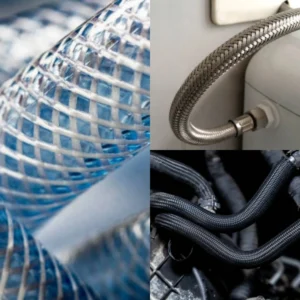
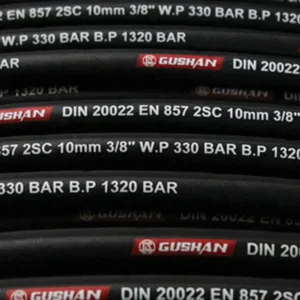
Hydraulic hose layers play a vital role in determining pressure capacity, flexibility, and service life. From the inner tube to the reinforcement and outer cover, each layer serves a specific purpose. Understanding how these layers work together helps users choose hoses that match system demands and operating conditions.
In this ultimate guide, we break down the structure of hydraulic hose layers and explain how each component affects performance and safety. Whether used in industrial, construction, or mobile equipment, knowing hose construction basics supports smarter selection, improved reliability, and longer-lasting hydraulic systems.
What are Hydraulic Hose Layers?
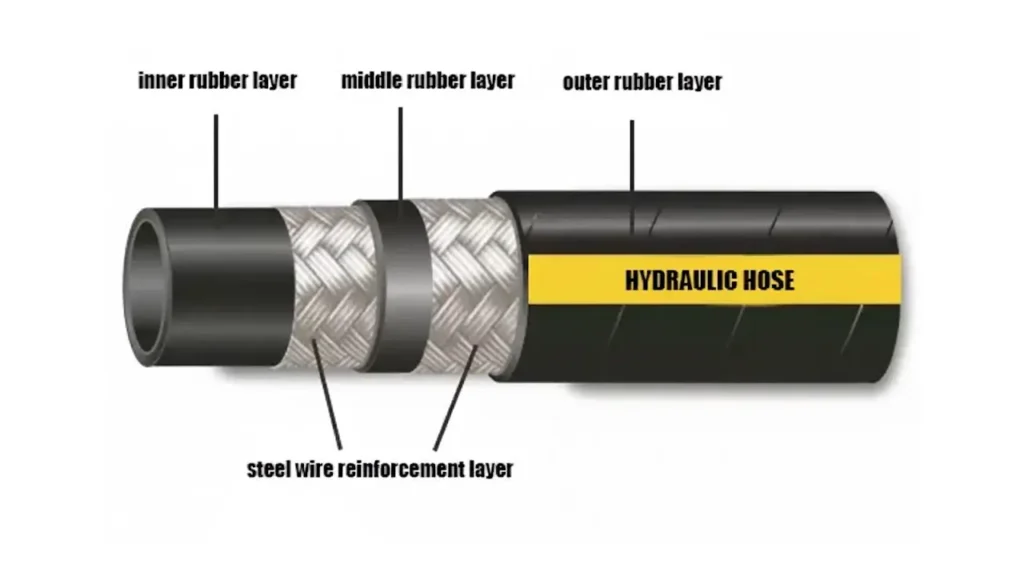
Hydraulic hose layers are the structural components that allow a hose to safely carry pressurized fluid. They typically include an inner tube to contain the fluid, reinforcement layers to handle pressure, and an outer cover for protection. Together, these layers determine the hose’s strength, flexibility, pressure rating, and resistance to environmental damage.
Types of Hydraulic Hose Layers
Hydraulic hose layers are designed to work together to safely transfer pressurized fluids. Each layer has a specific function that affects pressure capacity, flexibility, durability, and resistance to environmental factors.
Understanding the different types of hydraulic hose layers helps users select hoses that perform reliably under specific operating conditions and application requirements.
Inner Tube Layer
The inner tube is the innermost layer of a hydraulic hose and is responsible for carrying the hydraulic fluid. It must be compatible with the fluid type to prevent chemical reactions, swelling, or degradation that could cause leaks or internal damage.
Inner tubes are typically made from synthetic rubber or thermoplastics. The material choice depends on fluid type, temperature range, and pressure. A properly selected inner tube ensures smooth fluid flow, maintains system efficiency, and protects the reinforcement layers from direct fluid exposure.
Reinforcement Layer
The reinforcement layer provides the hose with its pressure-carrying strength. It is usually made from steel wire braids, spiral wire layers, or textile fibers, depending on pressure requirements and hose design. This layer prevents hose expansion and bursting under pressure.
Different reinforcement types suit different applications. Braided layers offer flexibility, while spiral layers support very high pressure. The number and structure of reinforcement layers directly determine the hose’s working pressure, impulse resistance, and overall durability in hydraulic systems.
Outer Cover Layer
The outer cover protects the hose from external damage such as abrasion, oil exposure, weather, ozone, and chemicals. It shields internal layers from mechanical wear and environmental stress that could shorten hose life.
Outer covers are commonly made from synthetic rubber compounds chosen for toughness and resistance. A durable cover helps maintain hose integrity in harsh environments, reduces maintenance needs, and ensures long-term performance in industrial, construction, and mobile hydraulic applications.
Different Hydraulic Hose Reinforcement Layer
Hydraulic hose reinforcement layers determine how much pressure a hose can handle and how it performs in real working conditions. From light-duty systems to ultra-high-pressure applications, different wire constructions are used. Understanding 1 wire, 2 wire, 4 wire, and 6 wire reinforcement helps users select the right hose for safety, durability, and efficiency.
1 Wire Reinforcement Layer
Recommended One Wire Hydraulic Hoses
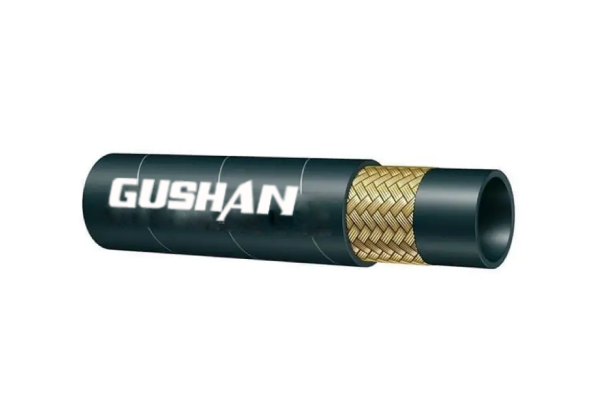
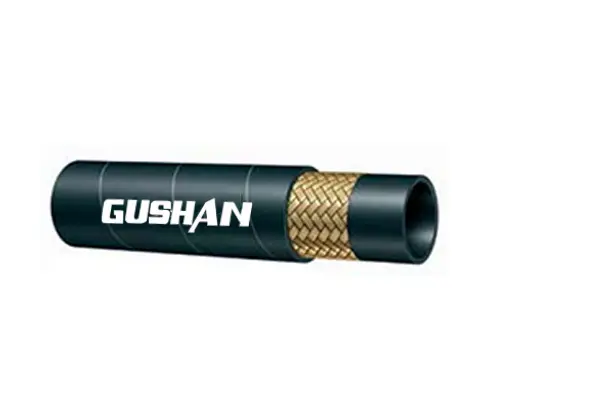
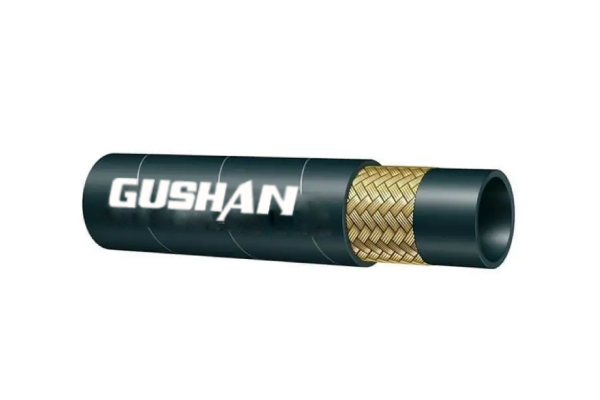
A 1 wire hydraulic hose uses a single layer of steel wire braid to provide basic pressure resistance. It is commonly used in low to medium-pressure hydraulic systems where flexibility and easy installation are important.
This type of reinforcement offers good maneuverability and a small bend radius. While not suitable for heavy-duty pressure, 1 wire hoses perform reliably in applications such as return lines, light machinery, and compact hydraulic equipment.
Single wire reinforcement is commonly found in hoses such as SAE 100R1AT and EN 853 1SN. These hoses are suitable for low to medium-pressure systems where flexibility and compact routing are important, including return lines and light-duty hydraulic equipment.
2 Wire Reinforcement Layer
Recommended Double Wire Hydraulic Hoses
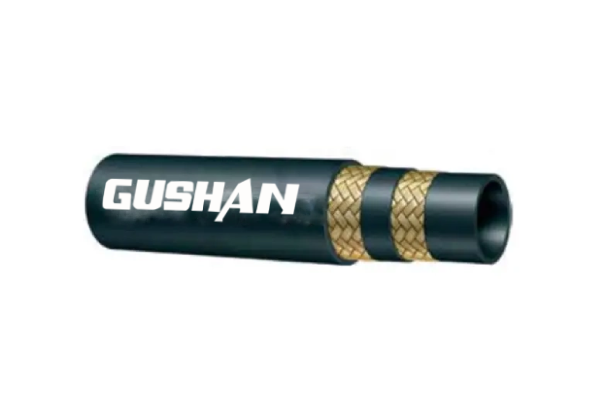
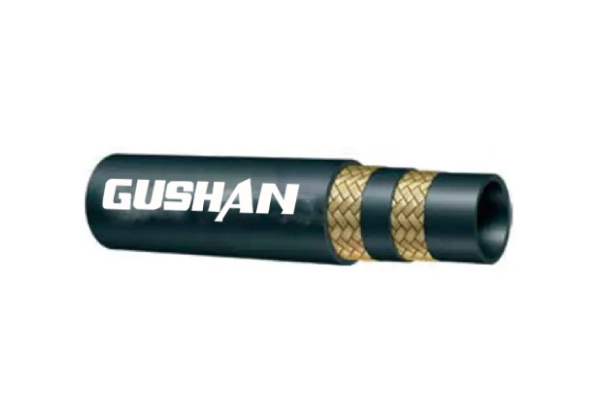
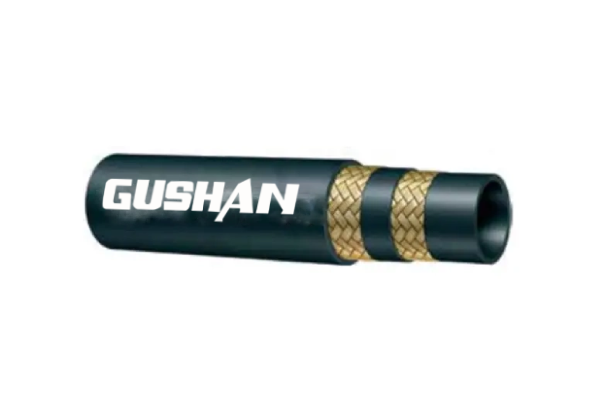
2 wire hydraulic hoses feature two layers of braided steel wire, increasing pressure capacity and strength. They are widely used in medium to high-pressure systems that require a balance between durability and flexibility.
The dual wire structure improves resistance to pressure spikes and fatigue. 2 wire hoses are common in construction equipment, agricultural machinery, and industrial hydraulics where consistent pressure performance and longer service life are required.
Two wire braided layers are used in hose types like SAE 100R2AT and EN 853 2SN. These hoses handle higher pressure than single wire designs and are widely applied in construction machinery, agricultural equipment, and general industrial hydraulics.
4 Wire Reinforcement Layer
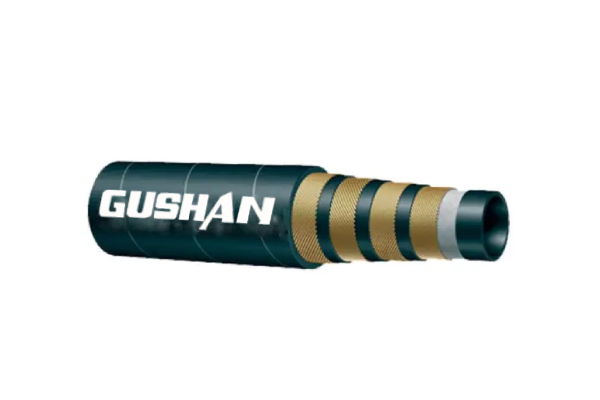
4 wire hydraulic hoses are reinforced with four layers of steel wire, either braided or spiral. This design supports high working pressures and demanding operating conditions in heavy-duty hydraulic systems.
These hoses are typically used in industrial machinery, mining, and construction equipment. The added reinforcement provides strong burst resistance, improved safety margins, and reliable performance under continuous high-pressure operation.
Four wire reinforcement appears in hoses such as EN 856 4SP, EN 856 4SH, and SAE 100R12. These hoses are designed for high-pressure applications, offering strong burst resistance and durability for mining, heavy equipment, and industrial systems.
6 Wire Reinforcement Layer
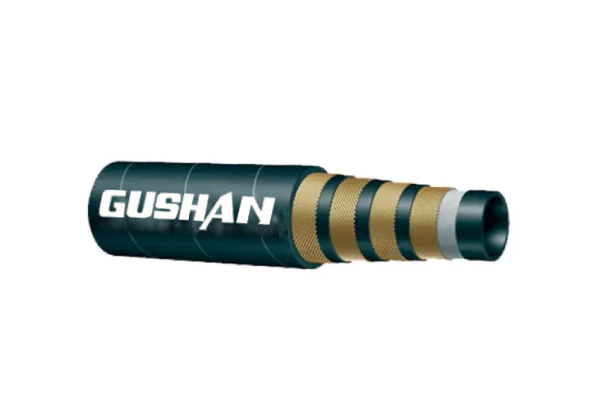
6 wire hydraulic hoses use six spiral steel wire layers to handle ultra-high-pressure applications. This reinforcement structure delivers maximum strength and pressure resistance for extreme hydraulic environments.
Commonly found in mining, offshore, and heavy construction equipment, 6 wire hoses are built for severe conditions. While less flexible, they offer exceptional durability, pressure stability, and long service life under intense hydraulic loads.
Six wire spiral reinforcement is used in hose standards like SAE 100R13 and SAE 100R15. These hoses are built for extreme pressure environments, delivering maximum strength and safety in mining, offshore, and heavy construction hydraulic systems.
Here is the chart showing you the different hydraulic hose reinforcement layers:
| Reinforcement Type | Wire Layers | Pressure Level | Flexibility | Typical Applications |
|---|---|---|---|---|
| 1 Wire | Single braided wire | Low to medium | Very flexible | Return lines, light machinery |
| 2 Wire | Double braided wire | Medium to high | Flexible | Construction, agriculture, industrial |
| 4 Wire | Four wire braided or spiral | High | Moderate | Mining, heavy equipment, industrial |
| 6 Wire | Six spiral wire layers | Very high | Lower | Mining, offshore, extreme pressure systems |
How to Choose Hydraulic Hose Layers
Choosing the right hydraulic hose layers is essential for system safety, efficiency, and service life. Each layer affects pressure capacity, flexibility, and resistance to environmental factors. By understanding operating conditions and system demands, users can select hose layers that perform reliably and reduce the risk of failure in hydraulic applications.
- Determine Working Pressure: Start by identifying the maximum working pressure of your hydraulic system. Hose reinforcement layers must meet or exceed this pressure rating. Selecting insufficient layers increases failure risk, while proper pressure matching ensures safe operation and consistent hydraulic performance.
- Consider Flexibility Needs: Evaluate how much movement and bending the hose will experience. Applications with tight routing or constant motion benefit from fewer wire layers, while straight or static installations can support more reinforcement without compromising performance.
- Check Fluid Compatibility: Different fluids interact with hose materials in unique ways. Ensure the inner tube and reinforcement are compatible with the hydraulic fluid used to prevent degradation, swelling, or internal damage that can weaken hose layers over time.
- Evaluate Environmental Conditions: Temperature extremes, abrasion, chemicals, and weather exposure affect hose layer durability. Choosing appropriate outer covers and reinforcement types helps protect internal layers, extending hose life and maintaining safe operation in harsh working environments.
- Match Industry Standards: Always select hose layers that comply with recognized standards such as SAE or EN. Standard-compliant hoses ensure correct layer construction, pressure ratings, and performance consistency across industrial, construction, and mobile hydraulic systems.
Conclusion
Understanding hydraulic hose layers is essential for ensuring safe and efficient system operation. Each layer contributes to pressure resistance, flexibility, and environmental protection. When these layers are properly designed and matched to application requirements, hydraulic hoses perform reliably even under demanding working conditions.
Selecting the right hose structure also reduces maintenance risks and unexpected downtime. Proper knowledge of inner tubes, reinforcement types, and covers allows users to avoid premature failures, improve system efficiency, and protect connected components across industrial and mobile hydraulic applications.
For consistent performance and dependable supply, sourcing matters. Get wholesale hydraulic hoses from our Gushan Rubber, where material selection, manufacturing control, and testing standards ensure reliable hose layers designed to meet pressure requirements and long-term service expectations across global hydraulic markets.