Hydraulic hoses are a vital component in fluid transfer systems, and their flexibility plays a crucial role in performance and efficiency. The ability of a hose to bend without compromising its structure ensures smoother operation, particularly in complex systems with limited space. Understanding hydraulic hose flexibility is essential for selecting the right hose for your needs.
Flexibility influences not only installation but also the overall durability and longevity of the hose. In hydraulic systems, where pressure and movement are common, a flexible hose helps minimize wear and tear. This blog explores why flexibility matters, how it affects system efficiency, and how to choose the right flexible hose for your application.
What is Hydraulic Hose Flexibility?
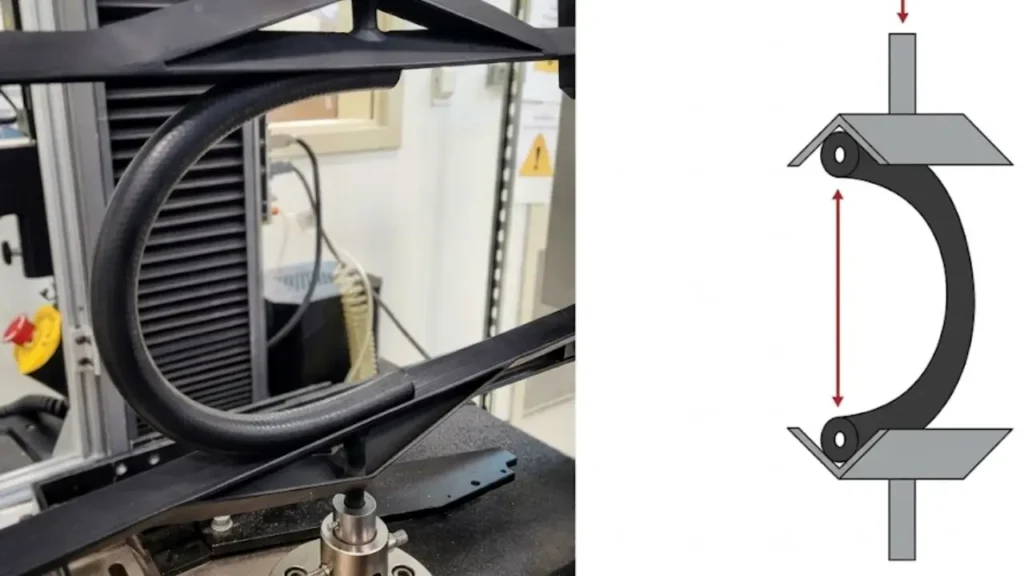
Hydraulic hose flexibility refers to the ability of a hose to bend and conform to various shapes without compromising its integrity or performance. It is a critical characteristic, especially in systems with limited space or dynamic movement.
Flexible hoses allow for easier installation, better fluid flow, and reduced risk of damage from pressure, vibrations, or external forces. The level of flexibility depends on the hose’s construction materials and design, balancing between durability and ease of use in different applications.
Hydraulic Hose Flexibility Factors
Hydraulic hose flexibility is influenced by several factors that determine its performance in various applications. Understanding these factors is essential for selecting the right hose for specific tasks.
- Construction Materials: The materials used in the hose construction, such as rubber, thermoplastic, or composite materials, directly impact its flexibility. Rubber hoses generally offer more flexibility, while thermoplastic hoses are more rigid but can resist higher temperatures and pressures.
- Reinforcement Layers: Hoses often contain reinforcement layers, such as steel wire or textile braids, which enhance strength but reduce flexibility. The type, number, and arrangement of these layers affect how easily the hose bends and flexes under pressure.
- Internal Diameter: The internal diameter of the hose determines how much the hose can bend. A smaller diameter hose is generally more flexible, but it can also reduce the overall flow rate and pressure capacity, making it suitable for specific low-flow applications.
- Operating Temperature: The temperature range in which a hose operates can affect its flexibility. Extreme temperatures, both hot and cold, can cause materials to stiffen or degrade, reducing the hose’s ability to maintain flexibility under pressure.
- Bend Radius: The bend radius refers to the minimum curve a hose can handle without compromising its performance. A smaller bend radius means better flexibility, but excessive bending can lead to kinking and damage, impacting the hose’s durability and performance.
How to Measure Hydraulic Hose Flexibility?
Measuring hydraulic hose flexibility involves a few straightforward steps to assess how well the hydraulic hose performs under bending or twisting conditions. This process ensures that the hydraulic hose can be used effectively in various operational environments.
Tools Needed
- Ruler or measuring tape
- Hydraulic hose test rig
- Clamp
- Bending fixture
Step 1: Measure the Hydraulic Hose’s Bend Radius
Start by measuring the hydraulic hose’s bend radius, which is the minimum radius the hydraulic hose can bend without kinking or damaging. Use a ruler or measuring tape to measure the curve at which the hydraulic hose remains intact under pressure, ensuring it stays within the recommended limits for flexibility.
Step 2: Test the Hydraulic Hose’s Flexibility Under Pressure
Next, test the hydraulic hose under operational pressure by clamping it to a hydraulic test rig. Gradually apply pressure and observe how much the hydraulic hose can bend before showing signs of stress or resistance. This will help determine how well the hydraulic hose maintains flexibility under load and pressure conditions.
Step 3: Observe Temperature Effects on Flexibility
To evaluate how temperature affects flexibility, expose the hydraulic hose to different temperatures. Place it in a controlled environment at high and low temperatures, then measure its flexibility at each point. Extreme temperatures may cause the hydraulic hose to become more rigid or soft, influencing its overall bending capability.
Step 4: Check for Permanent Deformation
After testing the hydraulic hose’s flexibility, examine whether any permanent deformation has occurred. If the hydraulic hose shows any signs of permanent bending, kinking, or stretching, it indicates that the hydraulic hose’s flexibility is compromised. This step is crucial for ensuring the hydraulic hose can withstand long-term usage in flexible applications.
How to Choose Proper Hydraulic Hose Flexibility?
Selecting the right hydraulic hose flexibility is crucial for ensuring optimal performance in specific applications. The correct flexibility will depend on several factors, including the type of system, operating environment, and hose material. Below are key considerations when choosing the appropriate hydraulic hose flexibility.
- Application Requirements: Choose a hydraulic hose with the appropriate flexibility for the specific task. For systems with tight bends or limited space, a more flexible hose is needed. On the other hand, systems that require straight-line runs or high-pressure endurance may benefit from a hose with less flexibility but greater durability.
- Operating Temperature Range: Consider the temperature conditions in which the hydraulic hose will operate. A hose that will be exposed to extreme temperatures—either hot or cold—should be flexible enough to adapt to these conditions without becoming brittle or overly soft. Select hoses that maintain flexibility within the required temperature range.
- Pressure and Flow Requirements: Evaluate the system’s pressure and flow demands. High-pressure applications often require a hose that is stiffer to maintain its integrity under pressure, while lower-pressure applications allow for greater flexibility. Ensuring the hose’s flexibility is balanced with its pressure capacity will optimize performance.
- Bend Radius Limitations: The hose should be able to bend within the system’s space constraints without exceeding the minimum bend radius. Choosing a hose with the correct flexibility ensures that it won’t kink or damage during operation, while still accommodating required movement within the system.
- Material Compatibility: The hose material plays a significant role in flexibility. Rubber hoses tend to be more flexible, whereas thermoplastic and composite hoses may offer less flexibility but greater resistance to chemicals or extreme environments. Choose a material that matches both flexibility needs and environmental resistance.
Conclusion
Hydraulic hose flexibility is an essential factor that impacts the overall performance, longevity, and ease of installation in various systems. A more flexible hose offers smoother operation, reducing the risk of kinks and strain that can lead to hose failure. It also allows for better fluid flow and pressure management, ensuring the system functions optimally.
When selecting hydraulic hoses for your projects, understanding the role of flexibility helps you make informed decisions that will improve system efficiency and reduce maintenance costs. Choosing the right flexibility ensures your hoses perform well under various pressures and temperatures, meeting the demands of your application without frequent replacements or repairs.
For reliable, high-quality flexible hydraulic hoses, get wholesale options from Gushan Rubber. We offer durable and flexible hoses suitable for various industrial and commercial applications. Contact us today to find the perfect hydraulic hose solution for your business needs, ensuring long-term performance and reliability in all your hydraulic systems.