Hydraulic hose bursts can have catastrophic consequences, leading to equipment damage, injuries, and even fatalities. Understanding the factors that contribute to hose failure is crucial for preventing such incidents.
In this blog post, we will delve into the common causes of hydraulic hose bursts and discuss preventive measures to ensure the safety and reliability of your hydraulic systems.
Why Do Hydraulic Hose Burst
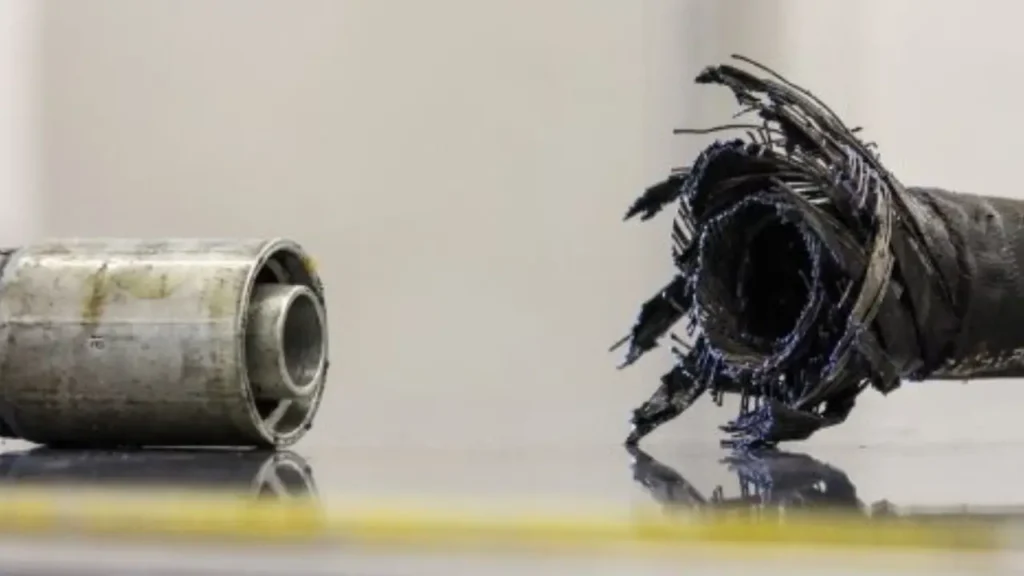
The hydraulic hose burst is one of the hydraulic hose failure reasons, which can lead to significant safety risks, equipment damage, and costly downtime. Understanding the root causes of these failures is crucial for implementing effective preventive measures.
1. Excessive Pressure
- Overpressurization: Operating the hydraulic system beyond the hose’s rated pressure is a common cause of burst failures. This can occur due to system malfunctions, operator error, or design flaws.
- Pressure Surges: Sudden pressure spikes, often caused by pump cavitation, valve slamming, or rapid load changes, can exceed the hose’s pressure rating and lead to catastrophic failure.
- System Malfunction: Faulty pumps, valves, or other components can cause excessive pressure buildup in the hydraulic system, increasing the risk of hose failure.
2. Improper Installation and Maintenance
- Incorrect Fitting: Improperly installed fittings can weaken the hose and create stress points, leading to leaks and potential bursts.
- Excessive Bending: Exceeding the hose’s minimum bend radius can cause internal damage and weaken the hose material.
- Insufficient Support: Inadequate support for the hose can lead to excessive stress and vibration, accelerating wear and tear.
- Lack of Regular Inspection: Failing to inspect hoses regularly for signs of wear, damage, or leaks can lead to unexpected failures.
3. External Damage
- Abrasion: Friction against nearby components can wear down the hose’s outer cover and reinforcement layers.
- Puncture: Impact from sharp objects or debris can cause punctures in the hose, leading to fluid leakage.
- Chemical Exposure: Exposure to incompatible chemicals can degrade the hose material, reducing its strength and flexibility.
4. Heat Damage
- High-Temperature Exposure: Prolonged exposure to high temperatures can accelerate the aging process of the hose material, making it more susceptible to failure.
- Thermal Fatigue: Repeated exposure to temperature fluctuations can cause thermal stress and fatigue, leading to cracking and eventual failure.
5. Fluid Incompatibility
- Chemical Degradation: Using incompatible hydraulic fluids can degrade the hose material, reducing its strength and flexibility.
- Corrosion: Certain fluids can cause corrosion of the hose’s metal components, leading to weakened connections and potential leaks.
Here’s a table showing some potential reasons why hydraulic hoses burst:
| Reason | Description |
|---|---|
| High Pressure | Exceeding the hose’s pressure rating, sudden pressure surges. |
| Excessive Heat | High temperatures weaken the hose material, degrade hydraulic fluid. |
| Abrasion | Wear and tear from rubbing against other components. |
| Fatigue | Repeated flexing and bending weakens the hose structure. |
| Improper Installation | Incorrect fittings, improper crimping, sharp bends. |
| Chemical Exposure | Exposure to incompatible chemicals degrades the hose material. |
| Age and Wear | Natural deterioration over time due to use and environmental factors. |
By understanding these common causes of hydraulic hose failure, you can implement preventive measures to minimize the risk of accidents and equipment damage. Regular inspection, proper maintenance, and the use of high-quality hoses are essential for ensuring the safety and reliability of your hydraulic systems.
Hydraulic Hose Burst Symptoms
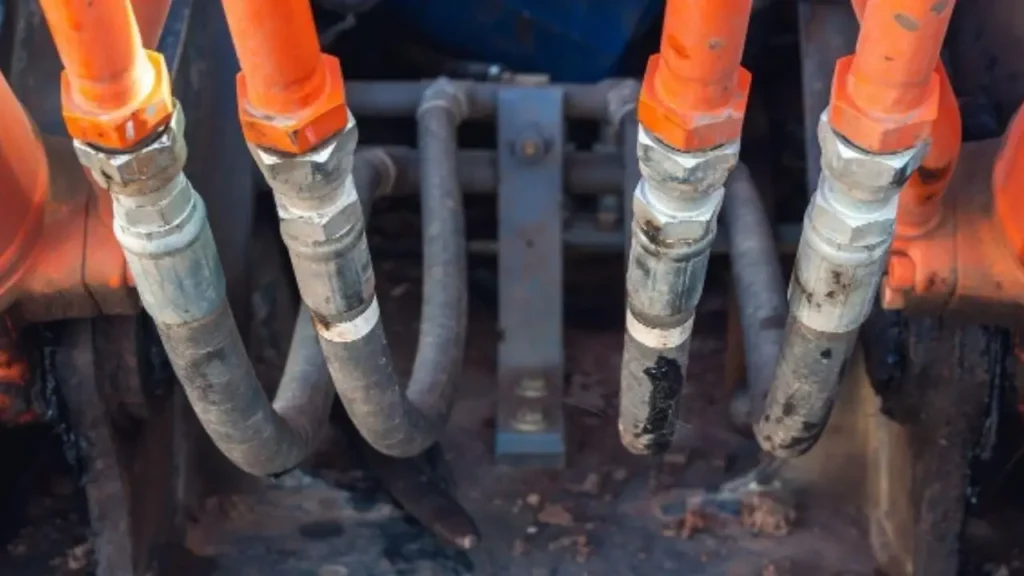
A hydraulic hose burst can cause serious equipment damage, operational delays, and safety hazards. Recognizing early symptoms is essential for preventing catastrophic failures. Understanding warning signs allows operators to take prompt action, replace hoses, and maintain smooth, safe, and efficient operation of forklifts, industrial machinery, and other hydraulic systems.
- Visible Leaks: Fluid escaping from the hose indicates a breach in the hose wall or fittings. Leaks may appear as drips, sprays, or puddles and often worsen over time. Prompt identification and replacement prevent pressure loss, reduce environmental hazards, and maintain safe hydraulic system performance.
- Bulging or Swelling: Hoses that develop bulges or swell under pressure signal weakened material or internal damage. Bulges can rupture suddenly if not addressed. Regular inspections for abnormal hose shapes help detect issues early, allowing timely replacement and preventing dangerous bursts or system failure.
- Kinking or Twisting: Improperly routed or damaged hoses may kink or twist, restricting hydraulic fluid flow. Restricted flow increases internal pressure, accelerating hose wear and increasing the risk of bursting. Correct routing, secure installation, and monitoring for twists prevent long-term damage and maintain performance.
- Unusual Noises: Hissing, knocking, or unusual sounds from the hydraulic system may indicate leaks, air ingress, or hose failure. Noise often precedes visible damage, giving operators an early warning. Investigating and addressing these sounds promptly reduces the likelihood of a full hose burst.
- Pressure Fluctuations: Sudden drops or spikes in hydraulic pressure can signal a failing hose. Inconsistent pressure reduces attachment performance and stresses other components. Monitoring system pressure regularly allows early detection of hose weakening, enabling preventative replacement to ensure safe and efficient hydraulic operation.
Hydraulic Hose Burst Symptoms Chart:
| Symptom | Cause | Preventive Action |
|---|---|---|
| Visible Leaks | Hose wall or fitting failure | Regular inspection, timely replacement |
| Bulging or Swelling | Weak hose material or internal damage | Inspect for deformities, replace damaged hoses |
| Kinking or Twisting | Improper routing | Proper installation, maintain correct bend radius |
| Unusual Noises | Air ingress or minor leaks | Monitor system, investigate abnormal sounds |
| Pressure Fluctuations | Failing or weakened hose | Track pressure readings, replace hoses proactively |
Hydraulic Hose Burst Pressure
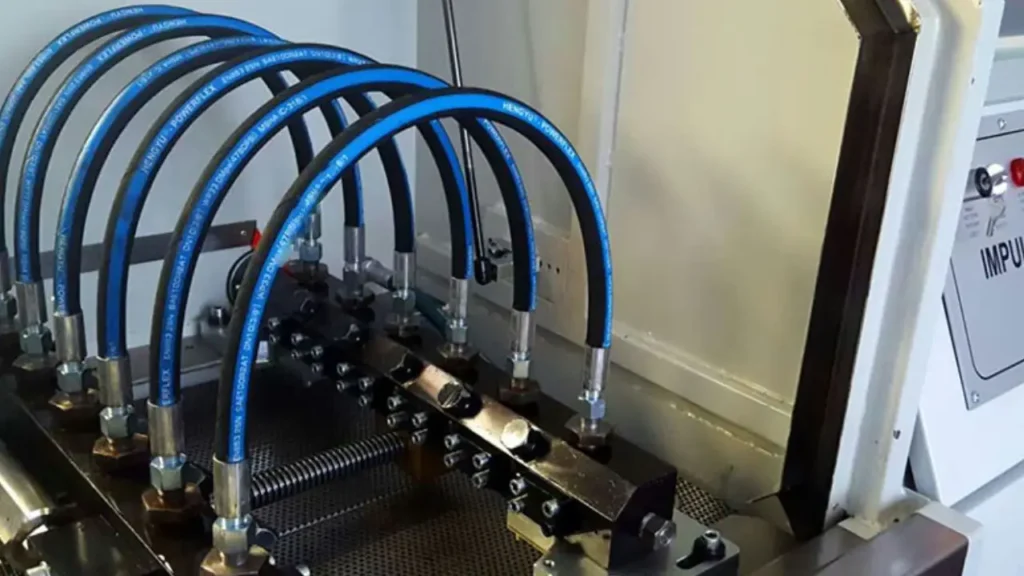
Hydraulic hose burst pressure refers to the maximum pressure a hose can withstand before rupturing. This pressure is typically significantly higher than the hose’s working pressure rating.
Why is burst pressure important?
- Safety: A higher burst pressure provides a safety margin, reducing the risk of catastrophic failure.
- Reliability: A hose with a higher burst pressure is less likely to fail under normal operating conditions.
- Peace of Mind: Knowing that your hoses can withstand unexpected pressure spikes can give you peace of mind.
Factors Affecting Burst Pressure:
- Hose Material: The type of material used in the hose construction significantly affects its burst pressure.
- Hose Design: The design of the hose, including the number of layers and reinforcement, influences its burst pressure.
- Temperature: Extreme temperatures can affect the hose’s material properties and reduce its burst pressure.
- Fluid Compatibility: Using incompatible fluids can degrade the hose material, lowering its burst pressure.
It’s crucial to select hydraulic hoses with a suitable burst pressure rating for your specific application. Always consult the manufacturer‘s specifications and consider factors such as working pressure, temperature range, and fluid compatibility.
Remember: While a high burst pressure is important, it’s equally important to avoid exceeding the hose’s working pressure rating during normal operation. Proper maintenance, regular inspection, and timely replacement of worn-out hoses are essential for ensuring the safety and reliability of your hydraulic system.
Hydraulic Hose Burst Protection Sleeve
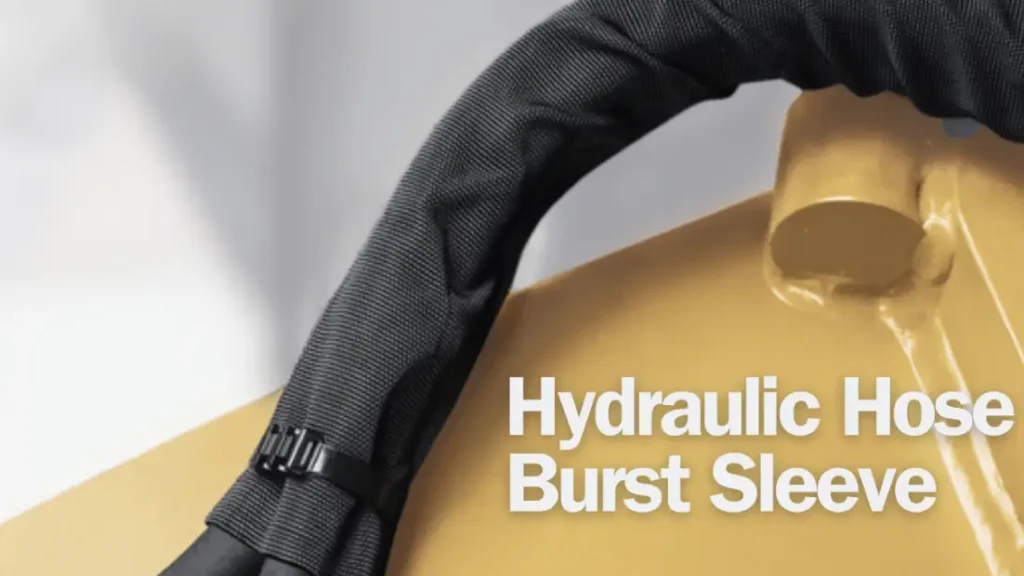
A hydraulic hose burst protection sleeve is a safety device designed to minimize the impact of a hydraulic hose rupture.
Here’s how burst protection sleeve for hydraulic hoses work and their benefits:
How they work:
Containment: The primary function is to contain the forceful ejection of hydraulic fluid when a hose bursts.This prevents the fluid from spraying uncontrollably, which can cause:
- Injury to personnel: High-pressure fluid can cause serious injuries, including eye damage and skin lacerations.
- Equipment damage: The spray can damage nearby equipment, electronics, and even cause fires.
- Energy Absorption: Some sleeves are designed to absorb some of the energy released during a burst, reducing the force of the fluid ejection.
Benefits:
- Improved Safety: Significantly reduces the risk of injury to personnel and damage to equipment.
- Reduced Downtime: Containing the fluid and minimizing damage can help reduce equipment downtime for repairs and cleaning.
- Environmental Protection: Prevents the release of hydraulic fluid into the environment, which can be harmful to soil and water.
- Compliance: In many industries, burst protection sleeves are required by safety regulations and industry standards.
Types of Sleeves:
- Nylon Braided Sleeves: Common and cost-effective, offering good abrasion resistance and some burst containment.
- Metal Braided Sleeves: Provide higher levels of burst protection and abrasion resistance, but can be more expensive.
- High-Tech Composite Sleeves: Offer advanced features like flame resistance, chemical resistance, and superior burst containment.
Key Considerations:
- Hose Size and Pressure: Choose a sleeve that is compatible with the size and pressure rating of the hydraulic hose.
- Application: Consider the specific application and environment (e.g., temperature, chemicals, abrasion) to select the appropriate sleeve material.
- Installation: Proper installation is crucial for effective burst protection. Follow manufacturer‘s instructions carefully.
Other Hydraulic Hose Failure Types
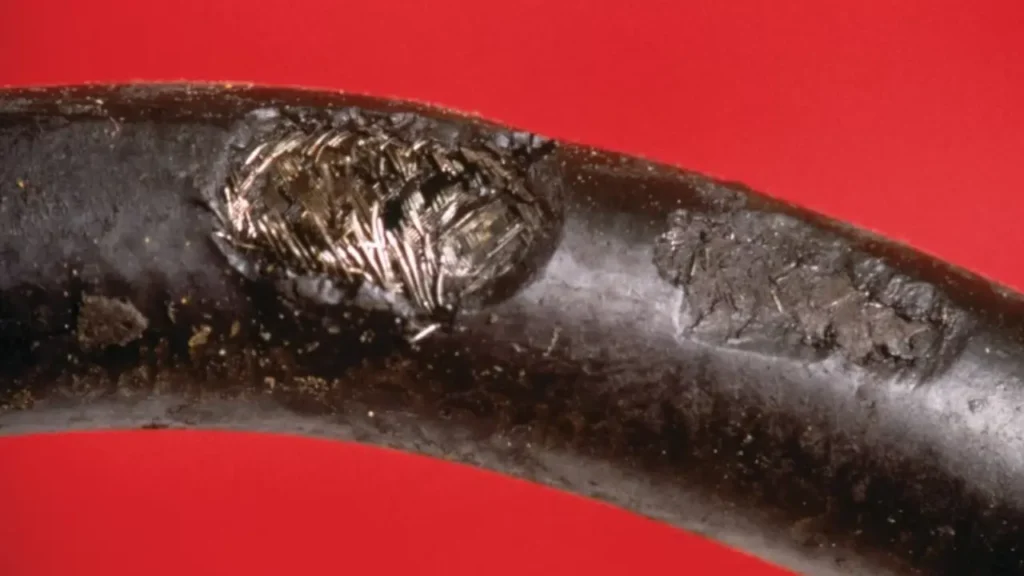
Hydraulic hoses can fail in multiple ways beyond bursting, affecting system performance, safety, and efficiency. Understanding different types of hose failure helps operators identify issues early and take preventive measures. Regular inspections, proper installation, and correct usage extend hose life and prevent costly downtime in forklifts, industrial machinery, and other hydraulic systems.
- Abrasion Damage: Hoses exposed to rubbing against surfaces or sharp edges can develop wear marks or cuts. Abrasion reduces wall thickness, leading to leaks or ruptures. Using protective sleeves, proper routing, and maintaining clearance from moving parts prevents damage and ensures reliable long-term hydraulic operation.
- Kinking or Twisting: Improper hose installation or routing can cause kinks or twists, restricting fluid flow. This increases pressure stress on the hose, leading to premature failure. Ensuring correct bend radius and secure routing maintains smooth flow, minimizes stress, and extends hose lifespan in high-pressure applications.
- Chemical Degradation: Contact with incompatible hydraulic fluids, oils, or environmental chemicals can weaken hose materials. Degradation causes swelling, softening, or cracking, compromising hose integrity. Selecting hoses compatible with fluids and avoiding exposure to harmful substances protects performance and reduces the risk of leaks or catastrophic failure.
- Heat Damage: Excessive operating temperatures or exposure to heat sources can deteriorate hose material. Overheating causes hardening, cracking, or blistering, reducing flexibility and strength. Proper insulation, cooling systems, and selecting temperature-rated hoses help maintain functionality and prevent failures in harsh industrial environments.
- End Fitting Failures: Failures can occur at hose fittings due to improper installation, corrosion, or wear. Loose or damaged fittings may leak or detach under pressure, leading to system failure. Correct crimping, secure connections, and periodic inspection ensure fittings remain reliable and maintain hydraulic system safety.
Conclusion
Hydraulic hose bursts are often preventable when proper maintenance, installation, and inspection routines are followed. Regularly checking for wear, leaks, or bulges can help detect early warning signs and prevent dangerous system failures that could lead to downtime or costly repairs.
Choosing the right hose for your pressure range and fluid type is equally important. High-quality hoses with reinforced layers offer superior resistance to cracking and bursting, while proper fittings ensure secure connections. Maintaining the recommended bend radius and avoiding over-tightening can also reduce stress on the hose assembly.
At Gushan Rubber, we manufacture durable and reliable hydraulic hoses designed to withstand demanding applications. Our hoses are engineered for long service life, excellent pressure resistance, and superior flexibility. Contact us today to get wholesale hydraulic hoses from Gushan Rubber and keep your hydraulic systems safe and efficient.