A leaking braided hose can disrupt your plumbing, automotive, or industrial systems, causing inefficiency, damage, or safety risks. Identifying the cause of the leak and knowing the proper repair techniques can save time, money, and prevent further issues. Our step-by-step guide walks you through the process clearly and effectively.
In this guide, we cover everything from diagnosing common leak causes to practical repair methods, including tightening, sealing, or replacing components. Whether you are a DIY enthusiast or a professional, our instructions help you restore your braided hose to full functionality safely and reliably.
Why Do Braided Hoses Leak?
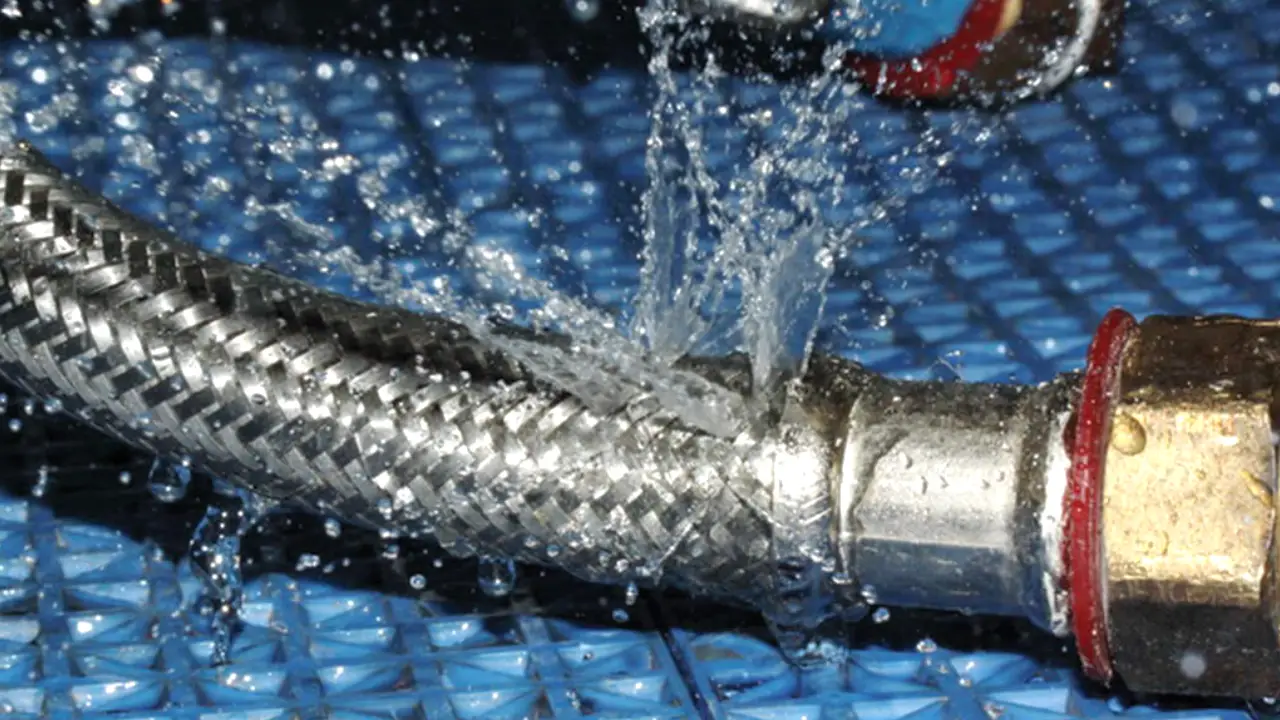
Braided hoses are essential for many plumbing and automotive applications, but leaks can occur due to several factors. Understanding why these hoses fail helps prevent damage, maintain safety, and extend hose life. We explain the common causes of leaks and how to address them effectively.
- Wear and Tear: Over time, braided hoses experience natural wear and tear from constant pressure, temperature changes, and bending. We monitor hose condition to prevent deterioration, replacing worn sections before they fail. Proper maintenance ensures the hose remains strong, flexible, and leak-free under daily use.
- Improper Installation: Incorrect hose installation, such as overtightening or misalignment, can damage the hose or fittings. We carefully guide installation to avoid stress points, ensuring connections are secure without causing leaks. Properly installed hoses last longer, perform efficiently, and reduce the risk of sudden failures.
- Corrosion and Chemical Damage: Exposure to corrosive substances or harsh chemicals can weaken the hose or fittings. We select rubber materials resistant to chemical attack and inspect hoses regularly. By preventing corrosion and chemical damage, we maintain the hose’s integrity and ensure safe, reliable fluid transfer.
- High Pressure or Temperature Fluctuations: Extreme pressure or sudden temperature changes can strain hoses beyond their capacity. We recommend hoses rated for your specific conditions and provide guidelines to manage stress. This reduces the risk of ruptures, prolongs hose life, and maintains consistent performance under challenging environments.
Can We Repair a Braided Hose?
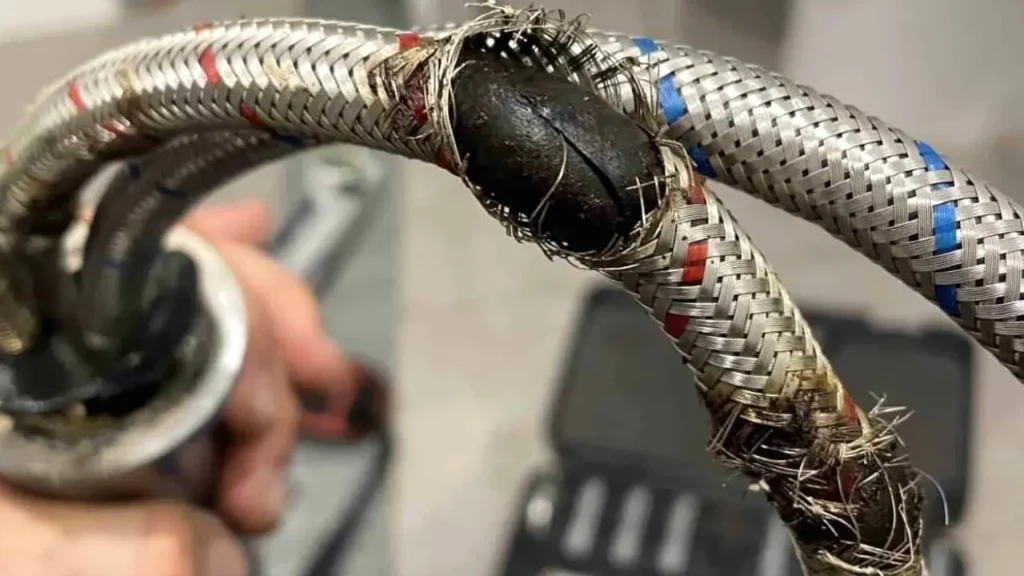
Yes, braided hoses can often be repaired depending on the type and location of the damage. Small leaks or damaged fittings can sometimes be fixed by replacing the affected section or tightening connections. We carefully assess the hose to determine if a repair is safe and effective, ensuring continued reliable performance.
However, not all braided hose damage is repairable. Severe wear, extensive corrosion, or fraying of the braid usually requires a full replacement to maintain safety and functionality. We prioritize quality and safety, recommending replacement when necessary to prevent leaks, equipment damage, or potential hazards in your system.
What is the Life Expectancy of a Braided Water Hose?
The life expectancy of a braided water hose depends on its material, usage, and maintenance. High-quality hoses made from stainless steel or reinforced synthetic materials typically last between 5 and 10 years under normal household or commercial conditions. Proper hose installation and careful handling also play a key role in longevity.
Frequent exposure to high water pressure, extreme temperatures, or harsh chemicals can reduce a hose’s lifespan. Regular inspections for signs of wear, fraying, or corrosion help prevent unexpected leaks and ensure safe operation. Timely maintenance can significantly extend the hose’s usable life.
Ultimately, even the best braided hoses will eventually need replacement. We recommend monitoring your hose’s condition regularly and replacing it at the first sign of damage or aging. This proactive approach helps avoid costly repairs, water damage, and safety hazards.
How to Fix a Leaking Braided Hose?
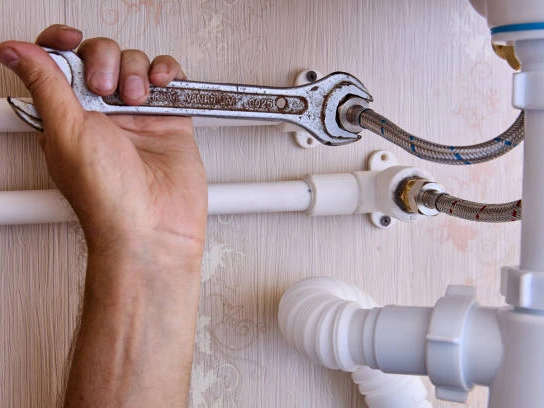
If you’ve determined the leak is at the fitting, we can guide you through the process of fixing it. We follow a careful procedure to ensure the repair is safe and effective.
Step 1: Safely Depressurize the System
Before you do anything, you must relieve all pressure from the system. For a fuel line, this means shutting off the fuel pump and depressurizing the system according to the manufacturer’s instructions. For hydraulic systems, you must bleed the lines. Safety is our top priority, and working on a pressurized line is extremely dangerous.
Step 2: Disconnect and Inspect the Fitting
Using the correct wrenches, we carefully disconnect the leaking fitting. We then thoroughly inspect the threads on both the hose fitting and the component it connects to. We look for any signs of damage, such as stripped or cross-threaded threads. We also inspect the sealing surface for any debris, nicks, or cracks.
Step 3: Check and Replace the Seal
Many braided hose fittings use an O-ring or a conical sealing surface to create a leak-proof connection. If a rubber O-ring is present, we check it for dryness, cracks, or damage. If it looks less than perfect, we replace it with a new O-ring of the exact same size and material. If the fitting uses a conical seal, we check for scratches or burrs on the sealing surface.
Step 4: Reconnect and Tighten the Fitting
With the threads cleaned and the seal replaced, we carefully re-thread the fitting back into the component. We always start by hand-tightening to avoid cross-threading.
Once we feel resistance, we use the correct wrenches to tighten it to the manufacturer’s specified torque. Over-tightening can damage the threads and cause a new leak, so we always use a torque wrench when possible.
Step 5: Test for Leaks
After the repair, we re-pressurize the system and carefully check for any signs of a leak. We use a flashlight and a paper towel to look for any moisture around the fitting. A small amount of liquid is still present, so we wait a few minutes to ensure no new leak is forming. If the leak is gone, the repair was successful. If not, the fitting or the hose end might be damaged beyond repair, and replacement is the only safe option.
What to Do if You Need to Replace the Hose?
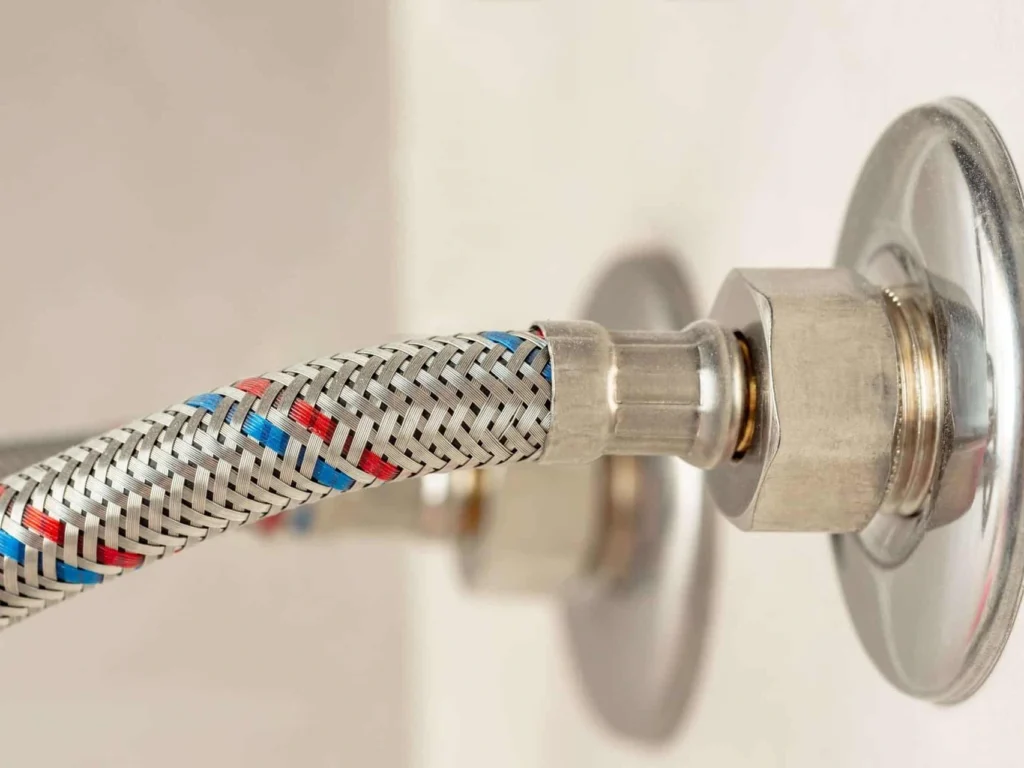
When your braided hose shows signs of severe wear or deep cracks, immediate replacement is the safest solution to prevent major flooding. We recommend acting quickly to swap out the compromised line, ensuring your plumbing system remains secure and functional.
Follow these straightforward steps to get the job done right and protect your home from sudden leaks.
- Turn off the water supply first: Before you start any work, you must locate the shut-off valve for the specific appliance or fixture and turn it completely clockwise. This critical step stops the flow of water, preventing a messy spray while you remove the old hose and protects your space from accidental flooding during the maintenance process.
- Remove the compromised hose carefully: Use an adjustable wrench to loosen the connection nuts at both ends of the braided hose, being prepared for a small amount of residual water to leak out. Hold a small bucket underneath the connection points to catch any remaining liquid, ensuring that you keep the surrounding area dry and clean throughout.
- Install the new replacement line: Check that the new hose has fresh rubber gaskets inside the connectors before screwing it onto the supply valve and the device. Tighten both ends firmly by hand, then give them an extra quarter-turn with your wrench to ensure a watertight seal, but be careful not to overtighten and damage the threads.
Why Choose Our Braided Hoses?
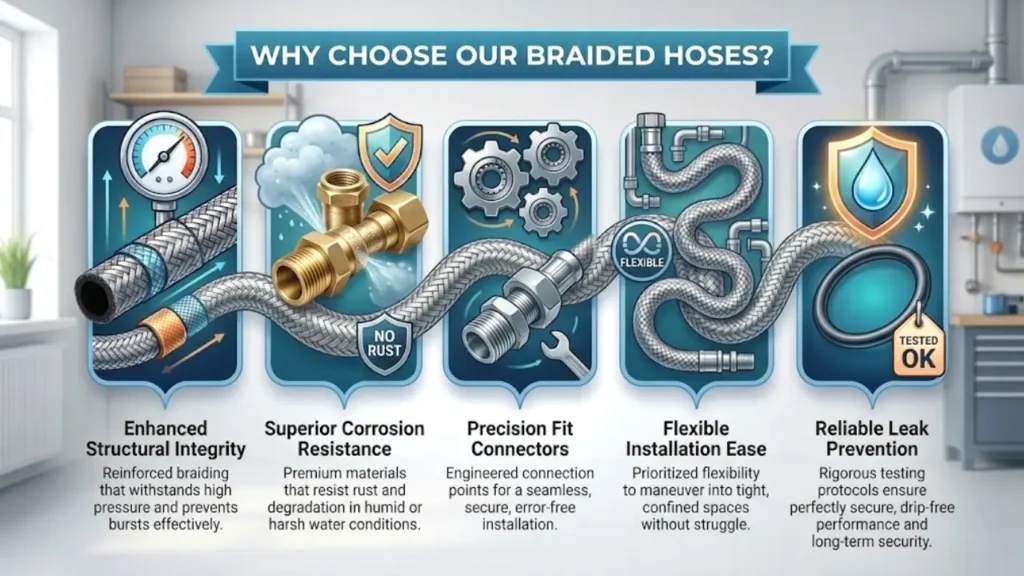
When you look for reliable plumbing solutions, choosing the right components can make a world of difference to your peace of mind. We design our braided hoses to offer exceptional durability and long-term performance under demanding conditions.
By choosing our products, you invest in superior craftsmanship that keeps your home safe and ensures your water systems function smoothly for many years ahead.
- Enhanced structural integrity: We construct our hoses with reinforced braiding that withstands high pressure and prevents bursts effectively. This robust design provides an extra layer of security for your appliances, giving you the confidence that your plumbing setup will remain intact and leak-free even during periods of heavy usage or intense system pressure.
- Superior corrosion resistance: We use premium materials that resist rust and corrosion, even in humid environments or harsh water conditions. This material selection ensures the exterior braid remains strong and pristine over time, maintaining the overall look and safety of your connections without the typical concerns of oxidation or surface damage.
- Precision fit connectors: We engineer every connection point for a seamless installation experience that minimizes the risk of human error during setup. These precision fittings ensure a tight, secure bond between your water supply and appliance, which simplifies the assembly process and guarantees that you have a reliable, drip-free connection right from the start.
- Flexible installation ease: We prioritize flexibility in our hose design, making it simple for you to maneuver into tight spaces during installation. This ease of use means you can connect appliances in confined utility closets or behind fixtures without struggling with stiff materials, allowing for a stress-free and accurate fitting regardless of your installation environment.
- Reliable leak prevention: We implement rigorous testing protocols on every hose to verify that seals are perfectly secure before they reach you. This commitment to testing means you receive a product that is ready to perform immediately, significantly reducing the chances of unexpected drips and protecting your property from water damage caused by faulty hardware.
Conclusion
Fixing a leaking braided hose doesn’t have to be complicated. By identifying the root cause, following step-by-step repair procedures, and taking proper safety precautions, you can restore your hose’s functionality efficiently. Regular maintenance and careful handling further prevent future leaks and ensure long-lasting performance.
While minor leaks can be repaired, it’s important to recognize when a hose needs replacement. Severe damage, corrosion, or fraying of the braid compromises safety and efficiency. Using high-quality hoses and inspecting them regularly helps avoid costly downtime and maintains the reliability of your systems.
For those looking to upgrade or replace hoses, get wholesale braided hoses from Gushan Rubber. We offer durable, high-performance braided hoses suitable for automotive, industrial, and home applications. Partner with us for reliable supply, competitive pricing, and solutions that ensure long-lasting efficiency and safety.