We’ve all seen news reports about burst washing machine hoses causing devastating flooding—a disaster we can completely avoid. While braided washing machine hoses are much more reliable than old-fashioned rubber hoses, they aren’t designed to last forever. How often to replace braided washer hoses? In this guide, we’ll explain the importance of regularly replacing hoses.
Why Is a Proactive Approach So Important?
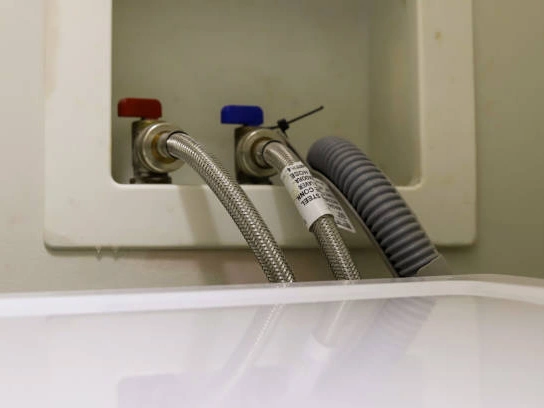
A burst washing machine hose is one of the most common causes of residential water damage. When it happens, the results can be catastrophic—we’ve seen homes with thousands of dollars in damage from just a few minutes of uncontrolled flooding. The insidious part is that the hose often shows no visible signs of a problem until it fails.
We believe that a proactive approach is the only way to ensure peace of mind. By setting a schedule for replacing your braided washer hoses, you take control of the situation and significantly reduce your risk.
What Makes Braided Washer Hoses Special?
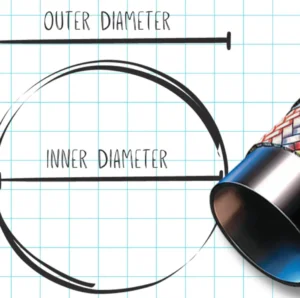
Compared to the old, flimsy rubber hoses that came with washing machines for decades, braided washer hoses are a significant upgrade. They typically feature a flexible inner tube made of rubber or PVC, which is then reinforced with a woven layer of stainless steel. This steel braid provides incredible strength and resistance to burst pressure. It’s designed to prevent the hose from expanding or kinking under pressure, making it far more reliable and durable. This is why we almost always recommend them over standard rubber hoses.
What Are the Signs That My Hoses Need Replacement?
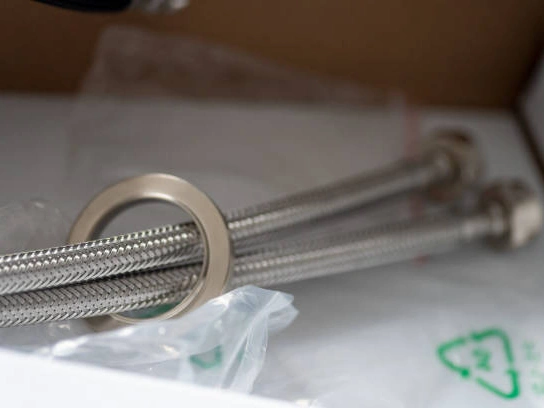
Even with their superior design, braided washer hoses are not invincible. Over time, the materials can degrade, and the constant pressure and temperature changes can take their toll. We recommend a simple, visual inspection at least once a year. Here’s what we look for:
- Rust on the Braid: While the stainless steel braid is corrosion-resistant, it’s not immune. Rust spots can indicate that the braid is starting to break down, weakening the hose. This is a major red flag.
- Bulging or Swelling: If you notice any bulging or swelling on the hose, it means the inner tube is starting to fail, and the braid is the only thing holding it together. A bulge is a sign of a looming rupture and requires immediate replacement.
- Cracking or Brittleness: Even a braided hose can become brittle over time. Feel the hose for a spongy or hard, inflexible texture. Look for tiny cracks or fissures, especially near the fittings.
- Leaking from Fittings: A small leak around the metal fittings is a sign that the connection is failing or the hose itself is compromised. Don’t ignore even a minor drip, as it can quickly turn into a flood.
| Braided Washer Hose Condition | Action Required |
| New, no visible issues | Regular inspection every 6 months. |
| A small drip from a connection | Consider replacement within the year. |
| Small bulge or swelling | Replace immediately. This is an emergency. |
| Visible cracking near fittings | Replace immediately. The hose is about to fail. |
| Small drip from a connection | Minor rust spots on the braid |
| Hose is over 5-7 years old | Proactive replacement is recommended. |
How Often to Replace Braided Washer Hoses
This is the central question, and our answer is based on both expert advice and real-world experience. We believe a scheduled, proactive replacement is the most effective strategy.
- For Optimal Safety: We recommend replacing your braided washer hoses every 5 to 7 years, regardless of their apparent condition. The rubber inner tube can degrade from the inside out, a process you can’t see. By replacing them within this timeframe, you are preventing a failure before it even has a chance to occur.
- For Peace of Mind: For those who want the absolute lowest risk, a 5-year replacement schedule is our strongest recommendation. The cost of a new set of hoses is minimal compared to the potential damage from a burst.
- Minimum Recommendation: At an absolute minimum, replace your hoses every 10 years. However, we strongly advise against waiting this long, especially if your washing machine is on an upper floor of your home or a finished basement.
Why Do Hoses Fail Over Time?
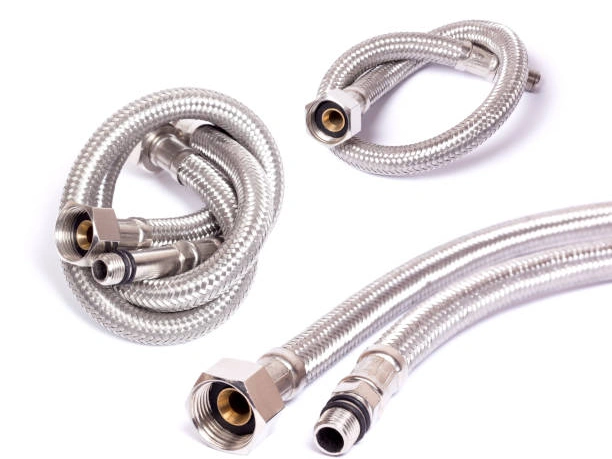
Even a robust braided washer hose is subject to a phenomenon called fatigue. The constant fluctuation of water pressure from the city supply, combined with the hot and cold water cycles of the wash, puts the hose’s components under repeated stress.
The inner rubber liner slowly breaks down, becoming brittle or weak. The stainless steel braid, while strong, can also fatigue over many years of pressure cycles. This is why a hose can look perfectly fine one day and burst the next—the material has reached its breaking point.
What Should We Look for When Buying a New Hose?
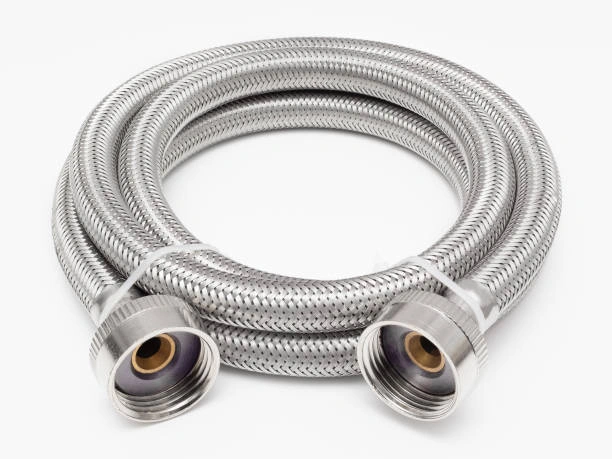
When you go to buy a new set of braided washer hoses, don’t just grab the cheapest option. We always recommend looking for a hose with a high burst pressure rating (often listed on the packaging). Look for hoses with solid brass fittings, which are more durable and less prone to corrosion than plastic or lower-grade metal. A good stainless steel braided hose should feel solid and well-constructed. We also suggest purchasing a hose that is slightly longer than you need to avoid putting any strain on the connections.
Conclusion
Don’t wait for a disaster to happen. The proactive replacement of your braided washer hoses is one of the simplest and most cost-effective ways to protect your home from water damage. We believe in taking control of your home maintenance, and this is a perfect example. By following our recommended replacement schedule and performing a quick annual inspection, you can rest easy knowing you’ve minimized the risk of a flood. This small action can save you from a major headache and a significant financial loss.
Have you ever had a washing machine hose fail? Share your story in the comments below!