When selecting an industrial hose for fluid transfer systems, understanding the differences between corrugated hoses and braided hoses is essential. Both hose types are widely used across industries such as manufacturing, chemical processing, oil and gas, and hydraulic systems, but they offer distinct performance characteristics that suit different applications.
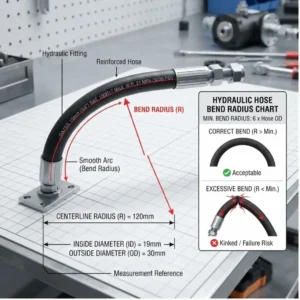
Corrugated hoses are known for their exceptional flexibility and ability to absorb vibration, making them ideal for installations requiring movement or tight bends. Braided hoses, on the other hand, feature reinforced outer layers that enhance pressure resistance and durability. Comparing their construction, performance, and applications can help engineers and buyers choose the most suitable solution for their operational requirements.
What is a Corrugated Hose?
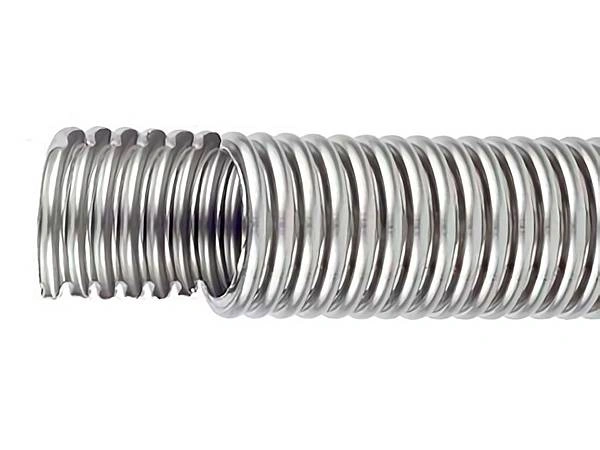
A corrugated hose is a flexible hose designed with a series of ridges and grooves along its wall structure. This corrugated design allows the hose to bend, expand, and absorb vibration without compromising flow performance. Corrugated hoses are commonly manufactured from stainless steel, rubber, or plastic materials and are widely used in industrial fluid transfer, chemical handling, hydraulic systems, and exhaust applications where flexibility and durability are essential.
- Exceptional Flexibility – The corrugated structure enables the hose to bend through tight radii without kinking or restricting fluid flow. This flexibility makes installation easier in confined spaces and complex piping layouts while reducing stress on connected equipment and minimizing the need for additional fittings or connectors.
- Vibration And Movement Absorption – Corrugated hoses effectively absorb mechanical vibrations, thermal expansion, and movement between connected components. This capability helps protect pumps, valves, and machinery from damage caused by constant motion, reducing maintenance requirements and extending the lifespan of the entire fluid transfer system.
- High Temperature Resistance – Many corrugated hoses, particularly stainless steel models, are designed to withstand extreme temperatures. They can safely transport hot fluids, steam, gases, and chemicals while maintaining structural integrity, making them suitable for demanding industrial environments where temperature fluctuations are common.
- Chemical And Corrosion Resistance – Depending on the material used, corrugated hoses can offer excellent resistance to chemicals, oils, fuels, and corrosive substances. This property ensures reliable performance in harsh operating conditions and helps prevent hose degradation, leaks, and contamination during fluid handling processes.
- Wide Industrial Applications – Corrugated hoses are utilized across numerous industries, including oil and gas, chemical processing, manufacturing, power generation, food processing, and transportation. Their combination of flexibility, durability, and pressure-handling capability makes them a versatile solution for various fluid and gas transfer requirements.
What is a Braided Hose?
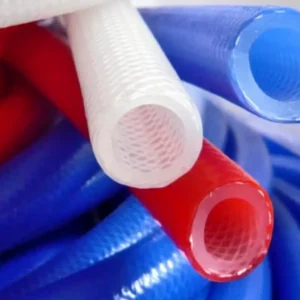
Braided hose is a flexible hose reinforced with braided layers of steel wire or synthetic fiber. It is widely used in hydraulic, pneumatic, and industrial systems because it combines strength with flexibility. The braided structure improves pressure resistance, reduces expansion, and enhances durability, making it reliable for demanding fluid transfer applications in many industries today across modern engineering systems.
- Steel reinforcement strength: Steel braided hoses are designed with reinforced layers that significantly improve pressure handling capability. The braided mesh prevents hose expansion under stress, ensuring stable fluid flow. This structure increases safety in hydraulic systems, making them suitable for heavy industrial environments requiring consistent performance and reliability.
- Hydraulic and automotive applications: Braided hoses are commonly used in hydraulic machinery, automotive brake systems, and industrial equipment. Their flexibility and strength allow them to transport liquids and gases efficiently under high pressure. They are valuable in environments where vibration resistance and long-term durability are critical for safe operation.
- Manufacturing durability and protection: Manufacturers use braided reinforcement techniques to improve hose reliability and extend service life in demanding industrial applications worldwide across multiple sectors consistently. The outer braid protects inner tubing from wear abrasion and external damage ensuring consistent performance and reducing maintenance costs and failure risk significantly.
- Performance and industrial benefits: Braided hoses deliver excellent durability, pressure resistance, and flexibility, making them suitable for a wide range of industrial applications globally. Their robust construction reduces downtime and improves system efficiency, providing long service life and making them a preferred choice for fluid transfer systems worldwide industries.
Corrugated vs Braided Hose
Corrugated and braided hoses are two widely used flexible hose types designed for fluid and gas transfer in industrial systems. Although both provide flexibility, they differ significantly in structure, pressure handling, durability, and application.
Understanding these differences helps in selecting the right hose for hydraulic, pneumatic, and industrial environments where safety and performance are critical.
Structure And Design
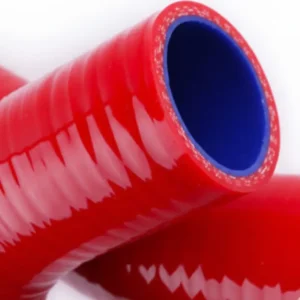
Corrugated hoses are made with a ridged, wave-like surface that allows high flexibility and easy bending. This structure helps absorb movement and vibration in dynamic systems, especially where tight bending radii are required. They are often made from stainless steel or plastics, depending on application needs.
Braided hoses, on the other hand, use an inner tube reinforced with a woven layer of steel wire or synthetic fibers. This braided outer layer strengthens the hose, preventing expansion under pressure. The design focuses more on strength and pressure containment than extreme flexibility.
Pressure Resistance
Corrugated hoses generally offer moderate pressure resistance. Their corrugated shape supports flexibility but limits their ability to handle very high internal pressures. They perform best in low to medium pressure systems where movement and thermal expansion are key concerns.
Braided hoses excel in high-pressure environments. The reinforced outer braid prevents hose swelling and improves structural stability under load. This makes them suitable for hydraulic systems, braking systems, and heavy industrial machinery where pressure control is essential.
Flexibility And Movement
Corrugated hoses provide excellent flexibility and can bend easily without kinking. Their wave-like structure allows them to absorb vibration and thermal expansion, making them ideal for systems that require frequent movement or misalignment compensation.
Braided hoses offer moderate flexibility but are more rigid compared to corrugated types. The braided layer restricts excessive bending, which helps maintain internal flow stability. They are better suited for fixed or semi-flexible installations rather than highly dynamic movement systems.
Durability And Wear Resistance
Corrugated hoses are resistant to fatigue and vibration but may wear faster under abrasive or high-pressure conditions. Their structure is designed more for movement accommodation than extreme mechanical protection, especially in harsh environments.
Braided hoses are highly durable due to their reinforced outer layer. The braid protects the inner tube from abrasion, external damage, and pressure deformation. This significantly extends service life, especially in demanding industrial applications.
Applications And Usage
Corrugated hoses are commonly used in HVAC systems, exhaust systems, and low-pressure fluid transfer applications. They are ideal where flexibility, thermal expansion absorption, and vibration control are the main requirements.
Braided hoses are widely used in hydraulic machinery, automotive brake systems, fuel lines, and high-pressure industrial equipment. Their strength and reliability make them suitable for safety-critical applications where failure is not an option.
Cost And Maintenance
Corrugated hoses are generally more cost-effective and easier to install. Their lightweight structure reduces installation effort, and they require minimal maintenance in low-stress environments.
Braided hoses tend to be more expensive due to their reinforced construction. However, they offer lower long-term maintenance costs because of their higher durability and resistance to failure under pressure.
Here is a table showing you the differences between corrugated and braided hoses:
| Aspect | Corrugated Hose | Braided Hose |
|---|---|---|
| Structure | Wave-like ridged design | Inner tube with braided reinforcement |
| Pressure Resistance | Low to medium | High |
| Flexibility | Very high | Moderate |
| Durability | Good in low-stress use | Excellent in harsh conditions |
| Vibration Absorption | Very strong | Moderate |
| Applications | HVAC, exhaust, low-pressure systems | Hydraulics, brakes, high-pressure systems |
| Cost | Lower | Higher |
How to Choose Corrugated and Braided Hose?
Choosing between corrugated and braided hose depends on pressure, movement, temperature, and application requirements. Each hose type offers unique advantages in flexibility, strength, and durability. Understanding system demands helps ensure safety and efficiency while extending service life and reducing maintenance in industrial, hydraulic, and fluid transfer operations overall systems applications.
Pressure Requirements
Higher pressure systems typically require braided hoses because the reinforced structure prevents expansion and maintains stability under load. Corrugated hoses are better suited for low to medium pressure applications where flexibility is more important than extreme pressure containment in industrial environments and system reliability overall.
Flexibility Needs
Corrugated hoses provide superior flexibility and are ideal for installations requiring frequent bending or vibration absorption. Braided hoses offer moderate flexibility but prioritize strength, making them suitable for fixed or semi-flexible systems where movement is limited and controlled improving operational stability and safety performance efficiency.
Temperature And Environmental Conditions
Temperature and environmental conditions strongly influence hose selection, especially in corrosive, high-heat, or outdoor applications. Corrugated hoses handle thermal expansion well, while braided hoses perform better in high-pressure environments that also demand mechanical protection ensuring reliability across demanding industrial operating conditions worldwide applications systems use.
Application Type
Application type is a key factor when choosing between corrugated and braided hoses. HVAC, exhaust, and ventilation systems often rely on corrugated hoses, while hydraulic machinery, automotive braking, and fuel systems depend on braided hose strength and pressure resistance depending on system safety requirements overall.
Budget And Lifespan
Budget and expected service life are important when selecting hose types, as cost and durability often determine long-term value. Corrugated hoses are generally more affordable, while braided hoses provide longer lifespan and reduced maintenance in demanding applications making selection dependent on operational priorities overall balance.
Conclusion
Choosing between corrugated and braided hoses ultimately depends on the specific demands of your application. Corrugated hoses provide superior flexibility, vibration absorption, and ease of installation in confined spaces, while braided hoses deliver enhanced pressure handling, structural strength, and extended service life under demanding operating conditions.
Factors such as working pressure, temperature range, media compatibility, movement requirements, and installation environment should all be carefully evaluated before making a selection. Understanding the strengths and limitations of each hose type helps improve system efficiency, reduce maintenance costs, and ensure long-term operational reliability.
For businesses seeking hydraulic hose solutions, Gushan Rubber offers a wide range of wholesale rubber hydraulic hoses designed to meet diverse industrial requirements. With reliable manufacturing, strict quality control, and customizable specifications, Gushan Rubber provides durable hose products that support safe, efficient, and cost-effective fluid transfer systems worldwide.