Braided hose is widely used in industrial, automotive, hydraulic, and fluid transfer systems because of its strength, flexibility, and pressure resistance. With a reinforced braided layer, this hose can handle demanding working conditions while maintaining reliable performance. Understanding its structure, materials, and applications helps you select the right hose for your specific requirements.
In this ultimate guide for 2026, we will explore what braided hose is, how it is manufactured, the materials used, and its common types and applications. We will also explain its key benefits and help you understand which factors matter most when choosing a braided hose for your equipment or industrial system.
What Is Braided Hose?
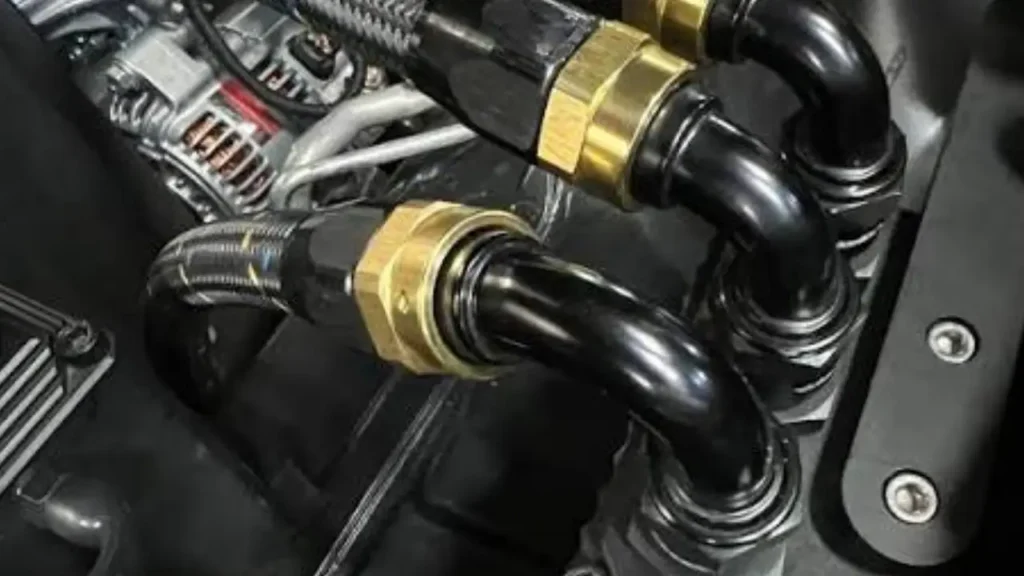
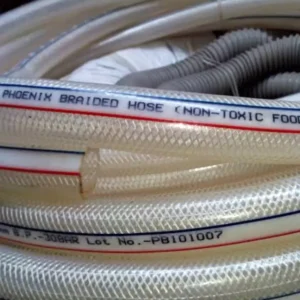
A braided hose is a flexible tube reinforced with braided materials, such as stainless steel wire or textile fibers. This reinforced structure improves pressure resistance, durability, and flexibility, making braided hoses suitable for hydraulic systems, automotive equipment, industrial machinery, and fluid transfer applications. Different materials and designs meet different operating requirements.
Benefits of Braided Hose
- – High Pressure Resistance: Braided reinforcement helps the hose withstand internal pressure during fluid transfer. It is particularly useful in hydraulic and industrial systems where reliable pressure handling is essential for safe and consistent operation.
- – Excellent Flexibility: Braided hoses can bend around equipment and fit into compact installation spaces. Their flexible construction simplifies routing in complex systems while helping maintain reliable connections between different components.
- – Improved Durability: Reinforced construction helps braided hoses withstand mechanical stress and everyday wear. Stainless steel braided layers can provide additional protection against external abrasion, supporting longer service life under suitable operating conditions.
- – Corrosion Resistance: Stainless steel braided hoses offer good corrosion resistance in many environments. Choosing compatible hose materials and fittings helps maintain performance when exposed to moisture, chemicals, and other challenging operating conditions.
- – Wide Application Range: Braided hoses are available in various materials, sizes, and pressure ratings. They can transport compatible liquids and gases in automotive, hydraulic, plumbing, and industrial systems when properly selected for each application.
What Is Braided Hose Made Of?
Braided hoses are made from a flexible inner tube, a reinforcing braided layer, and sometimes an outer protective cover. The materials vary depending on the hose’s intended application, working pressure, temperature, and fluid compatibility.
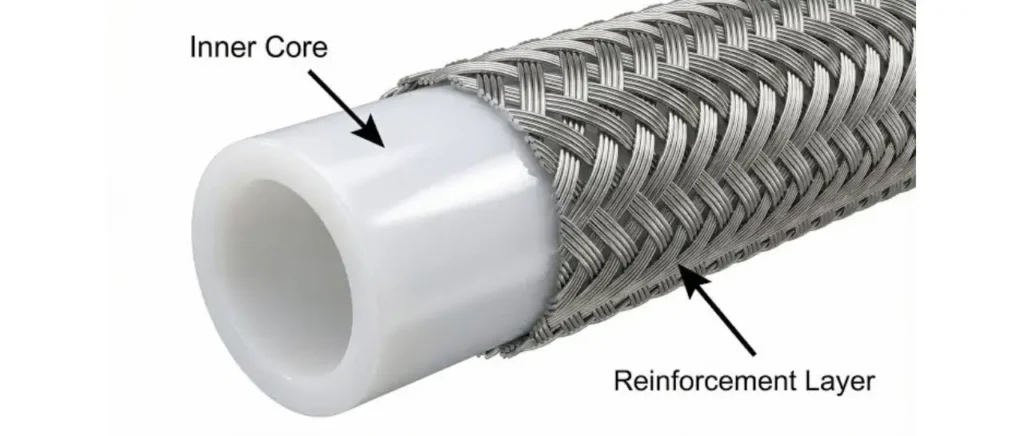
Common materials include rubber, thermoplastic, stainless steel wire, and textile fibers, each providing different performance characteristics for industrial and commercial applications.
- – Rubber: Rubber is commonly used for the inner tube because of its flexibility and ability to transport various fluids. Depending on the rubber compound, it can offer resistance to oil, heat, abrasion, and weathering, making it suitable for hydraulic systems, automotive equipment, and industrial machinery.
- – Stainless Steel Wire: Stainless steel wire is widely used as reinforcement in braided hoses. Its woven structure improves pressure resistance and provides additional protection against external abrasion. Stainless steel also offers corrosion resistance, making it suitable for demanding industrial environments and applications requiring reliable hose performance.
- – Thermoplastic: Thermoplastic materials, such as nylon and polyurethane, are used in braided hoses that require lightweight construction and flexibility. These materials can provide good chemical resistance and dimensional stability, depending on the formulation. They are commonly found in hydraulic systems, pneumatic equipment, and specialized fluid transfer applications.
- – Textile Fibers: Textile fibers, including polyester and nylon, are used to reinforce hoses that require flexibility and moderate pressure resistance. This reinforcement helps maintain hose strength while reducing weight. Textile-braided hoses are commonly used in automotive systems, air lines, and general industrial applications where suitable pressure ratings are maintained.
- – Outer Protective Cover: Some braided hoses feature an additional outer cover made from rubber, plastic, or stainless steel. This layer helps protect the hose from abrasion, moisture, chemicals, and environmental exposure. The appropriate cover material depends on the installation environment and the level of protection required.
What is Braided Hose Used For?
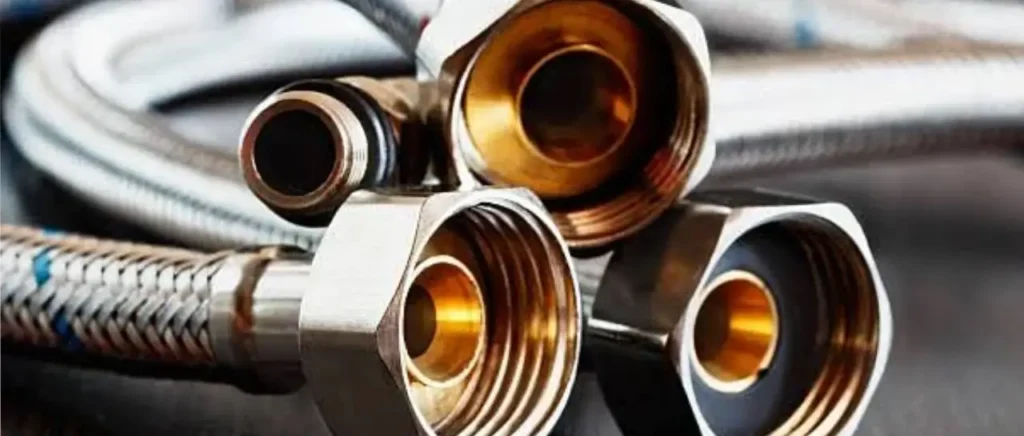
Braided hose is flexible tubing reinforced with woven fibers or metal, used to safely move liquids or gases where ordinary hose could expand, kink, leak, or fail. Its braided layer adds strength, pressure resistance, abrasion protection, and durability across home, automotive, and industrial applications.
Common Uses
- Plumbing and water supply: Braided supply lines connect faucets, toilets, water heaters, and appliances to household water systems. Their reinforced construction resists pressure surges, corrosion, and physical wear, helping reduce the chance of leaks or sudden line failure.
- Automotive systems: These hoses carry fuel, coolant, brake fluid, and air-conditioning refrigerant. Steel braiding provides flexibility while protecting lines from heat, vibration, abrasion, and punctures, supporting dependable performance in demanding engine-bay conditions.
- Hydraulic machinery: Braided hydraulic hose transmits pressurized fluid that powers excavators, lifts, tractors, presses, and industrial equipment. The reinforcement prevents hose expansion and rupture, allowing controlled power transfer under high operating pressures.
- Pneumatic and air tools: Compressed-air systems use braided hose to supply tools, actuators, compressors, and machinery. Its flexibility makes installation easier around moving parts, while the braided cover helps the hose withstand repeated movement and pressure cycles.
- Chemical and industrial transfer: Chemical-resistant braided hose moves solvents, oils, lubricants, and process fluids safely. It is useful where leaks, corrosion, high temperatures, or hazardous materials make standard hose unsuitable for reliable operation.
- Gardening and outdoor cleaning: Braided garden hoses handle watering, car washing, pressure washing, and irrigation. The woven reinforcement improves kink resistance and durability, maintaining steady water flow during frequent outdoor use.
Braided Hose vs Standard Hose
Braided hose and standard hose differ mainly in construction, pressure resistance, flexibility, and application suitability. Braided hoses typically feature a reinforcing layer of braided stainless steel or textile fibers, while standard hoses may use an unreinforced structure or other reinforcement designs.
Understanding these differences helps you select the right hose for your operating conditions and equipment requirements.
Braided Hose vs. Standard Hose: Key Differences
| Comparison | Braided Hose | Standard Hose |
|---|---|---|
| Construction | Features braided metal or textile reinforcement around an inner tube | May use rubber, PVC, or other materials, with or without reinforcement |
| Pressure Resistance | Reinforcement can support higher working pressures, depending on design | Pressure capacity varies significantly with material and construction |
| Flexibility | Often flexible, but metal braiding can increase stiffness | May offer greater flexibility depending on material and wall thickness |
| Temperature Resistance | Depends on the inner tube, braid material, and fittings | Depends on the hose material and overall construction |
| Durability | Braid can improve resistance to external damage and pressure-related expansion | Durability varies with material, reinforcement, and operating environment |
| Corrosion Resistance | Stainless steel braiding resists corrosion in many environments | Depends on the hose material and any external protective layer |
| Cost | Often costs more due to reinforcement and manufacturing complexity | May be more economical for less demanding applications |
| Common Applications | Hydraulic systems, industrial equipment, and demanding fluid-transfer applications | Water supply, air lines, irrigation, and general-purpose fluid transfer |
How to Choose the Right Braided Hoses?
Choosing the right braided hose starts with matching its construction to the fluid, pressure, temperature, movement, and installation space. A hose that looks durable may still fail if its inner tube, fittings, or reinforcement are incompatible with the application, so always verify the manufacturer’s specifications before purchase.
Selection Factors when to select braided hoses:
- Identify the application: Determine whether the hose will carry water, air, fuel, oil, chemicals, hydraulic fluid, or another medium. Different fluids require different inner-tube materials, and a hose suitable for air may deteriorate quickly when exposed to petroleum oils or aggressive chemicals.
- Check pressure requirements: Select a hose whose working-pressure rating exceeds the system’s maximum pressure, including startup surges, pump pulsation, and sudden spikes. Never choose a hose based only on normal operating pressure, because brief pressure peaks can cause leaks, expansion, or rupture.
- Match temperature conditions: Consider both the temperature of the fluid and the surrounding environment, including sunlight, engine heat, freezing weather, and nearby hot equipment. Excess heat can soften or weaken materials, while extreme cold can reduce flexibility and make the hose more prone to cracking.
- Choose the correct size: Measure the required inner diameter, outer diameter, and hose length rather than relying only on fitting size. An undersized bore increases fluid velocity, pressure loss, heat, and turbulence, while an overly long hose can create unnecessary clutter and installation stress.
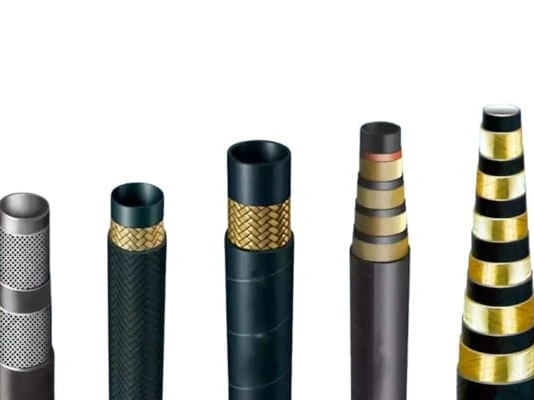
- Assess reinforcement and flexibility: Textile braiding is typically lighter and more flexible, while steel-wire braiding offers greater strength and pressure resistance. More reinforcement layers improve durability but may increase stiffness and require a larger minimum bend radius during installation.
- Verify chemical compatibility: Match the inner tube material to the specific fluid, its concentration, temperature, and cleaning agents. For example, EPDM works well with water and many mild chemicals, while NBR is commonly used for petroleum oils and hydraulic fluids.
- Confirm fittings and routing: Ensure the thread type, sealing method, fitting design, and pressure rating match your equipment. Leave enough clearance for bends, avoid twisting or stretching the hose, and choose a bend radius that prevents kinking and premature failure.
- Review quality and maintenance: Compare manufacturer ratings for burst pressure, impulse resistance, service life, and applicable standards. Inspect installed hoses regularly for cracks, blisters, abrasion, exposed reinforcement, leaks, or permanent deformation, and replace damaged hoses promptly.
Conclusion
Braided hose plays an important role in fluid transfer systems by combining flexibility, reinforcement, and durability. From hydraulic equipment to automotive applications, different braided hose types offer solutions for various operating pressures, temperatures, and fluid requirements. Understanding their materials, construction, and intended uses helps you make informed decisions and improve the reliability of your equipment.
When selecting a braided hose, consider factors such as working pressure, temperature range, fluid compatibility, hose diameter, reinforcement material, and connection type. Stainless steel braided hoses and textile braided hoses serve different purposes, so matching the hose design to your application is essential. Proper installation, regular inspection, and timely replacement can also help maintain safe and efficient operation.
If you are looking for dependable products for your business, we invite you to get wholesale braided hoses from us. We can help you explore suitable hose materials, sizes, reinforcement options, and end fittings based on your application requirements. Whether you need hoses for hydraulic systems, industrial machinery, or automotive equipment, choosing the right specifications can support consistent performance and long-term value.