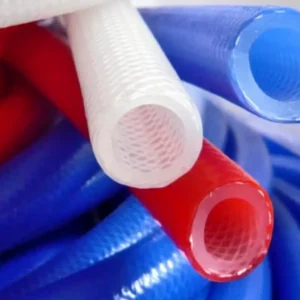
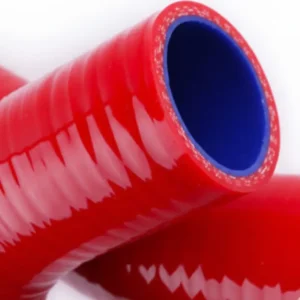
NBR rubber, also known as nitrile butadiene rubber, is widely recognized for its excellent resistance to oil, fuel, and heat. This versatile material is commonly used in industrial and automotive applications, providing durable solutions where flexibility and reliability are crucial. NBR hoses maintain performance under demanding conditions.
Flexible hoses made from NBR rubber offer superior strength while remaining adaptable to various configurations. Their ability to withstand high temperatures and exposure to oils makes them ideal for hydraulic systems, fuel transfer, and machinery. Choosing NBR ensures long-lasting performance, minimizing maintenance and downtime in critical operations.
What is NBR Rubber Material?
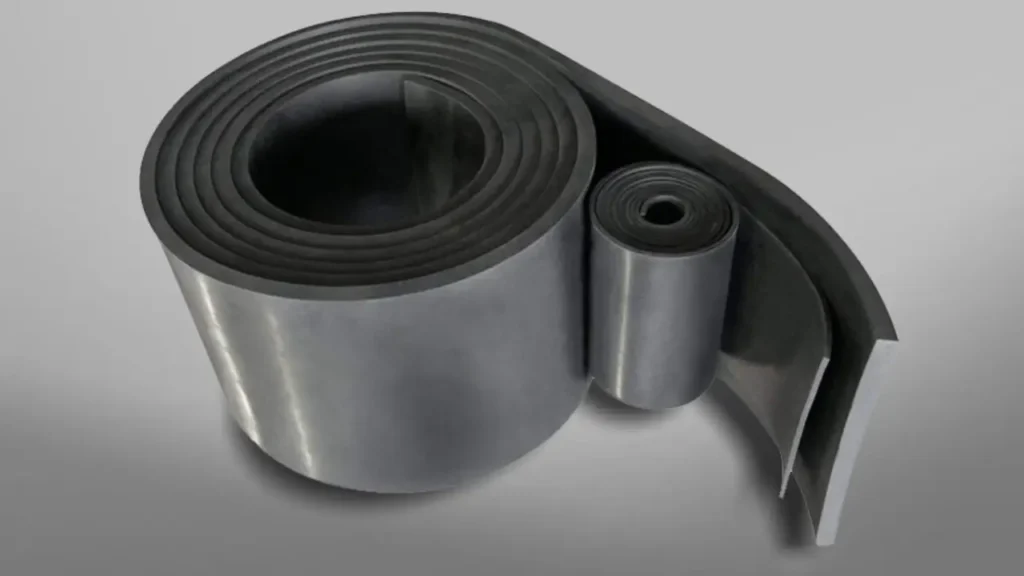
NBR rubber, or nitrile butadiene rubber, is a synthetic elastomer known for its excellent resistance to oils, fuels, and high temperatures. It combines flexibility with durability, making it ideal for industrial and automotive applications.
Commonly used in hoses, seals, and gaskets, NBR ensures long-lasting performance even under harsh conditions, reducing wear and maintenance needs.
Advantages of NBR rubber
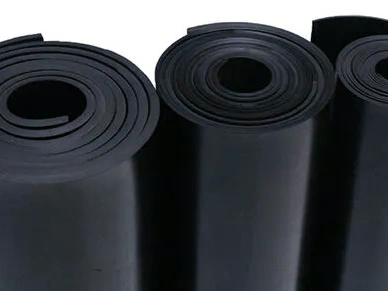
NBR rubber offers numerous benefits for industrial and automotive applications, combining durability, flexibility, and resistance to harsh conditions. Its unique properties make it ideal for hoses, seals, and gaskets, ensuring long-term performance while minimizing maintenance needs and operational downtime.
- Oil and Fuel Resistance: NBR rubber resists degradation from oils, fuels, and solvents. This property makes it perfect for hydraulic systems, fuel lines, and machinery components, ensuring longer service life and reducing the frequency of replacements.
- Heat Resistance: NBR withstands high temperatures without losing elasticity. This feature allows it to perform reliably in demanding environments, preventing hose or seal failure and maintaining system efficiency under thermal stress.
- Flexibility and Durability: Despite its toughness, NBR remains flexible. It can bend and stretch without cracking, making it suitable for dynamic applications where hoses and seals undergo repeated movement or vibration.
- Wear and Tear Resistance: NBR is highly resistant to abrasion and mechanical wear. This ensures consistent performance over time, even in industrial settings with friction, pressure, or mechanical stress, extending the lifespan of components.
- Cost-Effective Performance: Combining durability and low maintenance needs, NBR offers an economical solution. It reduces downtime and replacement costs, making it a practical choice for businesses seeking reliable, long-lasting industrial materials.
Common NBR Rubber Application
NBR rubber is widely used across industries due to its oil and heat resistance, flexibility, and durability. Its reliable performance in demanding environments makes it a preferred material for hoses, seals, gaskets, and other components that require long-lasting resilience and minimal maintenance.
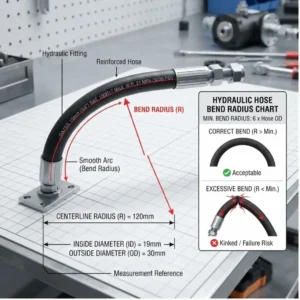
- Hydraulic Hoses: NBR rubber is ideal for hydraulic hoses, resisting oils and high pressures. It ensures efficient fluid transfer in machinery and vehicles, reducing leakage risks and extending hose life even under constant stress and temperature fluctuations.
- Fuel Lines: NBR’s resistance to fuels and chemicals makes it perfect for automotive and industrial fuel lines. It maintains integrity under exposure to gasoline, diesel, or lubricants, preventing leaks and safeguarding engine performance.
- Seals and Gaskets: Used in seals and gaskets, NBR prevents fluid or air leakage in pumps, engines, and machinery. Its elasticity and chemical resistance ensure tight sealing, protecting equipment from wear and operational failures.
- Industrial Equipment Components: NBR is applied in various mechanical parts, including connectors, O-rings, and couplings. Its durability and abrasion resistance make it suitable for high-performance industrial systems requiring reliable operation under tough conditions.
- Automotive Applications: From hoses to protective components, NBR rubber supports vehicles’ hydraulic, fuel, and engine systems. Its combination of flexibility, heat resistance, and chemical stability ensures consistent functionality and long service life in automotive environments.
Here’s a simple chart to visually summarize the common applications and benefits of NBR rubber:
| Application | Key Benefits | Typical Use |
|---|---|---|
| Hydraulic Hoses | Oil resistance, high pressure durability | Machinery, industrial equipment |
| Fuel Lines | Fuel and chemical resistance, leak prevention | Automotive, industrial fuel systems |
| Seals and Gaskets | Elasticity, tight sealing, chemical stability | Pumps, engines, machinery |
| Industrial Equipment Parts | Abrasion resistance, long-lasting durability | Connectors, O-rings, couplings |
| Automotive Components | Flexibility, heat and chemical resistance | Engine systems, hydraulic lines |
How to Select the Right NBR Rubber
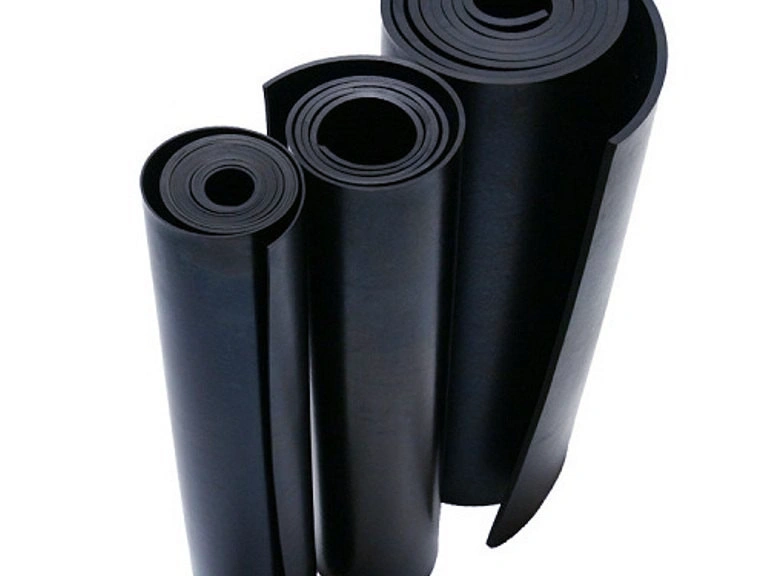
While NBR rubber material is incredibly versatile, choosing the right grade is crucial. A one-size-fits-all approach can lead to premature failure. In my experience, making the right selection comes down to carefully considering a few key factors that impact the material’s performance in your specific application.
- Acrylonitrile (ACN) Content: This is the most important factor. High ACN content (over 40%) gives you excellent oil and fuel resistance but poorer low-temperature flexibility. Low ACN content (under 30%) offers better low-temperature performance but sacrifices some resistance to oils. You need to balance these two properties based on your operating environment.
- Durometer (Hardness): Measured on the Shore A scale, hardness determines the material’s rigidity. A harder NBR (e.g., 90A) is better for high-pressure seals, as it resists extrusion. A softer NBR (e.g., 50A) is more flexible and can create a better seal on uneven surfaces.
- Working Temperature Range: Always confirm the specific temperature range for your selected Nitrile Rubber grade. While the general range is broad, formulations vary, and exceeding the maximum temperature will rapidly accelerate material degradation.
- Chemical Compatibility: Although NBR is highly oil-resistant, it has poor resistance to certain chemicals like ketones, esters, and aromatic hydrocarbons. Always check a chemical compatibility chart to ensure the chosen NBR grade is suitable for all the fluids it will be in contact with.
Which is Better EPDM or NBR Rubber Material?
Neither EPDM nor NBR is inherently “better”—the right choice depends entirely on the application’s specific requirements.
NBR (Nitrile Rubber) is the superior material for resistance to petroleum-based fluids like oils, gasoline, and hydraulic fluids. It also has excellent abrasion resistance. This makes it the go-to for automotive fuel hoses, O-rings, and seals in industrial machinery where contact with oil is a constant. However, NBR performs poorly when exposed to UV light, ozone, and weathering.
EPDM (Ethylene Propylene Diene Monomer) is the better choice for outdoor use. It has exceptional resistance to sunlight, ozone, and weathering, as well as a wider temperature range. It’s also highly resistant to water, steam, and some chemicals like brake fluid. EPDM is commonly used for weather stripping, seals, and gaskets in outdoor environments, but it should not be used with petroleum products.
Does Rubber Break Down Over Time?
Rubber breaks down over time. This process is known as degradation or aging and is an irreversible chemical change. The rate of this breakdown depends on several key environmental factors:
- Heat: High temperatures accelerate the chemical reactions that cause rubber to harden and crack.
- UV Light and Ozone: Exposure to sunlight and ozone (a form of oxygen in the air) attacks the molecular bonds in rubber, causing it to become brittle and crack.
- Chemicals: Contact with certain fluids like oil, grease, or some solvents can cause rubber to swell, soften, or lose its structural integrity.
Different types of rubber are formulated to resist some of these factors better than others, but all rubber will eventually deteriorate.
Conclusion
NBR rubber hoses provide a reliable solution for industries requiring resistance to heat, oil, and wear. Their flexibility and durability make them an essential component in automotive, manufacturing, and hydraulic systems, ensuring smooth operations and extended service life.
By investing in NBR hoses, businesses can reduce maintenance costs and prevent system failures. Their resilience against harsh conditions allows for consistent performance, even in high-pressure environments, safeguarding equipment and enhancing overall efficiency.
For those looking to source these high-performance hoses, wholesale NBR rubber hoses are available from our US suppliers. With competitive pricing and ready availability, businesses can equip their operations with durable, dependable hoses that meet demanding industrial standards.